A New Era for the Funny Pages: ‘Wallace the Brave’ Joins The Boston Globe
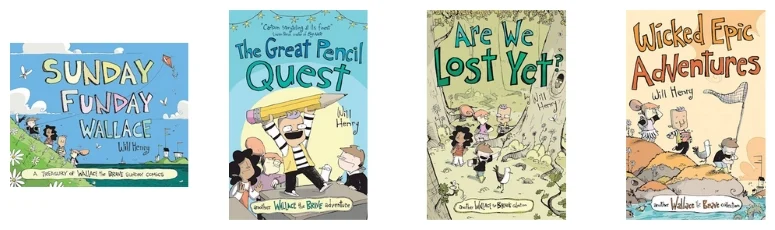
The landscape of the American daily comic strip is undergoing a subtle but significant transformation. As legacy titles that have run for decades begin to retire or shift into reruns, a new generation of creators is stepping into the spotlight, bringing with them a blend of modern sensibility and timeless nostalgia. In a move that signals a commitment to regional relevance and artistic quality, The Boston Globe has officially announced the addition of "Wallace the Brave" to its daily comics roster.
The strip, created by Rhode Island native Will Henry, fills a coveted vacancy on the Globe’s comics page, replacing the long-running "Big Nate." This transition is more than a simple swap of ink and newsprint; it represents a homecoming for a strip deeply rooted in the aesthetics and spirit of coastal New England.
Main Facts: From Snug Harbor to the Hub
"Wallace the Brave" follows the adventures of Wallace, a spirited and imaginative boy living in the fictionalized coastal town of Snug Harbor. Accompanied by his neurotically cautious best friend Spud and the fiercely independent Amelia, Wallace navigates a world where the mundane—tide pools, backyard woods, and school bus rides—is transformed into grand adventures.
The creator, Will Henry (a pen name for William Wilson), has spent years honing a style that evokes the golden age of cartooning while remaining firmly contemporary. The decision by The Boston Globe to pick up the strip follows a similar move by the Minnesota Star-Tribune, which also recently swapped "Big Nate" for "Wallace the Brave." For a syndicated strip to land spots in two of the top ten circulation newspapers in the United States within a short window is a "stunt" of considerable professional magnitude, signaling that Henry’s work is resonating with editors and audiences alike.
The transition comes at a time when newspaper real estate is increasingly precious. By choosing a strip set in a "coastal New England town," The Boston Globe is leaning into a hyper-local appeal. While Snug Harbor is fictional, its atmosphere—defined by salt air, rocky shores, and small-town mystery—is instantly recognizable to readers from Maine to Connecticut.
Chronology: The Evolution of Will Henry
The journey of "Wallace the Brave" from a sketchbook in Rhode Island to the pages of a major metropolitan daily is a story of persistence and the refinement of artistic vision.
The Early Years and "Writing What You Know"
The seeds of the strip were sown decades ago. As a teenager, William Wilson was already pitching comic strips to local newspapers with the ambition of a professional. During one formative encounter, an editor gave him a piece of advice that would change his trajectory: stop trying to write about generic "family life" and start writing about what he actually knew.
At the time, Wilson was immersed in the unique rhythms of Rhode Island life. However, it took years of maturing and the experience of starting his own family for that advice to truly take hold. He realized that the mystery of childhood, set against the backdrop of the New England coast, was a rich, untapped vein of storytelling.
The Birth of Wallace
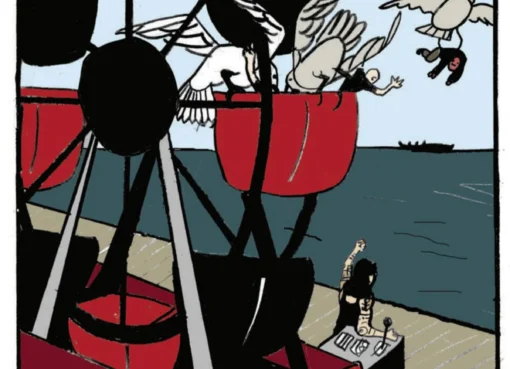
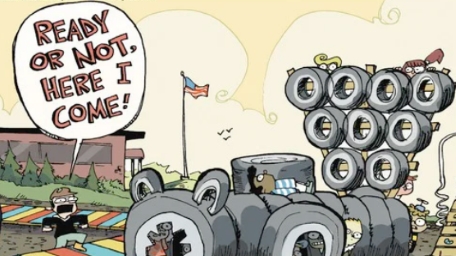
"Wallace the Brave" debuted in 2015 through Andrews McMeel Syndication. Unlike many modern strips that rely on minimalist "talking head" panels, Henry’s work was immediately distinguished by its lush, detailed backgrounds and watercolor-inspired textures. The strip felt "lived-in," with every tide pool and weathered dock contributing to the narrative.
National Recognition and Market Expansion
By the late 2010s, "Wallace the Brave" had garnered critical acclaim, winning the Reuben Award for "Best Newspaper Comic Strip" from the National Cartoonists Society in 2018. This accolade served as a catalyst, proving that the strip had "legs" beyond a niche audience.
The early 2020s saw the strip’s footprint expand into major metropolitan markets. The recent inclusion in the Minnesota Star-Tribune served as a proof-of-concept for editors: the strip’s themes of childhood wonder were universal, even if the setting was specific. This paved the way for the June 2024 debut in The Boston Globe, marking a pinnacle in Henry’s career as he secured a place in his "home" metropolitan paper.
Supporting Data: The Business of the Comics Page
The inclusion of "Wallace the Brave" in The Boston Globe is a strategic move backed by industry trends and circulation data.
- Circulation Impact: The Boston Globe remains one of the most influential newspapers in the country, with a significant print and digital reach. Placing a strip here ensures a daily audience of hundreds of thousands. Combined with the Minnesota Star-Tribune, "Wallace the Brave" is now being funneled into two of the largest remaining strongholds of daily print readership in the U.S.
- The "Big Nate" Transition: Lincoln Peirce’s "Big Nate" has been a juggernaut of the comics world since 1991. However, as Peirce has moved toward television deals and book series, some newspapers have begun looking for "fresher" daily content that offers a different visual aesthetic. The replacement of "Big Nate" by "Wallace" in two major markets suggests a trend toward strips that emphasize artistry and "sense of place" over gag-a-day simplicity.
- Demographic Appeal: Industry data suggests that while older readers remain the core of print newspaper consumption, there is a growing demand for content that parents can share with their children. "Wallace the Brave" bridges this gap by offering "mystery and wonder" for kids and a nostalgic, sophisticated artistic style for adults.
Official Responses: A Vision of Childhood Wonder
In a recent interview with Carlos R. Muñoz of The Boston Globe, Will Henry provided insight into the philosophy that drives the strip. He emphasized that the setting of Snug Harbor is intended to be a "view of a small town through the eyes of kids in grade school."
"I’m really interested in just what happens when children get bored," Henry told the Globe. "Their mind wanders and adventure starts."

This focus on "boredom" is a deliberate counter-narrative to the modern, screen-saturated childhood. Henry’s characters don’t have smartphones; they have sticks, old boats, and an endless supply of curiosity. This thematic choice has been praised by educators and parents alike for celebrating unstructured play.
Regarding the move to The Boston Globe, Henry expressed a sense of pride in the regional connection. "I think it’s a coastal New England town, which I think is why it would be perfect for the Boston Globe," he noted. He expressed hope that readers across the region would recognize the "vague" but familiar parts of New England life reflected in his panels—the specific way the light hits the Atlantic or the architectural quirks of a coastal village.
Implications: The Future of the Daily Strip
The success of "Wallace the Brave" carries several implications for the future of the medium.
The Resurgence of Artistry
For several decades, the trend in syndicated comics was toward simplification—smaller panels and less detail to accommodate shrinking newspaper pages. Will Henry has successfully bucked this trend. His work suggests that there is still a massive appetite for high-level draftsmanship in the daily funnies. If a strip is beautiful enough to look at, readers will find it, even in a digital-first world.
Regionalism as a Strength
In an era of globalization, "Wallace the Brave" proves that hyper-locality can be a strength. By leaning into the New England identity, the strip has secured a loyal home base. This "regional anchor" strategy may be the blueprint for future cartoonists looking to break into major markets: establish a deep connection with a specific geography to build a foundation for national syndication.
The "Calvin and Hobbes" Successor?
Critics have frequently compared "Wallace the Brave" to Bill Watterson’s legendary "Calvin and Hobbes." While Henry has his own distinct voice, the thematic overlap—the sanctity of childhood imagination and the beauty of the natural world—positions Wallace as a spiritual successor to the classics. By bringing this level of depth to The Boston Globe, the newspaper is reinforcing the idea that the comics page is not just for "jokes," but for storytelling that resonates on an emotional level.
Conclusion
As Wallace, Spud, and Amelia begin their daily residency in The Boston Globe, they bring with them a breath of salt air and a reminder of the power of a wandering mind. For Will Henry, the move is a validation of the advice he received as a teenager: by writing what he knew—the marshes, the docks, and the boundless energy of New England youth—he has created something that the rest of the world wants to read. For The Boston Globe, the addition of the strip ensures that the tradition of the daily comic remains a vibrant, relevant, and artistically significant part of the morning ritual for years to come.