
The Unseen Kings: A Retrospective on Warhammer 40,000’s Most Dominant Army Lists
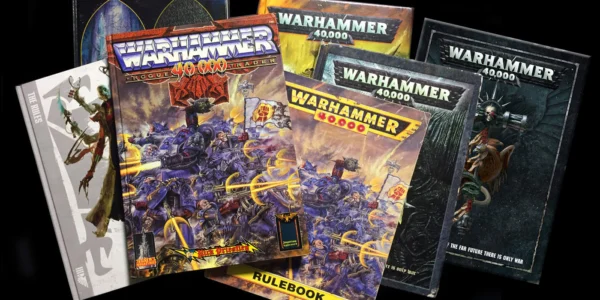
Warhammer 40,000, Games Workshop’s venerable tabletop wargame, has long been a crucible for strategic innovation and intense competition. Yet, across its many editions, a recurring phenomenon has captivated and sometimes frustrated its player base: the emergence of "killer army lists." These are combinations of units, rules, and faction synergies that, for a time, achieve an almost insurmountable dominance, fundamentally shaping the competitive landscape. From broken combos and undercosted units to sheer, overwhelming efficiency, every era of 40K has seen its titans rise and eventually fall, often leaving a trail of meta-shifts and desperate balance patches in their wake.
The adage "The King is Dead, Long Live the King!" perfectly encapsulates this cycle. No sooner is one dominant strategy reined in than another emerges, challenging players to adapt, innovate, or perhaps, grudgingly, adopt the new paradigm. As the game seemingly approaches an "11th Edition" world, currently grappling with phenomena like "Defiler-spam," it’s a fitting moment to look back at some of the most infamous and impactful "broken" lists of yesteryear, examining their mechanics, their reign, and the indelible mark they left on the grimdark battlefields of the 41st millennium.
A Chronicle of Dominance: The Meta-Defining Armies
The history of Warhammer 40,000 is replete with examples of lists that pushed the boundaries of what was considered fair or balanced. These weren’t merely strong armies; they were often game-warping constructs that forced every other player to acknowledge their existence, either by building direct counters or by succumbing to their might.
The 5th Edition Behemoth: The Imperial Guard "Leaf Blower"
In the annals of 5th Edition Warhammer 40,000, few lists inspired as much dread and grudging admiration as the Imperial Guard’s "Leaf Blower." Pioneered and perfected by competitive titans like Nick Rose, this army list didn’t just win tournaments; it redefined how players approached vehicle combat and objective control. Rose’s legendary success, including multiple Adepticon and Ard Boyz victories, cemented its status as a foundational "parking lot" strategy.
Composition and Mechanics:
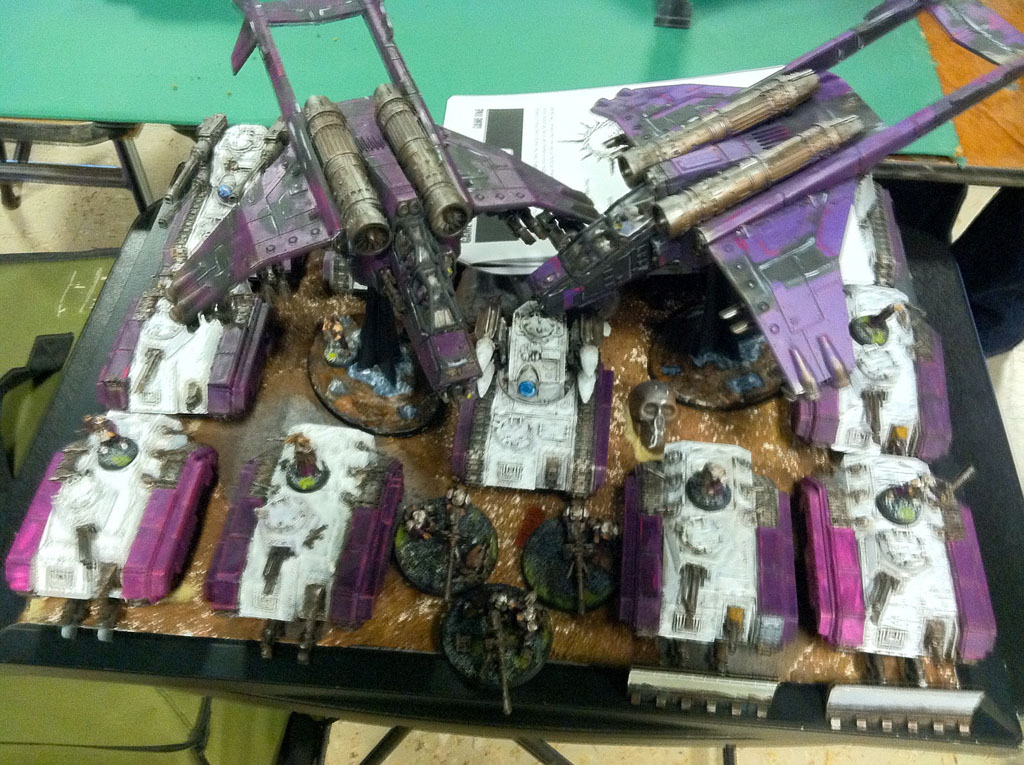
The "Leaf Blower" was a masterclass in exploiting 5th Edition’s vehicle rules. At its core, it was an overwhelming force of Imperial Guard tanks and transports. Key components typically included:
- Leman Russ Battle Tanks: Numerous Leman Russ variants, particularly those with Battle Cannons and Demolisher Cannons, provided devastating strength 8+ ordnance and large blast templates.
- Manticores: These artillery pieces were invaluable, capable of raining down multiple Strength 10, AP 3 large blast templates, often ignoring line of sight, which could obliterate infantry formations with alarming ease. The original article’s author, Thomas Reidy, vividly recalls the frustration of "Manticore dropping templates on my head."
- Chimeras: These ubiquitous transports served multiple roles: providing mobile objective control, acting as durable ablative wounds for characters, and, crucially, forming a physical screen.
- Hydras: Anti-air platforms that, in an edition where flying monstrous creatures were a threat, offered crucial sky denial.
Tactical Supremacy:
The list’s power stemmed from several intertwined factors:
- Overwhelming Firepower: The sheer volume of high-strength, low-AP shots, particularly large blast templates, meant that no infantry unit was truly safe. Opponent’s armies, regardless of their save, faced devastating casualties from the sheer number of hits.
- Unparalleled Durability: 5th Edition’s vehicle rules, particularly the concept of "hull points" and side armor values, made these tanks incredibly resilient. Opponents often lacked the dedicated anti-tank firepower to reliably crack open so many hulls, especially with the "parking lot" formation effectively screening weaker side armor.
- Area Denial and Board Control: The physical presence of so many vehicle hulls created an impassable barrier on the board, restricting enemy movement and protecting valuable backfield units. This "parking lot" style made it exceptionally difficult for close-combat armies to reach their targets or for objective-based armies to secure strategic points.
- Efficiency: Every unit in the list was cost-effective for its role, maximizing destructive potential and resilience within the points limit.
Impact and Legacy:
The "Leaf Blower" forced a fundamental shift in competitive play. Players either adopted similar heavy vehicle strategies or focused heavily on dedicated anti-tank units, often at the expense of other army functions. It highlighted the power of massed, durable shooting and ushered in an era where vehicle-heavy lists became a dominant force, forever etching its name into the history of competitive 40K.
The 7th Edition Enigma: The Chaos Daemons Screamer Star
7th Edition Warhammer 40,000 was a period characterized by the rise of "Death Star" units – small, highly optimized units of characters and bodyguards made incredibly resilient and lethal through overlapping rules and psychic powers. Among these, the Chaos Daemons "Screamer Star" emerged as a particularly brutal and memorable example of unchecked synergy.
Composition and Mechanics:
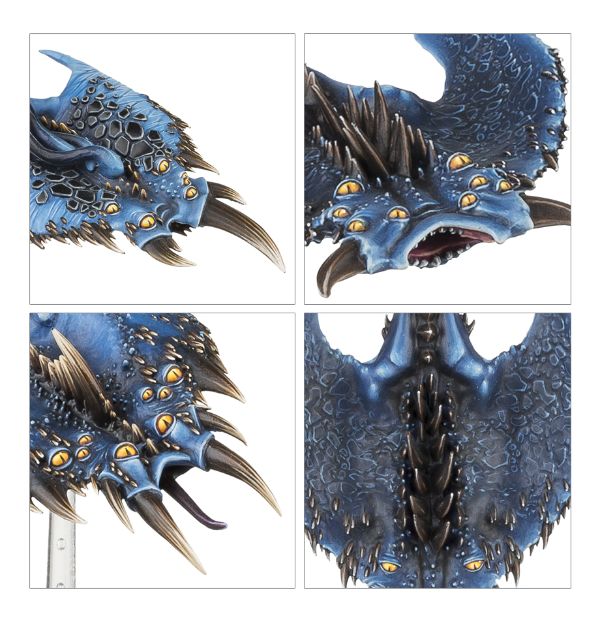
The "Screamer Star" revolved around a core of Tzeentch Screamers, often led by powerful independent characters (ICs) known as Heralds of Tzeentch, frequently mounted on Discs of Tzeentch themselves. The magic, or rather, the psychic phase, was where this unit truly came alive.
- Screamers of Tzeentch: These flying monstrous creatures were fast, offered a decent offensive punch, and critically, provided a foundation for the unit’s invulnerable save.
- Heralds of Tzeentch (Psykers): Multiple Heralds would join the unit, bringing with them a formidable array of psychic powers. The most critical among these were:
- Cursed Earth (Malefic Daemonology): This power provided a crucial +1 to the invulnerable save of friendly Daemon units within range.
- Precognition (Divination): This highly sought-after power allowed the unit to re-roll all failed To Hit, To Wound, and Saving Throws.
Tactical Supremacy:
The synergy created an almost unkillable and highly mobile force:
- Near-Invulnerability: A standard Screamer had a 5+ invulnerable save. With Cursed Earth, this improved to a 4+. When combined with a Failsafe Device or specific Warlord Traits, it could be further boosted to a 3+ invulnerable save. The critical element was Precognition, which allowed the unit to re-roll all failed saves. This meant a unit could be saving on a 3+ and re-rolling any failures, making it incredibly difficult to inflict any casualties. As the original article queries, "Who thought having a rerollable 3+ save was a good thing for the game?"
- High Mobility: Screamers are fast-moving units, allowing the "Star" to quickly traverse the battlefield, engage key enemy units, or simply avoid threats it couldn’t easily dispatch.
- Offensive Capability: While primarily a defensive powerhouse, the Screamers themselves offered decent melee attacks, and the Heralds could unleash powerful psychic offensive abilities.
- Ignoring Opponents: The unit’s extreme durability meant it could often simply "ignore" large portions of an opponent’s army, flying around, scoring objectives, or tying up critical units with minimal risk.
Impact and Legacy:
The Screamer Star, alongside other "Death Star" variants, contributed significantly to player frustration in 7th Edition. It often led to games where one side felt utterly unable to interact meaningfully with the opponent’s core threat. This phenomenon directly influenced Games Workshop’s design philosophy, leading to the introduction of "D" weapons (Distortion weapons) and specific abilities that ignored invulnerable saves. These countermeasures, though often themselves controversial, were a direct response to the era of nearly unkillable units, marking a distinct shift in how extreme durability was addressed in the game’s balance.
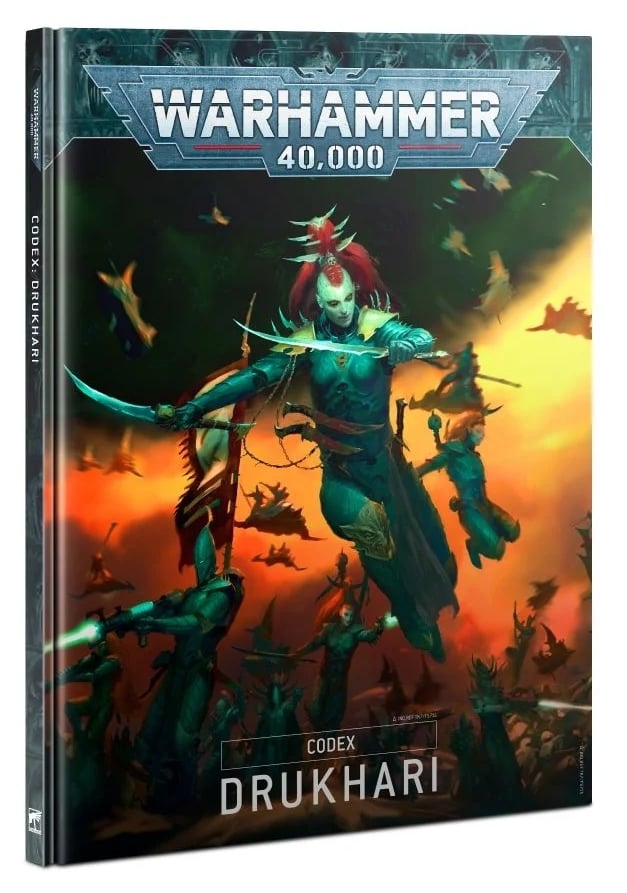
The 9th Edition Scourge: Codex Drukhari
The 9th Edition of Warhammer 40,000 saw a rapid escalation in power levels with each new codex release, leading to significant meta shifts. Few armies embodied this power creep quite like the Drukhari (Dark Eldar). Upon the release of their 9th Edition codex, they immediately shattered the competitive landscape, proving so dominant that they received an unprecedented number of nerfs in a desperate attempt by Games Workshop to bring them back into line.
Composition and Mechanics:
The Drukhari codex was a wellspring of efficient, high-damage units and powerful army-wide rules. Its dominance wasn’t singular but evolved through various iterations as GW tried to rein it in.
- Initial Wave (Coven Supremacy): The first iteration saw the rise of the Coven sub-factions. Units like Wracks, Grotesques, and particularly Talos and Chronos Pain Engines became immensely powerful. They boasted multiple layers of defense (good saves, Feel No Pain rules) combined with surprising offensive output, often disproportionate to their cost. Talos engines, in units of three, became a nigh-unstoppable force, stalking across the board with too many wounds and potent attacks.
- Second Wave (Kabal & Wych Cult Efficiency): Even after initial nerfs to Covens, other elements bubbled up. Venoms, fast transports, often equipped with Damage 2 flamers, became incredibly efficient at clearing infantry. Incubi, elite melee infantry, and their leader Drazhar, the Master of Blades, became a terrifying melee threat capable of wiping out almost any unit they touched.
- Character Power: Drukhari characters were universally strong, providing crucial buffs, inflicting high damage themselves, and often having exceptional resilience or mobility.
- Army-wide Rules: The Drukhari’s unique "Power from Pain" rule provided escalating bonuses as the game progressed, rewarding aggressive play and ensuring their units remained highly effective throughout.
Tactical Supremacy:
The Drukhari’s competitive edge stemmed from a combination of factors:
- Exceptional Damage Output: Nearly every unit in the codex "punched up," meaning they were capable of taking on and defeating units significantly more expensive or seemingly tougher than themselves.
- High Mobility: With numerous fast-moving vehicles and flying units, Drukhari could dictate engagements, seize objectives, and quickly redeploy.
- Layered Defenses: While not as overtly tough as a "Screamer Star," units like Coven constructs had multiple ways to shrug off damage, making them surprisingly durable for their faction.
- Synergy: The various sub-factions and characters worked together seamlessly, amplifying each other’s strengths and creating devastating combinations.
Impact and Legacy:
The 9th Edition Drukhari codex is widely considered one of the most overtly broken books in recent memory. It dominated tournaments for months, forcing other players to either play Drukhari themselves or build highly specialized "meta-buster" lists designed specifically to counter them. Games Workshop responded with an unprecedented series of FAQs and errata, constantly tweaking points values and rules, which, while eventually bringing them back into line, underscored the extreme initial power level of the codex. It served as a stark reminder of the challenges in balancing new releases within a complex rule set.
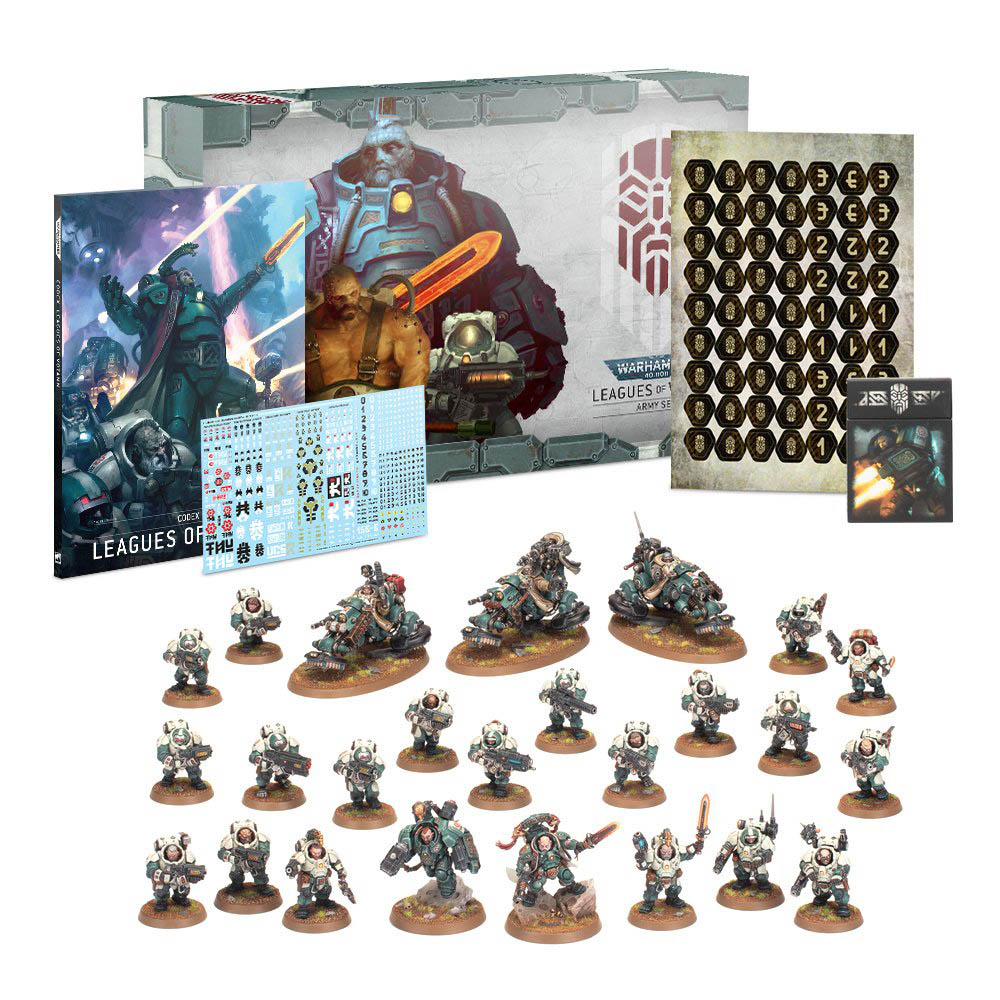
The Pre-Nerf Phantom: Leagues of Votann Launch Box (9th Edition)
The Leagues of Votann represent a truly unique case study in Warhammer 40,000 balance history: an army that was deemed "broken" and received significant nerfs before it was even widely released. The initial launch box for this long-awaited faction in 9th Edition offered a glimpse into their rules, and the community’s reaction was immediate and decisive.
Composition and Mechanics (as could have been):
The initial rules revealed for the Leagues of Votann showcased an army designed for devastating, reliable shooting and surprising resilience.
- Judgement Tokens: This core mechanic allowed Votann units to assign "Judgement Tokens" to enemy units throughout the game. For each token an enemy unit had, Votann units attacking it gained significant bonuses, often leading to automatic wounds, extra hits, or improved AP. This was a hugely powerful, army-wide force multiplier.
- Weapon Profiles: Their weaponry, particularly their signature bolters and railguns, were highly efficient, often boasting high strength, good AP, and multiple shots, further amplified by Judgement Tokens.
- Durability: Votann units, particularly their infantry, were inherently tough, often having good saves and abilities to shrug off wounds, reflecting their hardy, pragmatic nature.
- Synergy and Buffs: The codex included numerous ways to generate Judgement Tokens, re-roll dice, and enhance shooting attacks, creating an unstoppable hail of accurate, damaging fire.
Tactical Supremacy (Theoretical):
The theoretical power of the pre-nerf Votann was staggering:
- Unparalleled Shooting Efficiency: The combination of strong weapon profiles and Judgement Tokens meant Votann could consistently hit hard, wound reliably, and overcome even the toughest defenses. Rolls of a 6 to hit often granted additional benefits, making their damage output explode.
- Adaptive Damage: The Judgement Token mechanic meant that the Votann could effectively "designate" targets for priority destruction, ensuring that even heavily armored or resilient units would quickly buckle under the sustained, enhanced fire.
- Resilience: Their inherent toughness and good saves would have made them difficult to dislodge from objectives or eliminate from the board.
Impact and Legacy:
The community’s reaction was unprecedented. Upon the release of the launch box rules, competitive players and commentators universally decried the faction as severely overpowered. Events instantly began to announce pre-emptive bans or restrictions on Votann armies, a move almost unheard of for a newly released faction.
Games Workshop responded with remarkable speed and severity. Before the full release of the Votann codex and models, they issued a comprehensive FAQ/errata that significantly nerfed many of the army’s core rules and points values. This was a pivotal moment, showcasing a new willingness from GW to act quickly and decisively on balance issues, even before a faction saw widespread play. While it prevented a period of Votann dominance, it also created a unique historical footnote: an army whose true, unbridled power was only ever experienced in theory, a cautionary tale of design and balance.
Official Responses and the Evolving Game
The recurring emergence of these "broken" lists has consistently put Games Workshop’s game design and balance teams to the test. Over the editions, their approach to addressing these issues has evolved significantly:
- Early Editions (5th & 7th): Responses were often slower, typically coming in the form of FAQs or errata months after a problem had been identified. Sometimes, the "fix" wouldn’t arrive until the next edition, where core rules changes would indirectly address previous imbalances (e.g., 8th Edition’s simplification of vehicle rules after the 5th Edition "parking lot" era, or the removal of many "Death Star" mechanics in 8th and 9th after 7th Edition’s excesses).
- 9th Edition and Beyond: The speed of response has drastically increased. The Drukhari nerfs, delivered in multiple waves, and the immediate pre-release nerfs for the Leagues of Votann demonstrate a more proactive and agile approach to balance. The introduction of regular balance dataslates and quarterly updates indicates a commitment to ongoing fine-tuning rather than waiting for new editions. This shift acknowledges the dynamic nature of the competitive meta and the importance of a healthy player experience.
Implications: The Perpetual Quest for Balance
The saga of "killer army lists" highlights several enduring implications for Warhammer 40,000 and tabletop wargaming as a whole:
- The Challenge of Complexity: Warhammer 40,000 is an incredibly complex game with countless unit interactions, special rules, and faction abilities. Balancing such a system is an immense task, and unforeseen synergies or undercosted elements are almost inevitable.
- Player Innovation vs. Game Integrity: The competitive community’s drive to optimize and find the most powerful combinations is a natural part of any wargame. However, when this innovation leads to such extreme dominance that it stifles variety and makes the game less enjoyable for many, it becomes a problem that designers must address.
- The Meta-Game Cycle: The rise and fall of dominant lists create a perpetual "meta-game" where players constantly analyze, adapt, and predict the next big threat. This can be exciting for some, but alienating for others who prefer a more stable environment.
- The Importance of Communication: Games Workshop’s increased transparency and frequency of balance updates in recent editions demonstrate a recognition of the community’s desire for quicker responses and clearer communication regarding balance decisions.
- Impact on Player Experience: Ultimately, "broken" lists can significantly detract from the player experience, leading to frustration, burnout, and a feeling that the game is unfair. The journey through these dominant armies underscores the constant tension between creating powerful, exciting new factions and maintaining a balanced, enjoyable game for all.
As Warhammer 40,000 continues to evolve, the quest for perfect balance remains an elusive, yet essential, endeavor. The "almost 11th Edition world" currently grappling with its own meta-defining threats serves as a potent reminder that the cycle of kings, both dead and newly crowned, is an intrinsic part of the grimdark future.
What are your most memorable 40K army of yesteryear? Share your experiences with the lists that defined your era of play!

Leave a Comment