Meta Expands Wearable Ecosystem with Premium $60 Stainless Steel Charging Stand: A New Standard for Smart Eyewear Convenience

In a move that signals the further maturation of its wearable technology ecosystem, Meta has officially launched a dedicated, premium Charging Stand for its lineup of smart glasses. Priced at $60, the accessory is crafted from high-grade stainless steel and is designed to provide a "frictionless" charging experience for users of the Ray-Ban Meta and Oakley Meta collections. While the product arrives as a non-essential luxury—given that all Meta smart glasses ship with a portable charging case—it represents a significant step in Meta’s strategy to transition smart glasses from niche tech gadgets to daily lifestyle essentials.
The introduction of the Charging Stand comes at a pivotal moment for Meta’s Reality Labs division. As the company doubles down on its "Optics" styles for prescription wearers and expands its fashion-forward collaborations, the need for a stationary, aesthetic home for these devices has become apparent. This report explores the technical specifications, the strategic chronology of Meta’s eyewear evolution, and the broader implications for the augmented reality (AR) and smart-wearable market.
Main Facts: The Premium Desktop Solution for Smart Eyewear
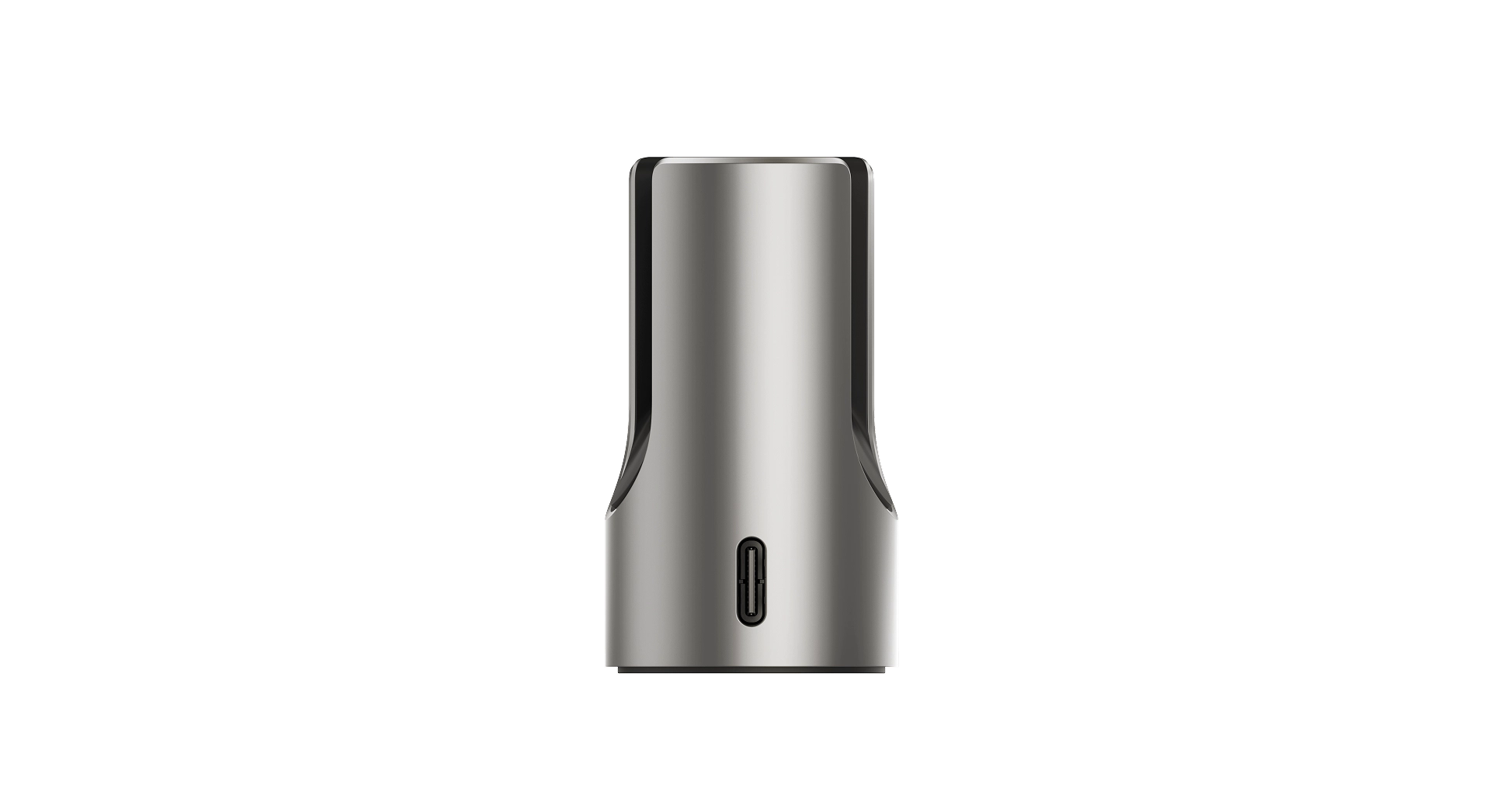
The Meta Charging Stand is a stationary docking station designed to complement the modern workspace or bedside table. Unlike the mobile charging case, which prioritizes portability and protection, the stand focuses on accessibility and rapid power delivery.
Technical Specifications and Performance
The stand is engineered to deliver power efficiently, capable of bringing the glasses to a 50% charge in just 20 minutes. A full 100% charge is achieved within an hour, matching the high-performance standards set by Meta’s second-generation eyewear.
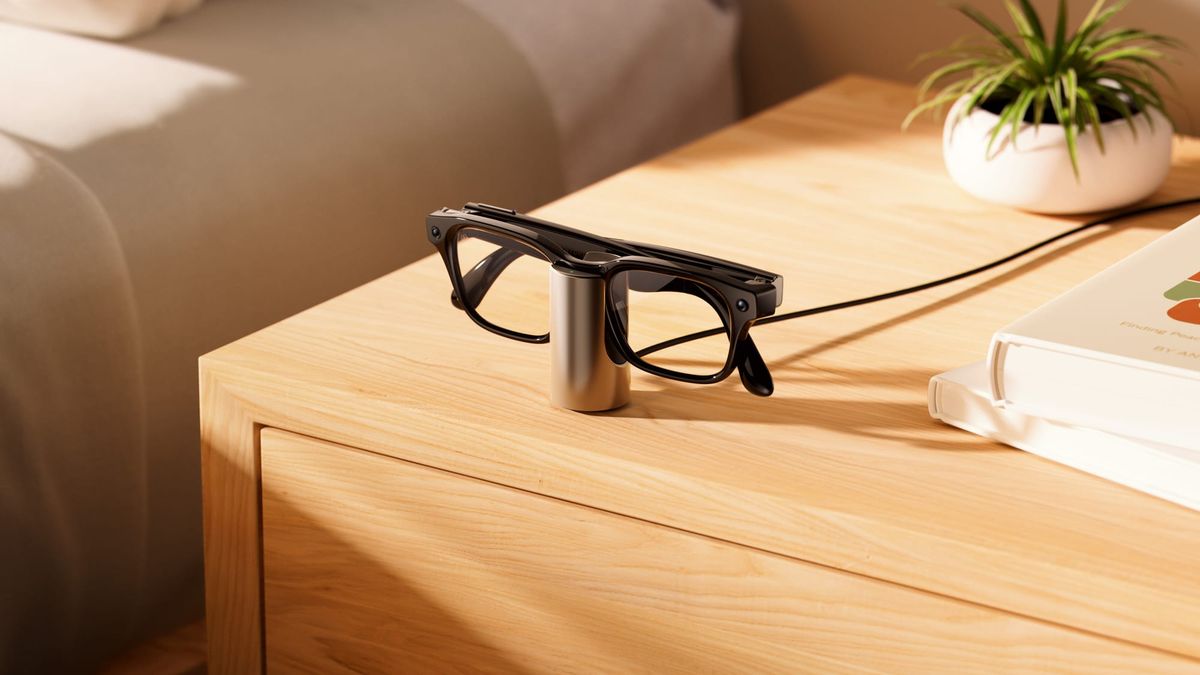
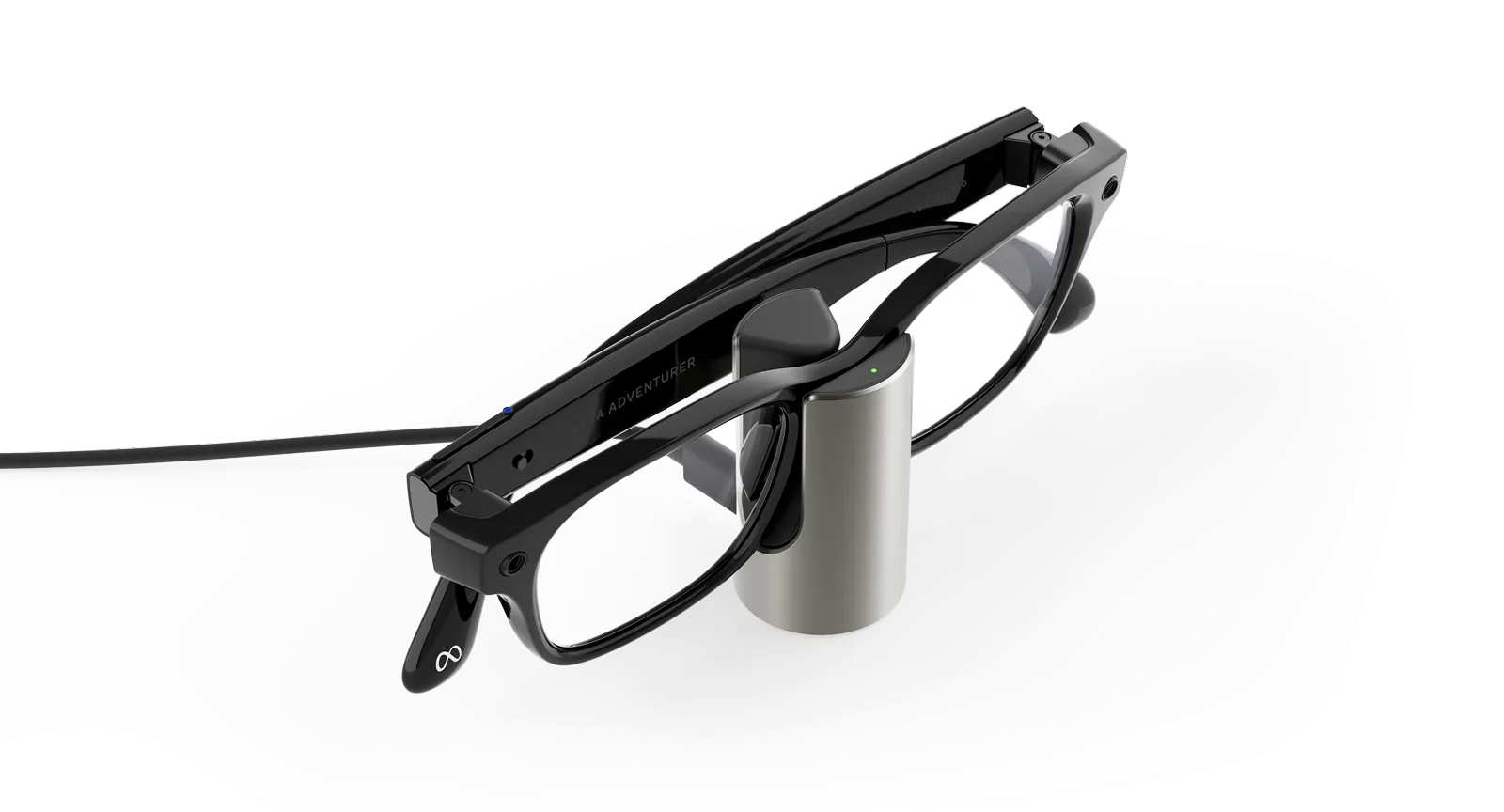
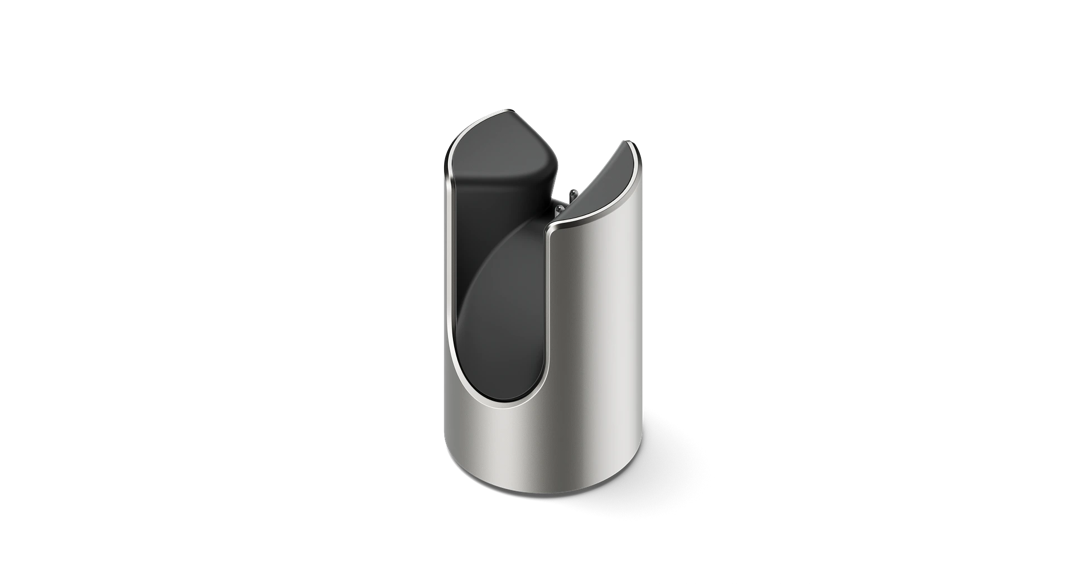
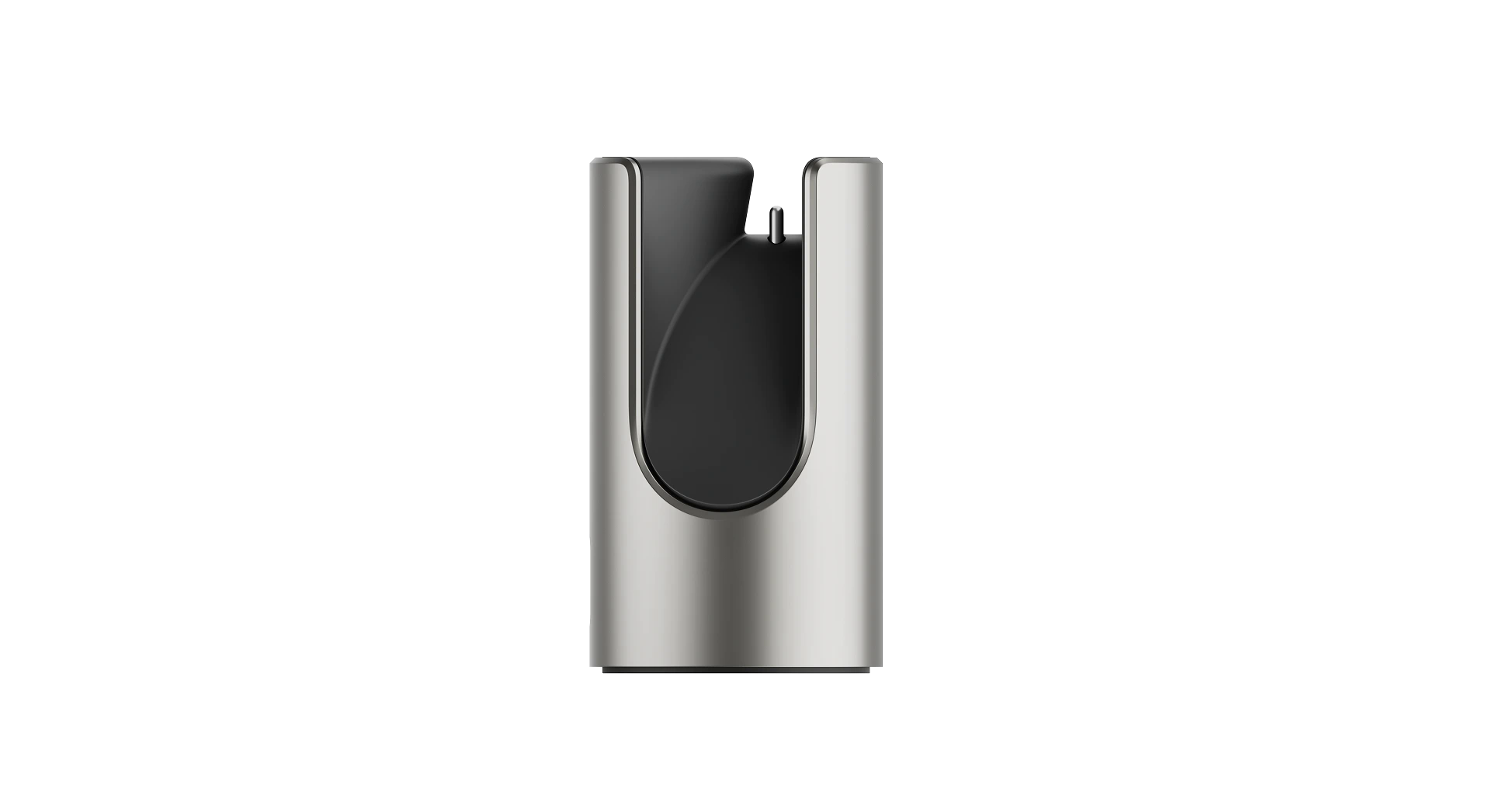
Constructed with a weighted stainless steel body and a non-slip silicone rubber footpad, the device weighs approximately 108 grams. This weight is intentional, providing the stability necessary to ensure that the glasses can be "docked" and "undocked" with one hand without the stand sliding across a surface.
Compatibility Matrix
One of the most critical aspects for consumers is the stand’s compatibility. It is designed to work with:
- Ray-Ban Meta Smart Glasses: Both Generation 1 (formerly Ray-Ban Stories) and the current Generation 2.
- Oakley Meta HSTN: The high-performance lifestyle variant.
- New Releases: The recently announced Meta Glasses "Starfire" Kylie Edition and the Ray-Ban Meta Optics Styles.
Notably, the stand is not compatible with the older Ray-Ban Display models or the Oakley Meta Vanguard, highlighting a shift in the internal charging contact configurations of Meta’s newer hardware iterations.
Chronology: From Ray-Ban Stories to a Full-Fledged Ecosystem
To understand the significance of a $60 charging stand, one must look at the timeline of Meta’s entry into the eyewear market.
2021: The Ray-Ban Stories Debut
Meta (then Facebook) partnered with EssilorLuxottica to launch Ray-Ban Stories. These were primarily "capture" devices—cameras on your face. They relied heavily on a bulky charging case that felt more like a tech accessory than a piece of eyewear.
2023: The Ray-Ban Meta Rebrand and AI Integration
The second generation dropped the "Stories" moniker in favor of "Ray-Ban Meta." These glasses introduced significantly better audio, a 12MP camera, and, crucially, Meta AI. The charging mechanism was refined, but the core experience still revolved around the flip-top leatherette case.
Early 2024: The Prescription Pivot
Meta realized that for smart glasses to succeed, they must replace regular glasses. The launch of "Optics Styles" allowed users to fit prescription lenses into the frames. For these users, the glasses never leave their face during the day.
Late 2024: The Accessory Expansion
With the announcement of the Starfire Kylie Edition and the focus on "all-day comfort," Meta identified a friction point: prescription users do not want to fumble with a folding case every night. The Charging Stand was developed to solve this specific "end-of-day" workflow, turning the act of charging into a simple gesture of "putting your glasses away."
Supporting Data: Efficiency, Materials, and the "No-Cable" Trend
The Meta Charging Stand enters a market where consumers are increasingly scrutinized by "accessory taxes." However, the data behind the stand’s design suggests a focus on durability and ergonomics.
Material Science and Weight Distribution
At 108 grams, the stand is roughly three times the weight of the glasses themselves. This ratio is a standard in premium desktop accessories (similar to high-end watch winders or phone docks) to ensure that the magnetic connection between the glasses and the charging pins doesn’t lift the stand when the user picks up the device. The choice of stainless steel over plastic serves two purposes: heat dissipation during rapid charging and long-term aesthetic durability.
Power Delivery Metrics
The stand utilizes a USB-C interface, reflecting the industry’s move toward universal standards. However, in a move that mirrors Apple and Samsung’s recent environmental (and cost-saving) policies, Meta does not include a USB-C cable or a power adapter in the box. Users are expected to provide their own 10W+ power brick to achieve the advertised 1-hour full-charge time.
The Value Proposition: Stand vs. Case
- Charging Case (Included with Glasses): Offers 32 hours of total battery life, protects lenses during travel, but requires two hands to open and dock.
- Charging Stand ($60): Offers zero portable battery capacity, provides no lens protection, but offers "zero-friction" docking and a smaller desktop footprint.
For the power user, the stand is a $60 upgrade for the sake of 5 seconds of saved time per day—a trade-off that has proven successful in the smartphone "wireless charging pad" market.
Official Responses and Market Positioning
While Meta has not issued a formal press release specifically for the stand, the product’s positioning on the Meta Store and its integration with the "Optics" marketing campaign speak volumes about the company’s intent.
Meta’s product descriptions emphasize the "premium finish" and "sleek design," aiming the product squarely at the "prosumer" and the prescription wearer. A Meta spokesperson previously noted that the goal of the Ray-Ban Meta line is to "disappear into the user’s life." The Charging Stand is the physical manifestation of that philosophy; it is a piece of furniture rather than a piece of tech.
Industry analysts suggest that by offering such accessories, Meta is signaling to investors that the smart glasses line is no longer an experiment. It is a product category with enough "stickiness" to support a secondary market of high-margin peripherals. This is a page taken directly from the "Apple Playbook"—building a lifestyle around the hardware.
Implications: The Future of Ambient Computing
The launch of the Meta Charging Stand has broader implications for the tech industry and the future of how we interact with our devices.
1. The Normalization of Wearable AI
By creating a "home base" for smart glasses, Meta is encouraging a habit loop. When a device has a dedicated, attractive place to sit, it is more likely to be charged and, consequently, more likely to be worn. This is essential for Meta’s AI strategy. Meta AI thrives on "eyes-on" time. If the glasses are dead in a drawer, the AI is useless. The stand ensures the glasses are always ready for the next "Hey Meta" query.
2. The Luxury Tech Crossover
The use of stainless steel and the $60 price point moves the conversation away from "cheap plastic VR accessories" toward "luxury tech." This aligns Meta with brands like EssilorLuxottica, positioning the company as a fashion player. We can expect more high-end materials—perhaps leather-wrapped docks or wood-grain finishes—as the "Starfire" and other designer editions roll out.
3. Ecosystem Lock-in
Once a user spends $300 on glasses and $60 on a dedicated stand, the "switching cost" to a competitor (like potential offerings from Apple or Google) becomes higher. The stand anchors the user to the Meta ecosystem, both literally and figuratively.
4. The Prescription Paradigm
As Meta pushes the "Optics Styles," they are targeting the 60% of the global population that requires vision correction. For these people, glasses are a medical necessity. A charging stand transforms the glasses from a "gadget" into a "utility," much like a bedside lamp or a watch stand. This shift is subtle but vital for the mass adoption of AR-lite technology.

Conclusion
The Meta Charging Stand is more than just a $60 piece of metal; it is a declaration of confidence in the smart glasses category. While it may not be a "strictly necessary" purchase for the casual user, it provides a glimpse into a future where our eyewear is as much a part of our digital infrastructure as our smartphones. For the prescription wearer and the tech enthusiast, the convenience of a 20-minute rapid charge and a dedicated "drop-and-go" dock may well justify the premium price tag. As Meta continues to bridge the gap between fashion and function, the Charging Stand stands as a small but sturdy pillar of that bridge.