The Dawn of a Civilization: Unpacking Egypt’s Early Dynastic Period
Giza, Egypt – In the annals of human history, few periods are as foundational and transformative as Egypt’s Early Dynastic Period, spanning from approximately 3150 to 2613 BCE. This pivotal era marks the birth of a unified Egyptian state, the establishment of divine kingship, and the nascent development of a distinctive culture that would captivate the world for millennia. Far from being a mere prelude, this period laid the intricate groundwork for the monumental achievements of the Old Kingdom and beyond, shaping the very identity of ancient Egypt.
Main Facts: A Nation Forged
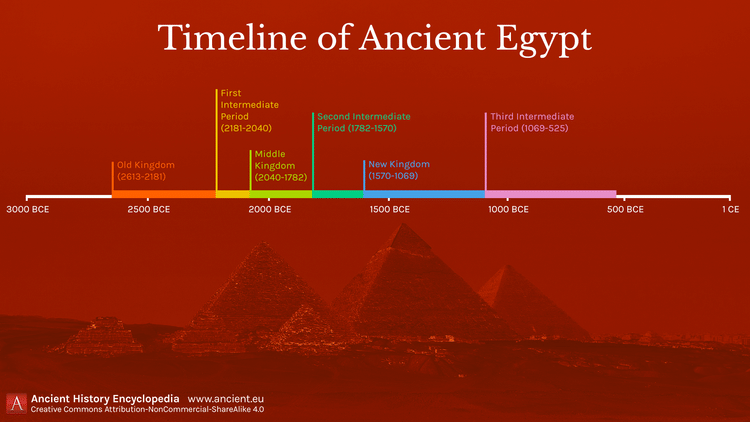
The Early Dynastic Period represents the critical transition from disparate, agriculturally-based communities of the Predynastic era to a centralized, complex society. It was during these centuries that the regions of Upper Egypt (the south) and Lower Egypt (the north) were formally united under a single government, heralding the establishment of an enduring kingdom along the Nile. Kingship, as a political and religious institution, was firmly cemented, with rulers initially referred to simply as "kings" and addressed with reverence as "your majesty." The iconic title of "pharaoh," derived from the Egyptian pero or per-a-a meaning "Great House" (referencing the royal palace), would not come into common usage until the later New Kingdom (circa 1570-1069 BCE).
Beyond political consolidation, this period witnessed a flourishing of culture. Writing, in the form of hieroglyphs, began its sophisticated evolution, enabling administrative records, religious texts, and historical narratives. Concurrent advancements in arts, sciences, and architectural techniques provided the essential tools and intellectual framework for the grand projects that would define Egyptian civilization. While modern historians delineate this period with specific dates, it is crucial to understand these as scholarly constructs, facilitating the study of Egypt’s long history by segmenting its cohesive developmental phases. The ancient Egyptians themselves did not categorize their history with such precise demarcations; their worldview was one of continuity and eternal cycles.
Chronology: Dynasties of Unification and Innovation
The Early Dynastic Period is traditionally divided into three dynasties: the First, Second, and Third Dynasties. Each contributed uniquely to the evolving Egyptian state, marked by both periods of consolidation and internal challenges.
Egypt’s Unification & The First King: A Contentious Origin Story
The narrative of Egypt’s unification is shrouded in both historical record and archaeological debate. According to Manetho, a 3rd-century BCE Greco-Egyptian priest whose chronology remains a vital, albeit often problematic, source, the first king of a united Egypt was Menes. Manetho described Menes as a king from Upper Egypt, possibly from Thinis or Hierakonpolis, who aggressively conquered the surrounding city-states and subsequently subjugated Lower Egypt.
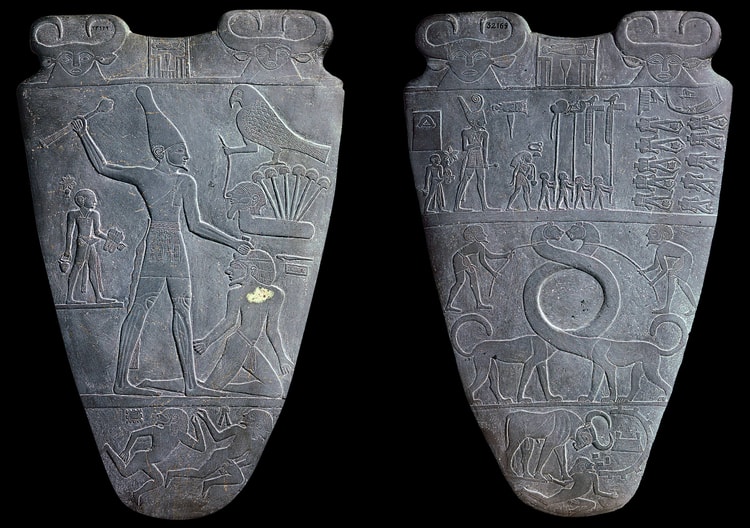
However, extensive archaeological evidence has not fully corroborated Manetho’s account of Menes as a singular, undisputed figure. Modern scholarship increasingly points to Narmer as the likely unifier. The most compelling piece of evidence is the Narmer Palette, an exquisitely carved ceremonial slab dating to circa 3100 BCE. This artifact vividly depicts a king, positively identified as Narmer, in scenes interpreted by many as military conquest over Lower Egypt. One side shows Narmer, wearing the White Crown of Upper Egypt, striking a kneeling foe, while the reverse depicts him wearing the Red Crown of Lower Egypt, surveying decapitated enemies.
This interpretation, however, is not without its challenges. Scholar Marc Van de Mieroop notes, "That Egypt was created through military means is a basic concept expressed in the art of the period. A sizeable set of stone objects, including ceremonial mace-heads and palettes, contain scenes of war and fighting between men, between animals, and between men and animals." Yet, he adds a crucial nuance: "Whereas in the past, Egyptologists read the scenes of war literally as records of actual events, today they prefer to see them as stereotypical statements of kingship and the king’s legitimacy" (33).
This shift in interpretation introduces a significant methodological dilemma. If the Narmer Palette’s depictions are symbolic of royal power rather than literal historical events, then how should later, equally vivid depictions of warfare—such as those of Ramesses II at the Battle of Kadesh—be interpreted? Van de Mieroop acknowledges the difficulty, stating, "This new approach makes it impossible to date the unification of Egypt or attribute it to a specific individual on the basis of these representations" (33-34). Nevertheless, he concedes that "the art of the period shows that the Egyptians linked unification with conflict" (34).
Scholar Douglas J. Brewer offers a compelling resolution to the Menes/Narmer conundrum. He suggests that "Menes," meaning "He who endures," may have been a royal title rather than a personal name, making it entirely plausible to identify Narmer as the enduring first king. Furthermore, Brewer posits that the Narmer Palette and similar inscriptions "perpetuate a culturally accepted scenario and, therefore, should perhaps be regarded as a monument commemorating an achieved state of unity rather than depicting the process of unification itself" (141).
Brewer and others propose that unification was "most likely a slow process stimulated by economic growth" (142). Upper Egypt, seemingly more prosperous, gradually absorbed the lands of Lower Egypt over time, driven by a growing need for resources and expanded trade networks. Regardless of the precise identity of the unifier, whether Narmer or a composite "Menes," this foundational act established the enduring framework for one of the ancient world’s greatest civilizations.
Egypt’s First Dynasty (circa 3150-2890 BCE): Laying the Foundations
The First Dynasty began with the unification attributed to Menes/Narmer. Egyptologist Flinders Petrie (1853-1942) was among the first to accept Narmer as the inaugural king, arguing that "Menes" and "Narmer" referred to the same individual. Petrie and his successors contended that even if unification was achieved peacefully, maintaining the newly formed kingdom undoubtedly required military strength, thus explaining Narmer’s martial depictions.
King Narmer (circa 3150 BCE), likely originating from Thinis, solidified his rule through strategic alliances, notably marrying Princess Neithhotep of Naqada. His reign saw military expeditions into Lower Egypt to suppress rebellions and territorial expansion into regions like Canaan and Nubia. Narmer initiated significant building projects, fostering an increase in urbanization. However, Egyptian cities, perhaps learning from the pitfalls of Mesopotamian urban centers (which often succumbed to resource depletion and pollution), remained relatively smaller, allowing for sustained existence over millennia, a model initiated by early kings like Narmer.
The question of Neithhotep’s rule following Narmer’s death remains a subject of scholarly debate. Her tomb, discovered in the 19th century, was exceptionally grand, comparable to that of a king, suggesting a status far exceeding a mere royal consort. Furthermore, her name has been found inscribed in serakhs (royal insignia), a practice typically reserved for rulers. While her reign is not definitively attested, she stands as a powerful symbol of early female influence at the heart of Egyptian power.
Narmer was likely succeeded by his son, Hor-Aha (circa 3100 BCE), though some theories propose he was the same person as Narmer. Hor-Aha continued his father’s military and trade expansion but also showed a keen interest in religion and the concept of the afterlife. It was under his reign that the mastaba tomb—a flat-roofed, rectangular structure with sloping sides, serving as an "eternal house" for the deceased—began to develop.
Djer (circa 3050 BCE), Hor-Aha’s son, maintained the established policies. His successor, Djet (circa 3000 BCE), married Princess Merneith. Upon Djet’s death, Merneith is widely believed to have assumed control, either as a powerful regent for her young son Den or as a ruling queen in her own right. Her reign marks a monumental first: the earliest attested instance of a woman wielding significant power in ancient Egypt.
Den (circa 2990 BCE), Merneith’s son, is celebrated as the greatest king of the First Dynasty, ruling for an impressive 50 years. His long and stable reign fostered economic prosperity, military success, and a flourishing of arts and architecture. Den is the first ruler depicted wearing the unified crowns of Upper and Lower Egypt, unequivocally symbolizing his dominion over a united nation.
The First Dynasty concluded with Anedjib, Semerkhet, and Qa’a, whose reigns were reportedly plagued by internal insurrections. The dynastic struggles following Qa’a’s death were eventually quelled by Hotepsekhmenwy, who founded the Second Dynasty.
Egypt’s Second Dynasty (circa 2890-2670 BCE): Challenges and Divine Connections
The Second Dynasty is characterized by internal conflict, political instability, and a scarcity of verifiable records, leading to considerable confusion among scholars regarding its rulers and their precise chronology.
Hotepsekhmenwy, whose name translates to "two powerful ones are at peace," ascended to the throne, ostensibly bringing an end to the succession struggles following Qa’a’s death. However, his name being inscribed on the entranceway to Qa’a’s tomb suggests he was responsible for Qa’a’s burial, implying he held the name and possibly even power before the post-Qa’a conflict fully erupted. This paradox complicates the narrative of a swift resolution. Despite his name, Hotepsekhmenwy’s reign was largely marked by unrest and rebellion.
He was succeeded by Raneb (also known as Nebra), a pivotal figure who was the first king to explicitly link his name to that of the gods, thereby establishing a profound and lasting connection between the monarch and the divine realm. This innovation laid the groundwork for the concept of the king as a living god, a central tenet of Egyptian kingship for millennia.
Successive kings, Nynetjer and Senedji, continued to grapple with the civil problems of the nation, and historical information about their specific accomplishments remains scarce.
Peribsen (also known as Seth-Peribsen) stands as one of the most controversial figures of this dynasty. He made the unprecedented decision to abandon the traditional alignment with the Horus cult, instead embracing the god Set. This was highly unusual in Egyptian religion, where Horus, son of Osiris, was the triumphant deity who restored cosmic harmony by defeating Set, the embodiment of chaos. Early theories suggested Peribsen was a monotheist who declared Set the sole god, but archaeological evidence of continued polytheistic worship disproved this. Another theory proposed a political motivation, that Peribsen, whose name is primarily recorded in Upper Egypt, sought to distance himself from the Horus cult strongholds of Lower Egypt.
However, the discovery of the first complete sentence written in ancient Egypt, found in Peribsen’s tomb, challenges this interpretation. It reads: "The golden one, he of Ombos, hath unified and handed over the two realms to his son, the king of Lower and Upper Egypt, Peribsen." "He of Ombos" refers to Set, indicating that Set blessed Peribsen’s rule and that Egypt was indeed unified under him. Despite the religious controversy, Peribsen is generally considered an effective ruler, under whom trade, the economy, religious practices, and the arts flourished.
Peribsen was succeeded by Khasekhemwy, possibly his son. Khasekhemwy is credited with successfully unifying Egypt once again or, at the very least, significantly strengthening its cohesion after a period of internal strife. He is celebrated for his extensive building projects at Hierakonpolis and Abydos and is historically significant as the father of Djoser, the renowned pharaoh of the Third Dynasty.
Egypt’s Third Dynasty (circa 2670-2613 BCE): The Birth of Monumental Stone Architecture
The Third Dynasty, traditionally linked with the onset of the Old Kingdom due to its association with the earliest pyramids, is now increasingly reclassified by scholars as the concluding phase of the Early Dynastic Period. This re-evaluation stems from its greater cultural and technological affinities with the preceding dynasties than with the later Fourth Dynasty, which truly ushered in the grand age of the "true" pyramids.
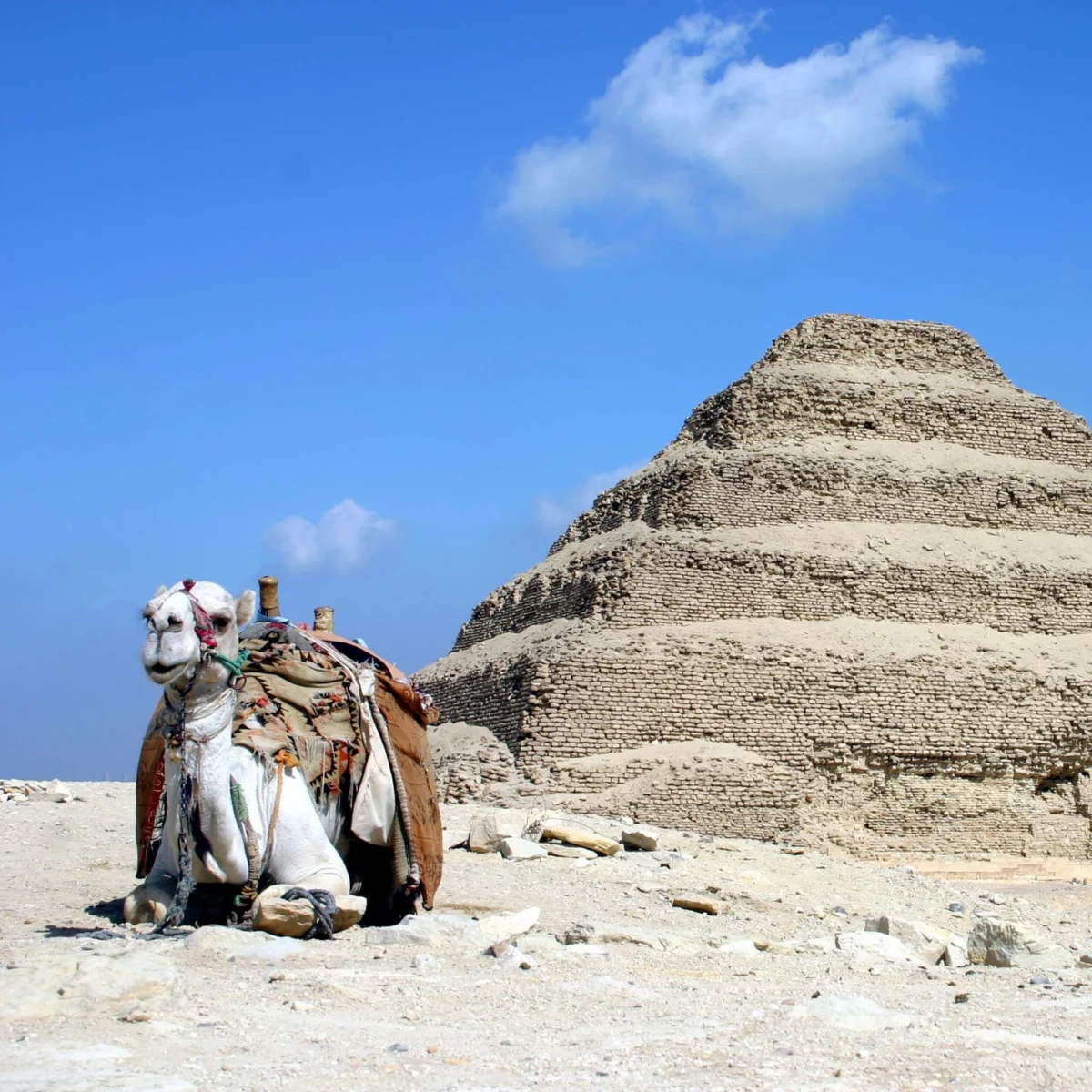
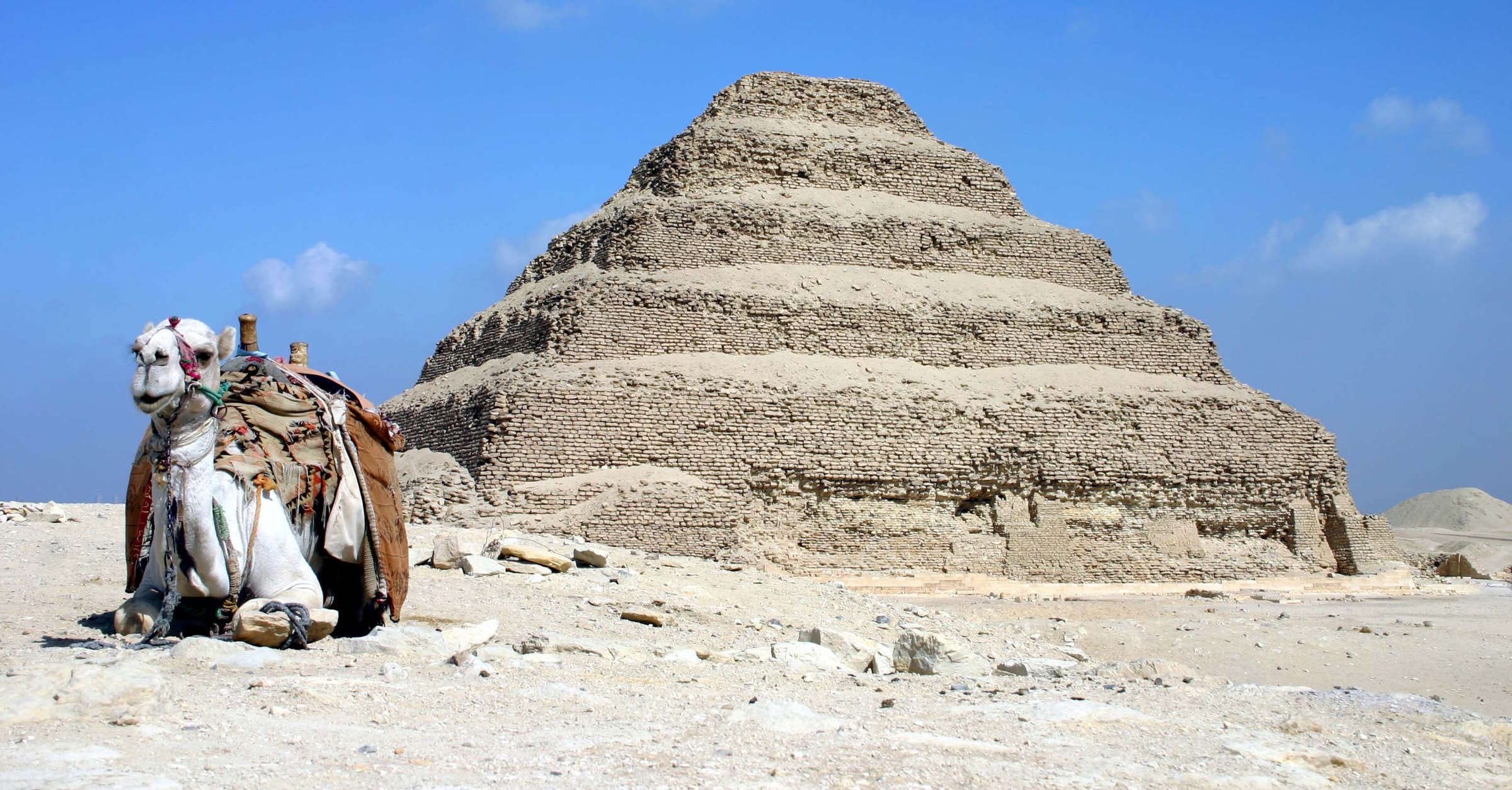
Djoser (circa 2670 BCE) is arguably the most famous king of the Third Dynasty, renowned for commissioning the world’s first known monumental stone building: the Step Pyramid at Saqqara. This architectural marvel, designed by his brilliant vizier Imhotep, was not a true pyramid in the later Giza style but rather an elaborate, "stacked" mastaba—a revolutionary leap from mudbrick to dressed stone. It served as Djoser’s eternal home, its innovative design setting the precedent for all subsequent pyramid construction.
Djoser’s reign, likely lasting around 20 years (though once thought to be 30 due to his numerous monuments), brought unprecedented stability to Egypt. He launched military campaigns into the Sinai Peninsula and maintained a strong, cohesive nation, providing the secure environment necessary for such ambitious building projects and a flourishing of the arts.
He was followed by Sekhemket and Khaba, both of whom also initiated pyramid projects, the Buried Pyramid and the Layer Pyramid, respectively, along with other monuments. The Third Dynasty concluded with the reign of Huni (circa 2630-2613 BCE), about whom little specific information is known. Upon his death, he was succeeded by Snefru, who would establish the Fourth Dynasty and officially usher in the magnificent era known as the Old Kingdom of Egypt.
Supporting Data: Unveiling Ancient Truths
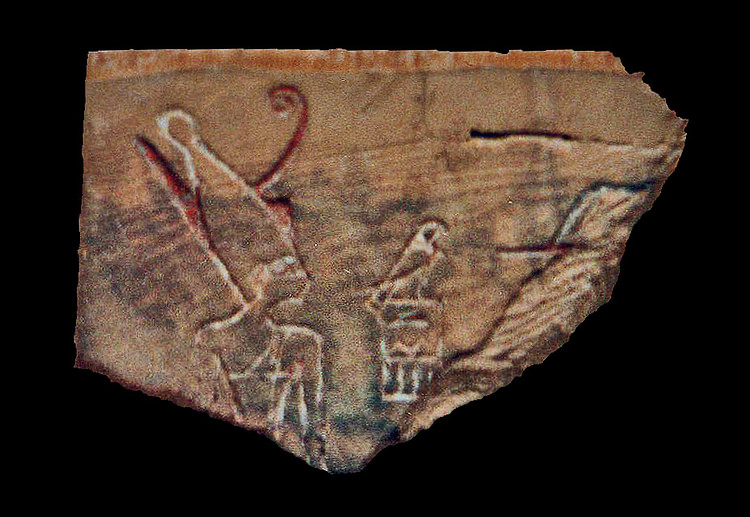
The understanding of the Early Dynastic Period relies heavily on a mosaic of archaeological findings and textual records. The Narmer Palette, discussed above, remains a cornerstone, offering a glimpse into early royal iconography and the perception of kingship. Other artifacts, such as ceremonial mace-heads and tomb inscriptions, provide crucial details about rulers, their families, and their accomplishments.
The tombs of this period, particularly the mastabas, are rich sources of information. Their structure, contents, and inscriptions reveal evolving beliefs about the afterlife, social hierarchies, and the material culture of the elite. The discovery of Neithhotep’s tomb, for instance, offered invaluable insights into the status of royal women. Similarly, the first complete sentence in hieroglyphs found in Peribsen’s tomb is a linguistic landmark, providing direct evidence of the sophisticated written language emerging at the time.
King lists, like those compiled by Manetho centuries later or the Turin King List, offer chronological frameworks, though they must be critically evaluated against archaeological data. Modern dating techniques, such as radiocarbon dating, also contribute to refining the timeline. The ongoing process of excavation and re-evaluation of existing artifacts continually enriches our understanding, often challenging long-held assumptions and sparking new debates among scholars.
Official Responses: Interpreting the Past
In a historical context, "official responses" can refer to how the ancients themselves recorded and presented their history, as well as how modern academia interprets these records. The concept of "official" in ancient Egypt was often intertwined with royal propaganda and the presentation of an ideal state. The Narmer Palette, regardless of its literal truth, served as an "official response" of the time, projecting an image of a powerful, unifying king. Manetho’s chronology, while a later compilation, became the "official" historical framework for subsequent classical historians.
However, modern scholarship provides its own "official responses" through consensus and peer-reviewed research. The debate between literal and symbolic interpretations of early art, as highlighted by Van de Mieroop, represents an ongoing "official response" of the academic community to the challenges of historical reconstruction. The shift in classifying the Third Dynasty, for example, is a recent "official response" to a more nuanced understanding of cultural and technological continuity. These scholarly "responses" are dynamic, constantly evolving as new evidence emerges and analytical methodologies improve.
Implications: A Legacy Cast in Stone and Spirit
The Early Dynastic Period was a crucible where the fundamental elements of Egyptian civilization were forged, leaving an indelible legacy that would resonate for millennia.
Cultural and Technological Advancements: This era saw revolutionary strides. The creation of a solar calendar, essential for managing agricultural cycles tied to the Nile’s inundation, was a monumental achievement. The development of hieroglyphic writing not only facilitated administration but also enabled the codification of religious beliefs, laws, and historical memory. Knowledge in sciences (astronomy, medicine), arts (sculpture, relief carving, metalwork), and agriculture (irrigation, crop management) all advanced significantly. The technology required to quarry, transport, and precisely assemble massive stone blocks for structures like the Step Pyramid was nothing short of extraordinary.

Religious and Philosophical Sensibility: Perhaps the most profound implication of this period was the profound development of Egyptian religious and philosophical thought, which would underpin the entire civilization. The concept of ma’at—cosmic harmony, justice, truth, and balance—became widely valued and central to kingship and societal order. This period also solidified the understanding that earthly life was but one stage of an eternal journey, leading to the intricate development of beliefs surrounding the Egyptian afterlife. As scholar Margaret Bunson notes, "This led to an emerging sense of the ‘other’ in the world, to the concept of eternity and spiritual values. Egyptians were taught that they were truly one with the divine and with the cosmos" (78).
This profound belief in eternity and the interconnectedness of all life became the defining characteristic of Egyptian culture. It informed every monument, temple, and building they created, culminating in the awe-inspiring pyramids that stand today as enduring testaments to a civilization born in the Early Dynastic Period, where kings became gods, and a unified nation embarked on an unprecedented journey through time. The foundations laid in these early centuries proved robust enough to support one of the longest-lasting and most influential civilizations in human history.