Meta’s Strategic Pivot: Democratizing Smart Eyewear with the New "Meta Glasses" Line
In a move that signals a significant shift in its hardware strategy, Meta has officially unveiled a new tier of smart glasses designed to bridge the gap between high-end fashion and mass-market utility. Moving away from the exclusive reliance on the premium Ray-Ban logo, the tech giant has introduced the "Meta Glasses" range—a more affordable, unbranded alternative that retains the sophisticated internals of the Ray-Ban Meta Gen 2 while offering a streamlined, functional design.
The launch, which includes the "Adventurer" and "Fury" styles, is accompanied by a high-profile celebrity collaboration with Kylie Jenner and the introduction of a dedicated desktop charging ecosystem. This multi-pronged approach suggests that Meta is no longer content with smart glasses being a niche luxury item; it is positioning them as an essential, everyday consumer electronic.
I. Main Facts: The Entry of the "Meta Glasses" Range
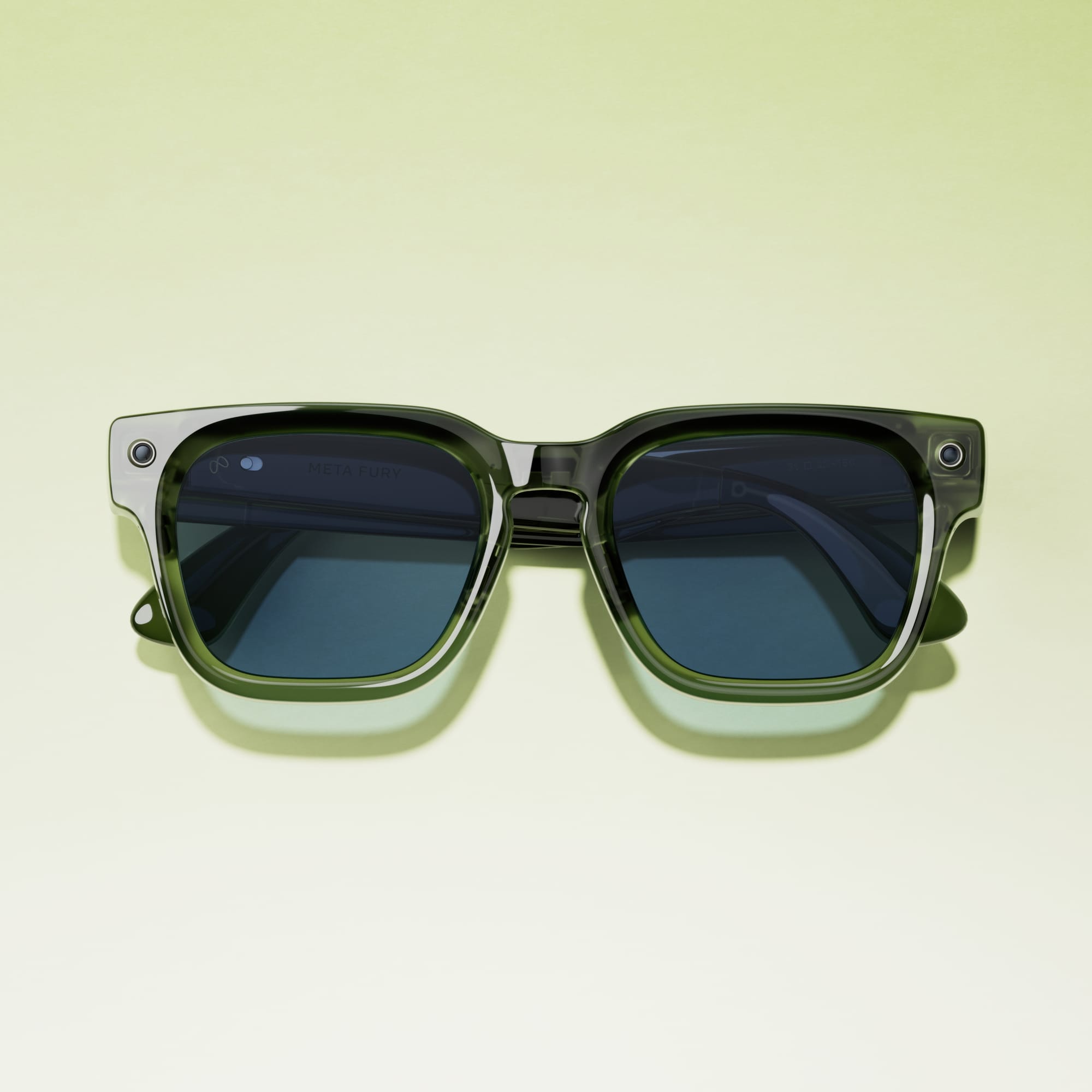
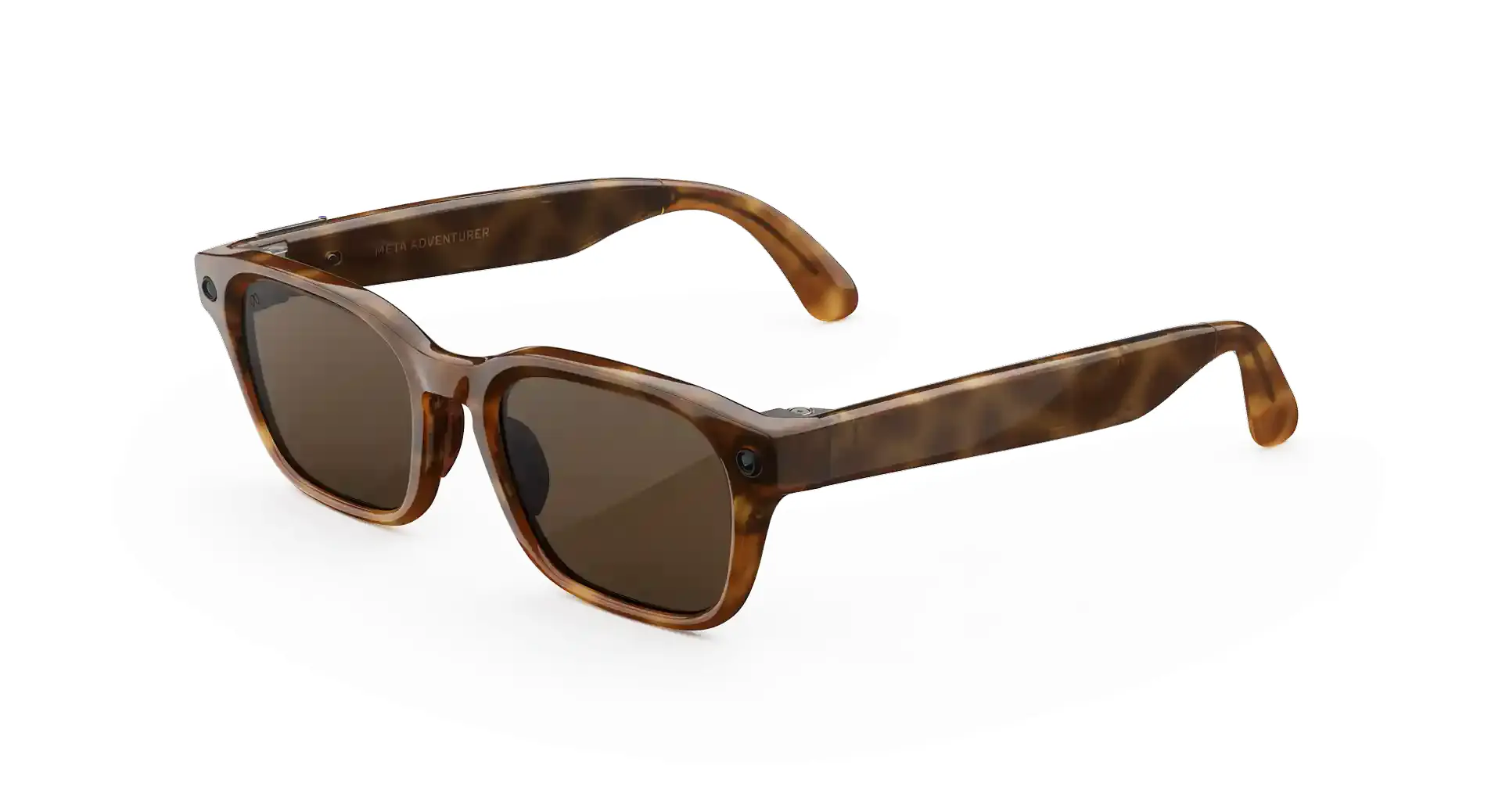
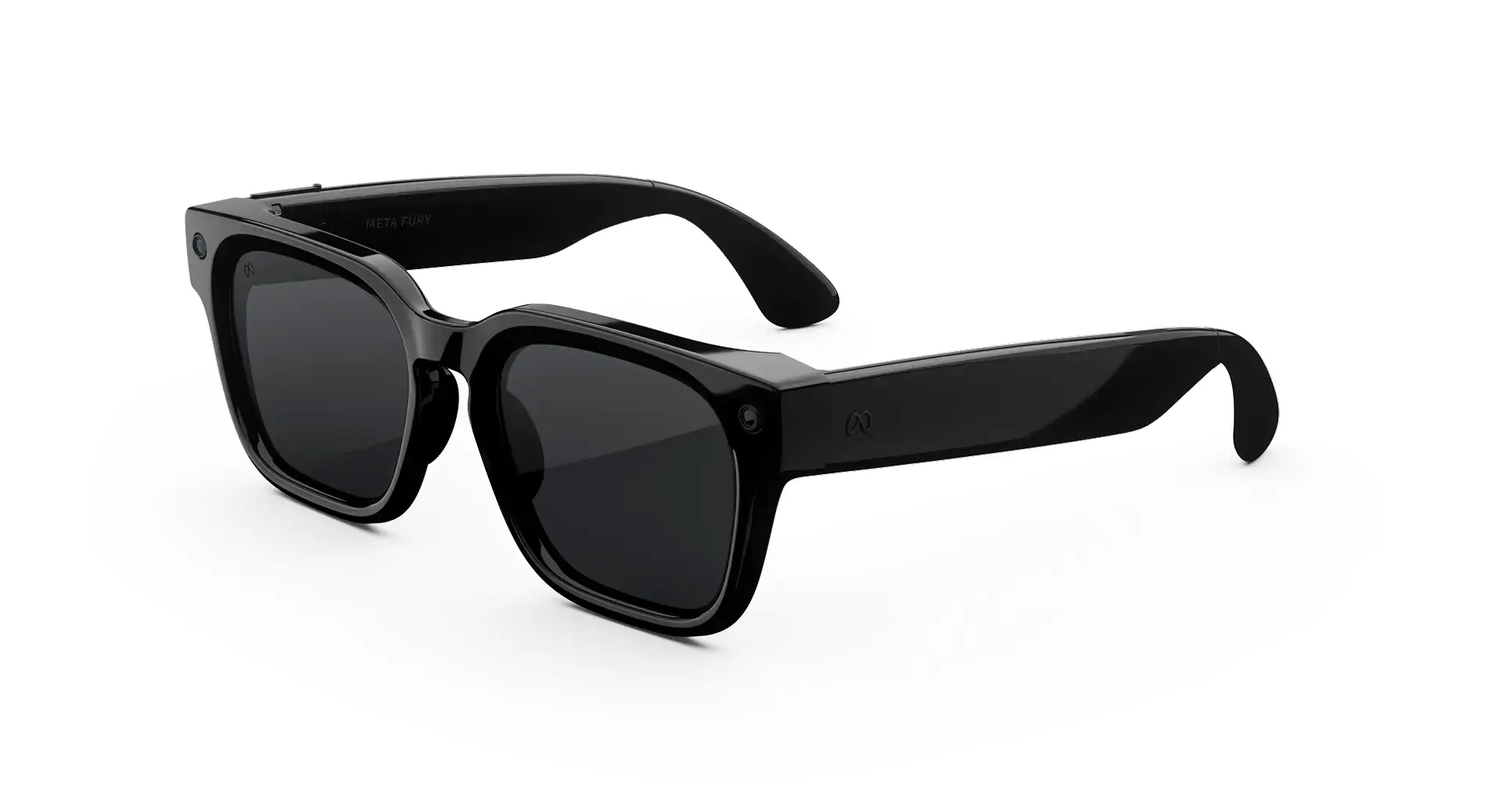
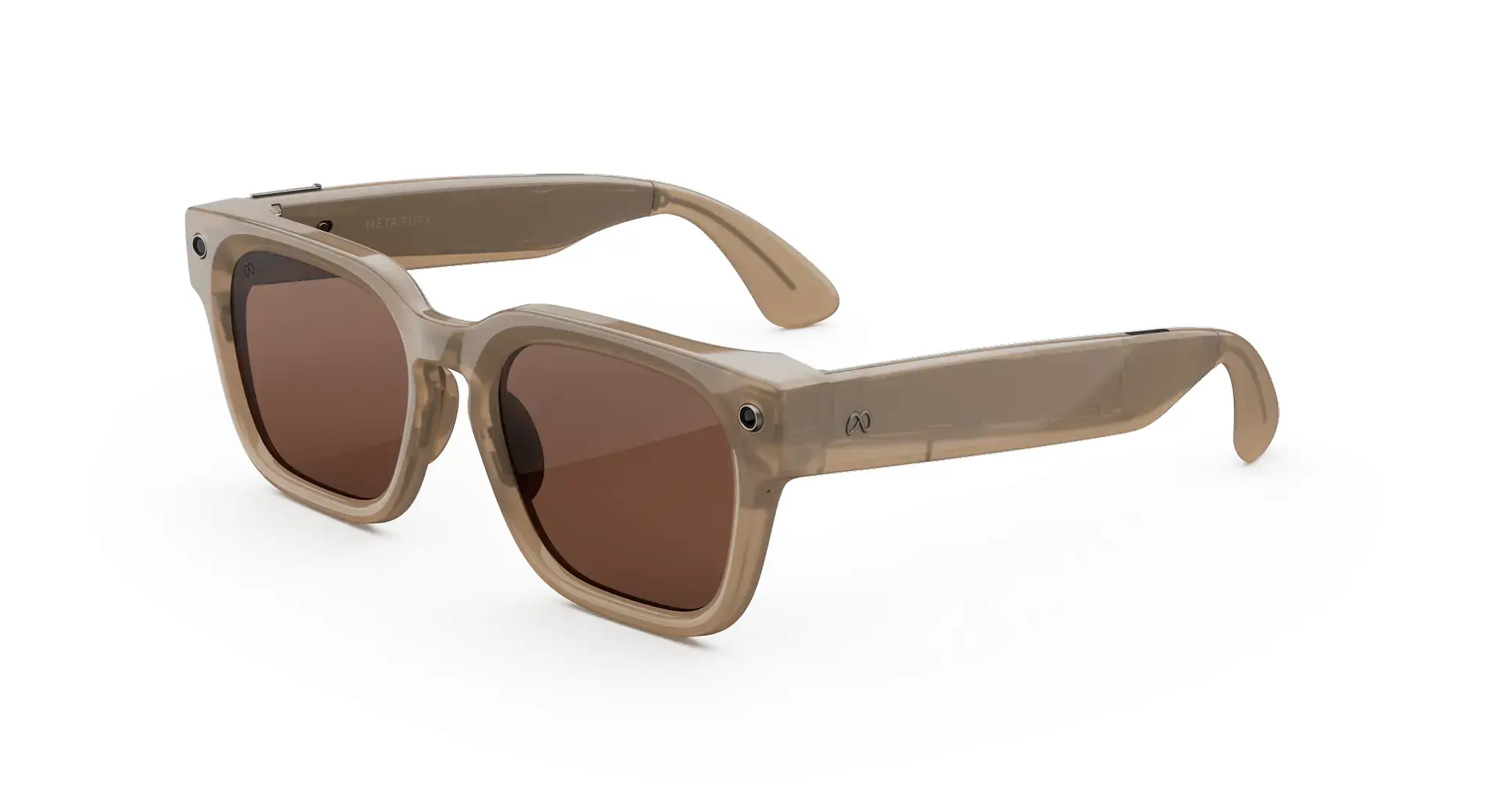
The core of this week’s announcement is the introduction of two new frame styles: the Adventurer and the Fury. These products represent a "white label" approach to the technology developed alongside eyewear titan EssilorLuxottica. While the Ray-Ban branding has been removed to lower the entry price, the partnership between the two companies remains the backbone of the hardware.
Technical Parity with Premium Models
The most striking feature of the new Meta Glasses is that they do not compromise on performance. Despite a starting price of $300—an $80 discount compared to the Ray-Ban Meta Gen 2—the internal specifications are identical to their more expensive counterparts. Users receive:
- 3K Video Recording: High-fidelity capture capabilities for first-person content.
- Advanced Chipset: The same processing power found in the Gen 2 series, ensuring smooth AI interactions and connectivity.
- Integrated Audio: Open-ear speakers and a multi-microphone array for calls and voice commands.
- Battery Life: Doubled compared to the original Ray-Ban Stories, providing several hours of active use.
Design and Aesthetics
Meta is offering these glasses in two distinct silhouettes to appeal to a broad demographic:
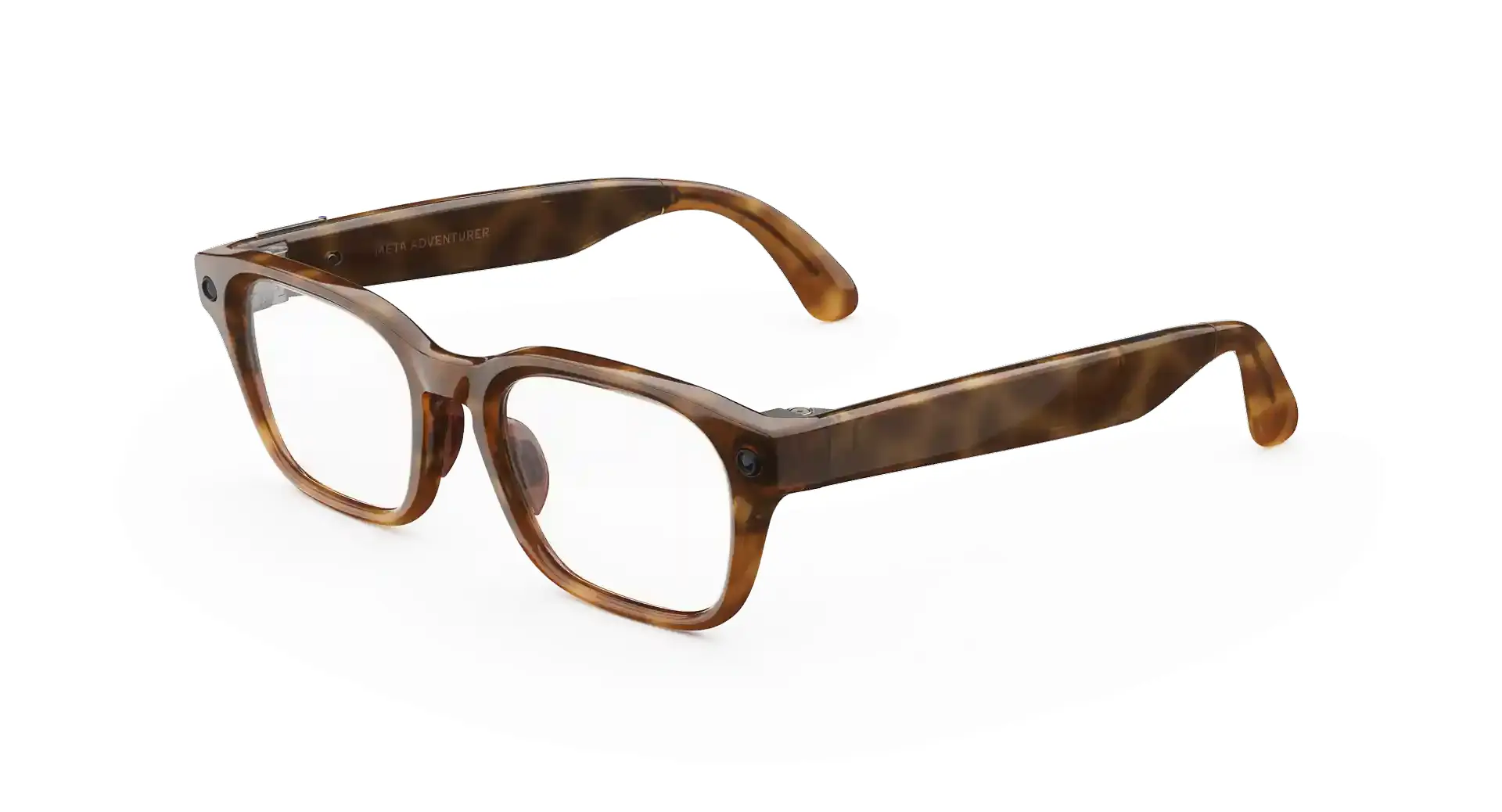
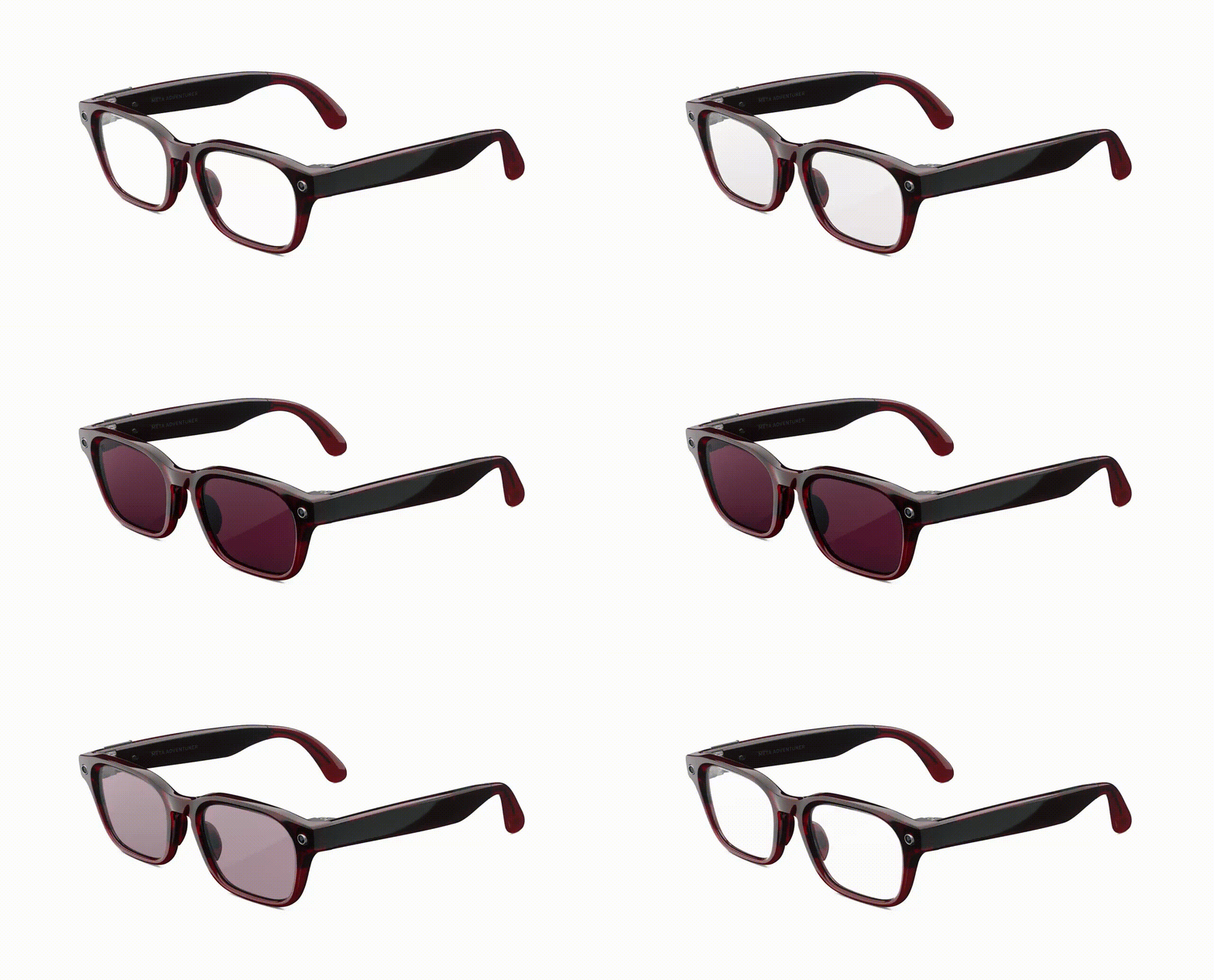
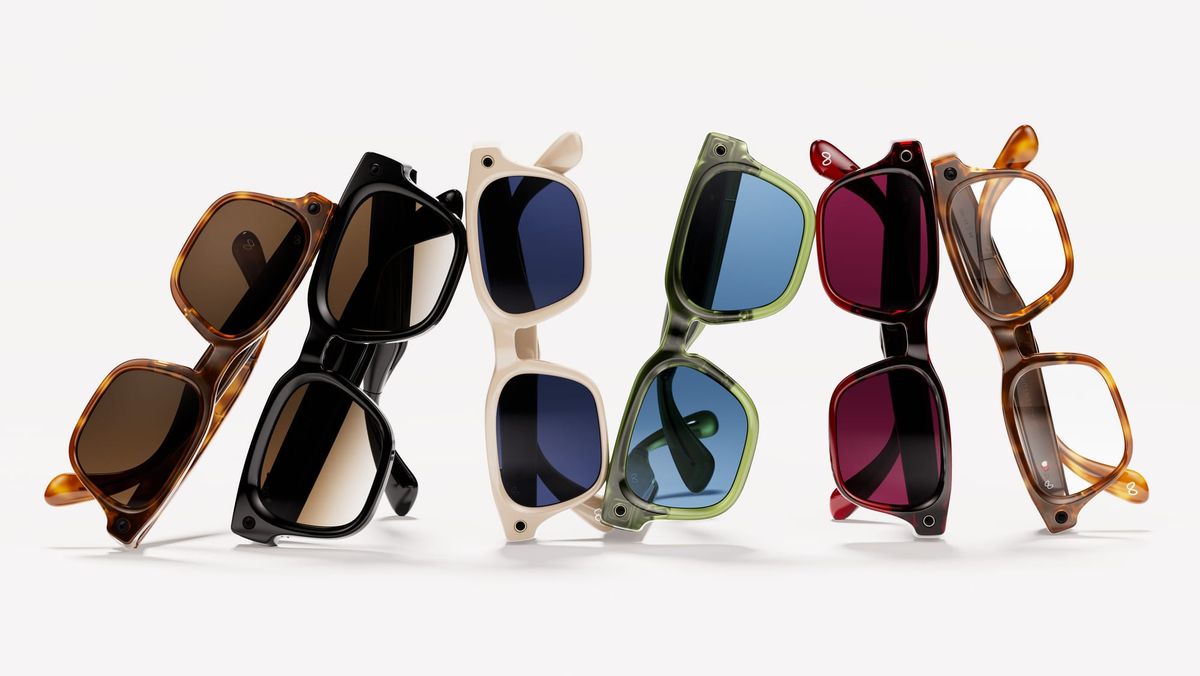
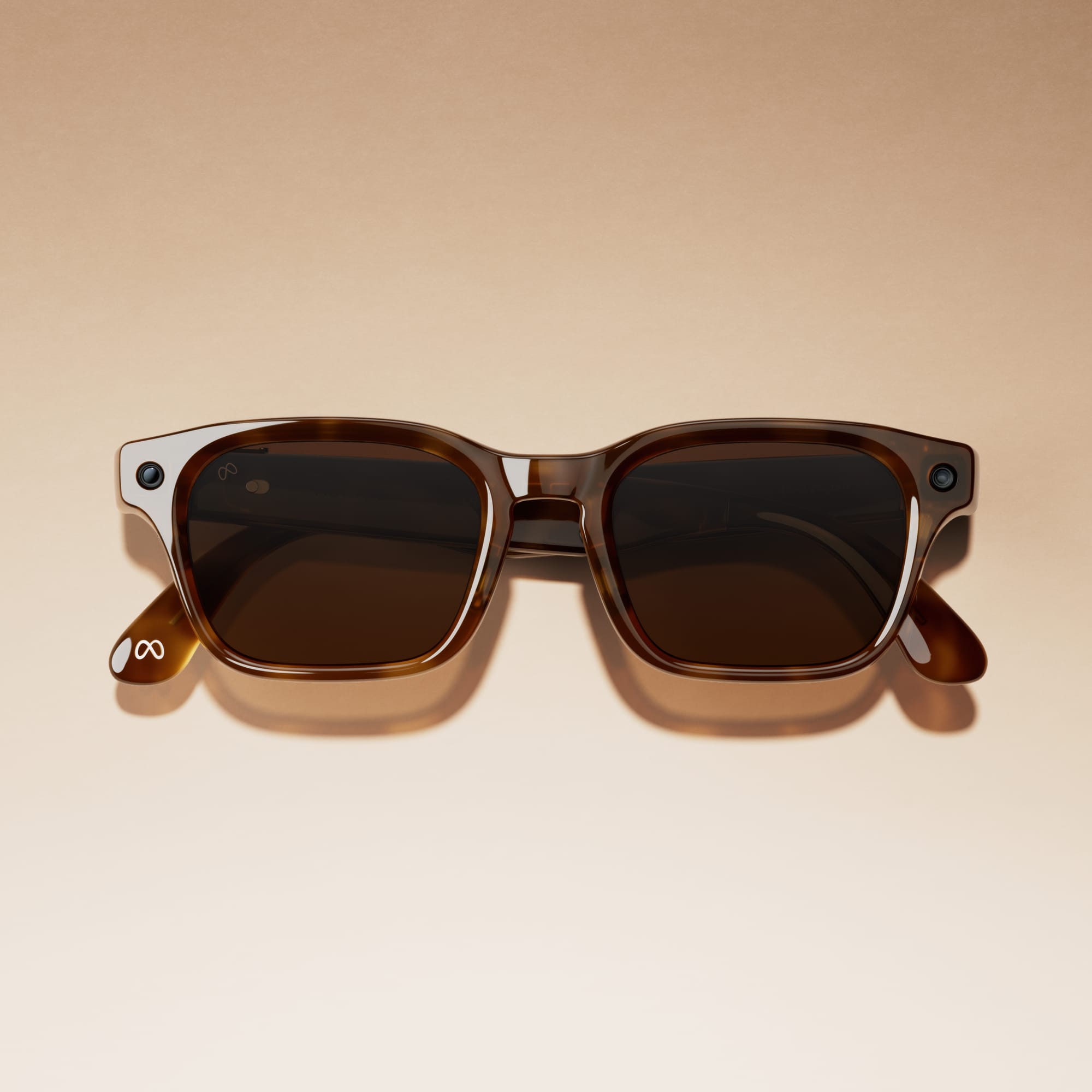
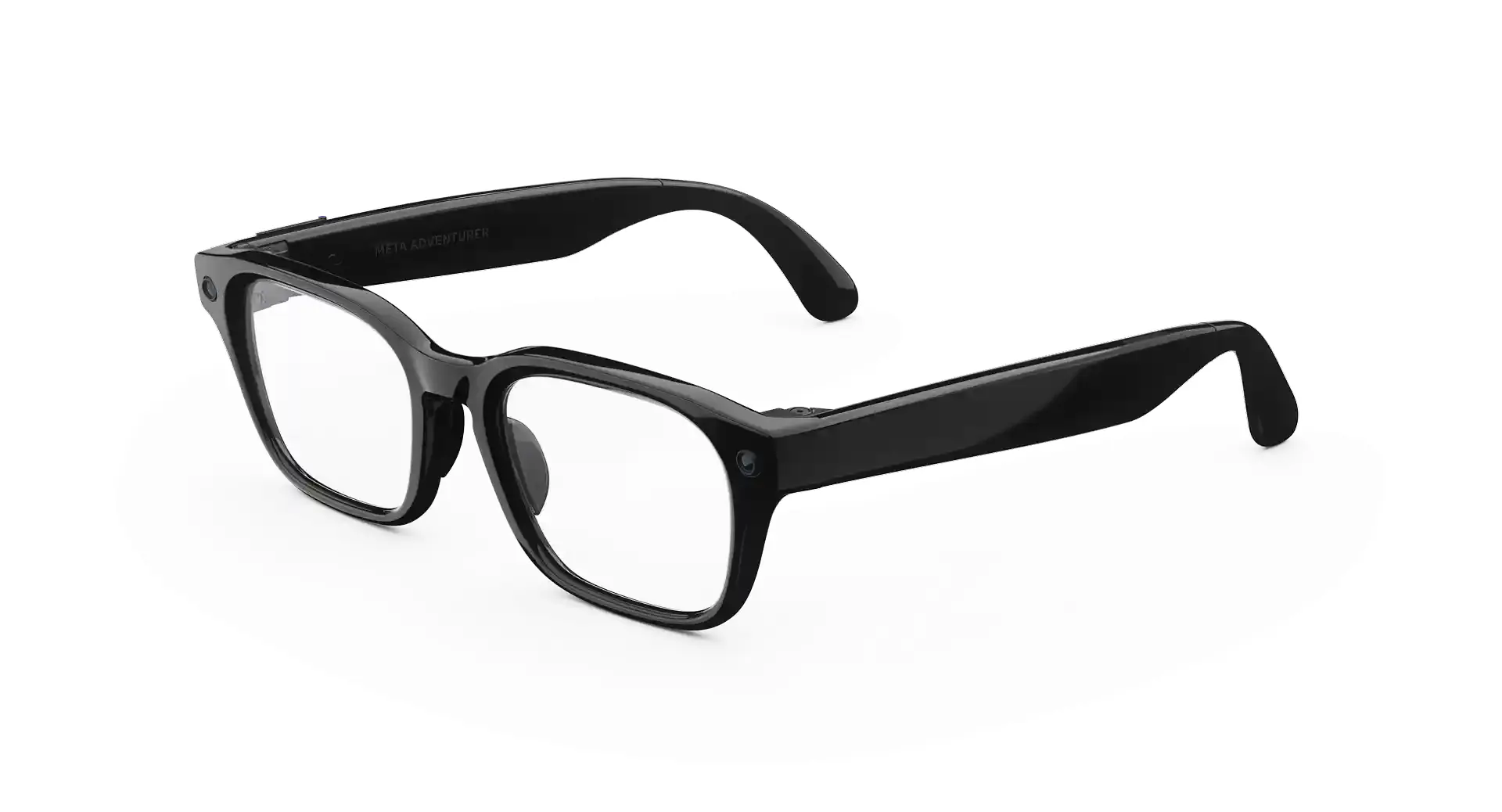
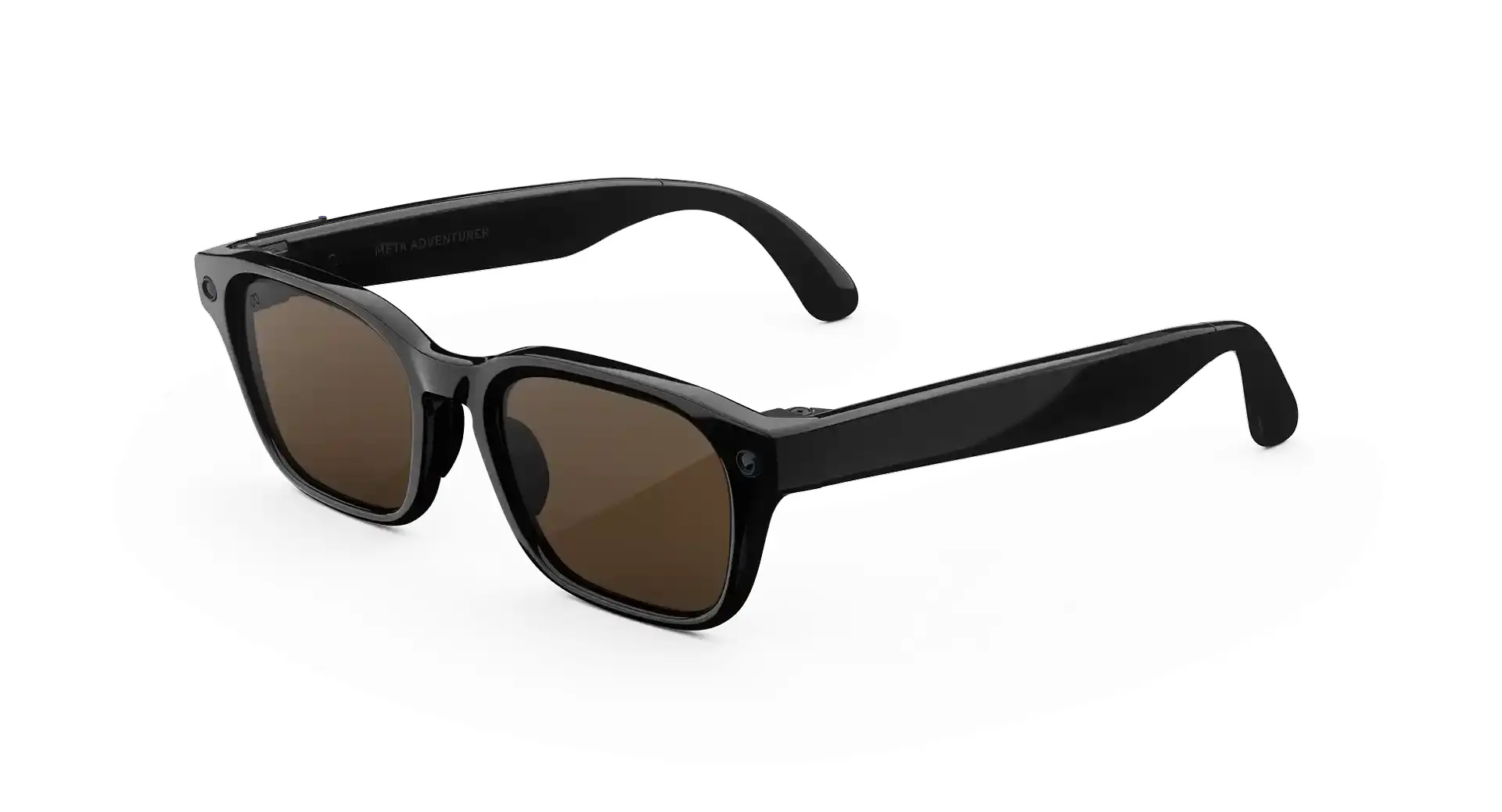
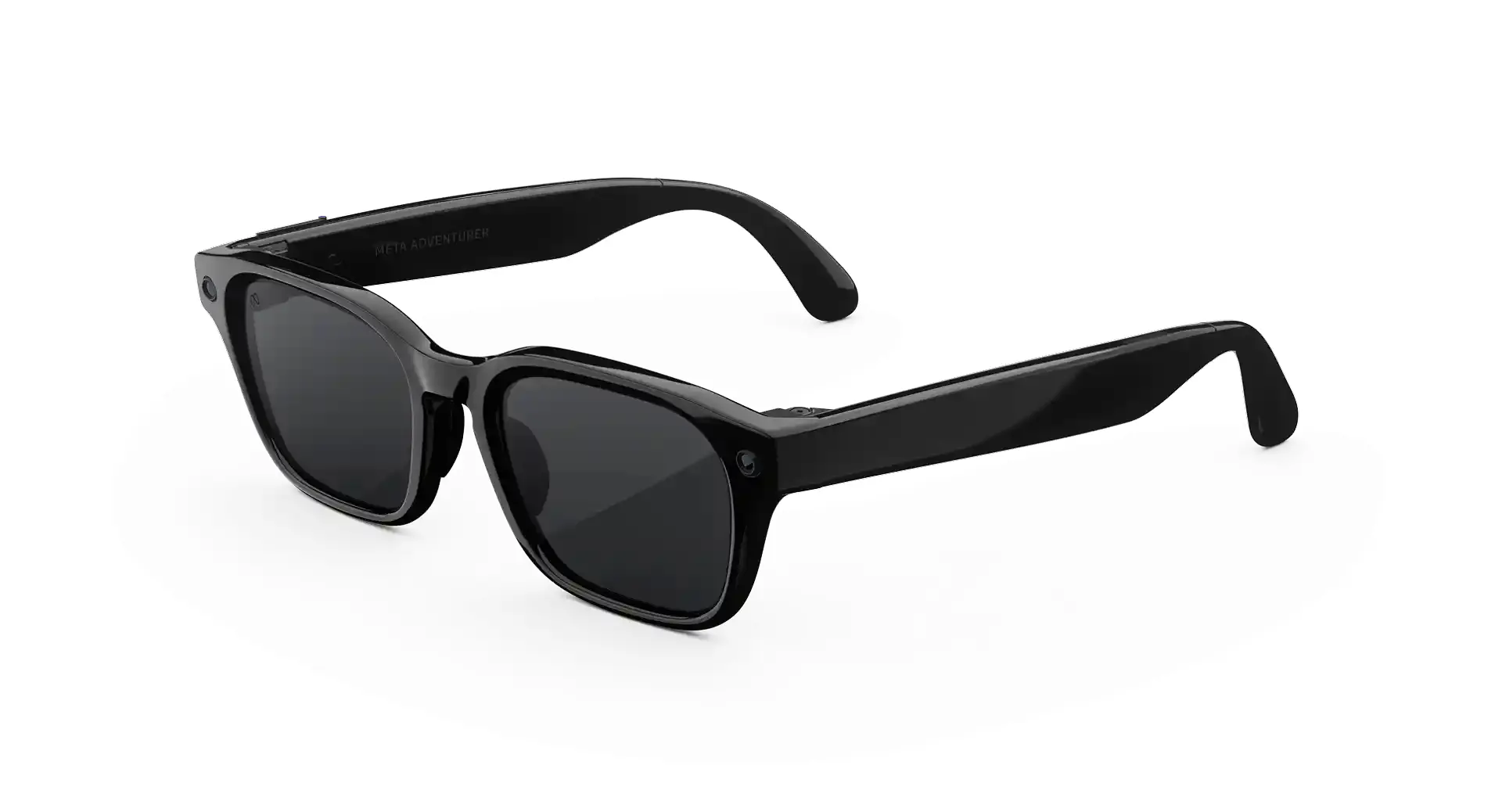
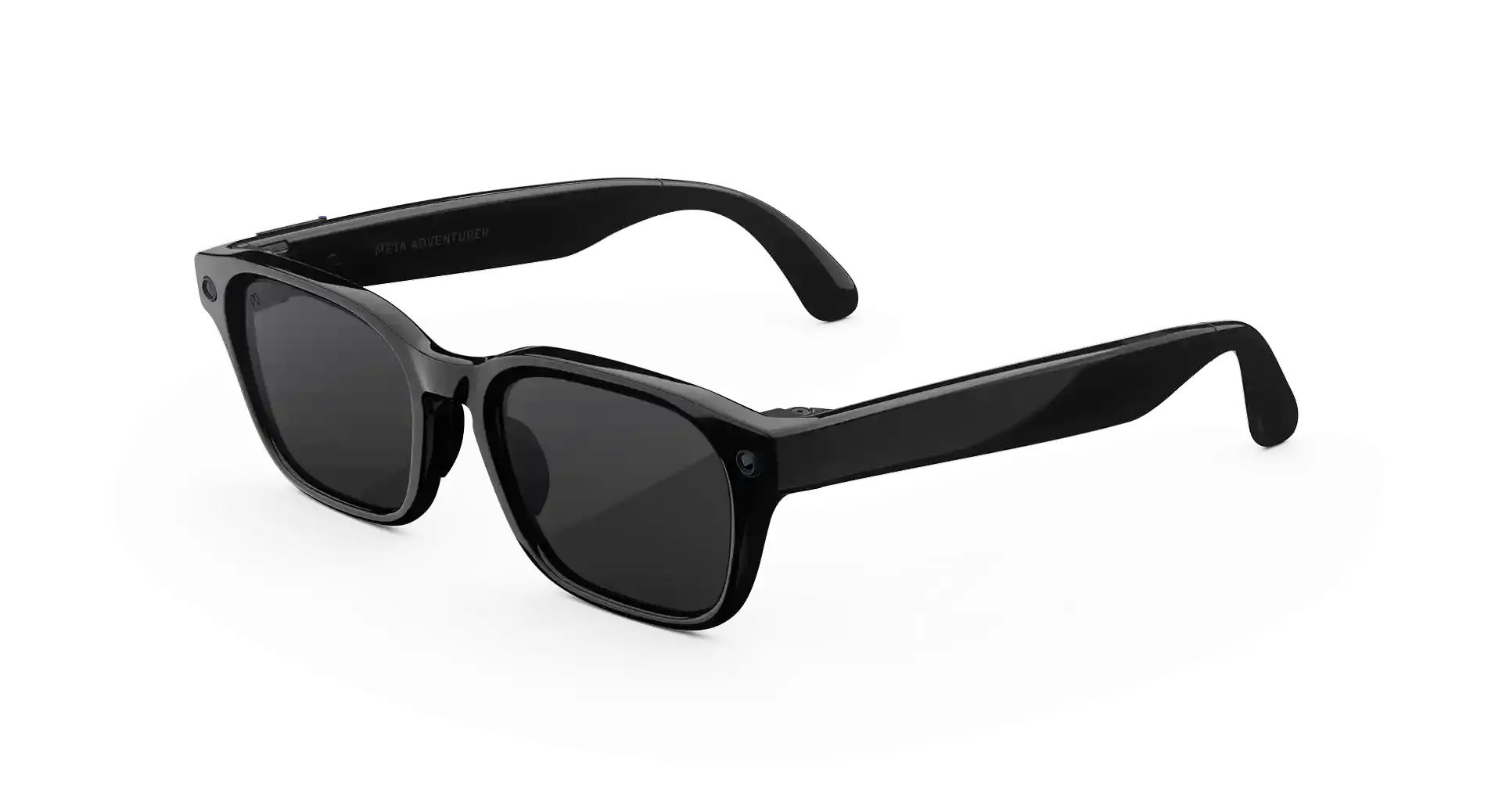
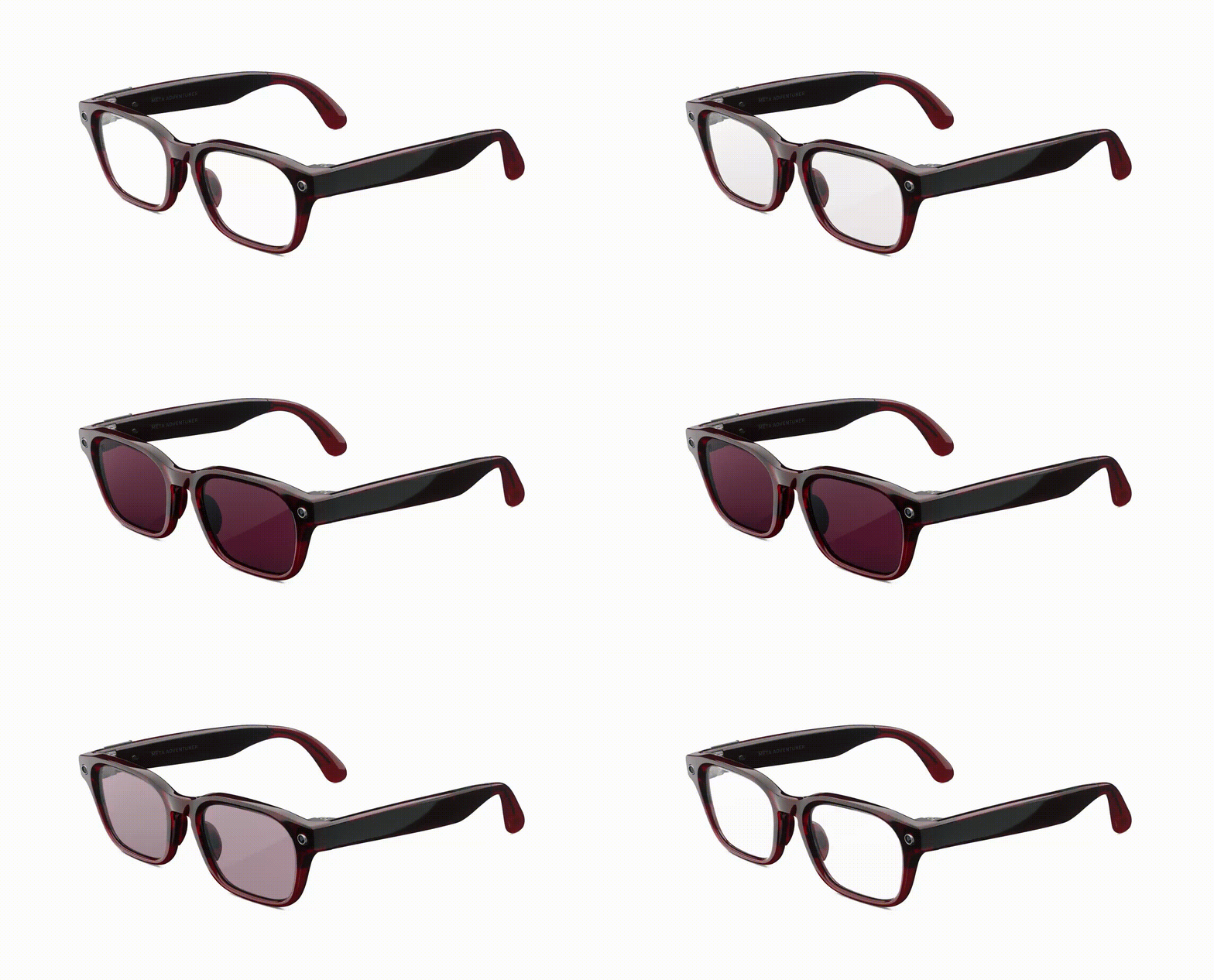
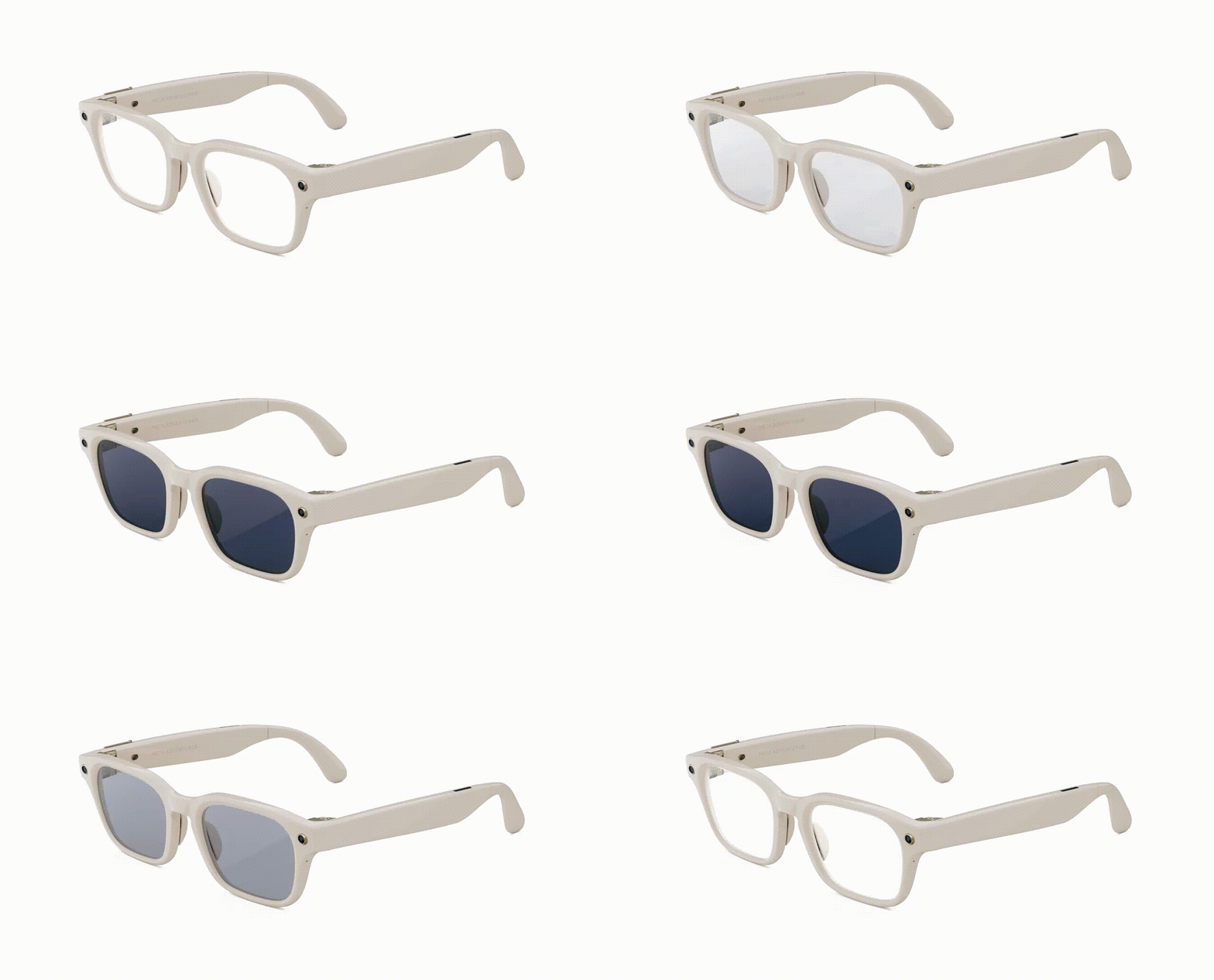
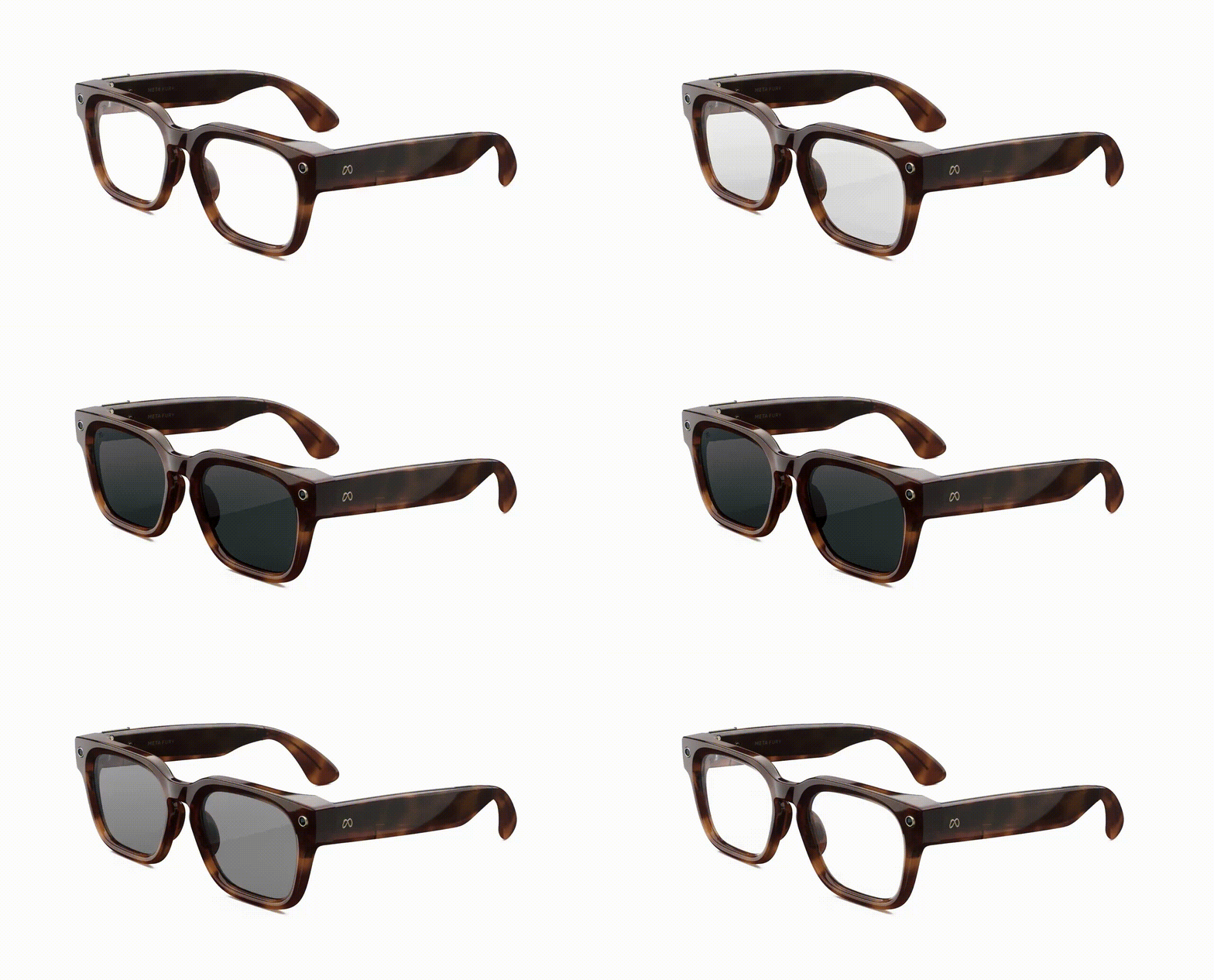
- The Adventurer: A classic rectangular frame designed for versatility. It is available in eight colors, ranging from "Classic Black" and "Classic Tortoise" to more vibrant options like "Merlot" and "Linen."
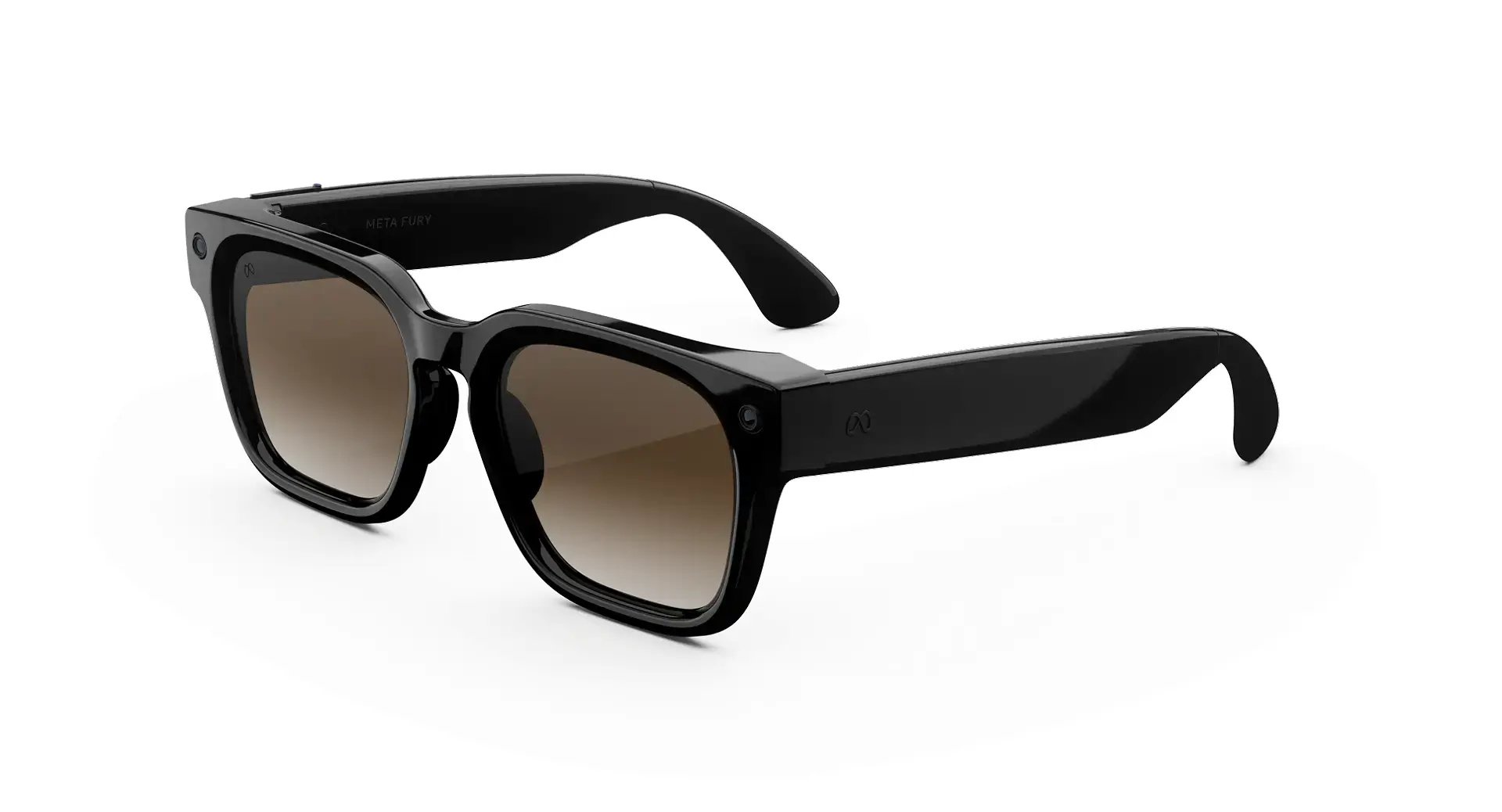
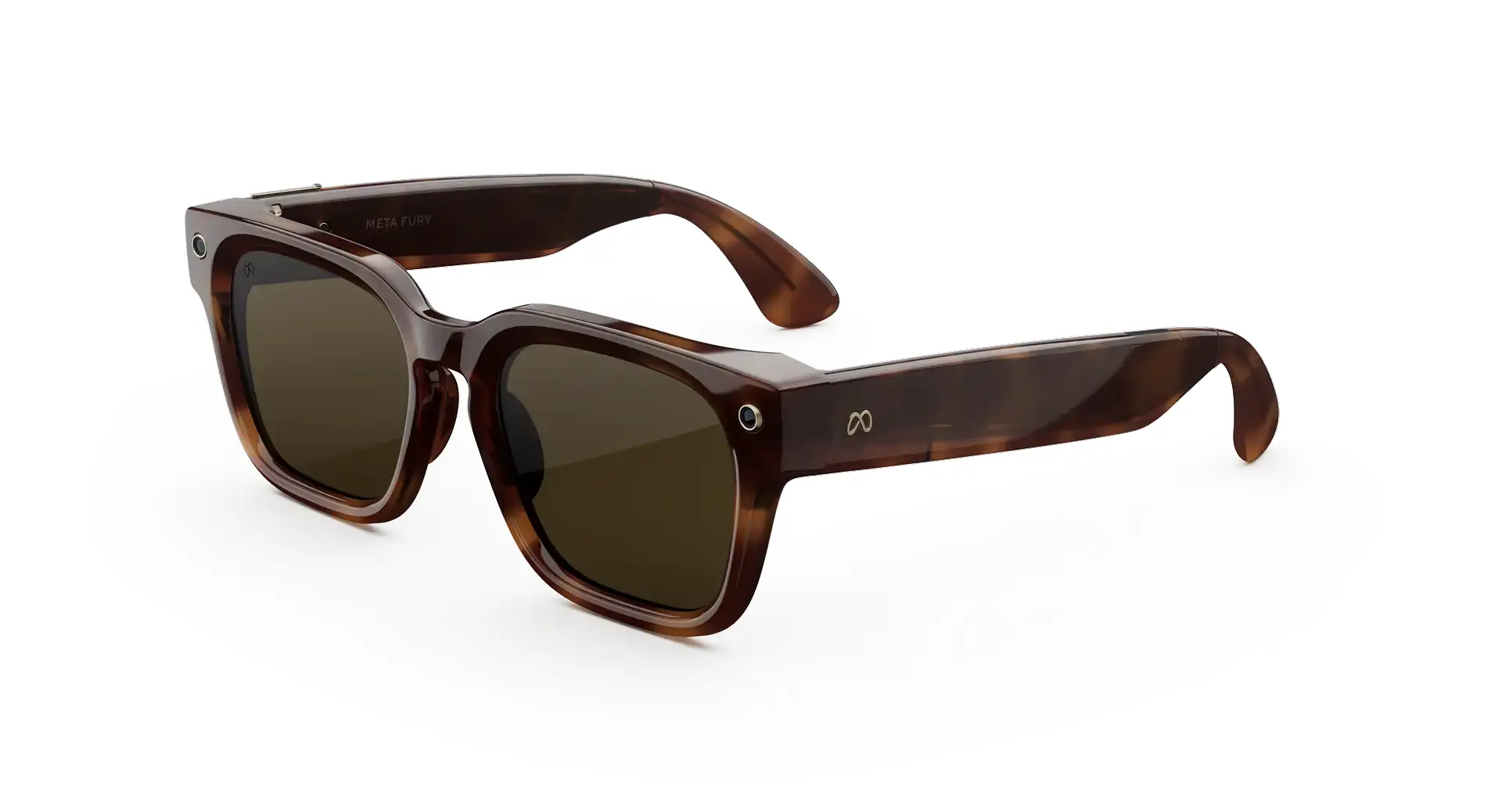
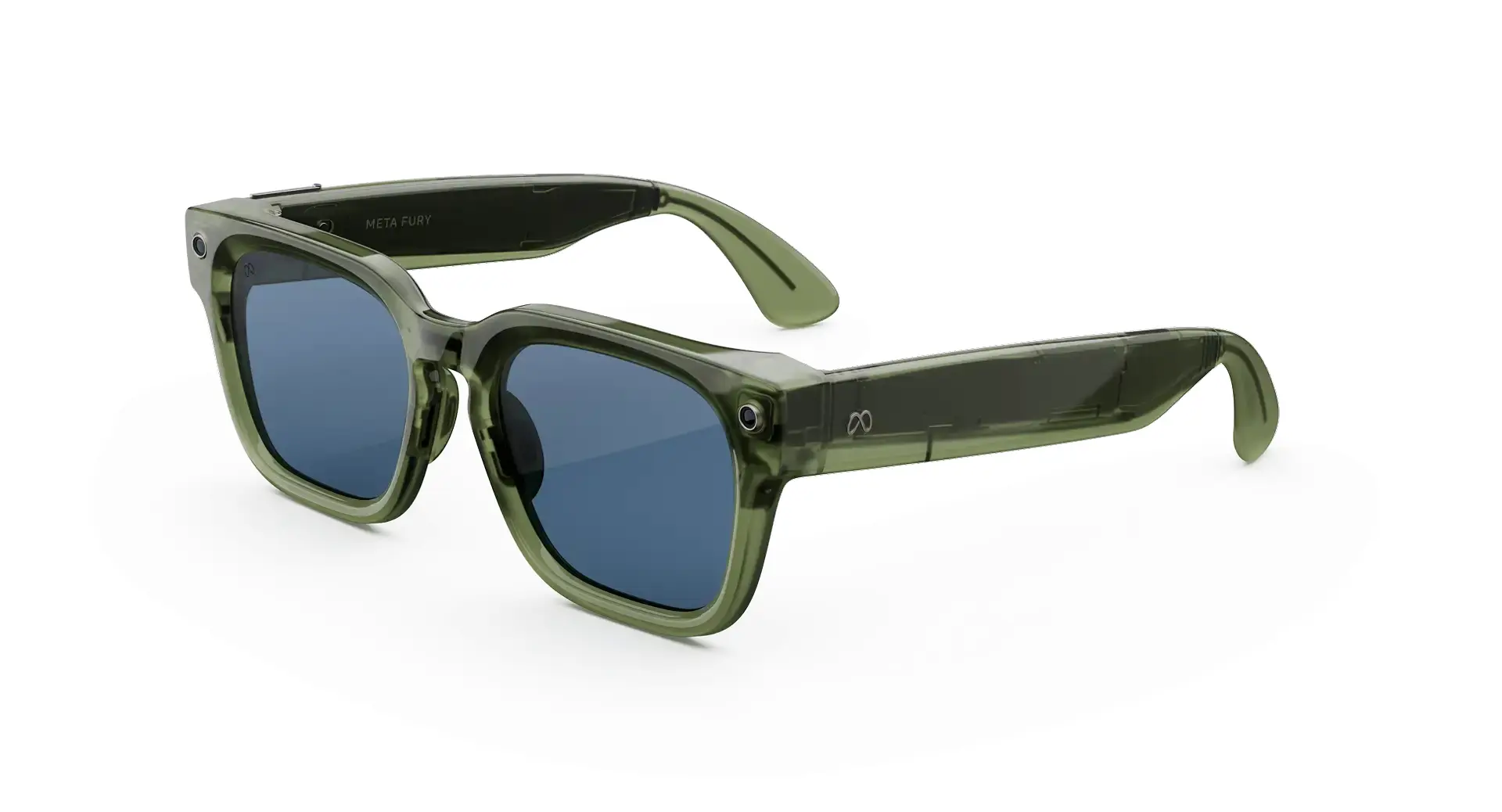
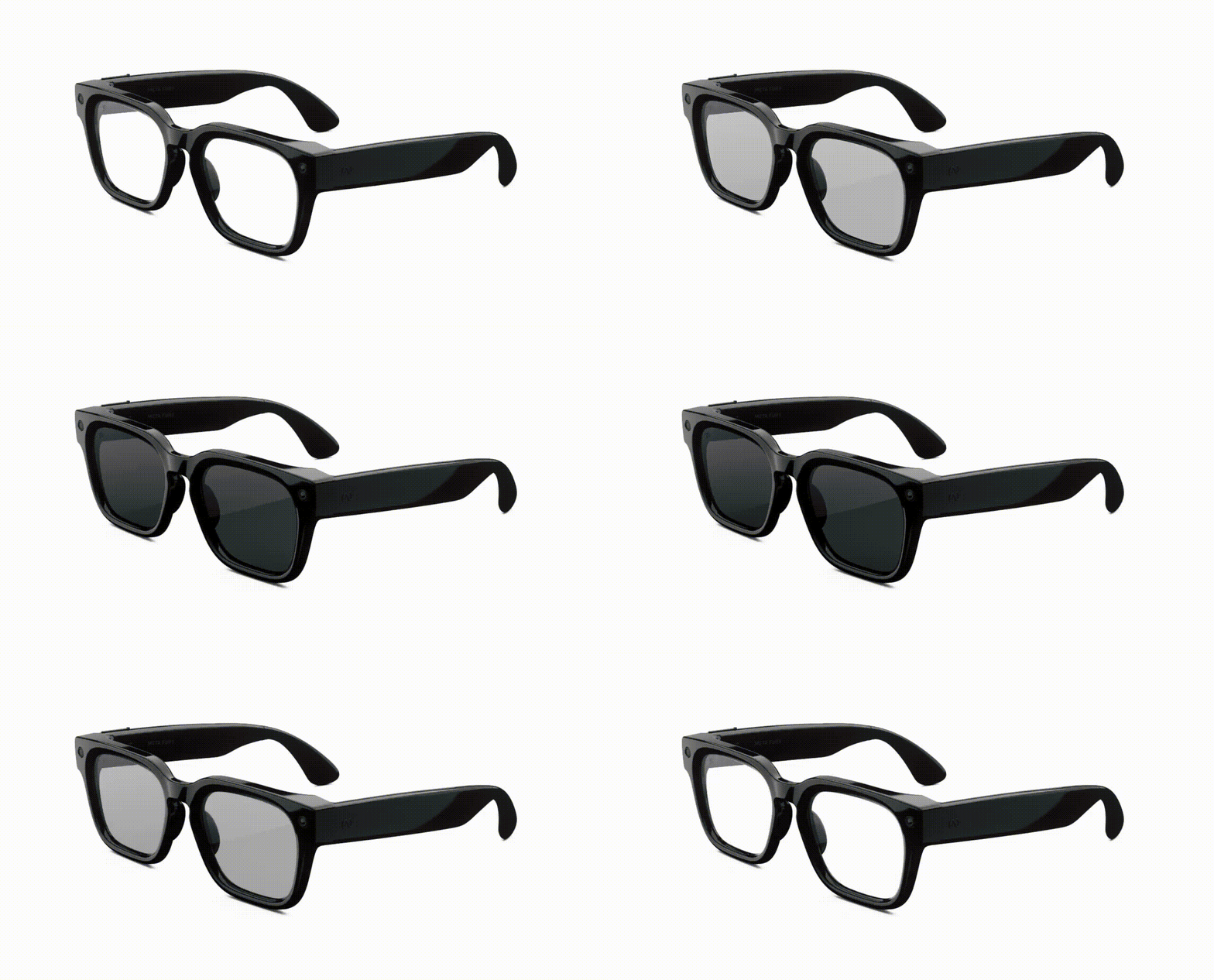
- The Fury: A taller, more squared-off frame that offers a bolder aesthetic. This line comes in seven colors, including "Mahogany," "Racing Green," and "Sandstone."
Both styles incorporate the "overextension hinges" recently introduced in the Ray-Ban Meta Optics line, which provide a more comfortable fit for a wider variety of head shapes and sizes.
The Folding Case Innovation
A notable hardware improvement exclusive to this unbranded range is the compact, flat-folding charging case. Unlike the traditional, rigid leather cases associated with Ray-Ban, this new design allows the case to collapse when empty. This solves a primary user pain point: the ability to carry a charging case in a pocket without the bulk, making the glasses significantly more portable for long-term outdoor use.
II. Chronology: The Evolution of Meta’s Wearable Ambitions
To understand the significance of the new Meta Glasses, one must look at the timeline of Meta’s entry into the eyewear market, which has been characterized by rapid iteration and strategic financial maneuvering.
- September 2021: The Launch of Ray-Ban Stories. Meta (then Facebook) partnered with EssilorLuxottica to release its first generation of smart glasses. While stylish, they were hampered by limited battery life and lower-resolution cameras.
- October 2023: Ray-Ban Meta Gen 2. The second generation brought substantial upgrades, including Meta AI integration, 12MP cameras, and improved audio. This version became a surprise hit, frequently selling out and proving that there was a genuine market for displayless smart glasses.
- Mid-2024: Deepening the Alliance. Meta confirmed a 3% stake in EssilorLuxottica, worth approximately $3 billion. This investment secured a long-term partnership, ensuring Meta’s technology remains embedded in the world’s most popular eyewear brands.
- Late 2024: Diversification. Recognizing that the $380+ price point of branded Ray-Bans was a barrier for some, Meta developed the unbranded "Meta Glasses" to capture the mid-tier market.
- The Current Launch: The debut of the Adventurer and Fury styles, along with the Kylie Jenner "Starfire" collaboration, marks the transition from "tech experiment" to a "comprehensive product category."
III. Supporting Data: Market Positioning and Technical Specifications
Meta’s decision to price the new glasses at $300 is a calculated move to dominate the "smart audio/camera" eyewear segment. By comparison, competitors like the upcoming Google-powered Gentle Monster glasses are expected to occupy a much higher price bracket.
Comparative Pricing Analysis
| Model | Starting Price | Key Selling Point |
|---|---|---|
| Ray-Ban Meta Gen 1 | $224 (on sale) | Entry-level, legacy tech |
| New Meta Glasses (Adventurer/Fury) | $300 | Gen 2 tech, folding case, no brand premium |
| Ray-Ban Meta Gen 2 | $379 – $429 | Premium branding, iconic styles |
| Meta Starfire (Kylie Jenner) | Premium / TBD | Fashion-forward, celebrity AI voice |
Hardware Performance Metrics
The shift to Gen 2 internals across the unbranded line provides a measurable performance boost over the original Ray-Ban Stories:
- Video Quality: 3024 x 4032 pixels (3K) vs. 1184 x 1184 pixels (Gen 1).
- Storage: 32GB, capable of holding over 100 videos (30 seconds each) or 500+ photos.
- Charging Ecosystem: The new $60 stainless steel Charging Stand provides 50% battery in just 20 minutes, with a full charge achieved in 60 minutes. This accessory is compatible with most displayless models, including the Oakley HSTN variants.
IV. Official Responses and Partnership Dynamics
The relationship between Meta and EssilorLuxottica remains one of the most unique alliances in the tech world. While the new glasses lack the Ray-Ban logo, both companies have confirmed that the manufacturing and design quality remain under the EssilorLuxottica umbrella.
The EssilorLuxottica Factor
Industry analysts suggest that the "Meta Glasses" branding allows Meta to build its own hardware identity independent of the Ray-Ban legacy. By owning a 3% stake in the eyewear giant, Meta has moved from being a mere client to a strategic partner. This allows Meta to experiment with designs like the "Fury" or the "Starfire" that might not fit the traditional Ray-Ban aesthetic.
The Celebrity Influence: Kylie Jenner and "Starfire"
Simultaneously with the budget-friendly launch, Meta is leaning into "drop culture" with the Starfire glasses, designed in collaboration with Kylie Jenner. This model features:
- Personalized AI: The glasses utilize Kylie Jenner’s voice for the Meta AI assistant.
- Material Innovation: Metal nose pads designed specifically to prevent the absorption of makeup—a direct response to feedback from fashion-conscious users.
- Aesthetic Cues: A gemstone embedded in the lens and a sleek, futuristic frame that directly competes with high-end fashion tech like the Gentle Monster series.
V. Implications: The Future of Wearable AI
The launch of the unbranded Meta Glasses has profound implications for the consumer electronics landscape and the future of Augmented Reality (AR).
1. The Democratization of the "Face Computer"
By lowering the price to $300 and offering a folding case that fits into a standard pocket, Meta is removing the friction points of smart glasses. This is no longer a product for "tech bros" or early adopters; it is a product for anyone who wants a hands-free camera and an AI assistant. The removal of the Ray-Ban logo suggests Meta believes the technology is now a strong enough draw to sell the product on its own merits.
2. Preempting Google and Apple
While Apple focuses on the high-end, heavy-duty Vision Pro, and Google prepares its return to the space via partnerships with Gentle Monster, Meta is successfully "land-grabbing" the middle market. By the time competitors launch their first-generation AI glasses, Meta will already have three generations of data and a established user base across multiple price tiers.
3. AI as a Lifestyle Accessory
The "Starfire" collaboration proves that Meta views smart glasses as fashion first, tech second. By integrating celebrity voices and makeup-friendly materials, they are targeting a demographic (Gen Z and female consumers) that has traditionally been underserved by the Silicon Valley "gadget" mentality.
4. The Path to Full AR
These displayless glasses serve as a "Trojan Horse" for full AR. By getting millions of people comfortable with wearing cameras and microphones on their faces today, Meta is paving the way for the eventual release of glasses with integrated displays (Project Orion). The current "Meta Glasses" line builds the social acceptance and developer ecosystem necessary for the next decade of spatial computing.
In conclusion, the expansion of the Meta smart glasses lineup represents a maturation of the category. With the Adventurer and Fury styles, Meta has moved past the "novelty" phase, offering a robust, reasonably priced tool that prioritizes utility and portability. As AI becomes more integrated into our daily lives, the battle for the "prime real estate" of the human face is only beginning, and Meta currently holds the lead.