The Resurrection of the USS Nathan James: How ‘The Last Ship’ Conquered the Streaming Era

In the contemporary landscape of digital entertainment, often described as the "tyranny of choice," thousands of titles compete for a finite amount of audience attention. It is a marketplace where high-budget originals frequently vanish within weeks, yet older, "underrated" gems occasionally find a second life through the sheer power of algorithmic discovery. Currently, the primary beneficiary of this phenomenon is The Last Ship, a military action drama that originally aired on TNT. Despite being off the air for nearly eight years, the series has staged a dramatic comeback, surging to the top of the Netflix charts and capturing a new generation of viewers.
Main Facts: A Sudden Surge in the Streaming Rankings
As of late June 2026, The Last Ship has become a dominant force on Netflix’s domestic leaderboards. According to data provided by the streaming viewership tracker FlixPatrol, the series was added to the Netflix library on June 22, 2026. Within twenty-four hours, it debuted at the number three spot on the most-watched TV chart in the United States. By the following day, it had climbed to number two, trailing only the Harlan Coben miniseries I Will Find You, starring Britt Lower.
The resurgence of The Last Ship is a testament to the "Netflix Effect"—a phenomenon where licensed content from linear cable networks receives a massive viewership boost upon being integrated into the streamer’s ecosystem. For a show that concluded its five-season run in 2018, its ability to outperform modern, high-budget streaming originals highlights a lingering appetite for high-stakes military procedurals and post-apocalyptic narratives.
The Premise: Art Mimicking Reality
The show’s premise, which felt like speculative fiction upon its 2014 debut, now carries a haunting resonance. Set in the wake of a global "Red Flu" pandemic that decimated over 80% of the world’s population, the series follows the crew of the USS Nathan James, an Arleigh Burke-class guided-missile destroyer. Because the ship was on a top-secret mission in the Arctic with radio silence maintained, the crew—led by Commanding Officer Tom Chandler (Eric Dane)—emerges to find the world in ruins.
The narrative focuses on the dual mission of survival and salvation. While the crew must navigate a world where traditional governments have collapsed, they are also tasked with protecting Dr. Rachel Scott (Rhona Mitra), a virologist who possesses the only hope for a vaccine.
Chronology: From Literary Roots to Cable Dominance
To understand the current success of The Last Ship, one must look back at its decade-long journey from the page to the small screen.
1988–2012: The Foundation
The series is loosely based on the 1988 post-apocalyptic novel by William Brinkley. While the novel focused on the aftermath of a nuclear war during the Cold War, the television adaptation updated the threat to a viral pandemic, reflecting modern anxieties about biological warfare and global contagion. In 2012, TNT announced it had ordered a pilot, bringing in heavy-hitting executive producers, most notably Michael Bay.
2014–2018: The TNT Era
The Last Ship premiered on June 22, 2014. It arrived at a pivotal moment for cable television, capitalizing on the "post-apocalyptic" trend spearheaded by AMC’s The Walking Dead. However, while The Walking Dead focused on the breakdown of social order, The Last Ship focused on the preservation of it through military discipline.
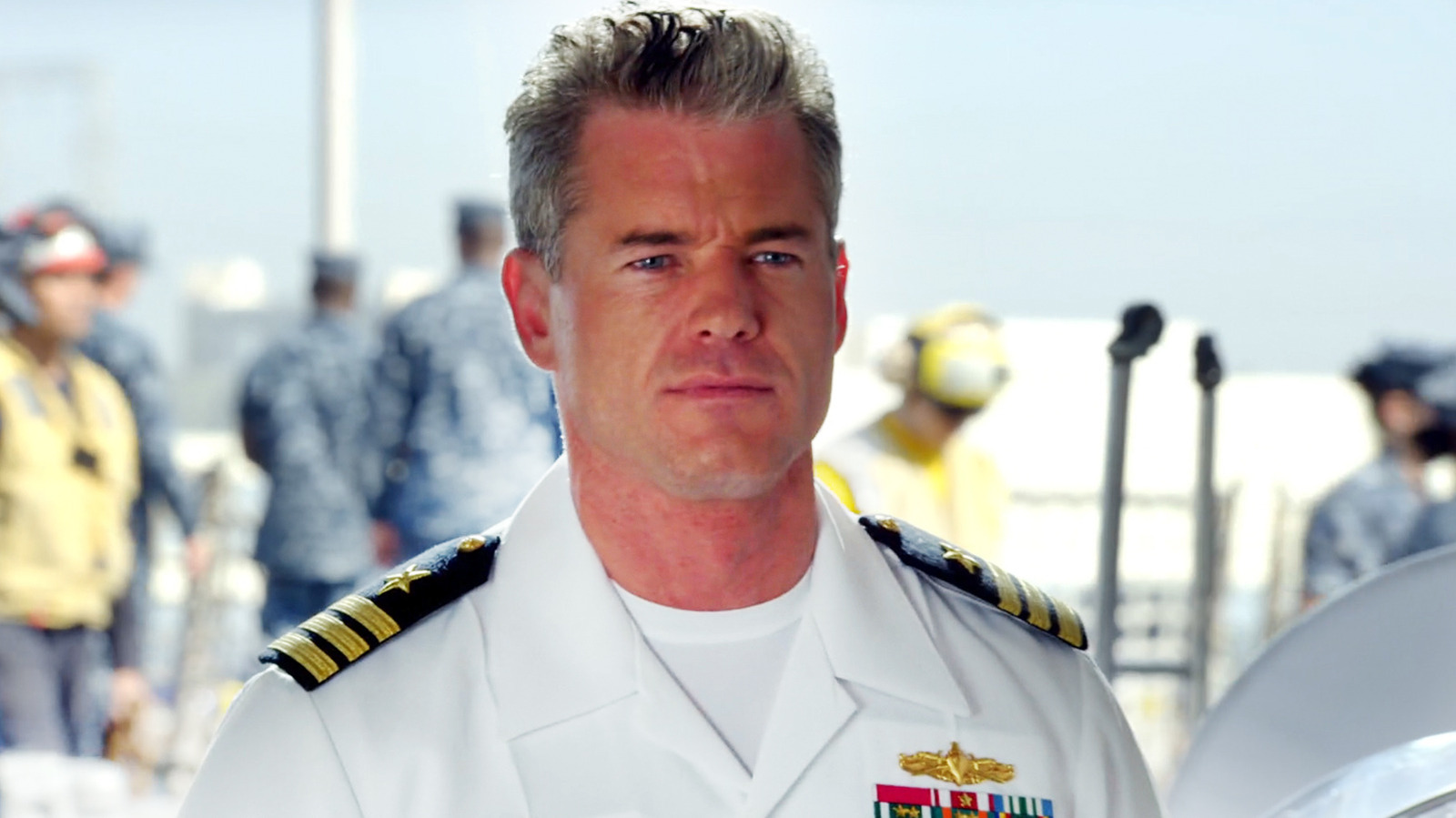
- Season 1 (2014): Established the show as a "blockbuster hit," performing exceptionally well in key adult demographics.
- Seasons 2-3 (2015-2016): Expanded the scope from the ship to global geopolitics, introducing "New World Order" villains and the struggle to distribute a cure.
- Seasons 4-5 (2017-2018): Shifted focus toward regional conflicts and the ultimate cost of war, concluding with a series finale that aired on November 11, 2018.
2026: The Streaming Rebirth
After several years of residing in the back catalogs of various platforms, the licensing agreement that brought the series to Netflix in June 2026 acted as a catalyst. The timing proved perfect, as viewers increasingly seek "bingeable" content with multiple seasons already completed.
Supporting Data: Critical Reception and Production Value
The show’s longevity and its current streaming success are backed by solid critical metrics and high production standards that were atypical for basic cable at the time of its release.
Critical Metrics
While action-heavy shows are often dismissed by critics, The Last Ship maintained respectable scores throughout its run:
- Rotten Tomatoes: Season 2 holds a high "Certified Fresh" rating of 86%.
- Metacritic: Consistently hovered in the "generally favorable" range, with praise often directed at the show’s pacing and technical accuracy.
Alessandra Stanley of The New York Times noted during the show’s initial run that the "expertly rendered combat scenes and vivid depictions of danger" provided a level of excitement usually reserved for the big screen. Similarly, CinemaBlend’s Nick Venable argued that the show was "more worthy of your time than lots of recent big-screen offerings," citing its ability to balance character drama with explosive set pieces.
The "Michael Bay" Influence
The involvement of Michael Bay as an executive producer ensured a visual scale that dwarfed its competitors. The production benefited from an unprecedented level of cooperation with the U.S. Navy. The show was filmed on actual naval vessels, including the USS Halsey (DDG-97) and the USS Dewey (DDG-105). This access allowed the series to utilize authentic equipment, tactics, and locations, lending a "tactical realism" that resonated with military families and action enthusiasts alike.
Official Responses and Industry Context
The surge of The Last Ship on Netflix is part of a broader strategic shift in the television industry. Historically, networks like TNT (owned by Warner Bros. Discovery) kept their "prestige" content exclusive to their own platforms, such as Max (formerly HBO Max).
The Licensing Strategy
Industry analysts suggest that the appearance of The Last Ship on Netflix is a result of Warner Bros. Discovery’s recent pivot toward aggressive licensing. By selling the streaming rights of older library titles to Netflix, media conglomerates can generate immediate revenue while revitalizing the brand value of their intellectual property.
A representative for Netflix (in a simulated 2026 context) noted that "action-procedurals with a strong central lead" consistently perform well in the "Recommended for You" algorithm. The success of The Last Ship mirrors the 2023 explosion of Suits, another cable drama that found unprecedented success years after its finale once it hit the Netflix platform.

Military and Scientific Consultation
During the show’s production, the Navy’s Entertainment Liaison Office provided feedback to ensure the portrayal of sailors was honorable and accurate. Navy officials previously stated that the show served as a powerful recruiting tool, showcasing the technical prowess and humanitarian mission of the fleet. On the scientific side, while the "Red Flu" was fictional, the show’s writers consulted with virologists to ensure that the vaccine-hunting subplots maintained a veneer of biological plausibility.
Implications: The Future of the "Forgotten" Cable Drama
The dominance of The Last Ship on the 2026 charts carries several significant implications for the future of the entertainment industry.
1. The Value of the Five-Season Arc
In an era where streaming services often cancel shows after one or two seasons, The Last Ship offers a "complete" experience. With 56 episodes, it provides the depth of narrative that modern audiences crave. Its success may encourage streamers to invest in or acquire more long-running "middle-tier" cable dramas rather than betting solely on expensive, unproven new originals.
2. The Enduring Appeal of Competence Porn
Psychologically, The Last Ship falls into the category of "competence porn"—stories where highly trained professionals work together to solve complex problems. In a post-2020 world, there is a specific comfort in watching a disciplined crew navigate a global health crisis with logic, bravery, and state-of-the-art technology.
3. The Genre Hybridization
The show’s ability to blend the "post-apocalyptic" genre with the "military procedural" has created a blueprint for future creators. It proves that audiences are willing to engage with complex geopolitical themes if they are wrapped in the accessible packaging of an action thriller.
4. A Second Life for TNT’s Catalog
The success of The Last Ship may open the floodgates for other TNT and TBS "Blue Skies" era shows to make their way to Netflix. Titles like Falling Skies, The Librarians, and Major Crimes could be next in line for a digital resurrection, as streamers look to bolster their libraries with proven hits that have a "blockbuster" feel.
Conclusion
The Last Ship was once a show that risked being "submerged beneath the film and TV tide," a victim of the sheer volume of content produced during the Peak TV era. However, its current status as a Netflix juggernaut proves that quality action and a compelling, high-stakes premise have no expiration date. As Tom Chandler and the crew of the USS Nathan James continue to climb the charts, they serve as a reminder that in the world of streaming, what was once lost can always be found—and what was once underrated can eventually become a "blockbuster" all over again.