The Enduring Legacy of Gula: Mesopotamia’s Great Healer Goddess
Baghdad, Iraq – In the annals of ancient Mesopotamia, where the Tigris and Euphrates rivers cradled the dawn of civilization, a powerful deity emerged as the patroness of healing, medicine, and wellness. Known primarily as Gula, or sometimes Ninkarrak, this Sumerian goddess held a revered position as the "Great Healer" and "Lady of Health," influencing medical practices and offering solace to the ailing for millennia. Her story is one of transformation, resilience, and a profound connection to the earliest forms of healthcare, a legacy that, in many ways, echoes even in the symbols of modern medicine.
Main Facts: The Respected Matron of Mesopotamian Medicine
Gula, whose name means "Great" – often interpreted as "great in healing" – was a formidable figure in the Mesopotamian pantheon. First attested during the Ur III period (circa 2112 to circa 2004 BCE), she quickly rose to prominence as a central deity concerned with health and well-being, becoming one of the most widely worshipped goddesses across Sumer, Akkad, and eventually the entire region. Her alternate name, Ninkarrak, translates to "Lady of Kar," which could signify "Lady of the Wall," implying a protective barrier, or "Lady of Karrak," a city closely linked with Isin, her primary cult center.
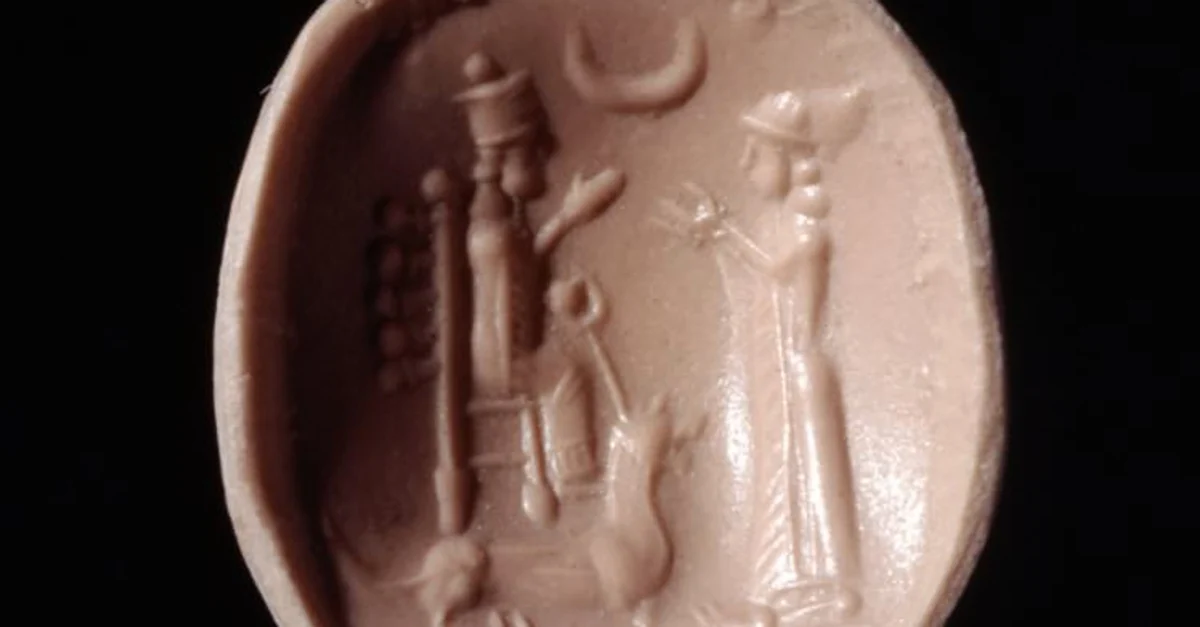
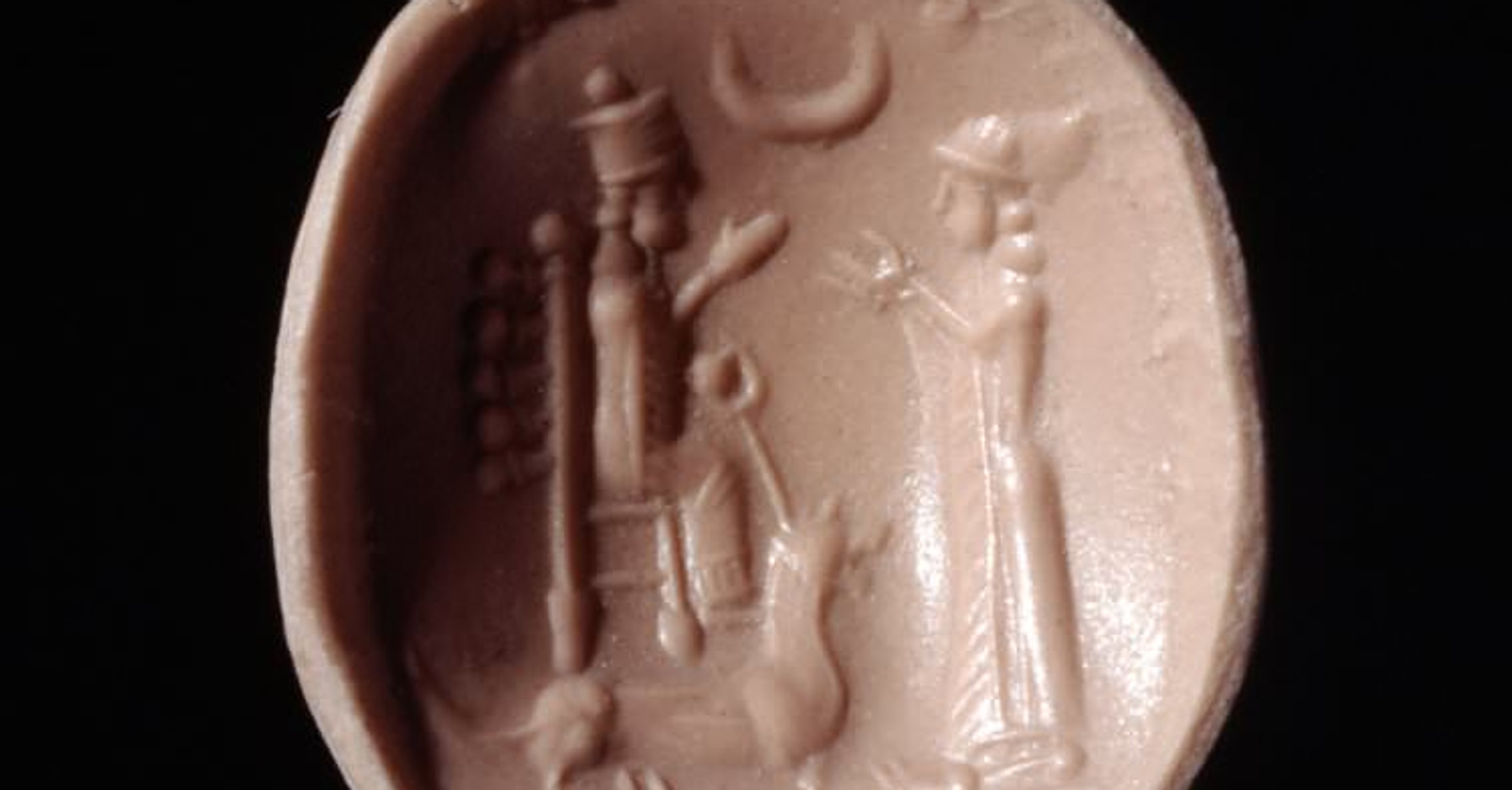
To the Sumerians, she was affectionately known as the "great physician of the black-headed ones," a reference to the Sumerian people themselves. Her pervasive influence in the medical sphere is evident in Mesopotamian medical texts and incantations, where she is frequently invoked as belet balati ("Lady of Health") and Azugallatu ("Great Healer"). Iconographically, Gula is almost invariably depicted with her sacred animal, the dog, often seated and surrounded by stars, symbols that underscored her nurturing yet celestial authority. Beyond physical healing, she was also associated with the profound concepts of the underworld and transformation, hinting at her dominion over life, death, and rebirth.
A Chronology of Divine Evolution and Enduring Worship
The journey of Gula from a localized deity to a pan-Mesopotamian goddess of healing is a fascinating testament to cultural assimilation and evolving religious beliefs.
From Canine Guardian to Healing Deity: The Transformation of Bau
Gula’s origins trace back to an earlier Sumerian deity named Bau (or Baba), who was primarily revered as the goddess of dogs in the city of Lagash. The observation that dogs licking wounds seemed to expedite healing likely sparked a profound association between canines and restorative powers. This ancient folk wisdom led to Bau’s gradual transformation from a mere goddess of dogs into a powerful healing deity. As her worship expanded from Lagash to the influential city of Isin, she acquired a new identity, becoming Ninisina, meaning "Lady of Isin," firmly establishing her connection to the city that would become her most significant cult center.
Assimilation and Ascent: Becoming Gula
The evolution of Gula was characterized by a remarkable capacity for assimilation, a common phenomenon in polytheistic systems where deities absorb attributes or even identities of others. Scholar Jeremy Black notes that many of her names were "originally the names of other goddesses [such as Meme]" whom she integrated into her own persona (101). When her veneration reached Nippur, another major Mesopotamian city, she was known as Ninnibru, "Queen of Nippur," and formed an association with the hero-god Ninurta. It was during the latter part of the Old Babylonian period (circa 1894-1595 BCE) that she became universally recognized as Gula, the "Great Healer," the name by which she is predominantly known today, signifying the zenith of her power and widespread acceptance.
Divine Lineage: Family and the Roots of Healing Arts
Gula’s mythological lineage further solidified her role in the divine order of healing. She was considered the daughter of Anu, the supreme sky god and progenitor of many deities, created alongside his other divine offspring at the dawn of time. Her consorts varied, often listed as Ninurta (the healer god), Pabilsag (a divine judge), or Abu (an agricultural deity). Scholar Stephen Bertman astutely observes, "Because at least two of these divinities were connected with agriculture, her marriage to them may symbolically reflect the medicinal use of plants" (119), highlighting an early understanding of botanical remedies.
Gula was also a divine mother, birthing children who themselves were healing deities. Her sons, Damu and Ninazu, and her daughter, Gunurra, all contributed to the divine healing pantheon. Damu, a Sumerian god of healing, blended both magical and empirical approaches to disease. He was linked to the dying and reviving god figure Tammuz (Dumuzi), central to tales of Inanna and rebirth, thus associating him with themes of transformation and transition. Damu is frequently mentioned alongside Gula in healing incantations, particularly for childhood illnesses and childbirth. While Gula was the supreme healer, Damu often functioned as the intermediary through whom her divine power reached mortal doctors.
Perhaps the most enduring symbol of Gula’s family legacy comes from her son, Ninazu. Associated with serpents (symbols of transformation), the underworld (transition), and healing, Ninazu carried a staff entwined with serpents. This potent symbol was later adopted by the Egyptians for Heka, their god of magic and medicine, and subsequently by the Greeks as the caduceus, carried by Hermes Trismegistus, their god of magic, healing, and writing (often linked with the Egyptian god Thoth). Remarkably, this ancient Mesopotamian motif persists to this day, seen in doctors’ offices and medical practices globally as a symbol of Hippocrates, the revered father of medicine, underscoring a profound, unbroken thread of medical symbolism stretching back millennia to Gula’s divine lineage.
The Persistence of a Cult: Through Empires and Eras
Gula’s cult was not confined to Sumerian city-states; it spread across the entire Mesopotamian landscape. From Sumer in the south, her worship ascended to Akkad and then permeated the broader region, maintaining its prominence through successive empires including the Old Babylonian, Assyrian, and Neo-Babylonian periods. Her temples, particularly in Isin, became vital centers of both religious devotion and practical medical knowledge.
The veneration of Gula demonstrated remarkable longevity, continuing well into the Christian period in the Near East. During this time, she remained as popular and influential as many other well-known deities such as Anahita or Isis, demonstrating the deep-seated cultural need for a divine healer. However, with the gradual entrenchment of Christianity and the subsequent decline of polytheistic religions, Gula’s cult slowly faded. By the end of the first millennium CE, the Great Healer of Mesopotamia, once a beacon of hope and health, had largely been forgotten by active worship, though her influence on medical symbolism remained.
Supporting Data: The Intricate World of Mesopotamian Healing
The worship of Gula was deeply intertwined with the daily realities of health, illness, and the practice of medicine in ancient Mesopotamia. Her cult provided a framework for understanding and addressing disease, reflecting a sophisticated, albeit supernaturally-infused, medical system.
The Dual Pillars of Ancient Medicine: Asu and Asipu
Mesopotamian society recognized two primary types of medical practitioners, both operating under Gula’s divine purview: the asu and the asipu. The asu was a medical doctor who approached illness with what modern observers might consider a more "scientific" methodology, focusing on physical symptoms, herbal remedies, and practical treatments. In contrast, the asipu was a healer who relied heavily on what we would now term ‘magic’ or spiritual intervention – incantations, exorcisms, and prayers to appease deities or ward off malevolent spirits. Beyond these general practitioners, specialized roles existed, including surgeons and veterinarians, who could emerge from either background. Dentistry was practiced by both, and both may have overseen births.
While midwives (sabsutu) were directly responsible for delivering children, doctors were compensated for services rendered at births. Records indicate a higher fee for the birth of a male child than a female, suggesting either a perceived higher value or greater complexity in male births, or perhaps cultural preferences. It is plausible that the asipu might have recited protective prayers or chants against demons, notably Lamashtu, who was believed to abduct or kill infants, while the asu could have administered herbs to alleviate labor pains without directly assisting the delivery.
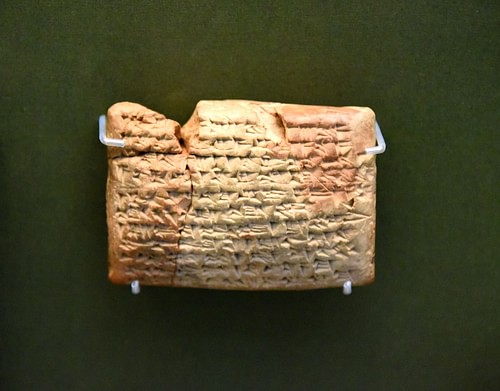
Pregnant women and those in labor often wore special amulets for protection, invoking figures like Pazuzu. While modern interpretations might see Pazuzu as purely malevolent, in ancient Mesopotamia, the term "demon" did not always carry the negative connotations it does today. Pazuzu, despite his formidable and often terrifying appearance, was invoked precisely because his extreme malevolence was believed to scare away other, lesser dark entities, acting as a protector against other harms.
Divine Intervention and the Roots of Illness
In Mesopotamia, illness and disease were not merely physiological malfunctions but were deeply rooted in the cosmic and divine order. They were often perceived as direct punishments from the gods for transgressions, serving as a divine "wake-up call" to guide individuals back to the correct path. The gods, having created humanity as their co-workers, were believed to care for them, but also to enforce moral and social order. However, illness could also stem from other supernatural sources, such as malevolent demons, evil spirits, or the restless dead. It was entirely possible for an innocent person to fall ill, and even with correct incantations and medicines, death could still occur if a god remained unplacated or if another, more powerful divine entity was offended.
The complex interplay of supernatural forces meant that a healer had to consider multiple possibilities. As Robert D. Biggs elaborates on the presence of ghosts, "The dead – especially dead relatives – might also trouble the living, particularly if family obligations to supply offerings to the dead were neglected. Especially likely to return to trouble the living were ghosts of persons who died unnatural deaths or who were not properly buried – for example, death by drowning or death on a battlefield" (4). Thus, medical intervention often required both physical treatment and spiritual appeasement.
Despite these supernatural explanations, medical texts from the renowned library of Ashurbanipal demonstrate an impressive depth of medical knowledge. Doctors applied this knowledge diligently, combining empirical treatments with rituals to appease gods and spirits. This healing wisdom, it was believed, was a divine gift from Gula, who provided the means for a cure just as the gods might have sent the affliction. Gula was frequently invoked in matters of conception, especially when supernatural interference was suspected, and her name appears in numerous inscriptions related to fertility. Whether the cause was divine, spectral, or demonic, Gula’s healing powers were widely believed to be capable of restoring health, though her temperament was not always benign.
Sacred Companions and Protective Charms
The dog was Gula’s sacred animal, inextricably linked to her identity and powers. In her temples, dogs roamed freely, well-cared for as divine companions, symbolizing healing and loyalty. Stephen Bertman notes, "Her sacred animal was the dog and ceramic models of dogs were dedicated to her at her sanctuaries by those who had been blessed by her tender mercies" (119). These dedications were acts of gratitude and supplication.
Among the most famous examples are the Nimrud Dogs, ceramic statuettes discovered in the 1950s at the city of Nimrud. These amuletic figures, often inscribed with Gula’s name, were typically buried at doorways and thresholds to protect homes from evil. Similar figurines have been unearthed at other sites, including Nineveh, attesting to the widespread belief in their protective efficacy. While the precise role of living dogs in Gula’s healing rituals remains somewhat ambiguous, evidence such as the burial of over 30 dogs beneath the ramp leading to Gula’s temple at Isin suggests they held a profound, perhaps even ritualistic, significance, possibly as honored temple animals.
Gula’s Dual Aspect: Healer and Harbinger of Wrath
While celebrated as the ultimate healer, Gula possessed a formidable and often fearsome aspect. She is almost as frequently invoked in curses as she is in blessings. When angered, she was believed to unleash powerful natural phenomena, earning epithets such as "Queen of the Tempest" and "She Who Makes Heaven Tremble." A tablet from the reign of Nebuchadnezzar I (circa 1121-1100 BCE) vividly illustrates this dual nature. As was customary for royal monuments, an inscription included a curse against anyone who would deface or remove it, invoking divine retribution. The text reads, "May Ninurta, the king of heaven and earth, and Gula, the bride of E-Sharra, destroy his landmark and blot out his seed" (Wallis Budge, 126). This demonstrates her perceived power to both bestow life and destroy it, highlighting the awe and respect she commanded.
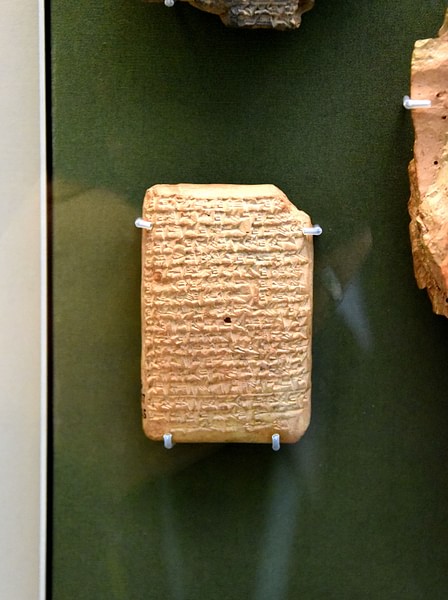
Yet, her healing epithets resonated deeply with her worshippers: "Healer of the Land," "She Who Makes the Broken Whole Again," and "The Lady Who Restores Life." A powerful myth attributed to Gula further elevated her status: after the Great Flood, it was Gula who was said to have breathed life into the new creatures fashioned by the gods, animating them. This act, coupled with her ongoing care for humanity, positioned her as a benevolent mother goddess, akin to Ninhursag, who was credited with creating human bodies. Her transformative powers also linked her to agriculture, evident in the epithet "Herb Grower," making her a deity invoked for bountiful harvests, successful childbearing, and general good health.
Worship at Gula’s temples followed standard Mesopotamian practices: priests and priestesses maintained her statue and inner sanctum, while devotees paid respects in outer courtyards, seeking counsel, leaving offerings, and expressing gratitude. Unlike modern religious services, these were individual interactions rather than congregational ceremonies.
Scholarly Interpretations and Societal Responses
Understanding Gula and the medical landscape of Mesopotamia requires a nuanced perspective, bridging ancient belief systems with modern analytical frameworks.
Reconciling Ancient Practices with Modern Perspectives
Modern scholarship sometimes distinguishes between the asipu as a "witch doctor" and the asu as a "medical practitioner," implying a hierarchy of legitimacy. However, ancient Mesopotamians viewed both with equal respect. Scholar Robert D. Biggs clarifies this point: "There is no hint in the ancient texts that one approach was more legitimate than the other. In fact, the two types of healers seem to have had equal legitimacy, to judge from such phrases as, ‘if neither medicine nor magic brings about a cure,’ which occur a number of times in the medical texts" (1). This highlights that both empirical observation and spiritual intervention were considered integral and complementary components of effective healing. Both types of healers operated under the fundamental assumption of a supernatural source for illness, making it inaccurate to consider the asu as simply more ‘modern’ or ‘scientific’ than the asipu. The Mesopotamian approach was holistic, integrating physical remedies with spiritual protection and divine appeasement.
The Status of Physicians and the Role of Women
Mesopotamian doctors generally operated from temple complexes, offering treatments there, but also frequently made house calls, reflecting a community-oriented healthcare system. The city of Isin, as Gula’s primary cult center, is widely believed to have functioned as a prestigious training ground for physicians, who were then dispatched to temples across various cities as needed. While records do not suggest a system of private practice in the modern sense, kings and affluent individuals often retained their own personal physicians, indicating a tiered system of access to care.
Significantly, both men and women could become doctors in Mesopotamia. While scholar Jean Bottero notes that "Women scribes or copyists, exorcists or experts in deductive divination [the asipu and asu] could be counted on the fingers of one hand" (117), Sumeria stands out for having a comparatively higher number of female physicians than other regions of the ancient world. This is not coincidental; it was the Sumerians, with their generally higher regard for women in society, who first conceptualized and revered a powerful female deity of healing in Gula, reflecting and perhaps influencing the societal role of women in the healing arts.
Implications: Gula’s Enduring Echoes in History and Healing
Gula’s story offers profound insights into the foundational beliefs and practices that shaped early human understanding of health, disease, and the role of the divine in daily life.

The most striking implication of Gula’s legacy is the symbolic continuity of the caduceus. The journey of this emblem from Ninazu’s serpent-entwined staff to the modern symbol of medicine underscores a deep, unbroken thread connecting ancient Mesopotamian healing traditions to contemporary medical iconography. It serves as a powerful reminder that while the scientific understanding of disease has evolved dramatically, the fundamental human quest for healing and the symbolic representations of that quest often persist across millennia.
Gula’s pervasive influence also highlights the profound integration of spirituality and practical medicine in ancient societies. Unlike modern distinctions, healing in Mesopotamia was not compartmentalized; it was a holistic endeavor that combined empirical observations with spiritual rituals, divine invocations, and protective magic. This integrated approach reflects a worldview where the physical and spiritual realms were inseparable, and illness was often a manifestation of a deeper imbalance or divine displeasure.
Furthermore, the reverence for Gula and the medical practitioners under her patronage illuminates important societal values. The equal respect accorded to asu and asipu reveals a pragmatic acceptance of diverse healing methodologies. The existence of female physicians and a prominent female healing deity in Sumeria points to a society that, at least in its earlier phases, afforded significant roles and prestige to women in crucial professions, particularly in the domain of health.
Gula’s eventual decline, coinciding with the rise of monotheistic religions like Christianity, serves as a poignant illustration of the cyclical nature of divine influence and cultural memory. While her cult ultimately faded, the very human needs she addressed – health, fertility, protection – persisted, finding new divine patrons within evolving religious landscapes. Her story reminds us that religious beliefs are dynamic, adapting to societal changes and giving way to new paradigms, yet often leaving behind subtle, enduring echoes in culture and symbolism.
Conclusion: A Legacy Carved in Clay and Consciousness
Gula, the Sumerian goddess of healing, stands as a monumental figure in the history of ancient Mesopotamia. From her humble origins as Bau, goddess of dogs, to her revered status as the "Great Healer" and "Lady of Health," her journey reflects a profound cultural evolution in understanding and addressing human suffering. Her influence permeated every aspect of Mesopotamian medicine, from the practices of the asu and asipu to the protective charms invoked against malevolent spirits.
Through her divine lineage, she bequeathed to the world one of its most enduring symbols of medicine, the caduceus, a testament to the unexpected longevity of ancient symbols. Gula was more than just a healer; she was a multifaceted deity associated with protection, fertility, agriculture, and even the formidable power of storms, embodying the full spectrum of nature’s benevolence and wrath. Though her temples eventually fell silent and her name faded from active worship with the ascendance of new faiths, Gula’s legacy remains carved in the clay tablets of ancient wisdom and imprinted on the consciousness of human history. Her story is a vivid reminder of how ancient civilizations sought to understand and mitigate disease, blending practical knowledge with profound spiritual belief, leaving an indelible mark on the very foundation of healing arts.