Shaping the Virtual Frontier: Community Testing and the Evolution of the VR Gaming Ecosystem
The landscape of virtual reality (VR) and mixed reality (MR) gaming is undergoing a transformative shift as we move deeper into 2026. No longer confined to the experimental fringes of the gaming industry, VR has matured into a sophisticated medium where community feedback is not just welcomed, but essential. As hardware capabilities on platforms like the Meta Quest, PlayStation VR2, and SteamVR-compatible headsets reach new heights of fidelity and tracking accuracy, developers are increasingly leaning on "Open Beta" phases to fine-tune the delicate balance of immersion, comfort, and social connectivity.
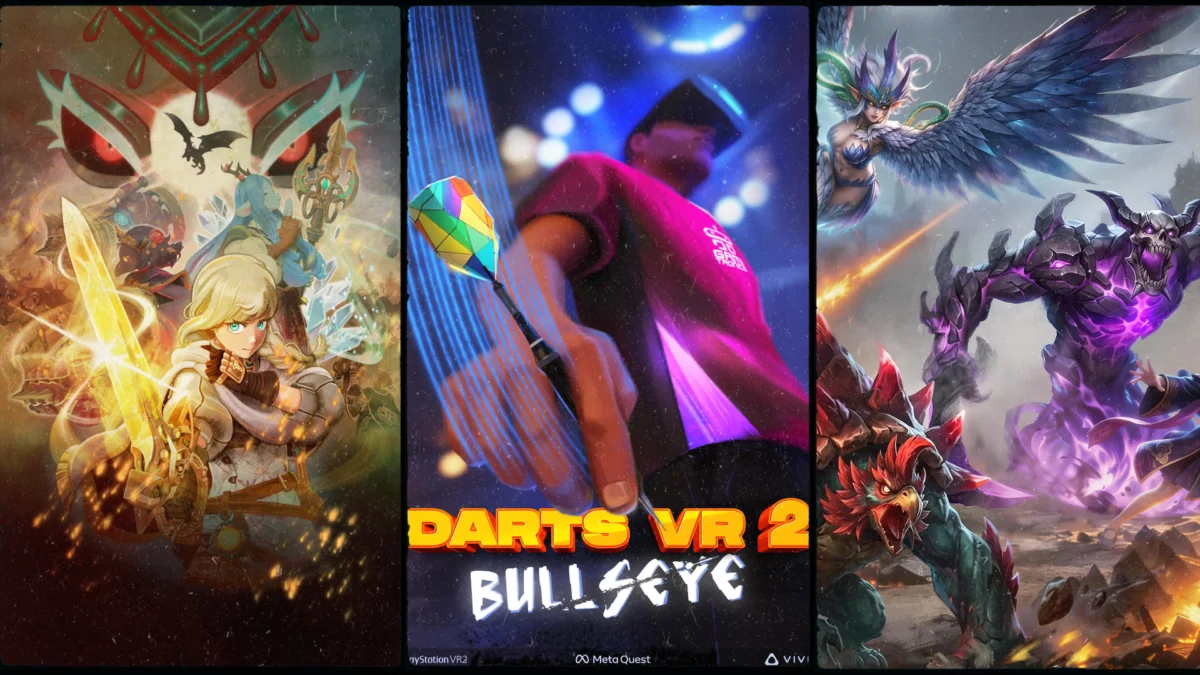
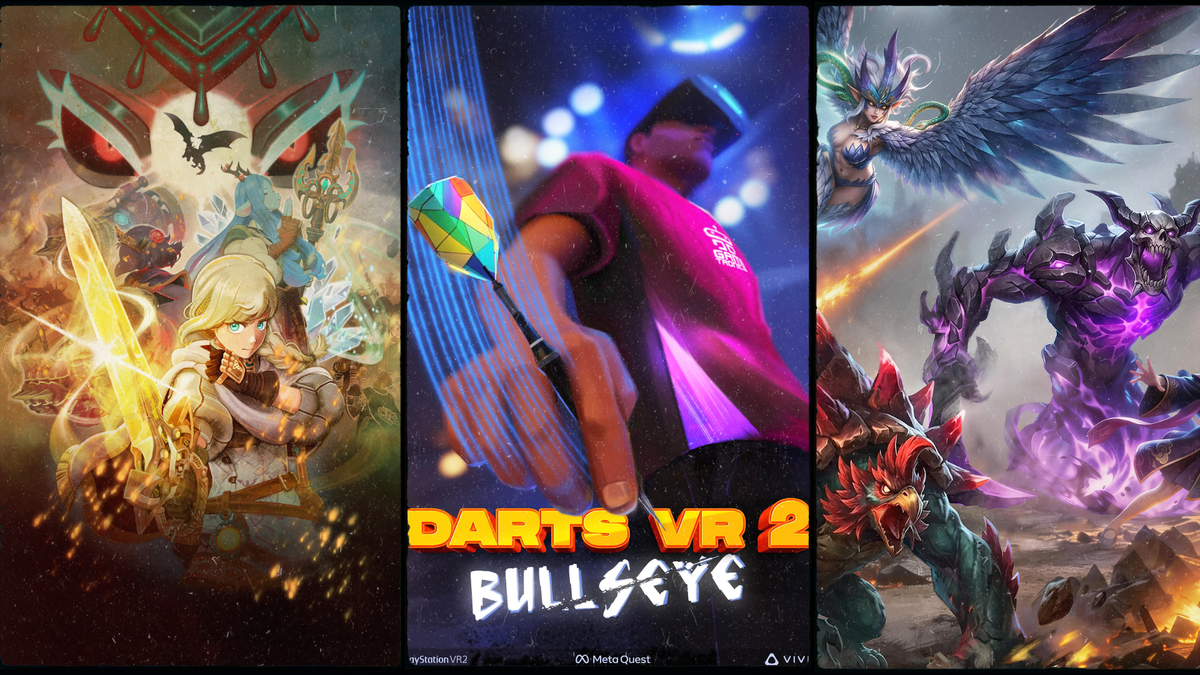
Currently, three major titles—Knights of Fiona, Darts VR2: Bullseye, and The Great Flood—represent the vanguard of this movement. By opening their doors to public testing, these developers are inviting players to act as architects of the final experience, ensuring that when these titles officially launch, they meet the high expectations of a more discerning VR audience.
Main Facts: The Current State of VR Playtesting
The current wave of VR testing focuses on three distinct genres: the cooperative Japanese Role-Playing Game (JRPG), the competitive sports simulator, and the innovative Mixed Reality Real-Time Strategy (RTS) game. Each of these projects highlights a different technical priority for modern VR development.
Knights of Fiona: Scaling the Social JRPG
Developed by Character Bank, the creative minds behind the critically acclaimed RuinsMagus, Knights of Fiona represents an ambitious leap into the world of cooperative JRPGs. Unlike its predecessor, which focused on a single-player narrative journey, Knights of Fiona is built from the ground up for social interaction. The game is currently conducting open beta sessions through August 16, 2026. This testing phase is particularly notable for its commitment to platform parity, offering access to both SteamVR and Meta Quest users with full crossplay support enabled.
Darts VR2: Bullseye: Precision and Esports Integration
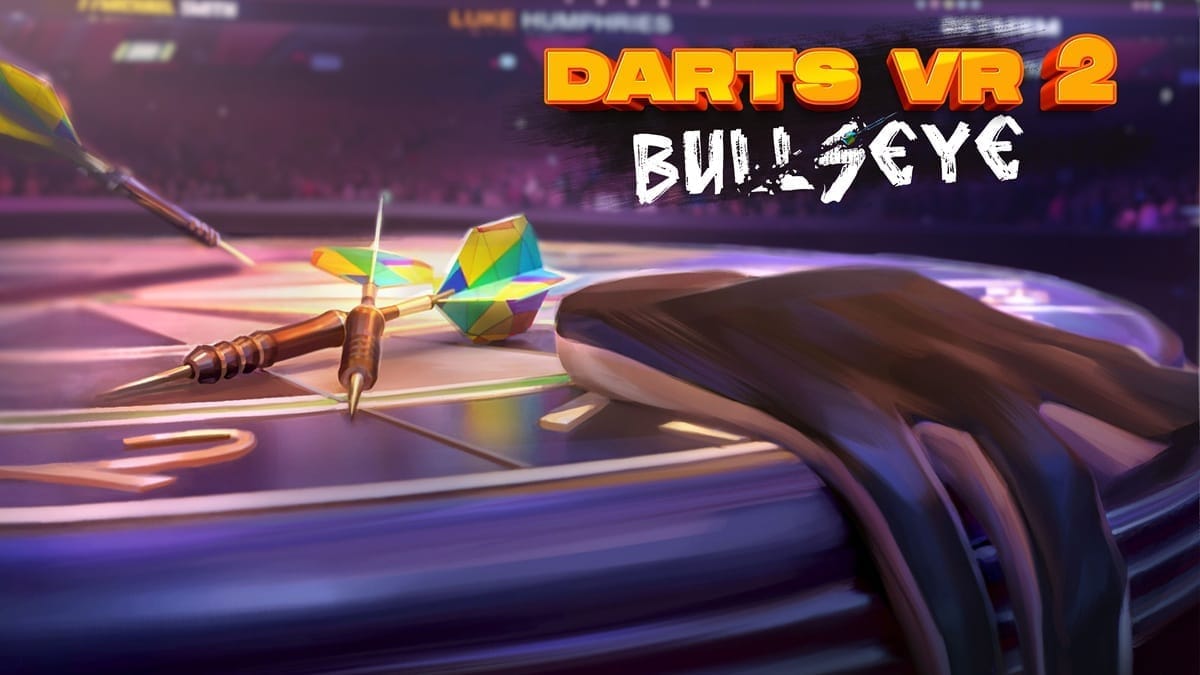
In the realm of competitive simulation, Darts VR2: Bullseye is carving out a niche as a high-stakes sports title. The developer is currently focusing on "League Play," a feature designed to propel the title into the burgeoning VR esports scene. With a release window set for Q3 2026, the current testing phase is vital for stress-testing the game’s four- and eight-player tournament structures. The inclusion of PlayStation VR2 alongside Quest and SteamVR indicates a push for a unified competitive community across all high-end VR hardware.
The Great Flood: The Mixed Reality RTS Frontier
Perhaps the most technically experimental of the trio is The Great Flood. Slated for a Q4 2026 release on the Meta Quest, this title utilizes Mixed Reality (MR) to overlay a Real-Time Strategy experience onto the user’s physical environment. The current two-week multiplayer test, which concludes on August 18, aims to solve the unique UI and spatial challenges inherent in managing an RTS battlefield that exists on a kitchen table or in a living room.
Chronology of Events: The Road to Release
The timeline for these testing phases reflects a busy summer and autumn for the VR industry, as developers race to polish their titles for the late-year holiday season.
- August 4, 2026: The Great Flood officially kicks off its two-week multiplayer testing window. This period is dedicated specifically to testing the stability of MR anchors in a shared network environment.
- August 10-16, 2026: Knights of Fiona enters its peak beta testing week. Character Bank schedules specific time slots to accommodate players in North America, Europe, and Asia, ensuring that the crossplay servers can handle global traffic.
- August 16, 2026: The open beta for Knights of Fiona concludes. Developers begin the process of data analysis, focusing on combat balance and party-finding mechanics.
- August 18, 2026: The Great Flood concludes its multiplayer test. The development team moves into a final "polishing phase" ahead of their Q4 launch.
- Late August 2026: Darts VR2: Bullseye continues its league testing. Unlike the others, this testing is ongoing through the game’s Discord community, allowing for a continuous loop of feedback as the Q3 launch approaches.
- Q3 2026: Official launch window for Darts VR2: Bullseye and its integrated League Mode.
- Q4 2026: Expected release of The Great Flood, marking a major milestone for MR-centric gaming on the Quest platform.
Supporting Data: Why Beta Testing Matters in VR
In traditional 2D gaming, beta tests are often used as "server stress tests" or marketing tools. In VR, however, the stakes are significantly higher. According to industry data, the "Comfort Rating" of a VR game is the single most influential factor in its long-term commercial success.
The Latency Challenge
In a game like Darts VR2: Bullseye, latency is the enemy of immersion. For a competitive dart throw to feel natural, the tracking data must be transmitted and rendered with sub-millisecond precision. Testing across Meta Quest (standalone), PSVR2 (tethered console), and SteamVR (PC-based) allows developers to gather data on how different network configurations affect the "throw feel."
The "Tabletop" MR Advantage
For The Great Flood, the move to Mixed Reality is a strategic one. Data from 2025 showed that RTS games in full VR often suffered from "spatial fatigue," where players felt overwhelmed by a 360-degree battlefield they couldn’t see while sitting down. By utilizing MR, The Great Flood keeps the player grounded in their real-world room, reducing nausea and allowing for longer play sessions. The current testing phase is collecting data on "Room Mapping" errors—specifically how the game’s AI pathfinding handles real-world obstacles like sofas or pets.
Crossplay and Community Retention
The decision for Knights of Fiona to support crossplay from the beta stage is backed by statistics showing that VR titles with cross-platform capabilities have a 40% higher player retention rate after the first month. By ensuring Quest and PC players can quest together, Character Bank is attempting to build a critical mass of players necessary for a healthy JRPG ecosystem.
Official Responses and Developer Outreach
The developers of these titles have been unusually transparent, utilizing modern communication tools to bridge the gap between the studio and the player base.
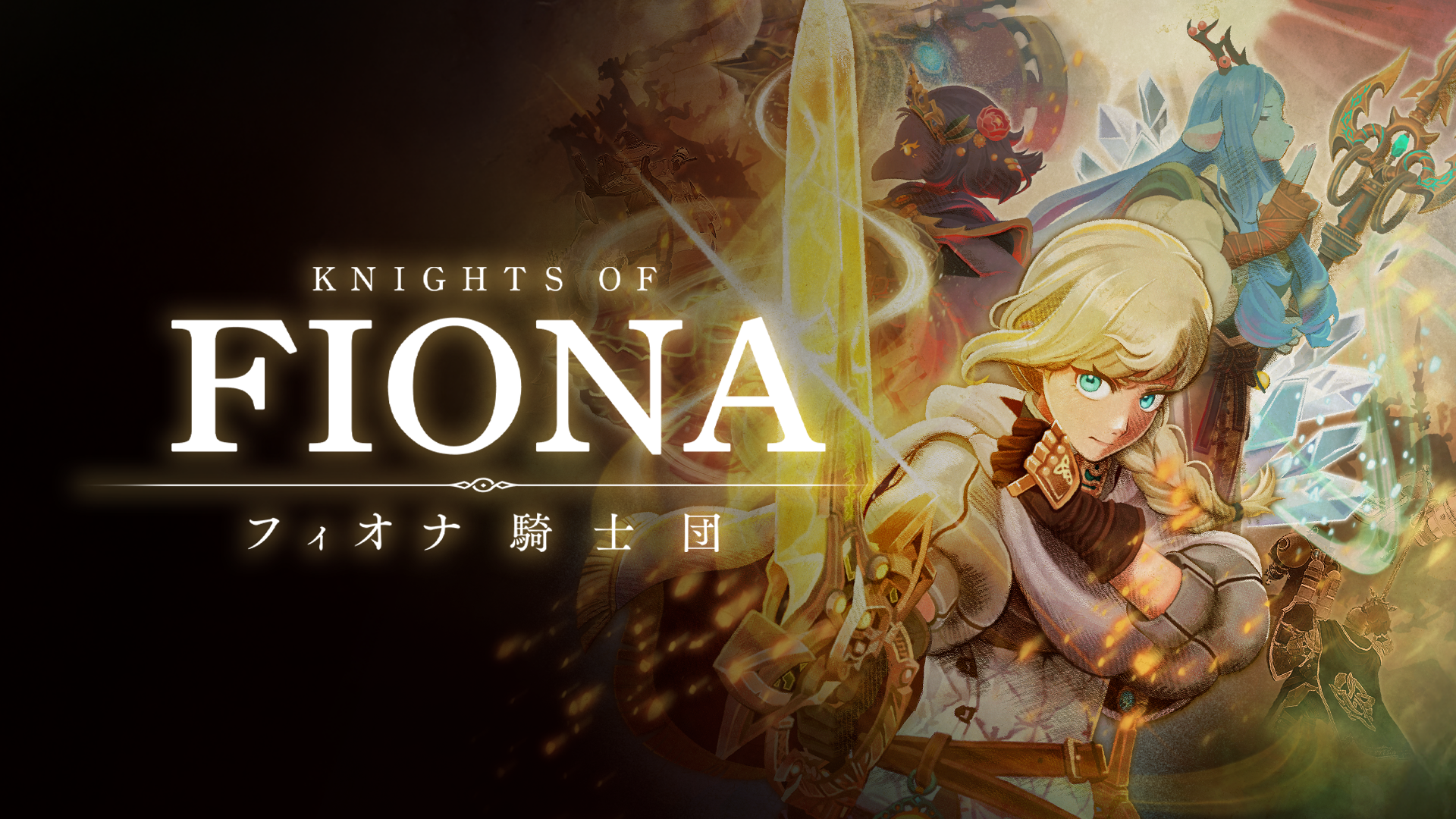
Character Bank (Knights of Fiona): The studio has emphasized that the beta is not just about bugs, but about the "feel" of magic and swordplay. In a statement regarding the Steam and Quest sessions, the team noted: "The feedback from our RuinsMagus community was instrumental in shaping our world-building. With Knights of Fiona, we are asking players to help us define what ‘Co-op’ means in a JRPG setting. We want to know if the gestures for spells feel intuitive when you’re standing next to a friend."
The Darts VR2 Team: The developers have taken a "community-first" approach by hosting live voice channels on Discord. "We aren’t just looking for bug reports; we’re looking for league commissioners," a representative stated. By allowing players to chat directly with the dev team between matches, they are fostering a sense of ownership among the early adopters who will eventually lead the game’s professional leagues.
The Great Flood Development Team: Their approach is more data-centric, utilizing Google Forms to categorize specific MR glitches. Their outreach emphasizes the "pioneer" aspect of MR gaming: "This is a new frontier for the RTS genre. We are learning alongside our players how to best utilize the physical space of a home as a digital war zone."
Implications: The Future of the VR Industry
The current state of testing for these three games signals several broader trends that will likely define the VR industry through the end of the decade.
1. The Death of Platform Silos
The fact that all three titles are pushing for crossplay—even in their testing phases—suggests that the era of platform-exclusive multiplayer in VR is coming to an end. For the medium to thrive, the player base must be unified. Developers are no longer willing to gamble on the success of a single headset; they are building "hardware-agnostic" experiences.
2. The Rise of "Social First" Design
Knights of Fiona and Darts VR2 both prioritize the presence of other people. This reflects a shift away from the "isolated" VR experiences of the early 2020s toward a "Metaverse-lite" approach, where the game is a venue for social gathering as much as it is a challenge to be overcome.
3. Mixed Reality as a Productivity and Gaming Hybrid
The Great Flood represents the "Quest 3/Pro" legacy—the idea that the most comfortable way to play is not to leave the world entirely, but to enhance it. If The Great Flood succeeds in its Q4 launch, it may pave the way for other classic genres (like 4X strategy or digital board games) to move into the MR space.
4. Professionalization of VR Sports
By building league modes directly into the infrastructure of Darts VR2, the developers are betting on VR as a legitimate platform for esports. Unlike traditional esports, which require high-APM (actions per minute) keyboard clicking, VR esports require physical grace and muscle memory, potentially attracting a different demographic of athletes and viewers.
Conclusion
The window of testing for Knights of Fiona, Darts VR2: Bullseye, and The Great Flood offers a rare glimpse into the "construction site" of tomorrow’s entertainment. For players, it is an opportunity to influence the mechanics of their favorite genres. For the industry, it is a vital period of refinement that will determine whether VR and MR can finally achieve the mainstream ubiquity that has been predicted for years. As the August 16 and 18 deadlines approach, the data gathered will undoubtedly shape the landscape of virtual gaming for the remainder of 2026 and beyond.