The Guardian of Middle-earth: Decoding Christopher Tolkien’s Resentment Toward the Peter Jackson Trilogy
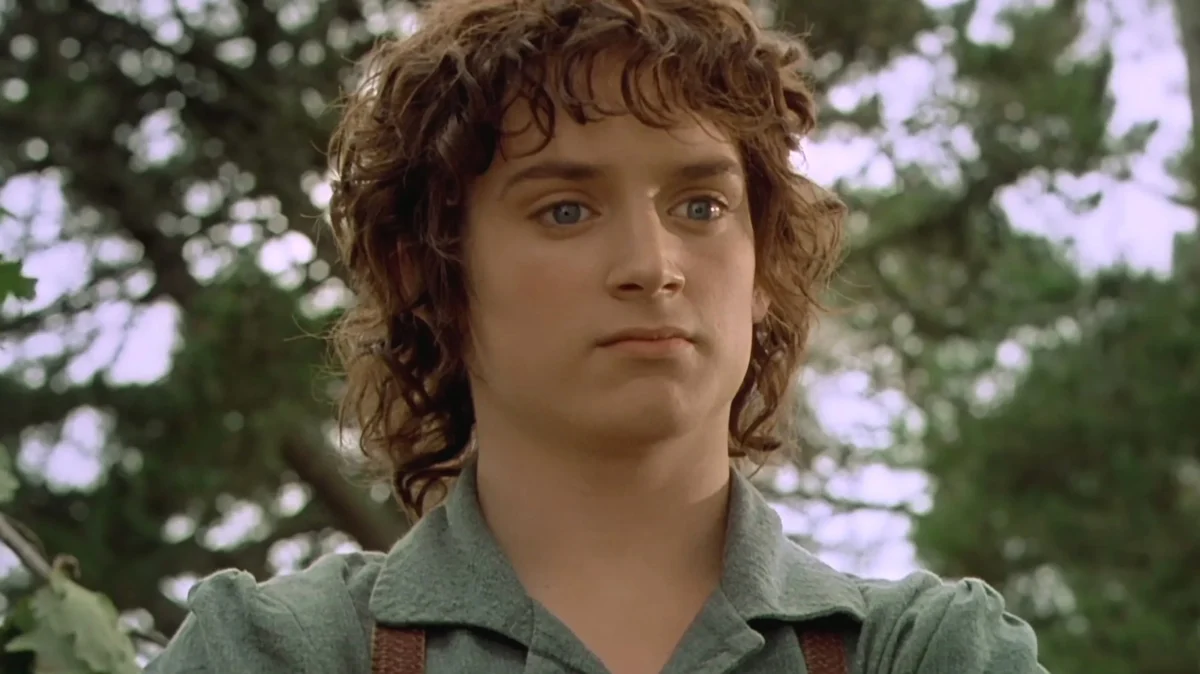
The cinematic adaptation of J.R.R. Tolkien’s The Lord of the Rings is widely regarded as one of the greatest achievements in film history. Directed by Peter Jackson, the trilogy garnered 17 Academy Awards, grossed nearly $3 billion worldwide, and revitalized the fantasy genre for a 21st-century audience. However, amidst the global acclaim and the fervor of a burgeoning "Ringers" fanbase, one voice remained steadfastly critical: Christopher Tolkien.
As the son of J.R.R. Tolkien and the lifelong steward of his father’s literary legacy, Christopher’s disdain for the films was not merely a matter of taste; it was a fundamental philosophical objection. To understand why the man most responsible for the survival of Middle-earth’s lore felt the films "eviscerated" the books, one must look at the deep-seated tension between literary depth and cinematic commercialism.
Main Facts: A Legacy at Odds with Hollywood
Christopher Tolkien, who passed away in 2020 at the age of 95, served as the literary executor of the Tolkien Estate for decades. His relationship with Peter Jackson’s films was famously icy. While the world celebrated the visual splendor of New Zealand’s landscapes and the cutting-edge CGI of Gollum, Christopher saw a "monster" born of popularity.
In a rare and scathing 2012 interview with the French newspaper Le Monde, Christopher articulated his grievances with devastating clarity. He argued that the films had reduced his father’s complex, philosophical, and linguistically rich epic to a series of "action movies for young people aged 15 to 25." His primary objection was that the "commercialization" of the work had "reduced the aesthetic and philosophical impact of the creation to nothing."
For Christopher, The Lord of the Rings was never intended to be a spectacle of war. It was a meditation on loss, death, linguistics, and the fading of an ancient world. By prioritizing the "thrill" of the Battle of Helm’s Deep over the internal struggles and poetic nuances of the text, Christopher felt Jackson had missed the soul of the Legendarium entirely.
Chronology: From the Inkling’s Pen to the Silver Screen
To understand Christopher’s perspective, one must trace the timeline of the Tolkien legacy and the eventual transfer of film rights:
1. The Early Stewardship (1973–1990s)
Following J.R.R. Tolkien’s death in 1973, Christopher took on the Herculean task of organizing thousands of unpublished pages. He edited and published The Silmarillion (1977), followed by the 12-volume History of Middle-earth. During this time, the film rights—which J.R.R. Tolkien had sold in 1969 to United Artists for a relatively small sum to cover a tax bill—remained largely dormant or were used for animated attempts (such as Ralph Bakshi’s 1978 film).
2. The Jackson Era (1997–2003)
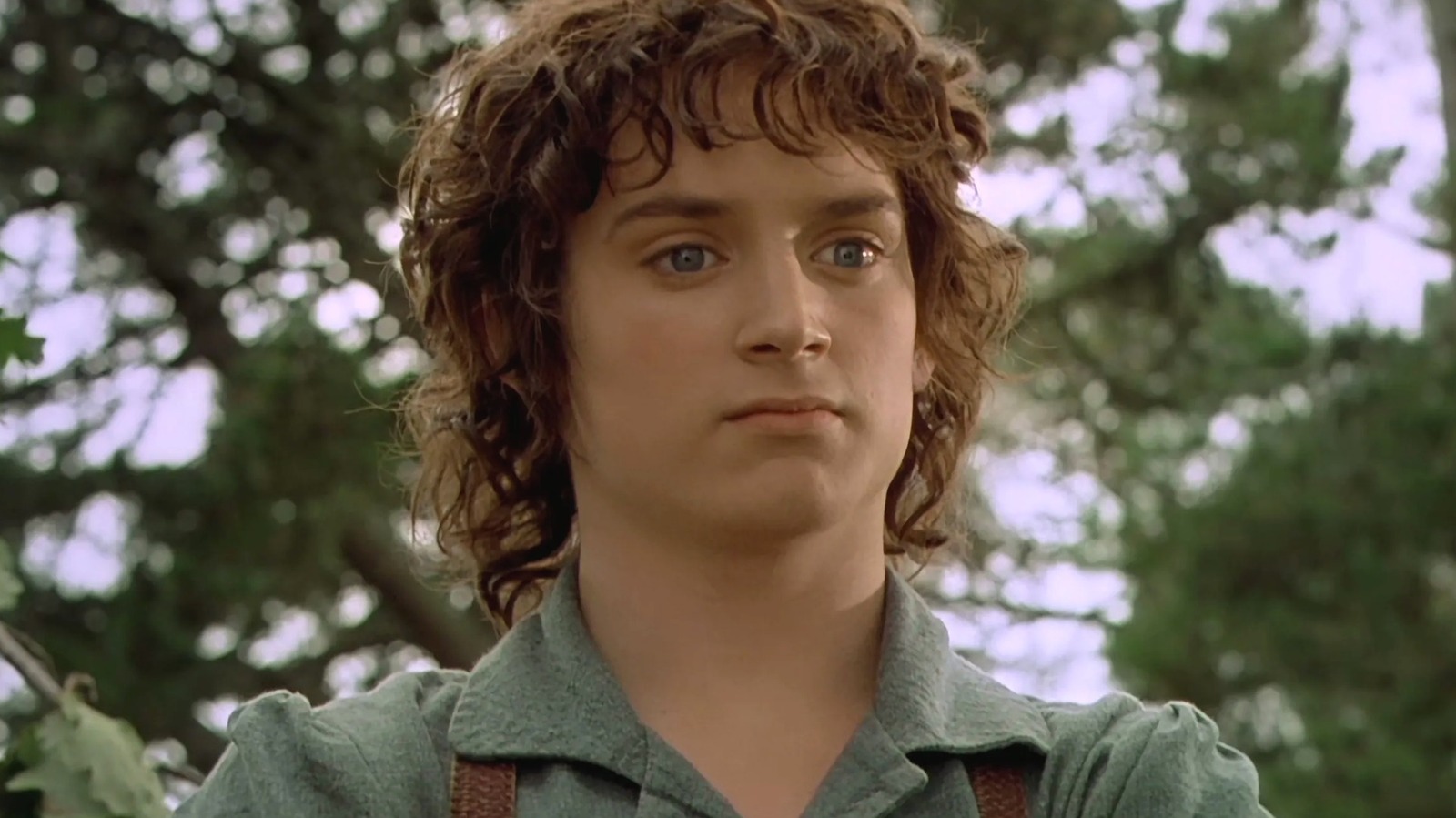
When New Line Cinema greenlit Peter Jackson’s live-action trilogy in the late 1990s, the Tolkien Estate had no legal power to stop it. The rights were owned by Saul Zaentz’s Middle-earth Enterprises. Christopher watched from the sidelines as the production transformed his father’s work into a global pop-culture phenomenon.
3. The Legal and Public Rift (2008–2012)
The tension became public and legal in 2008 when the Tolkien Estate sued New Line Cinema, claiming they were owed 7.5% of the profits from the films, a figure estimated at $150 million. The suit was settled out of court in 2009. This financial friction only deepened Christopher’s resolve that Hollywood was interested in the "brand" of Tolkien rather than the "substance."
4. The Final Statement and Passing (2012–2020)
The 2012 Le Monde interview served as Christopher’s definitive stance. He spent his final years continuing to publish his father’s drafts, including Beren and Lúthien and The Fall of Gondolin, ensuring the literary world remained the primary focus. Following his death in 2020, the Estate’s stance appeared to soften, leading to the massive deal with Amazon for The Rings of Power.
Supporting Data: The Depth of the Literary Preservation
Christopher Tolkien was not merely a "disgruntled heir." His objections were rooted in a level of intimacy with the source material that no director could replicate.
The Editorial Achievement
Christopher spent over 40 years meticulously reconstructing the mythology of Middle-earth. His work on The Silmarillion alone involved synthesizing disparate notes into a coherent narrative. He was the primary cartographer for the original books, drawing the maps that defined the geography of the Third Age. To Christopher, Middle-earth was a historical and linguistic project; to Hollywood, it was a "franchise."
The "Action Movie" Critique
Analysis of Jackson’s films shows a significant shift in tone compared to the books. For example:
- The Battle of Helm’s Deep: In the book, this is a relatively short chapter focused on the desperation of the defenders. In the film The Two Towers, it occupies nearly 40 minutes of screen time, emphasizing martial prowess and cinematic choreography.
- Character Changes: Jackson altered characters to fit traditional Hollywood arcs. Faramir, who in the books says he would not pick up the One Ring if he found it by the highway, is shown in the films as being tempted by it, a change Christopher found contrary to the character’s core morality.
- The Removal of the Scouring of the Shire: The final chapters of the book, which deal with the hobbits returning home to find it corrupted by industrialization, were cut from the films. For J.R.R. Tolkien, this was the most essential part of the story; for Jackson, it was an anti-climax that slowed the film’s pacing.
Official Responses and Internal Family Conflict
The Tolkien family was not a monolith in its view of the films. This led to a public and painful rift between Christopher and his son, Simon Tolkien.
Simon Tolkien’s Perspective
Simon, a novelist himself, advocated for a more cooperative relationship with the film industry. In a 2001 interview with The Telegraph, Simon revealed that he wanted the Estate to take a "positive line" on the films, believing they could bring a new generation to the books. This disagreement led to a period of estrangement between father and son. Simon eventually served as a consultant for Amazon’s The Rings of Power, signaling a generational shift in the Estate’s strategy.
Peter Jackson’s Stance
Jackson has always maintained a respectful, if distant, tone regarding the Estate. He frequently described himself as a "fan" who wanted to bring the world to life for those who might find the books too dense. In response to the Estate’s cold shoulder during the development of The Rings of Power, Jackson noted that the streaming service eventually "ghosted" him, likely due to the Estate’s lingering desire to keep his specific visual "brand" separate from new adaptations.
Implications: The Future of Middle-earth and the Dilemma of Adaptation
The conflict between Christopher Tolkien and Peter Jackson highlights a broader dilemma in modern media: can a work of high art survive its own success?
The "Tolkien Monster"
Christopher’s fear that Tolkien had become a "monster devoured by his own popularity" has arguably come to pass. Middle-earth is now a multi-billion dollar industry encompassing video games, theme park rumors, and endless merchandise. While this has kept the stories alive, it has also led to what purists call "Tolkien-lite," where the themes of environmentalism, Catholicism, and philology are replaced by generic "good vs. evil" tropes.
The Standard of Faithfulness
The debate sparked by Christopher Tolkien has set the bar for all subsequent fantasy adaptations. Shows like Game of Thrones and The Wheel of Time are constantly measured against the "faithfulness" of Jackson’s Lord of the Rings, yet Christopher’s critique reminds us that even the most "faithful" cinematic adaptation is still a translation that loses the essence of the original language.
A Coexistence of Visions
Ultimately, the legacy of Christopher Tolkien serves as a necessary counterweight to the Hollywood machine. While Jackson’s films are masterpieces of cinema, Christopher’s scholarship ensures that the "beauty and seriousness" of the original texts remain available for those willing to look past the special effects. As the franchise expands further under the leadership of a new generation of the Tolkien family, the tension between the son’s literary devotion and the world’s cinematic hunger remains the defining characteristic of J.R.R. Tolkien’s enduring shadow.