The Intersection of Myth and Cinema: How Steven Spielberg’s ‘Disclosure Day’ Revives the Nixon-Gleason Alien Legend
In the pantheon of American urban legends, few stories are as surreal or as enduring as the alleged midnight rendezvous between President Richard Nixon and television icon Jackie Gleason. It is a tale that blends the high-stakes secrecy of the Cold War with the kitsch of 1970s variety television—a narrative where the leader of the free world supposedly showed the star of The Honeymooners the refrigerated remains of extraterrestrial beings.
For decades, this story circulated in the fringes of UFO subculture and tabloid headlines. However, with the release of Steven Spielberg’s latest geopolitical thriller, Disclosure Day, this infamous legend has been thrust back into the cultural zeitgeist. By dramatizing the encounter as a pivotal piece of whistleblown evidence, Spielberg and screenwriter David Koepp have transformed a long-dismissed "bar story" into a central pillar of modern cinematic lore.
Main Facts: The Legend Captured on Film
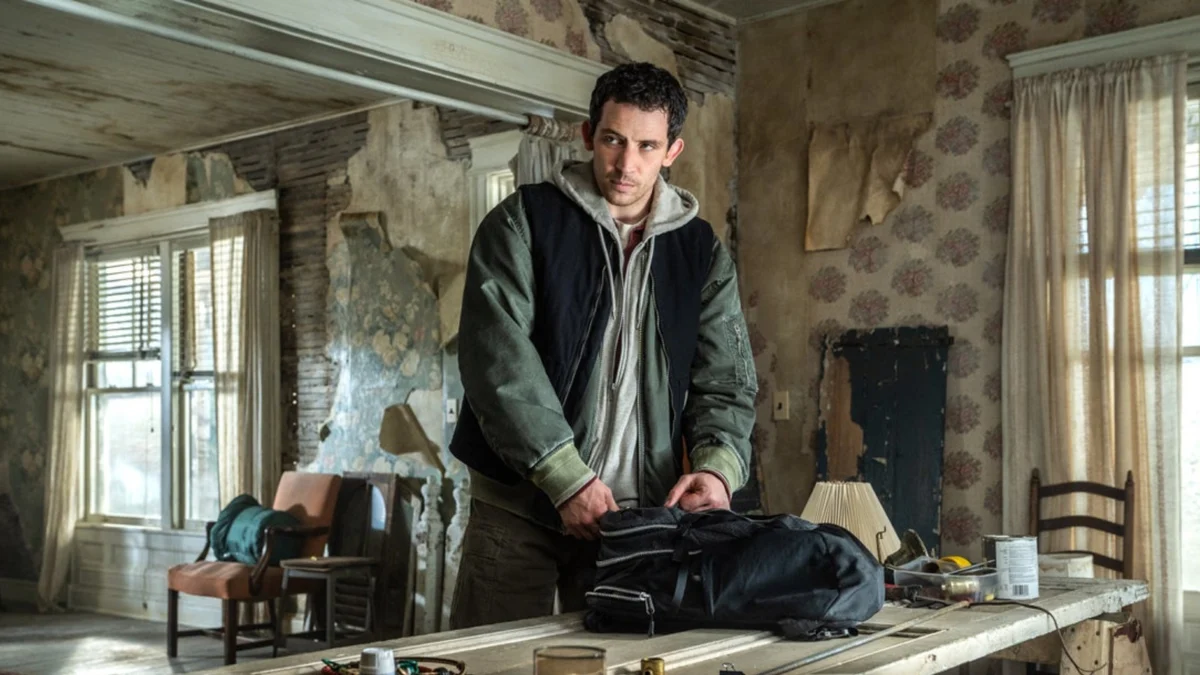
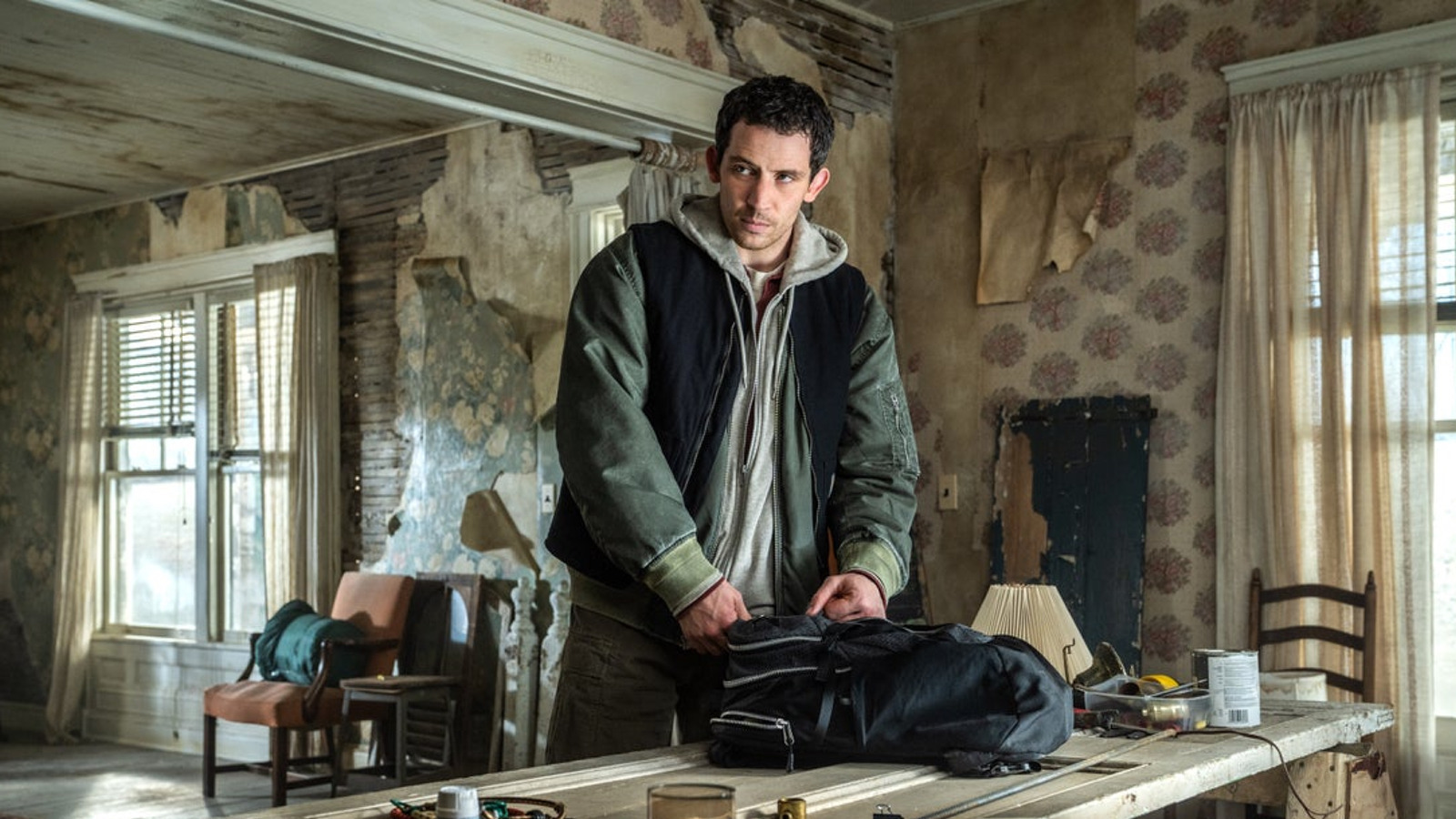
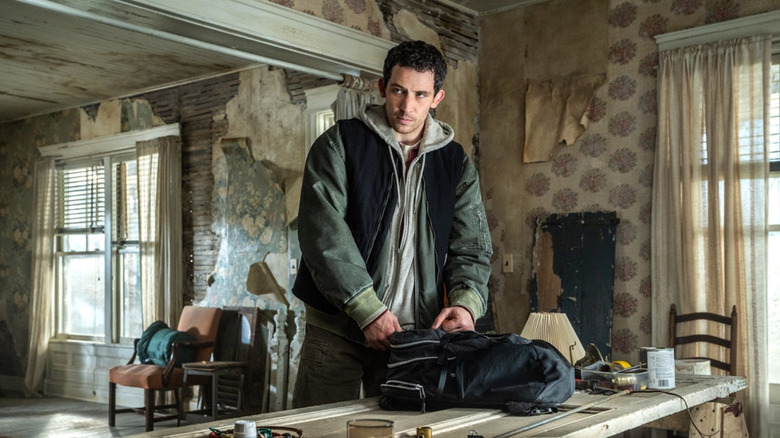
Disclosure Day follows the harrowing journey of Daniel Kellner (played by Josh O’Connor), a whistleblower who exfiltrates a cache of sensitive digital archives from a shadowy private defense contractor. Among these files is a grainy, black-and-white security reel that serves as the film’s "smoking gun."
In a standout sequence, Kellner shows the footage to his partner, Jane (Eve Hewson). The video depicts a clandestine meeting at a military installation. A man bearing the unmistakable silhouette and gait of Richard Nixon greets a portly, well-dressed individual. When Jane inquires about the visitor, Kellner identifies him simply as "some old TV comedian."
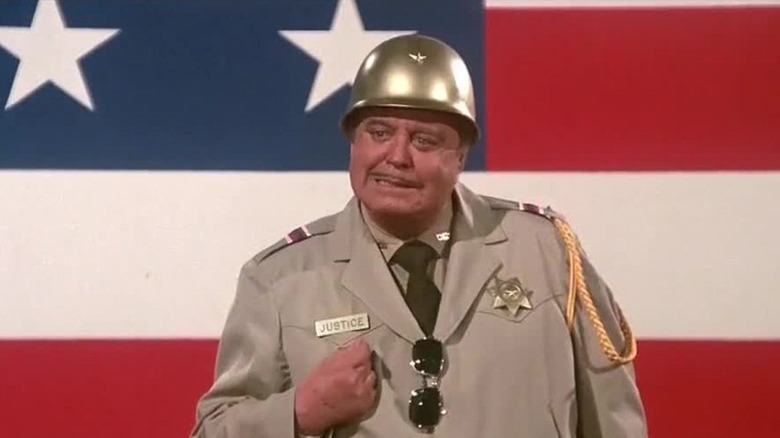
While the film stops short of naming him, the context is undeniable: this is Jackie Gleason. The footage continues into a restricted hangar where Nixon leads Gleason to a series of glass-topped containers—resembling commercial chest freezers—within which lie the mangled, diminutive forms of non-human entities.
The inclusion of this scene is not merely a "callback" for UFO enthusiasts; it serves as the film’s ideological anchor. It suggests that the "Great Secret" has been hidden in plain sight for generations, known to the powerful and shared only with those they deemed "safe" or like-minded.
Chronology: From Homestead Air Force Base to the Silver Screen
The timeline of the Nixon-Gleason legend is as convoluted as the Watergate scandal itself. To understand why Spielberg chose to revive it, one must trace its evolution from a private conversation to a global conspiracy theory.
1973: The Alleged Encounter
The story supposedly took place in 1973, at the height of Nixon’s domestic troubles. Nixon and Gleason were known associates; they shared a passion for golf and often spent time together in Florida. According to the legend, Nixon ditched his Secret Service detail (an act highly improbable but central to the myth) and drove Gleason to Homestead Air Force Base in Florida. It was here that the President allegedly gave the comedian a "private tour" of recovered wreckage and bodies from a crashed saucer.
1983: The Tabloid Revelation
The story remained a secret for a decade until Beverly Gleason, Jackie’s second wife, published an account in the National Enquirer. Following their divorce, Beverly claimed that Jackie had returned home the night of the incident visibly shaken. She alleged he told her, "I saw them, Bev. They look like little men." She later expanded on these claims in her book, describing Jackie’s lifelong obsession with the paranormal as the catalyst for Nixon’s "gift" of information.
1986: The Warren Confirmation
Shortly before his death in 1987, Gleason was reportedly approached by UFO researcher Larry Warren. Warren claimed that Gleason confirmed the story was "absolutely true," though the comedian was hesitant to provide further details, citing the potential for national security repercussions.
2026: The ‘Disclosure Day’ Integration
With the release of Disclosure Day, the legend enters its fourth stage: cultural fact-fiction. By presenting the encounter as "recovered footage," the film bypasses the skepticism usually reserved for tabloid stories, forcing the audience to grapple with the "what if" of the scenario.
Supporting Data: Jackie Gleason’s Extraterrestrial Obsession
While the Nixon encounter lacks physical evidence, the "supporting data" regarding Jackie Gleason’s personality lends the story a strange kind of verisimilitude. Gleason was not just a casual fan of science fiction; he was one of the world’s foremost private collectors of literature regarding the occult and UFOs.
Gleason’s home in Peekskill, New York, was famously dubbed "The Mothership." It was a custom-built, circular house designed to resemble a flying saucer, complete with a laboratory and a library housing thousands of volumes on unexplained phenomena. Friends and colleagues often remarked that Gleason would spend hours discussing the possibility of alien life, often with a level of intensity that transcended mere hobbyism.
Furthermore, Nixon’s own psychology plays into the lore. Known for his paranoia and his penchant for backchannel communications, the idea of Nixon sharing a secret with a celebrity friend to "show off" fits the darker, more eccentric interpretations of his character. Screenwriter David Koepp noted that this psychological profile was essential for the film. "Nixon was a man of secrets," Koepp stated in a recent interview. "The idea that he would have a ‘secret’ this big, and that he would share it in a moment of hubris with a fellow ‘king of his field,’ felt narratively honest to the era."
Official Responses and Historian Skepticism
Despite the narrative’s grip on the public imagination, official sources remain staunchly dismissive. Historians at the Richard Nixon Presidential Library and Museum have frequently pointed out the logistical impossibilities of the 1973 encounter.
"The notion that a sitting President could slip away from his Secret Service detail to drive a civilian to a high-security military base to view classified alien remains is, frankly, the stuff of fiction," says Dr. Elena Vance, a historian specializing in the Nixon era. "There is no record in the President’s daily diary of such a trip, and the security protocols of the era would have made it nearly impossible to execute without a paper trail."
Skeptics also point to the source of the original story: a disgruntled ex-wife selling a story to a tabloid. However, in the world of Disclosure Day, these official denials are reframed as part of a "centuries-long gaslighting campaign." Spielberg’s film posits that the lack of a paper trail is not evidence of absence, but evidence of the extreme lengths to which the "Deep State" will go to scrub the record.
David Koepp addressed this tension during the film’s press junket: "We aren’t trying to rewrite history books. We are trying to honor the ‘collective cultural memory.’ Whether it happened or not is almost secondary to the fact that we believe it could have happened. That belief says more about our relationship with the government than the actual event does."
Implications: The Power of Folklore in the Age of Transparency
The revival of the Nixon-Gleason legend in Disclosure Day carries significant implications for modern discourse on government transparency. We are currently living in an era where UAP (Unidentified Aerial Phenomena) hearings are being held in Congress, and former intelligence officers are testifying under oath about "non-human biologics."
By using a well-known urban legend, Spielberg bridges the gap between old-school conspiracy theories and modern-day whistleblowing. The film suggests that the "Disclosure" movement is not a new phenomenon, but a boiling point for secrets that have been simmering since the mid-20th century.
The implications for the film industry are equally notable. Disclosure Day signals a shift away from "alien invasion" movies (like Independence Day) and toward "alien information" movies. The horror is no longer found in the destruction of cities, but in the realization that the public has been denied a fundamental truth about their place in the universe.
Conclusion
Whether Richard Nixon truly showed Jackie Gleason the "mangled remains" of extraterrestrials in a Florida airbase remains one of history’s most tantalizing mysteries. While the evidence leans toward the story being a colorful fabrication of a legendary comedian and his estranged wife, its inclusion in Disclosure Day gives it a new lease on life.
Through the lens of Steven Spielberg, the Nixon-Gleason encounter is no longer a tabloid joke; it is a haunting metaphor for the walls built between the powerful and the governed. As Disclosure Day continues to dominate the box office, the legend of the President and the Comedian serves as a reminder that in the realm of the unexplained, the truth is often less important than the stories we choose to believe.