
The Profound Tapestry of Soul Connections: A Journey of Resonance and Self-Discovery

"Soul connections are not often found and are worth every bit of fight left in you to keep." – Shannon L. Alder
In the intricate dance of human relationships, certain encounters transcend the ordinary, leaving an indelible mark on our consciousness. These are the moments when a glance feels like a homecoming, a conversation erases the boundaries of time, or another’s presence evokes a profound sense of belonging. Such experiences point to what many describe as "soul connections"—magical moments of deep kinship that resonate beyond superficial interactions.
While popular culture often imbues the concept of soul connections with whimsical, new-age interpretations—such as past-life ties or belonging to a shared "soul group"—a more grounded understanding can be equally profound. This article seeks to establish a down-to-earth definition, exploring the essence of these connections through the lens of resonance and their transformative potential for individual growth and self-knowledge.
At its core, a soul connection can be defined as a state of resonance—an energetic alignment where two individuals operate on the same vibrational wavelength. This phenomenon is akin to the sympathetic vibration between two instruments: if two guitars in a room are tuned to the same pitch, plucking a ‘D’ string on one will cause the ‘D’ string on the other to mysteriously hum in response. In human terms, this translates to an effortless understanding, a shared emotional frequency, and a deep, often unspoken, recognition.

This guide delves into the fundamental role of inner work in cultivating and sustaining these sacred kinships, distinguishes between genuine connection and mere projection, and explores the diverse forms these profound bonds can take, from the fleeting to the lifelong. Ultimately, it posits that every soul connection serves as a vital path back to the self, illuminating our inner landscape and calling us towards deeper love and authenticity.
The Foundational Role of Inner Work: Why Self-Knowledge is Paramount
"The aim of conscious love is to bring about rebirth." – A.R. Orage
Before exploring the various manifestations of soul connections, it is crucial to establish the bedrock upon which they thrive: conscious engagement and rigorous inner work. For these profound bonds to be fully received, to genuinely transform, awaken, and foster personal growth, they must be approached with intention and self-awareness. They are not merely passive experiences but active arenas for personal development—living, breathing teachers designed to illuminate both our light and our shadows.
Beyond Superficial Bonds: The Essence of Conscious Connection
Unlike "ego connections," which typically revolve around superficial likes, dislikes, shared interests, or external circumstances, soul connections penetrate far deeper. They bypass the persona we present to the world and delve into the authentic core of our being. An ego connection might be built on shared hobbies or professional networking, offering companionship or convenience. A soul connection, however, touches the very essence of who we are, demanding a level of vulnerability and authenticity that can be both exhilarating and challenging. It is in this depth that true transformation is forged.
Navigating the Depths: Wounds, Shadow, and the Deeper Self
Soul connections inevitably bring us face-to-face with our buried wounds, our disowned power, and the mysteries of our Deeper Self, or Soul. These relationships act as potent mirrors, reflecting aspects of ourselves we might otherwise ignore or suppress. Without a commitment to personal growth and the courage to confront our core wounds and "shadow parts"—the unconscious aspects of our personality that we deem negative or unacceptable—it becomes remarkably easy to project our internal darkness onto the other.
Unhealed emotional baggage distorts our perception of intimacy, leading to misunderstandings, conflict, and ultimately, the undermining of genuine connection. It can manifest as codependency, unrealistic expectations, or a cycle of emotional pain, mistakenly attributed to the other person rather than originating from within. Therefore, active engagement in inner work—practices like self-reflection, therapy, mindfulness, or spiritual inquiry—is not merely beneficial but vital for any relationship, especially spiritual relationships, to truly flourish.
Relationships as Catalysts for Rebirth
Clinical psychologist John Welwood eloquently captures this transformative potential in his book, Toward a Psychology of Awakening, stating: "For many of us today… intimate relationship has become the new wilderness that brings us face to face with all our gods and demons. It is calling on us to free ourselves from old habits and blind spots, and to develop the full range of our powers, sensitivities, and depths as human beings—right in the middle of everyday life." This perspective reframes relationships not as mere sources of comfort or companionship, but as powerful crucibles for personal and spiritual rebirth. They challenge us to shed outdated patterns, confront our fears, and expand our capacity for love and empathy.
Indeed, it can be argued that all relationships in life, whether fleeting or enduring, harmonious or challenging, serve as soul connections. Even interactions that lack overt resonance can offer profound opportunities for growth, albeit sometimes through negative circumstances. The most "spiritual" aspect of any connection, after all, is the presence of love and mutual respect. Therefore, the question of whether a relationship can survive if it isn’t explicitly "spiritual" becomes secondary to the presence of these foundational values.

The Diverse Manifestations of Soul Connections
Life’s journey, if we are fortunate, allows us to experience multiple forms of soul connection. These range from fleeting, impactful encounters to deep, enduring bonds that shape our very identity. While some individuals may experience only one or two profoundly, the spectrum is broad and rich.
A Spectrum of Kinship: From Fleeting Encounters to Enduring Bonds
Soul connections manifest in various archetypes, each offering unique lessons and experiences:
- Kindred Spirits: These are often platonic bonds characterized by an instant sense of familiarity and mutual understanding. They share similar values, perspectives, and often a common life path or purpose. Conversations flow effortlessly, and there’s a deep sense of camaraderie and support. Kindred spirits enrich life with companionship and validation.
- Karmic Connections: These relationships are typically intense, challenging, and often cyclical. They enter our lives to teach specific lessons, often related to unresolved issues from the past or patterns that need to be broken. While they can be tumultuous and emotionally demanding, they serve as powerful catalysts for growth, pushing us to confront our weaknesses and heal old wounds. They may not be long-term, but their impact is undeniable.
- Platonic/Familial Soul Mates: These are deep, supportive, and enduring bonds with friends or family members that feel like an extension of oneself. There is an unwavering sense of loyalty, unconditional acceptance, and a profound emotional intimacy. These connections provide a safe harbor and a sense of belonging, often lasting a lifetime.
- Romantic Soul Mates: This is the classic soulmate connection, characterized by a profound romantic love, deep understanding, and mutual growth. There is an undeniable chemistry, emotional resonance, and a shared vision for the future. These relationships foster a sense of completeness and provide a nurturing environment for both partners to evolve.
- Divine Counterparts (e.g., Twin Flames): This archetype describes the most intense and often tumultuous form of connection, believed by some to be two halves of the same soul. Such connections are designed for profound spiritual awakening and accelerated growth, frequently involving periods of separation and reunion. However, it is imperative to approach this concept with caution. Without immense inner work and a strong sense of self, these relationships can easily devolve into trauma bonding, unhealthy codependency, and projection, as the original article warns against the "new age nonsense" often associated with the "twin flame" narrative. True divine counterpart connections, if they exist, demand radical self-awareness and an unwavering commitment to individual healing.
The Nuances of Love: An Exploration of Seven Types
One of the most enriching aspects of soul connections is the diverse forms of love they can evoke. Drawing upon ancient Greek philosophies, Mateo’s exploration of different types of love provides a comprehensive framework:
- Eros (Passionate Love): This is the intense, romantic, and often idealized love characterized by strong physical attraction and desire. In soul connections, Eros can manifest as an overwhelming pull towards the other, a profound sense of destiny, and a deep longing for union.
- Philia (Affectionate Love): This type of love encompasses deep friendship and camaraderie. It is characterized by loyalty, companionship, and shared values. In soul connections, Philia forms the backbone of mutual respect and understanding, providing a stable and supportive foundation.
- Storge (Familial Love): Storge represents a deep, enduring affection and familiarity, often found within family bonds or between long-term friends. It’s a comfortable, steady love built on shared history and mutual care. Soul connections often evoke a sense of Storge, making individuals feel like "family" even if they are not biologically related.
- Agape (Unconditional Love): While the original article noted this as rare for "imperfect and flawed beings," Agape represents selfless, universal love. It is altruistic, compassionate, and embraces the well-being of the other without expectation. While truly pure Agape may be a spiritual ideal, soul connections can provide glimpses of this profound love, pushing us to expand our capacity for empathy and acceptance.
- Ludus (Playful Love): This is lighthearted, flirtatious love, characterized by fun and enjoyment without deep commitment. While often associated with casual encounters, Ludus can add an element of joy and spontaneity to more profound soul connections, keeping the relationship vibrant and fresh.
- Pragma (Enduring Love): Pragma is practical, committed love that develops over a long period. It is built on compromise, understanding, and a shared vision for the future. Soul connections that mature into long-term partnerships often embody Pragma, demonstrating resilience and a dedication to making the relationship work through life’s challenges.
- Philautia (Self-Love): Crucially, Philautia is the love of oneself. It is not narcissism but a healthy self-esteem and self-respect that allows an individual to give and receive love authentically. A strong sense of Philautia is indispensable for healthy soul connections, preventing codependency and ensuring that one enters relationships from a place of wholeness rather than neediness.
Understanding these various expressions of love allows individuals to better appreciate the multifaceted nature of their soul connections and to cultivate a more balanced and fulfilling relational life.

Cultivating Authenticity: The Power of Solitude
"No matter how close to another person we may be, part of us is radically and forever alone and, in its own way, wild and free. If we use a relationship to deny this, it can only be superficial or distorted, for it will not be aligned with reality." – John Welwood
Paradoxically, the capacity for profound connection is inextricably linked to the ability to embrace solitude. Without learning to be comfortable and complete in one’s own company, any connection with another risks being sourced from a place of neediness, fear of abandonment, or an attempt to fill an internal void.
The Lone Wolf’s Wisdom: Solitude as a Prerequisite for Connection
Embracing the "lone wolf" within—that wild, soulful essence of freedom and self-sufficiency—is not an act of isolation but a vital prerequisite for authentic relationships. It involves cultivating a deep inner world, understanding one’s values, desires, and boundaries independently of others. When individuals can stand alone, secure in their own being, they enter relationships not to complete themselves, but to share their completeness. This foundational self-reliance safeguards against codependency, where one’s sense of identity or happiness becomes unduly dependent on another.
Making Peace with Aloneness
For some, solitude is not merely a phase but a profound life calling, a spiritual path in itself. For others, periods of aloneness are necessary for introspection, healing, and recalibration. John Welwood’s insight into our "radically and forever alone" part underscores the importance of acknowledging and honoring this innate aspect of human existence. Denying this inherent aloneness within a relationship can lead to superficiality or distortion, as it creates an artificial dependence that is ultimately unsustainable.

As psychotherapist Thomas Moore emphasizes in Original Self: "The way to find a soul mate is to be a person with soul." This powerful statement highlights that the search for external connection should first begin with internal cultivation. Desperately seeking love from an empty place often leads to exhaustion, despair, and attracting relationships that reflect that internal state. Moore further asserts: "The capacity for solitude is a prerequisite for intimacy with another. Otherwise, it may well be that the desperate search for a partner is merely the expression of personal emptiness, and if that is the case, any relationship will be founded on weak grounds and will not satisfy the yearning for connection." Therefore, making peace with our aloneness, nurturing our inner world, and embracing our individual journey are indispensable steps toward forming truly healthy and meaningful soul connections.
Discerning True Connections from Illusions
When the potent forces of love and idealism converge, particularly in intense connections, the human mind is susceptible to considerable delusion. This phenomenon is precisely why concepts like "twin flames" have, for some, become burdened with false projections, trauma bonding, and unhealthy codependency dynamics, often veering into what the original article terms "new age nonsense." Discerning a genuine soul connection from a mental fantasy or wishful projection requires critical self-awareness and an honest assessment of the relationship’s dynamics.
Beyond Idealism: Navigating Projection and Fantasy
The allure of an "ultimate" connection can blind individuals to glaring red flags, rationalize unhealthy behaviors, and perpetuate cycles of pain. Projection occurs when we attribute our own unconscious feelings, desires, or wounds onto another person, creating an idealized or demonized image that doesn’t align with their true self. Fantasy, on the other hand, involves constructing an imagined relationship based on desires rather than reality, often ignoring inconvenient truths. Both can lead to profound disappointment and perpetuate cycles of relational dysfunction.
A Self-Interrogative Framework
To navigate this delicate terrain and distinguish true resonance from illusion, individuals must engage in a process of self-interrogation, asking pointed questions that challenge their perceptions:

- Do you feel an inexplicable pull towards this person despite the presence of clear red flags, emotional instability, or repeated patterns of disappointment? A genuine soul connection fosters growth and well-being, not consistent distress or rationalization of unhealthy behavior. Answering yes might indicate trauma bonding or the projection of unresolved childhood wounds onto the other.
- Are you perpetually waiting for this individual to "change," "awaken," or fulfill a specific role you’ve assigned them? True connection honors the other person as they are, supporting their growth without demanding their transformation to fit an ideal. A "yes" here could signal an attempt to control or fantasize rather than accept reality.
- Do you believe that your life would be incomplete, meaningless, or fundamentally broken without this person? While deep connections are profoundly enriching, a healthy individual maintains a strong sense of self-worth and purpose independent of any relationship. An affirmative answer points towards codependency and a lack of self-sufficiency.
- Do you consistently ignore your gut feelings, intuition, or rational concerns because of the perceived "intensity" or "destiny" of the connection? Intense feelings, while characteristic of some soul connections, should not override common sense, personal boundaries, or intuitive warnings. Overriding these signals can lead to denial and a deepening of delusion.
- Is your happiness, sense of self-worth, or emotional stability largely contingent on their presence, validation, or approval? A healthy soul connection supports mutual flourishing, but individual happiness and self-worth must originate from within. Relying solely on another for these vital aspects of life indicates external validation seeking rather than internal completeness.
Answering "yes" to any of these questions serves as a critical warning. It suggests that internal "baggage"—unhealed wounds, unmet needs, or unrealistic expectations—may be clouding judgment and projecting fantasies onto the relationship. Addressing these internal issues through dedicated inner work is paramount before fully embracing any narrative of "one true love" or "fated connection." As explored in discussions on soulmate love myths, many false beliefs can hinder the development of authentic and healthy bonds.
Conclusion: Soul Connection as a Path of Return to the Self
"Spiritual partners recognise the existence of the soul, and consciously seek to further its evolution." – Gary Zukav
When all facets of soul connections are considered—their profound nature, the necessity of inner work, the spectrum of their manifestations, and the discernment required to navigate them—one overarching purpose emerges: to awaken our hearts to love and call us back home to ourselves.
All forms of soul connections, irrespective of whether they are platonic or romantic, are inherently spiritual. They function as potent mirrors, reflecting not only our strengths and light but also our weaknesses, our fears, and our hidden darkness. Through these reflections, they offer invaluable opportunities for self-discovery, healing, and evolution. As Gary Zukav highlights, spiritual partners actively engage in the conscious furtherance of the soul’s evolution, both their own and their partner’s.
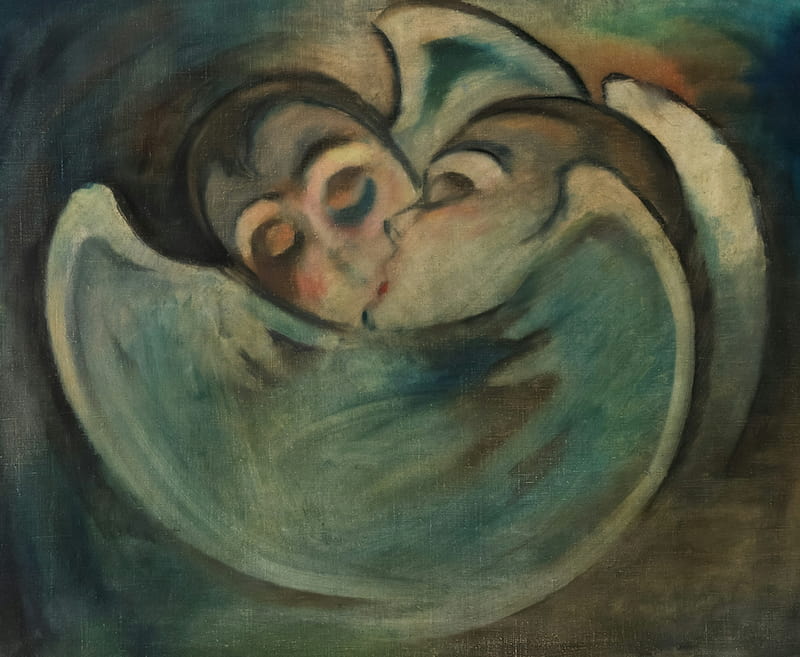
Ultimately, the deepest and most enduring soul connection any individual will ever experience is with their own soul. This internal kinship is the wellspring from which all external connections draw their meaning and power. Soul recovery—the process of reconnecting with one’s authentic self, healing fragmented parts, and embracing inner wholeness—is the true goal illuminated by all soulful connections. They serve as potent reminders that the Beloved is not solely an external entity to be found, but an intrinsic presence residing within one’s own heart.
As the Sufi mystic Rumi profoundly encapsulated: "Lovers don’t finally meet somewhere. They’re in each other all along." This timeless wisdom underscores that the journey of soul connection is not merely about finding another, but about remembering and returning to the love and wholeness that resides within. These relationships, in all their forms, are sacred guides on the path of self-realization, leading us ever closer to the profound truth of our own being.


