From N64 to Meta Quest: The Technical Triumph of the Perfect Dark VR Port
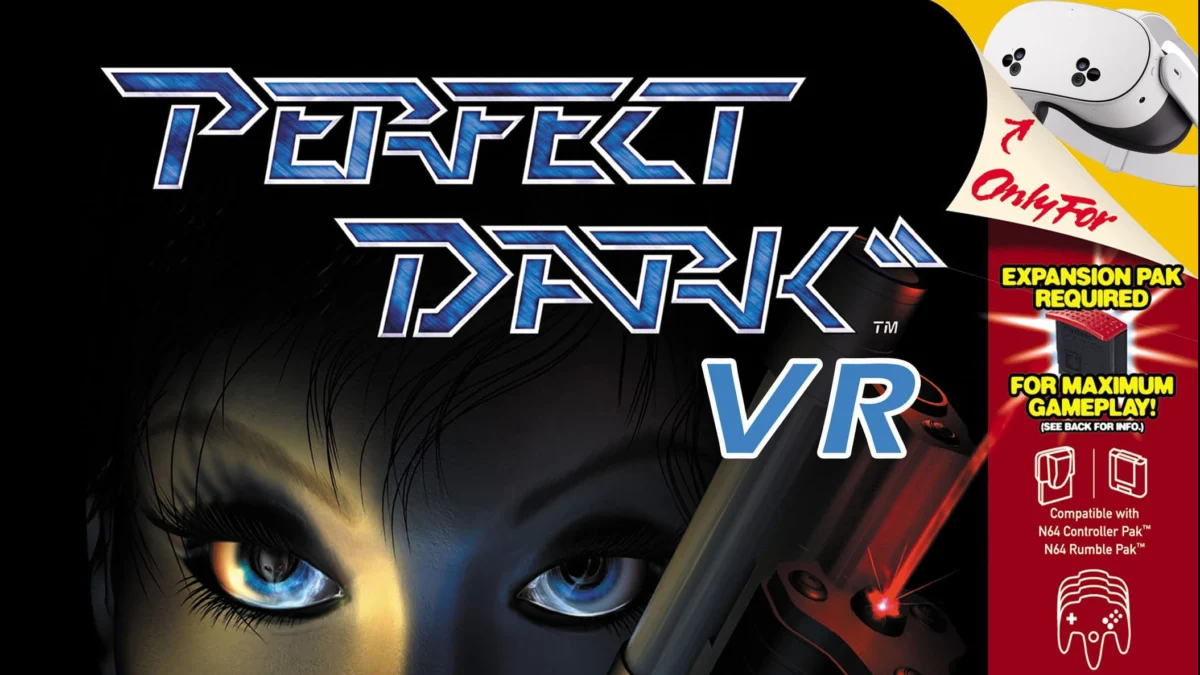
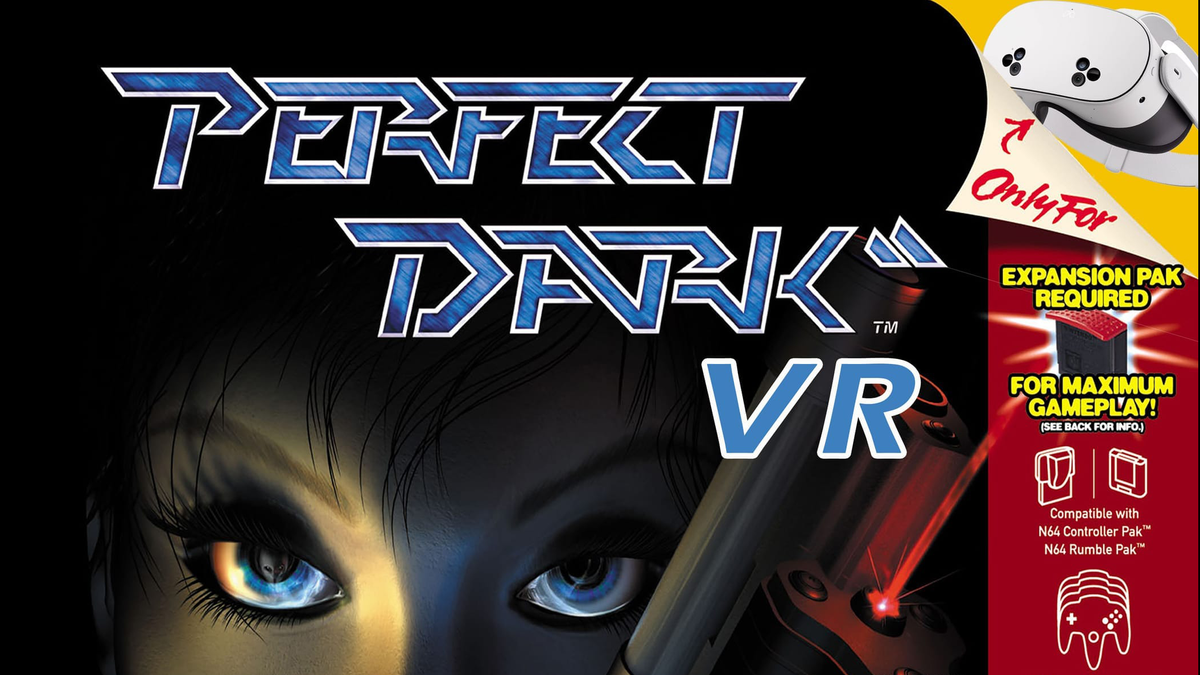
The landscape of virtual reality gaming has often been defined by its pursuit of the "next big thing." However, for a dedicated segment of the community, the future of VR lies firmly in the past. In a landmark achievement for the homebrew and modding scene, developer Alex Le Tux has officially released the first public build of Perfect Dark VR, a comprehensive fan-made port designed for Meta Quest headsets and PC VR.
This release marks a significant milestone in game preservation and immersive technology, transforming one of the most sophisticated first-person shooters of the Nintendo 64 era into a fully realized virtual reality experience. By leveraging years of community-driven reverse engineering, the project allows players to step into the boots of Joanna Dark with a level of presence that was unimaginable when the game first debuted in the year 2000.
Main Facts: A New Frontier for Joanna Dark
The public release of Perfect Dark VR is not merely an emulation layer; it is a native port that brings the complex world of the Carrington Institute and dataDyne into the modern era. The project, spearheaded by Alex Le Tux, offers a suite of features that bridge the twenty-four-year gap between the original hardware and contemporary VR headsets.
Key Release Details
The current build, now available for download, supports both standalone Meta Quest hardware (Quest 2, Quest 3, and Quest Pro) and PC-based VR systems. The port includes:
- Full 6DOF (Six Degrees of Freedom) Tracking: Players can move their heads and bodies naturally within the game world.
- Motion Control Aiming: Unlike the original game’s single-stick analog controls, players can now aim their weapons—including the iconic Falcon 2 and the CMP150—using their hands.
- Native Performance: Because the port is derived from decompiled source code, it runs at high frame rates and resolutions far exceeding the N64’s original 20-30 FPS output.
- Comprehensive Level Support: The build allows players to navigate the majority of the game’s memorable environments, from the neon-lit rooftops of Lucerne to the depths of the Area 51 facility.
The release was accompanied by a comprehensive gameplay trailer published by the prominent retro-gaming enthusiast Graslu00, showcasing the fluidity of the motion controls and the surprising effectiveness of the game’s original geometry when viewed through a VR lens.
Chronology: The Road to Decompilation
The journey to Perfect Dark VR began long before Alex Le Tux wrote the first line of VR-specific code. To understand the significance of this release, one must look at the timeline of the "Perfect Dark Decompilation Project," a monumental effort by the open-source community.
2000–2021: The Legacy Era
For over two decades, Perfect Dark was locked to the Nintendo 64 hardware and a later, polished remaster for the Xbox 360. While emulators allowed the game to be played on PCs, these solutions were often plagued by performance issues and "input lag," as they were essentially tricking modern hardware into acting like a 1996 silicon chip.
2022: The Breakthrough
In early 2022, a group of dedicated programmers successfully completed the "decompilation" of the Perfect Dark ROM. This process involved reverse-engineering the machine code back into human-readable C code. This was a legal and technical turning point; it allowed developers to compile the game natively for modern operating systems like Windows, Linux, and Android.
February 2024: The First Glimpse
In February 2024, Alex Le Tux released a teaser video that sent shockwaves through the VR community. The footage showed a Meta Quest 2 running Perfect Dark with functional head tracking. It was the first proof of concept that the decompiled code could be adapted for the Quest’s Android-based architecture.
July 2024: The Public Release
Following months of iterative updates shared via YouTube and Discord, the first public build was released in July 2024. This build moved beyond a simple "camera hack" and introduced the robust motion control system that defines the current experience.
Supporting Data: The Technical Architecture
What sets Perfect Dark VR apart from other "VR mods" is its foundation. Most VR mods for modern games (such as those for Resident Evil or Cyberpunk 2077) function as "wrappers" that inject code into a running game. Perfect Dark VR, however, is a Native Source Port.
The Advantage of Native Code
By using the decompiled C code, Alex Le Tux has been able to:
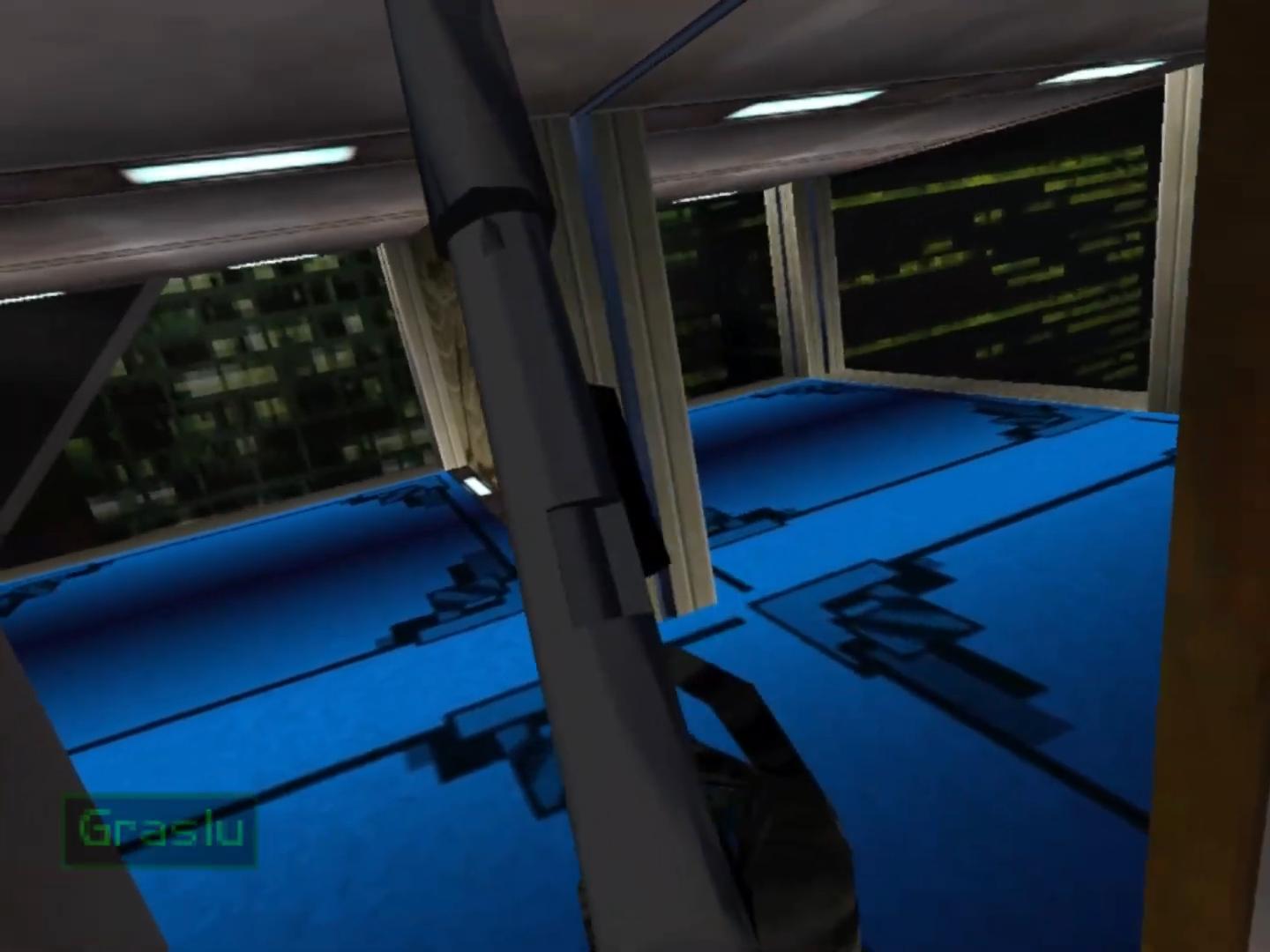
- Eliminate Latency: Native ports have significantly lower input latency than emulated versions, which is critical for preventing motion sickness in VR.
- Optimize for Mobile Chipsets: The Meta Quest 3 uses the Snapdragon XR2 Gen 2 chip. Because the code is native, the developer can optimize CPU and GPU calls specifically for this architecture, allowing the game to run at 72Hz, 80Hz, or even 90Hz.
- Refine the UI: The original 2D HUD (Heads-Up Display) has been decoupled from the camera, preventing the health bars and ammo counters from being "plastered" to the player’s face—a common issue in poorly optimized VR ports.
Weapon Mechanics in VR
One of the most complex aspects of the port is the weapon handling. Perfect Dark was famous for its "secondary fire" modes. In the VR port, Alex Le Tux has mapped these functions to the Quest’s grip and trigger buttons, allowing for tactile interaction with weapons like the Laptop Gun (which can be deployed as a sentry turret) or the Farsight XR-20 (the infamous X-ray sniper rifle).
Official Responses and the Modding Ecosystem
As of the time of writing, neither Microsoft (the current owners of the Perfect Dark IP) nor Rare (the original developers) have issued a formal statement regarding the fan port. Historically, Microsoft has maintained a relatively hands-off approach toward non-commercial fan projects that require the original game files to function.
The "Team Beef" Influence
The release of Perfect Dark VR follows in the footsteps of Team Beef, a legendary group of modders who brought Doom, Quake, Half-Life, and Star Wars: Jedi Knight to the Quest. Team Beef’s work was so influential that it garnered the attention of John Carmack, the co-founder of id Software and former CTO of Oculus.
Carmack famously advocated for these fan ports to be officially recognized, noting that they provide high-quality content for VR hardware that often lacks "triple-A" titles. The success of Alex Le Tux’s Perfect Dark port reinforces the argument that there is a massive, untapped market for classic "flat" games converted into VR.
Legal Safeguards
To avoid the legal pitfalls that have claimed other fan projects (such as those by Nintendo), the Perfect Dark VR port does not distribute the copyrighted game assets. Users must provide their own legally obtained N64 ROM. The port simply acts as the engine that runs those assets, a distinction that has protected similar projects like Ship of Harkinian (the Zelda: Ocarina of Time PC port).
Implications: The Future of Retro VR
The release of Perfect Dark VR carries significant implications for the VR industry and the broader gaming world.

1. VR as a Tool for Preservation
As original N64 hardware continues to age and fail, ports like this ensure that these cultural milestones remain playable. More importantly, they offer a "definitive" way to play. The original Perfect Dark was often criticized for its sluggish frame rate on the N64; in VR, the game is finally able to breathe, revealing the intricate AI behaviors and environmental details that were obscured by the hardware limitations of the year 2000.
2. The Rise of "Flat2VR"
The community-driven "Flat2VR" movement is rapidly becoming one of the most vital parts of the VR ecosystem. With the recent announcement of the Flat2VR Studios—a commercial entity aimed at officially licensing these types of conversions—projects like Alex Le Tux’s serve as a portfolio for what is possible. If a single developer can bring Perfect Dark to VR, the potential for a studio to bring titles like BioShock or Halo to the platform is immense.
3. Hardware Validation
For Meta, the existence of these ports validates the power of the Quest platform. While Meta focuses on social VR and new titles, the community is proving that the Quest is the ultimate "retro-immersion" machine. The ability to play a full, 15-hour campaign like Perfect Dark with modern controls provides a level of depth that many native VR "tech demos" lack.
Conclusion
Perfect Dark VR is more than just a nostalgia trip; it is a masterclass in technical adaptation. Alex Le Tux has taken a game built for a controller with three handles and one analog stick and successfully mapped it to the cutting edge of spatial computing.
As Joanna Dark infiltrates the dataDyne skyscraper once again, she does so in a medium that finally matches the futuristic ambition of the original game. For owners of the Meta Quest and PC VR headsets, the release of this public build represents a rare opportunity to experience a masterpiece of gaming history from a perspective that is, quite literally, brand new.