The Evolution of Virtual Reality Gaming: STARVAULT Bridges the Gap Between Hero Shooters and MOBAs
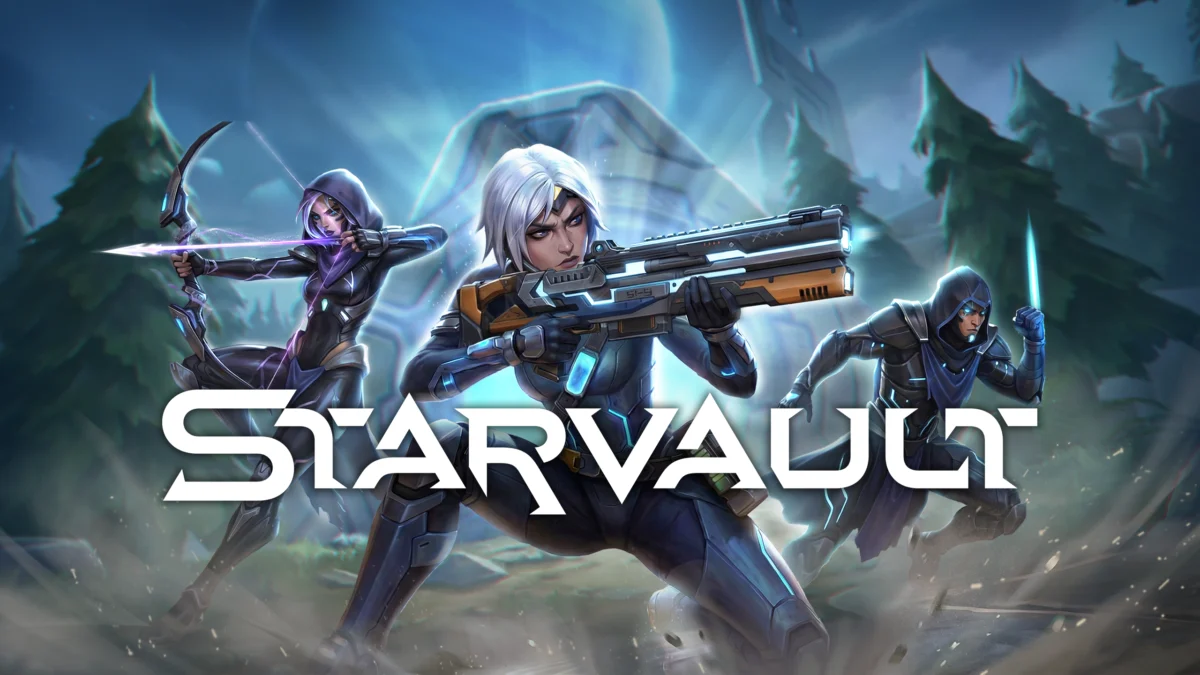
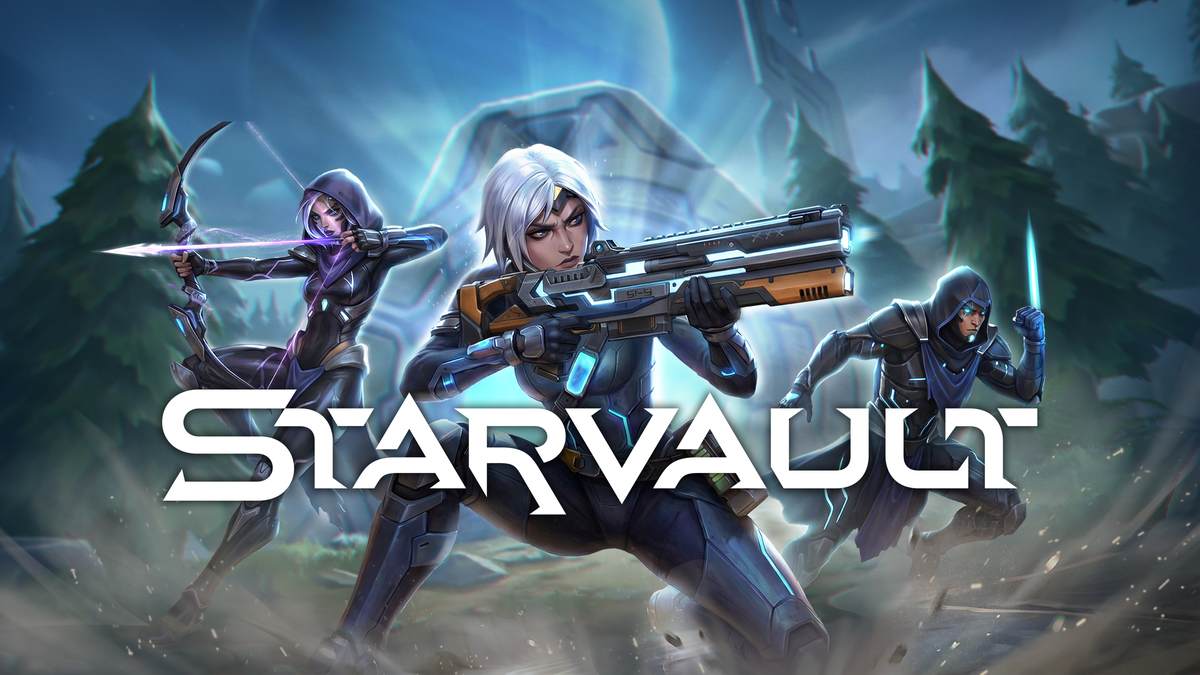
The virtual reality (VR) landscape has long been dominated by rhythm games, social sandboxes, and short-form tactical shooters. However, the arrival of STARVAULT represents a significant shift in the industry’s ambitions. Developed and published by Theia Games, STARVAULT bills itself as the world’s first true first-person Multiplayer Online Battle Arena (MOBA) designed specifically for VR. Following a successful initial launch on Meta Quest in late 2025, the title has recently expanded its reach to SteamVR, signaling a new era for competitive cross-platform play in the metaverse.
Main Facts: The STARVAULT Ecosystem
At its core, STARVAULT is a free-to-play (F2P) title that merges the high-intensity precision of a hero shooter with the deep strategic layers of a traditional MOBA like League of Legends or Dota 2. The game’s transition from Meta Quest to SteamVR has brought with it a surge in player activity and a renewed interest in the technical feasibility of long-form competitive VR.
Key Technical and Market Data:
- Developer/Publisher: Theia Games.
- Genre: First-Person MOBA / Hero Shooter.
- Platforms: Meta Quest (Standalone), SteamVR (PC-tethered).
- Release Schedule: Meta Quest (November 27, 2025); SteamVR (June 25, 2026).
- Pricing Model: Free-to-Play (Zero pay-to-win mechanics; cosmetic and progression-based monetization).
- Roster Depth: 15 distinct playable heroes at launch.
- Match Duration: Typically 30 to 45 minutes.
Chronology: From Early Access to Global Steam Launch
The journey of STARVAULT has been one of iterative refinement. Unlike many VR titles that launch and fade, Theia Games utilized a lengthy early access period to tune its complex mechanics and ensure the game’s "comfort" levels met the needs of a broad audience.
2024–2025: The Early Access Phase
During its infancy, STARVAULT was a polished but niche project. Early testers praised the game’s polish but questioned whether the MOBA formula—notoriously complex and demanding—could translate to the physical exhaustion of VR. Theia Games used this time to build the "Hub World," a social and training space that allows players to test every hero before unlocking them.
November 2025: The Quest Milestone
The official launch on Meta Quest 2 and Quest 3 was a pivotal moment. By targeting standalone hardware first, Theia Games ensured the game was optimized for the largest segment of the VR market. This launch introduced the core 15-hero roster and established the competitive ladder system that remains the backbone of the community today.
June 2026: The SteamVR Expansion
The June 25, 2026, release on Steam marked the game’s entry into the high-fidelity PCVR market. While the visual assets remained consistent with the Quest-first design philosophy, the Steam version offered improved clarity, higher frame rates, and a more robust infrastructure for the growing esports scene.
Supporting Data: Mechanics and Strategic Depth
STARVAULT succeeds by adhering to the fundamental "three-lane" architecture of the MOBA genre while utilizing the unique spatial capabilities of VR.
The Objective-Based Gameplay Loop
The primary goal is the destruction of the enemy’s core base. However, the path to victory is non-linear:
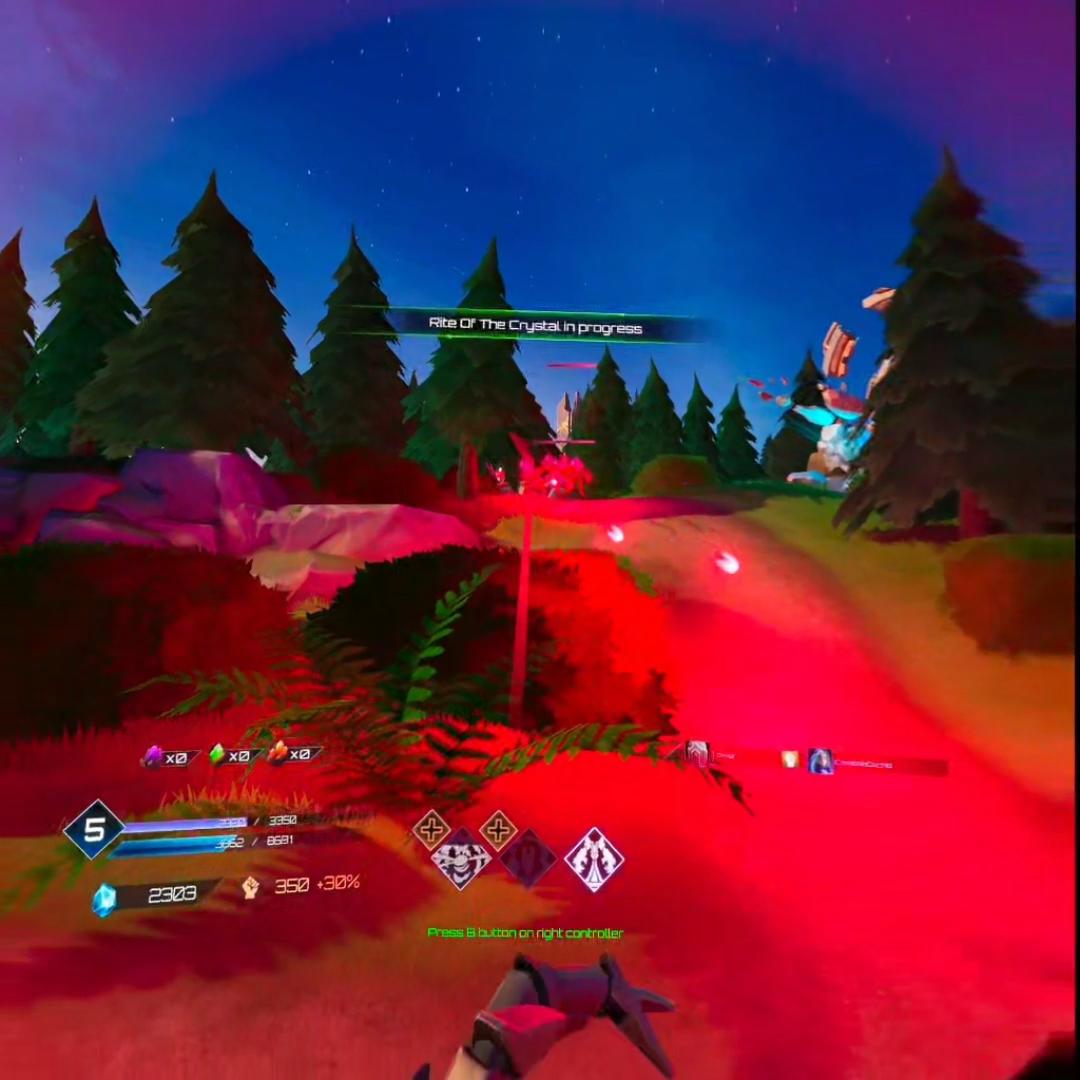
- Creep Management: Non-player character (NPC) units, known as "Creeps," provide constant pressure on lanes. Players must "farm" these units for experience and currency.
- Jungle Objectives: Moving away from the main lanes reveals "Jungle Creeps." These offer team-wide buffs and perks, necessitating a high degree of map awareness and team coordination.
- The Titan Mechanic: A standout feature of STARVAULT is the Titan—a massive stone automaton. Once a team defeats the Titan, a player can physically pilot it, using its immense power to breach enemy fortifications. This adds a layer of "vehicle" combat rarely seen in the MOBA genre.
Character Diversity and Locomotion
Theia Games has categorized its 15 heroes into traditional roles (Tank, Support, Damage), but the implementation is distinctly VR-centric.
- Movement Systems: The game employs various locomotion styles to cater to different player comforts. This includes standard stick-based artificial locomotion, teleportation for specific characters, and "arm-swing" locomotion (reminiscent of Gorilla Tag) for mech-based units.
- Verticality: Many heroes utilize vertical space, featuring grappling hooks, backflips, and airborne drone capabilities. This forces players to maintain a 360-degree field of awareness, a feat much more immersive in VR than on a flat screen.
Progression and Monetization
Theia Games has opted for a "fair play" model. While characters can be unlocked through gameplay "grind," there is no option to purchase power. The game’s economy revolves around:
- In-Match Progression: Leveling up abilities and purchasing items from the in-game shop to counter enemy builds.
- Account Progression: Earning currency to unlock new heroes and cosmetic skins.
- Accessibility: All characters are available to try for free in the practice arena, reducing "buyer’s remorse" and encouraging tactical experimentation.
Official Responses: Theia Games’ Vision for VR Esports
While formal press releases have been focused on technical stability, representatives from Theia Games have frequently engaged with the community regarding the game’s long-term viability. The developer’s stance emphasizes three pillars: Balance, Community, and Competition.
On Balancing
"Balancing a roster with this much mechanical diversity—from blade-wielding assassins to twin-pistol healers on hoverboards—is an ongoing process," a lead designer noted during the Steam launch event. The data suggests that no single hero maintains a win rate above 55%, a testament to the studio’s rigorous playtesting and the efficacy of the game’s item-based counter-system.
On Community Health
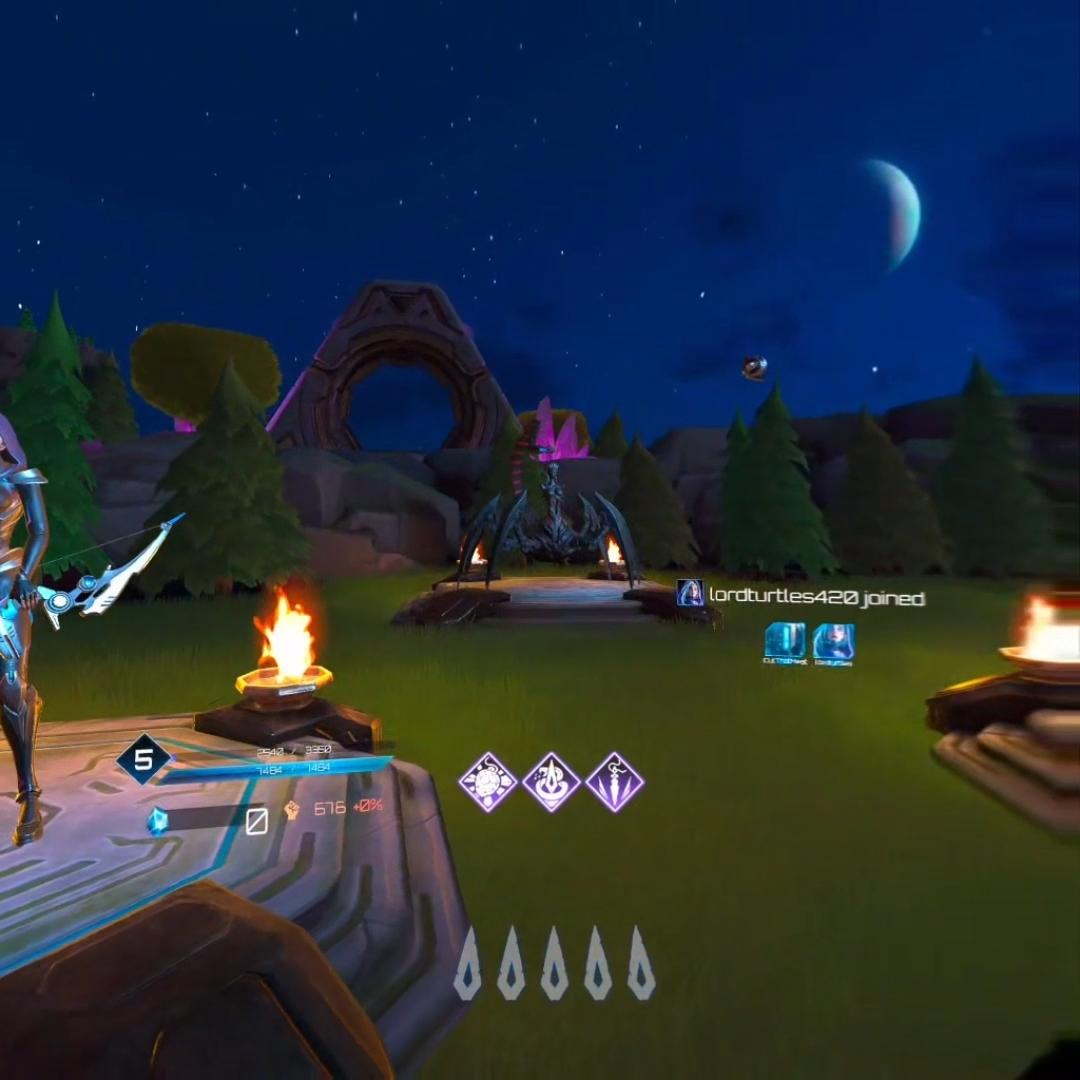
Theia Games has integrated "bot-fill" technology for lower-population hours, ensuring that matches can always be found. However, the developer noted that the community has surpassed growth expectations, with active tournament circuits and cash-prize events now occurring monthly. This organic growth is seen as essential for a game that requires ten human players for the optimal experience.
Implications: Challenges and the Future of VR MOBAs
The success of STARVAULT brings several industry implications to the forefront, particularly regarding player endurance and the "barrier to entry" for complex VR titles.
The "Battle of Attrition" Problem
The most significant criticism of STARVAULT remains its match length. In a medium where physical fatigue and "VR legs" are constant factors, 40-minute matches are a significant commitment. While the game offers excellent comfort settings (including rotational vignettes and seated play options), the sheer time requirement may alienate casual users. Industry analysts suggest that for STARVAULT to reach a truly global scale, a "Blitz" mode—designed for 15-to-20-minute sessions—may be necessary.
Setting a New Graphical Standard for Standalone
STARVAULT proves that art direction is more important than raw polygon counts for standalone VR. By utilizing a clean, vibrant aesthetic similar to Population: One, the game maintains rock-solid performance on Quest hardware without sacrificing the scale of its massive, vertical maps. This sets a blueprint for future developers looking to build large-scale multiplayer worlds on mobile chipsets.
Cross-Platform Synergy
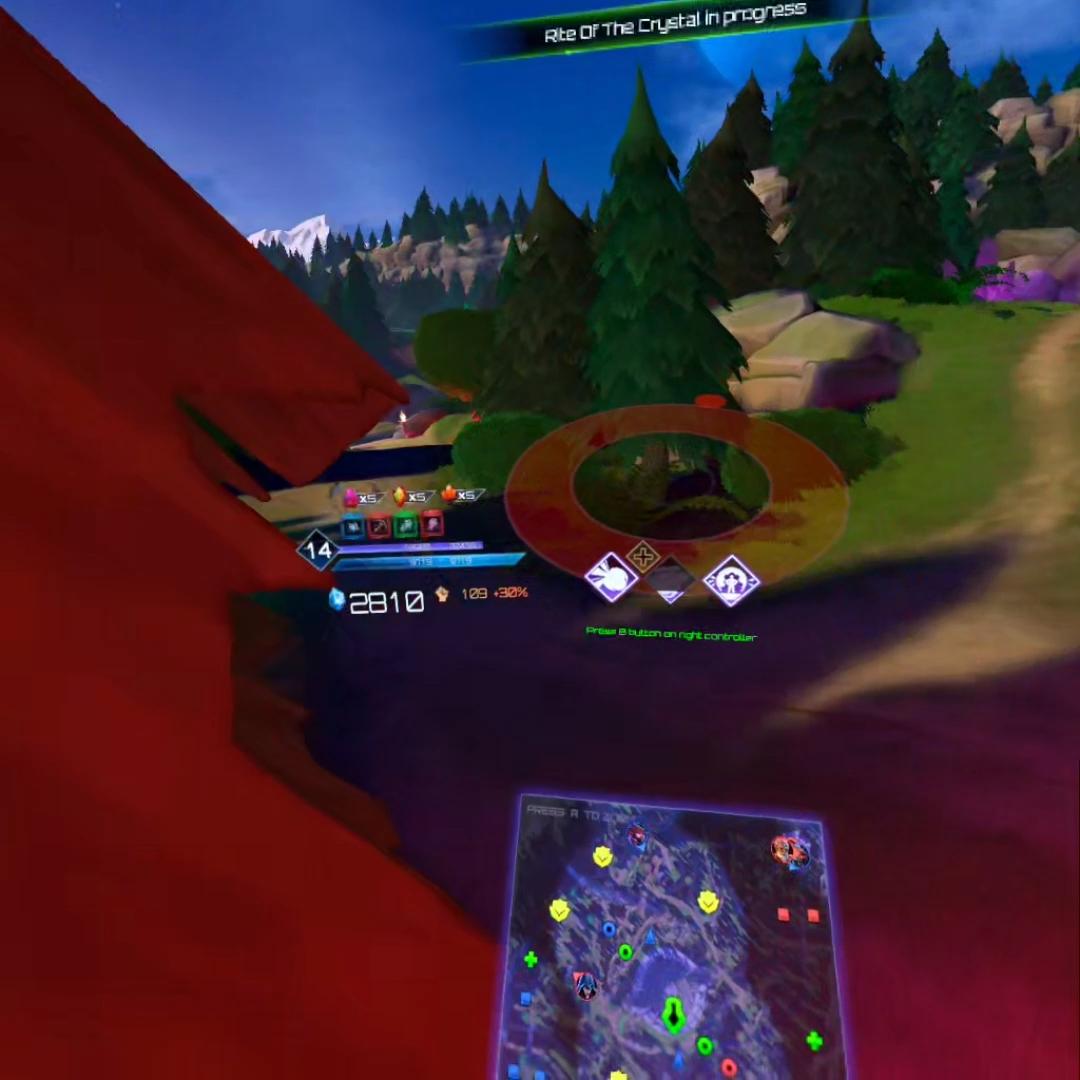
The seamless integration between Quest and SteamVR players is a major win for the "unified" VR market. By allowing PCVR players to enjoy a "cleaner," higher-resolution version of the game while maintaining a shared player pool with Quest users, Theia Games has avoided the fragmented player bases that have plagued previous VR shooters.
Conclusion
STARVAULT is more than just another entry in the VR shooter market; it is a sophisticated proof-of-concept that the MOBA genre can thrive in a 3D, immersive environment. With its deep roster, fair monetization, and strategic complexity, it has managed to convert even those who traditionally avoid the genre. While the challenge of long-form VR sessions remains a hurdle, the game’s 4-star critical reception and growing player base suggest that STARVAULT will be a fixture of the VR competitive landscape for years to come. For players seeking a game that rewards smart decision-making as much as a steady aim, STARVAULT is currently without equal in the virtual space.