The Living Legacy of Mystery Inc.: The Surviving Voice Cast of the Original Scooby-Doo
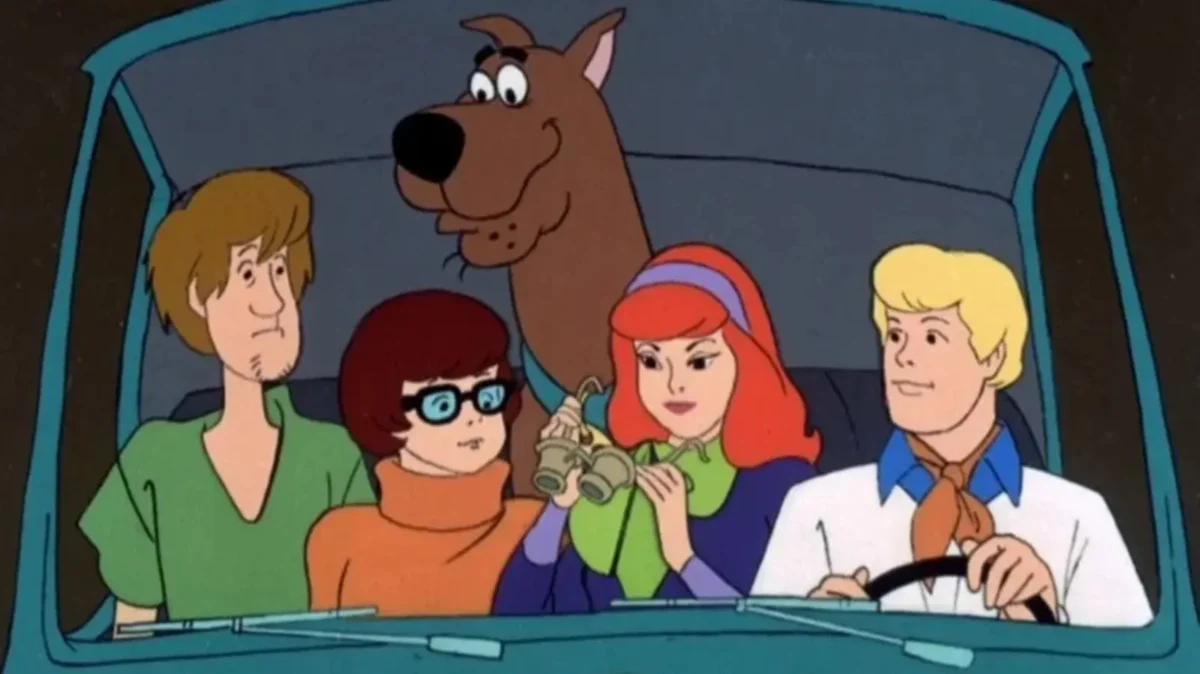
The Dawn of a Mystery: The 1969 Legacy of "Scooby-Doo, Where Are You!"
In the autumn of 1969, a cultural phenomenon was born that would redefine Saturday morning television for decades to come. Produced by the legendary animation powerhouse Hanna-Barbera, Scooby-Doo, Where Are You! introduced the world to a quintet of unlikely heroes: a Great Dane with a speech impediment and four teenagers who traveled the country in a psychedelic van. While the show’s premise was simple—unmasking fraudulent ghosts to reveal corrupt humans—its impact was profound.
The series was a departure from the superhero-heavy programming of the late 1960s, leaning instead into a mixture of comedy, light horror, and "whodunit" mystery. However, as the franchise celebrates over half a century of continuous media presence, the passage of time has inevitably thinned the ranks of its original creators. Today, only a handful of the primary voice actors who breathed life into the original iterations of Fred, Daphne, Velma, Shaggy, and Scooby remain with us. Their contributions established the archetypes for characters that have been reinterpreted by dozens of actors across hundreds of episodes and multiple live-action films.
A Timeline of the Mystery Machine: Chronology of the Original Series
The original run of Scooby-Doo, Where Are You! followed a non-traditional release schedule that reflected the shifting landscape of television in the 70s. The first season debuted on September 13, 1969, consisting of 17 episodes that established the "formula": a spooky location, a local legend, a series of clues, and a final unmasking. Season 2 followed in 1970 with eight episodes.
After a hiatus—during which the characters appeared in The New Scooby-Doo Movies (featuring guest stars like Don Knotts and Batman)—the original title was revived for a third season in 1978. This chronology is vital because it explains the transitions in the voice cast. While the core "Mystery Inc." remained the same on-screen, the actors behind the microphones shifted due to professional pivots and personal choices.
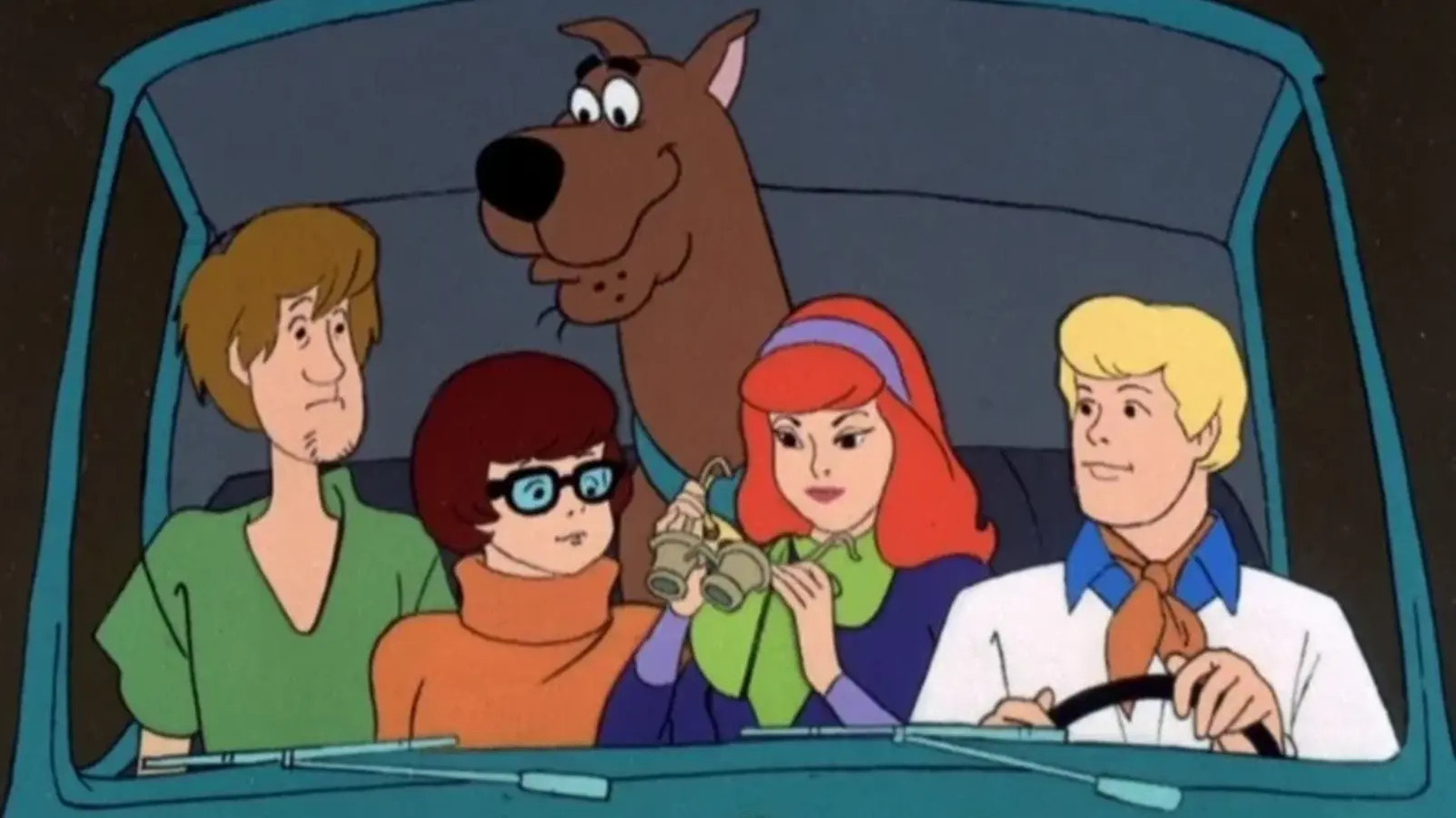
The original cast included:
- Don Messick as Scooby-Doo (Passed 1997)
- Casey Kasem as Shaggy Rogers (Passed 2014)
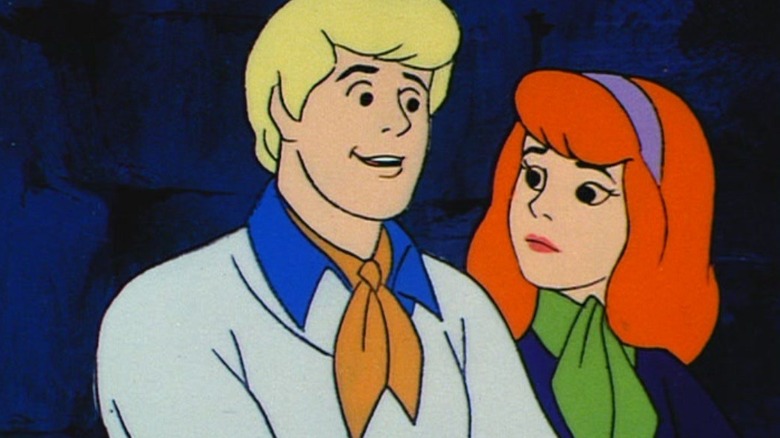
- Frank Welker as Fred Jones
- Indira Stefanianna Christopherson as Daphne Blake (Season 1)
- Heather North as Daphne Blake (Seasons 2 and 3; Passed 2017)
- Nicole Jaffe as Velma Dinkley (Seasons 1 and 2)
- Pat Stevens as Velma Dinkley (Season 3; Passed 2010)
The Living Legends: Profiles of the Remaining Original Cast
As of 2024, three major contributors to the original 1969–1970 voice cast remain: Frank Welker, Indira Stefanianna Christopherson, and Nicole Jaffe. Their career trajectories provide a fascinating look at the diverse paths available to talent in the golden age of animation.
Frank Welker: The Man of a Thousand Voices
Frank Welker is arguably the most prolific voice actor in the history of the medium. When he landed the role of Freddie Jones at the age of 23, it was his first major professional voice credit. Welker’s Fred was the "straight man"—the square-jawed, trap-setting leader of the group.
Welker’s longevity is unprecedented. Not only has he voiced Fred Jones in nearly every iteration of the show for over 50 years, but he also took over the mantle of Scooby-Doo himself following the death of Don Messick in 1997. Beyond the Mystery Machine, Welker became the industry’s go-to specialist for non-human vocalizations. If a movie creature growls, chirps, or roars, there is a high statistical probability that Welker is behind it. His credits range from the terrifying titular dog in Cujo (1983) and the mischievous creatures in Gremlins to Abu the monkey in Disney’s Aladdin. For 80s children, he is immortalized as the voice of the villainous Megatron in Transformers. At 80 years old, Welker remains active, recently lending his voice to the Jellystone! series and Invincible.
Indira Stefanianna Christopherson: The Original Voice of "Groovy"
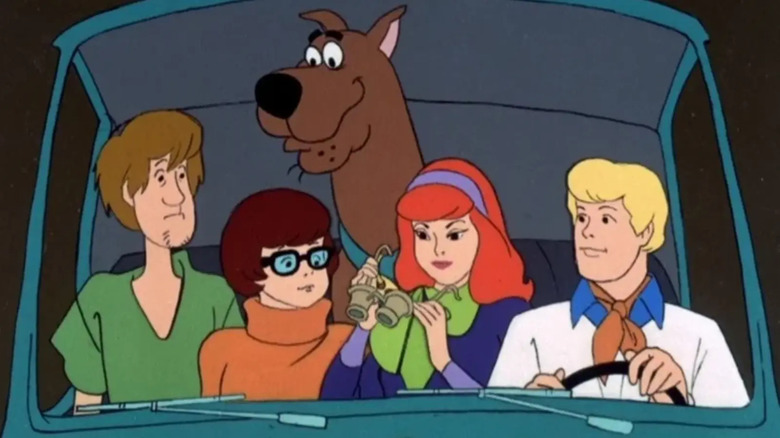
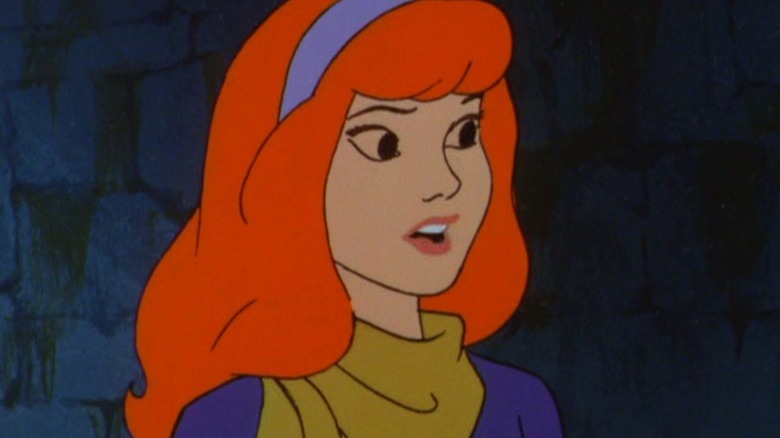
Indira Stefanianna Christopherson (often credited as Stefanianna Christopherson) provided the voice for Daphne Blake during the show’s pivotal first season. Her portrayal of Daphne was rooted in the "mod" culture of the late 60s—stylish, resourceful, and frequently the catalyst for the group’s adventures.
Christopherson’s tenure on the show was brief but impactful. She left after the first 17 episodes to focus on a burgeoning music career. While she appeared in live-action television shows like Sanford and Son and MASH*, her greatest post-Scooby success came in the world of commercial music. She became a household "voice" in a different way, singing the iconic "Reach Out and Touch Someone" jingle for AT&T, which earned her a prestigious Clio Award. Now 79, Christopherson represents a bridge between the classic Hollywood starlet era and the specialized world of voice acting.
Nicole Jaffe: From Velma Dinkley to Hollywood Power Broker
Nicole Jaffe voiced Velma Dinkley, the group’s resident genius, for the first two seasons. Jaffe’s Velma was characterized by her rapid-fire delivery and intellectual confidence, providing the necessary exposition to solve the show’s complex puzzles.
Jaffe’s career took a unique turn in the 1980s. After appearing in films alongside legends like Elvis Presley in The Trouble with Girls, she transitioned from the recording booth to the boardroom. Jaffe became a highly successful talent agent, eventually rising to become a star agent at William Morris Endeavor (WME). Her expertise in the industry allowed her to represent top-tier talent, effectively shaping the careers of the next generation of actors. Though she retired from the agency world in 2013, her legacy as the definitive voice of Velma remains intact, punctuated by a brief return to the character for two direct-to-video films in 2003.
Remembering the Departed: The Voices That Shaped a Generation
To understand the weight of the surviving cast, one must acknowledge those who have passed. Don Messick, the voice of Scooby-Doo, was a Hanna-Barbera stalwart who also voiced Bam-Bam Rubble and Astro the dog. Casey Kasem, the voice of Shaggy, was a cultural icon in his own right as the host of American Top 40. His distinct, gravelly tone defined the "slacker" archetype for decades.
The roles of Daphne and Velma also saw significant contributions from Heather North and Pat Stevens. North took over as Daphne in Season 2 and continued for years, bringing a softer, more sophisticated tone to the character. Stevens, who voiced Velma in the late 70s, helped transition the character through the disco era of animation. The loss of these actors marked the end of various eras within the franchise, making the continued presence of Welker, Jaffe, and Christopherson even more significant to fans and historians.
Industry Impact and the Hanna-Barbera Innovation
The longevity of the Scooby-Doo cast is a testament to the "factory" system of Hanna-Barbera. Unlike modern animation, which often relies on "stunt casting" of A-list movie stars, the 1960s and 70s relied on a stable of versatile voice specialists.
The "official response" from the industry over the years—seen through Lifetime Achievement Awards for Welker and the continued licensing of the characters—highlights a realization: these actors didn’t just read lines; they created brand identities. The "pliability" of Scooby-Doo (the ability to move from 1969 mystery to 2020s meta-humor) is only possible because the original cast laid such a structurally sound foundation. The characters are so well-defined that they can survive radical changes in art style and writing because their "soul"—their vocal essence—is so distinct.
Cultural Implications: Why the Mystery Machine Never Stops Running
The fact that these actors are still celebrated today speaks to the unique staying power of Scooby-Doo. While other 1969 cartoons like The Perils of Penelope Pitstop or Dastardly and Muttley in Their Flying Machines have faded into niche nostalgia, Scooby-Doo remains a multi-billion dollar franchise.
The implications for the future of voice acting are clear. The original cast of Scooby-Doo proved that a character’s voice is as much a part of their DNA as their visual design. As Frank Welker continues to work into his 80s, he serves as a living library of the industry’s evolution—from the hand-painted cels of the 60s to the digital landscapes of today. For fans, these surviving actors are more than just performers; they are the last direct links to the "Mystery Machine" that started it all, reminding us that while the monsters were always fake, the talent behind the masks was very real.