From Grain to Glyph: The Enduring Legacy of Nisaba, Sumer’s Divine Scribe
Introduction
In the annals of ancient Mesopotamia, amidst a pantheon of powerful deities, stands Nisaba (also known as Naga, Se-Naga, Nissaba, Nidaba, and associated with Nanibgal), the Sumerian goddess of writing, accounts, and the revered scribe of the gods. While the name Nidaba is commonly encountered, noted scholar Jeremy Black posits that "the name Nisaba (or Nissaba) seems more correct than Nidaba" (Black, Gods, 143), a subtle yet significant detail in understanding her historical perception. Nisaba’s journey through Sumerian mythology is a fascinating reflection of the civilization’s own evolution, transforming from a simple agricultural deity into the very embodiment of literacy and intellectual pursuit. Her narrative offers a unique lens through which to explore the rise of complex administration, the birth of the written word, and the shifting tides of divine power in one of humanity’s earliest and most influential cultures.
The Shifting Sands of Divinity: Nisaba’s Early Origins
Nisaba’s origins are deeply rooted in the fertile crescent, mirroring the foundational importance of agriculture to Sumerian society.
From Fertile Fields to Sacred Scribes
Originally, Nisaba was revered as a grain goddess, her worship centered in the city of Umma during the Early Dynastic period I (circa 2900-2750/2700 BCE). In this foundational role, she was intrinsically linked to the sustenance of life, the bountiful harvests that fueled the burgeoning city-states of Sumer. Her association with the god Ennugi, the deity of canals and dikes, under the epithet Nanibgal, further solidified her connection to the essential infrastructure of irrigated agriculture. She was also known as Nun-barsegunu, a poetic title translating to "Lady Whose Body is the Flecked Barley" or "Lady Whose Body is Dappled Barley," vividly illustrating her personification of the very grains that sustained Sumerian life.
The transition from a grain goddess to a deity of writing might, at first glance, appear disparate. However, scholars widely believe this evolution was driven by the practical necessities of an increasingly complex agricultural economy. The management of vast harvests, the allocation of resources, and the tracking of transactions demanded meticulous record-keeping. It is in this crucible of necessity that the seeds of writing were sown. The association between the fertility of the earth and the burgeoning creativity required to devise a system for documenting its bounty likely paved the way for her elevated status. As Sumerian society grew more intricate, so too did the divine responsibilities of Nisaba, leading to her primary association with the city of Eresh (also Eres), though its precise location remains one of history’s enduring mysteries.
A Complex Family Tree
Like many ancient deities, Nisaba’s lineage is not entirely straightforward, reflecting regional variations and evolving theological narratives. Primarily, she is identified as the daughter of Anu and Unas, cosmic personifications of Heaven and Earth, respectively. This parentage places her within the most ancient and foundational layer of the Sumerian pantheon, connecting her to the very fabric of existence.
However, in certain influential city-states, such as Lagash, local traditions presented a different narrative, portraying her as the daughter of Enlil and Ninlil. This divine couple, who rose to prominence with the blessing of Anu and Unas, represented the next generation of powerful gods, and associating Nisaba with them would have tied her directly to the dominant religious and political powers of those regions.
Adding another layer of complexity to her mythological family, in some of the best-known stories, the roles are dramatically reversed: Ninlil (also known as Sud) is depicted as Nisaba’s daughter, and Enlil as her son-in-law. This inversion highlights the dynamic and sometimes contradictory nature of ancient mythologies, which often adapted to local cults and political landscapes. Intriguingly, Enki, the venerable god of wisdom and fresh water, is consistently identified as her patron. This patronage by Enki, a deity renowned for his intelligence and mastery of the me (divine decrees governing civilization), significantly reinforces Nisaba’s connection to knowledge, craft, and intellectual prowess, long before her explicit role as goddess of writing became dominant.
The Pen and the Tablet: Iconography and Influence
While many Sumerian deities are readily identifiable through distinct visual symbols and artistic representations, Nisaba’s iconography presents a peculiar void, particularly in her role as the goddess of writing.
Picturing the Unseen
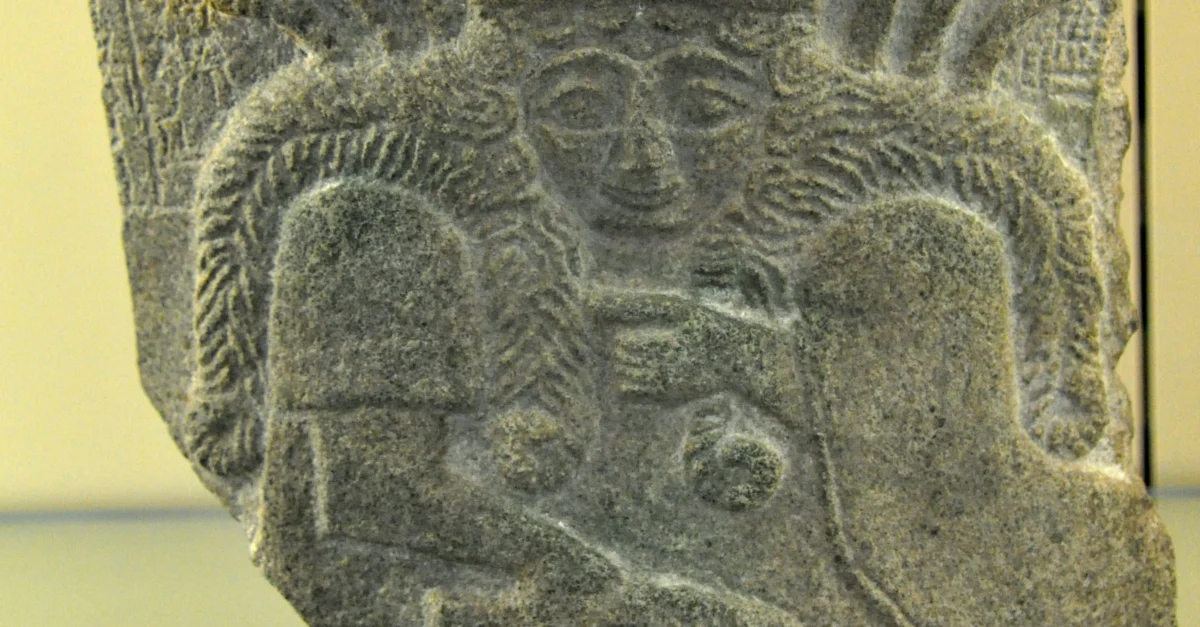
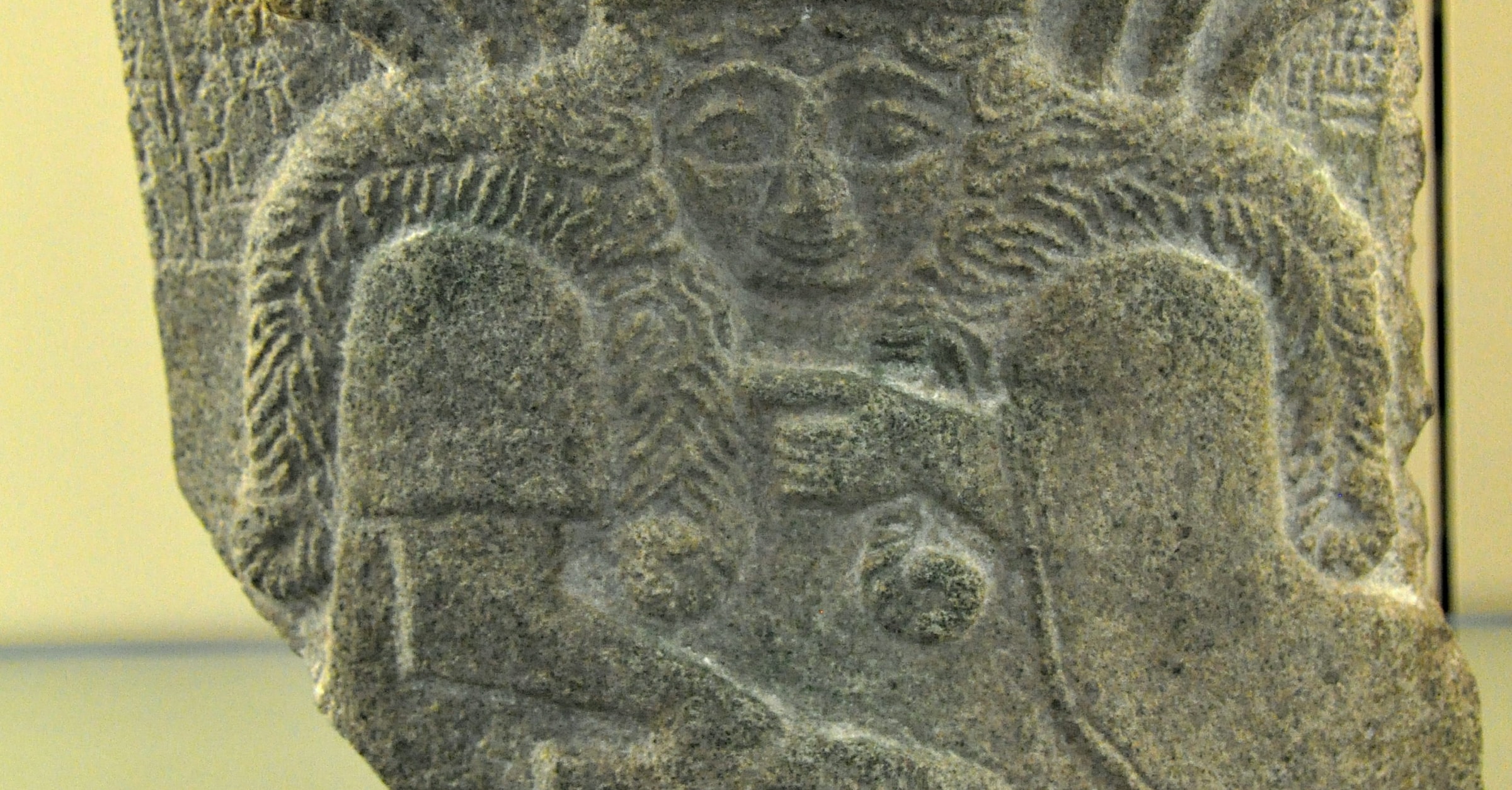
Paradoxically, despite her immense importance to literacy, there is no known specific iconography depicting Nisaba as the goddess of writing. This absence is stark, especially when contrasted with her earlier form as a grain goddess, where she was straightforwardly represented as a single stalk of grain—a clear, tangible symbol of her domain. This lack of a specific visual emblem for her scribal aspect suggests that her power and presence were perhaps understood to be more conceptual, less reliant on physical representation, or perhaps so pervasive that her symbol was the act of writing itself.
However, if visual representations are scarce, literary descriptions are abundant and vivid. In the evocative Sumerian narrative, Dream of Gudea, Nisaba is not merely mentioned but depicted with striking detail. She is "a woman holding a gold stylus and studying a clay tablet on which the starry heaven was depicted" (Kramer, 138). This description is profoundly symbolic: the gold stylus signifies the preciousness and divine nature of writing; the clay tablet, the medium of Sumerian script; and the starry heaven, the cosmic knowledge and divine wisdom that writing was meant to record and transmit. This powerful mental image served to cement her identity in the collective consciousness, even in the absence of widespread physical effigies.
An Ascendant Deity
Nisaba’s influence steadily grew throughout Mesopotamia, reflecting the increasing importance of literacy and record-keeping in a developing urban civilization. By circa 2600-2550 BCE, she was regularly invoked in blessings, supplications, and even curses, a testament to her deep integration into the daily religious and social fabric of Sumer. Her presence was considered vital for the success of any endeavor requiring precision, memory, or divine favor in documentation.
Her rising prestige was formally acknowledged through her inclusion among the most esteemed deities in the Sumerian pantheon. This was not a minor role; Nisaba commanded respect and reverence, indicating that the intellectual and administrative functions she oversaw were considered central to the cosmic order and the well-being of the Sumerian people. Her elevation paralleled the growing sophistication of Sumerian society, where written laws, literary works, and complex administrative records became indispensable tools for governance, trade, and cultural expression.
Scribe of the Gods: Nisaba’s Evolved Role
Nisaba’s trajectory from an agricultural deity to the celestial scribe is a compelling narrative of adaptation and increasing specialization, inextricably linked to the societal advancements in Mesopotamia.
The Nexus of Records and Justice
As the written word gained prominence, so too did Nisaba’s domain expand. She developed in power and prestige, becoming known as the ultimate scribe of the gods and the meticulous keeper of both divine and mortal accounts. This role placed her at the heart of cosmic and terrestrial order, overseeing the records that governed the universe and the daily lives of humans.
She is sometimes referenced specifically as the scribe of Nanshe, another significant Sumerian goddess associated with social justice, prophecy, and fishing. In this capacity, Nisaba was believed to keep the detailed accounts of mortals that Nanshe noted – meticulously documenting the needs of the vulnerable and the transgressions of those deserving punishment. This association highlights a crucial aspect of Nisaba’s expanded role: writing was not merely a tool for commerce or literature, but an instrument of divine justice, ensuring accountability and moral order within the Sumerian worldview. Her presence ensured that no deed, good or ill, went unrecorded in the celestial archives.
Echoes of Other Civilizations: Nisaba and Seshat
An intriguing cross-cultural parallel exists between Nisaba and the ancient Egyptian goddess Seshat, who also presided over writing, accounts, and construction. Cylinder seals from the Early Dynastic period in Mesopotamia (circa 2900-2350/2334 BCE) occasionally depict symbols that some scholars interpret as associating Nisaba with construction projects, particularly monuments and temples. If this interpretation holds, it would forge a direct conceptual link between Nisaba and Seshat, suggesting a shared understanding of the divine connection between writing, knowledge, and the organized effort required for monumental building.
However, scholarly consensus on this interpretation of the cylinder seals remains elusive, largely due to the ambiguity of the symbols that might represent Nisaba. Despite this interpretive challenge, the conceptual overlaps between the two goddesses are striking and unmistakable. Even without a definitive link to building measurements, both Nisaba and Seshat embody the divine sanction of intellectual pursuits, the meticulousness of record-keeping, and the foundational role of structured knowledge in creating and maintaining civilization. This suggests a broader ancient Near Eastern understanding of these crucial aspects of societal development.
The Dawn of Literacy: Writing in Mesopotamia
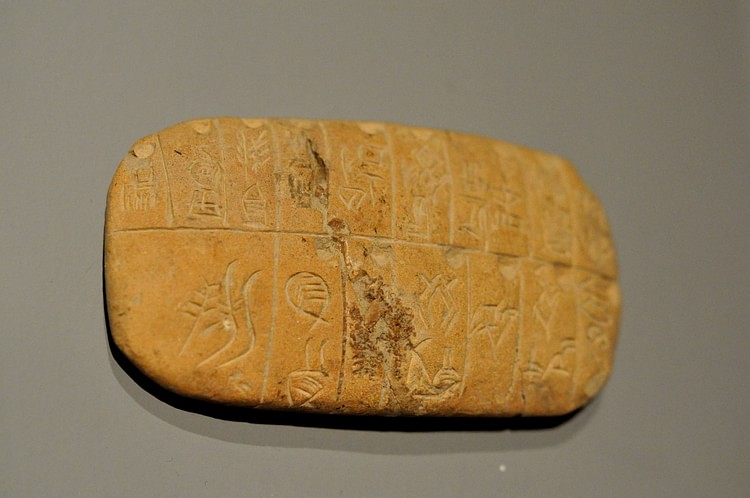
Nisaba’s rise as the goddess of writing cannot be fully appreciated without understanding the monumental invention of writing itself in Mesopotamia.
From Clay to Cuneiform: The Birth of a System
The Sumerians, a people of remarkable ingenuity, are credited with inventing writing circa 3600/3500 BCE. This wasn’t a sudden flash of inspiration but an evolutionary necessity, primarily driven by the demands of long-distance trade. As Mesopotamian cities grew, each lacking certain essential resources, an intricate network of trade routes developed. With this expansion came the urgent need for reliable communication and detailed record-keeping across vast distances. The solution emerged in the form of cuneiform, a system of wedge-shaped impressions made with a stylus on wet clay tablets.
The earliest form of cuneiform was rudimentary: pictographs, simple symbols representing objects. These initial glyphs served as mnemonic aids, helping scribes remember, for instance, which parcels of grain went to which destination, or the precise number of livestock destined for the temple. Impressed onto wet clay and then dried, these tablets became the official, permanent records of commerce, providing an unprecedented level of accountability and historical documentation.
However, pictographs had inherent limitations. One could record "Two Sheep Temple God Inanna," but the meaning of the transaction remained ambiguous. Scholar Paul Kriwaczek eloquently highlights this challenge:
All that had been devised thus far was a technique for noting down things, items and objects, not a writing system. A record of ‘Two Sheep Temple God Inanna’ tells us nothing about whether the sheep are being delivered to, or received from, the temple, whether they are carcasses, beasts on the hoof, or anything else about them.
(Kriwaczek, 63)
To express more complex concepts beyond mere lists and financial transactions, a more sophisticated writing system was imperative. This breakthrough occurred in the Sumerian city of Uruk around 3200 BCE. While pictographs continued to be used, they gradually gave way to phonograms – symbols that represented sounds. These sounds were the very building blocks of the spoken Sumerian language. The introduction of phonograms revolutionized communication, allowing for the precise conveyance of meaning. In Kriwaczek’s example, it became possible to clearly specify whether the sheep were arriving at or departing from the temple, their condition (living or dead), and their precise role in temple rituals. This evolution marked the true birth of a comprehensive writing system, capable of capturing the nuances of human thought and speech.
The Tablet Houses: Education and Enlightenment
With the proliferation of writing beyond simple accounting to encompass literature, law, communication, and comprehensive temple and palace records, the systematic education of scribes became an absolute necessity. Across Sumerian cities and towns, institutions known as E-DUB-A, or "Tablet Houses," flourished. By 2000 BCE, Sumer boasted a formal school system, a pioneering achievement in human history.
These schools meticulously trained students in the demanding arts of reading and writing cuneiform. While the majority of students were young men, ancient tablets provide compelling evidence that women also served as scribes. A notable example is Enheduanna, the high priestess at Ur, whose "signature" graces numerous hymns and poems, replete with vivid personal interactions with her goddess Inanna. Centuries later, among the naditu cloister for women in Sippar, female scribes managed the business and personal affairs of other women in their community. Archaeological excavations, particularly in the religious capital of Nippur, have yielded a treasure trove of tablets, allowing scholars to reconstruct much of the scribal curriculum. For the first time in history, the orderly recording and systematic transmission of acquired knowledge became a common, institutionalized practice, laying the groundwork for intellectual traditions that would shape civilizations for millennia.
Nisaba’s Embodiment of the Written Word
Nisaba’s transformation from a deity of agriculture to the very essence of literacy is a testament to the profound cultural significance Sumerians placed on the written word.
The Goddess as Language Itself
Nisaba’s early association with grain transactions was the bridge to her expanded role. As the "great lady who made the grain grow," she naturally oversaw the meticulous accounts of its distribution and management. As writing developed from these practical beginnings, Nisaba became increasingly synonymous with the concept of writing itself. She was no longer just the patron of scribes; she was the written word, embodying its power and purpose. This profound identification is captured in the ancient saying: "The Lady – in the place where she approaches there is writing" (Monaghan, 8).
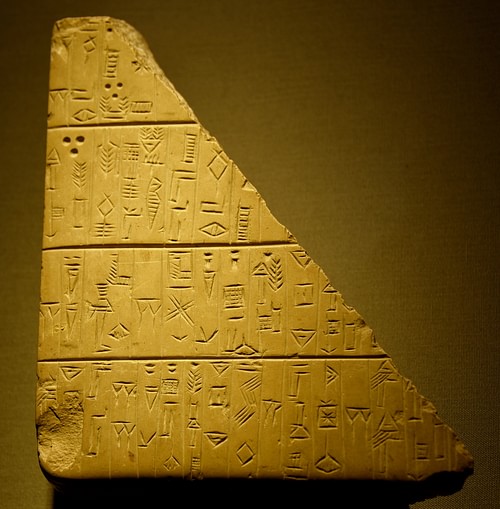
When she was the goddess of grains, her cuneiform pictogram was a grain stalk, meaning she was the grain. Early pictograms directly represented the object itself, not an abstract concept about the object. Thus, when the grain stalk appeared in early cuneiform, it was an invocation: Nisaba, the grain, was present. By extension, as she evolved into the goddess of writing, she became the written word, language itself, literacy, communication, and learning. She was simultaneously the writer and the written word, a conceptual merging that highlights the divine and fundamental importance of literacy in Sumerian thought.
Invocation and Veneration
The reverence for Nisaba permeated the scribal culture of Mesopotamia. As the goddess of literacy and the patroness of the craft of writing, she was regularly invoked by scribes of all ages and levels of experience. Scribal school tablets, literary works, and hymns frequently conclude with the phrase, "Praise be to Nisaba!" This was not merely a polite closing but a heartfelt gesture of gratitude for her divine assistance in the arduous and intellectually demanding task of composition.
Betty Deshong Meador recounts a particularly poignant example of this devotion, noting how "a young student wrote on one ancient tablet, ‘I am the creation of Nisaba’" (Monaghan, 9). This declaration goes beyond simple praise; it expresses a deep, personal identification with the goddess, acknowledging her as the source of intellectual being and the very skill that defined the student’s identity. Such statements underscore Nisaba’s central role not just in the practical act of writing, but in the spiritual and intellectual formation of those who practiced it.
The Decline of a Divine Scribe: Worship and Succession
Despite her profound influence, Nisaba’s prominence, like the ebb and flow of empires, eventually waned, giving way to new divine hierarchies.
Esagin: The House of Lapis Lazuli
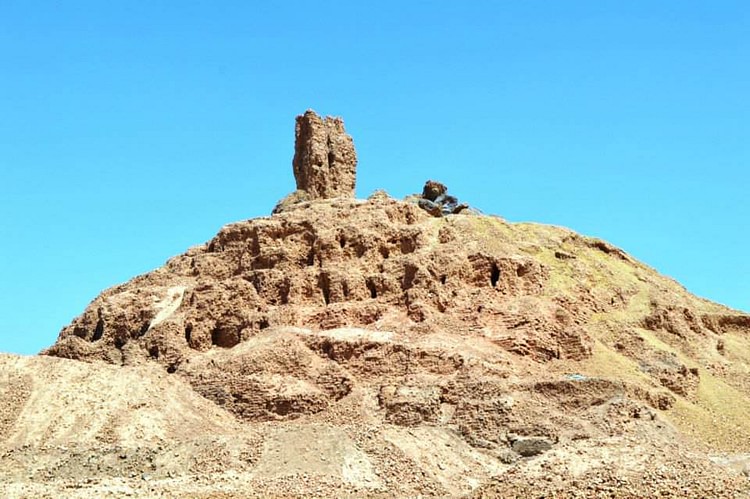
While archaeological evidence has yet to uncover a dedicated temple specifically identified with Nisaba, inscriptions reveal that her temple at Eresh was known as Esagin, the "House of Lapis Lazuli." This name alone evokes a sense of preciousness and divine splendor, signifying a place of profound spiritual importance. Esagin served as a vibrant center of worship for over a millennium, attesting to Nisaba’s long-standing veneration. It’s plausible that many shrines and sanctuaries where Nisaba was honored, and even temples later dedicated to other gods like Nabu and Ninlil, may have originally been her own, subsequently repurposed or subsumed as religious traditions evolved. Shulgi of Ur, during the Ur III period (circa 2112 to circa 2004 BCE), notably attested to her continued association with Eresh, underscoring her enduring presence during a significant epoch of Sumerian resurgence.
Ultimately, Nisaba’s worship seems to have transcended traditional temple structures, consisting primarily of the very act of writing itself. By engaging in composition, an author was, in essence, honoring the goddess through the masterful application of the gifts she had bestowed. She became synonymous with wisdom and learning, making her an indispensable muse for scribes, scholars, priests, astronomers, and mathematicians who sought her inspiration and guidance in their intellectual endeavors. Meador encapsulates this intellectual reverence:
In Temple Hymn 42, Enheduanna calls her "faithful woman exceeding in wisdom." Already mentioned was her close relationship to scribes and scholarly activities. Mathematics and astronomy were in her repertoire. She was said to be "a lady with cunning intelligence." She was the goddess of creative inspiration, goddess of creative mind.
(Monaghan, 11)
The renowned Hymn to Nisaba, dating from the Ur II period, though formally dedicated to her patron Enki, opens with a powerful invocation to the goddess herself:
Lady coloured like the stars of heaven, holding a lapis lazuli tablet! Nisaba, great wild cow born of Uras, wild sheep nourished on good milk among holy alkaline plants, opening the mouth for seven reeds! Perfectly endowed with fifty great divine powers, my lady, most powerful.
(Black, Literature, 293)
This eloquent invocation, characteristic of Sumerian compositions, highlights the practice of seeking Nisaba’s divine aid at the outset of creative work and praising her upon its completion. However, this fervent practice would gradually become less common as a new divine figure emerged to claim her mantle.
Hammurabi’s Reforms and the Rise of Nabu
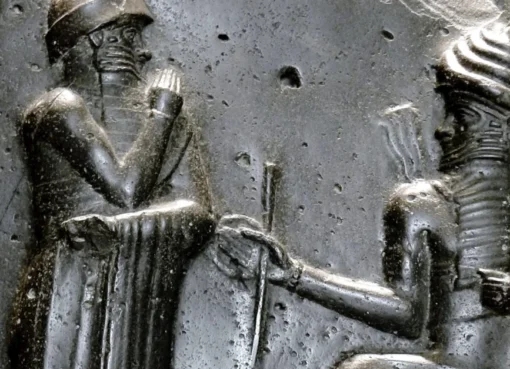
A significant turning point in Nisaba’s status occurred during the Old Babylonian Period (circa 1894-1595 BCE), particularly under the transformative reign of Hammurabi of Babylon (1792-1750 BCE). Hammurabi, an Amorite king who ascended to power after his father’s abdication, embarked on an ambitious program of conquest, forging a vast empire. His subsequent actions fundamentally reshaped the Mesopotamian religious landscape.
To legitimize his rule and honor the deities believed to have granted him victory, Hammurabi systematically elevated the status of his patron gods, Marduk of Babylon and his son, Nabu. This elevation came at the expense of other deities, and critically, it ushered in a period where goddesses across Mesopotamia experienced a significant decline in prestige and worship, mirroring a corresponding erosion of the status and rights of women in society. Strong, warlike male deities such as Marduk, Assur, and Ninurta gained unprecedented popularity, even overshadowing once-mighty goddesses like Inanna, despite her associations with war.
In this new patriarchal divine order, Nabu, as Marduk’s favored son, directly usurped Nisaba’s esteemed position as the patron of writing and scribes. Nisaba was relegated to a secondary, subordinate role, sometimes depicted in inscriptions as Nabu’s wife or consort. While she still maintained a function, often depicted as keeping the records and library of the gods, the vital spark of creative inspiration was now attributed to Nabu. Her identity shifted from being the source of literacy to merely its diligent administrator, a stark contrast to her previous embodiment of the written word.
Enduring Legacy and Fading Footprints
Despite this significant demotion, Nisaba did not vanish entirely. She continued to be venerated in Nabu’s temples for thousands of years, her ancient influence lingering in the shadow of her successor. She is listed, alongside Nabu, within the pantheon of Neo-Assyrian gods from circa 912-612 BCE. When the Neo-Assyrian Empire ultimately fell in 612 BCE, many deities closely associated with Assyrian rule were deliberately targeted for vengeance by the invading forces, their statues destroyed and temples razed. However, deities like Nabu and Nisaba were often spared. By this time, their worship had either become assimilated into other religious traditions or they were remembered for their earlier Babylonian associations, rather than their more recent Assyrian ones, thus granting them a degree of protection.
Worship of Nabu extended well into the Christian era, finding adherents in Greece and Rome, reflecting his widespread influence. Nisaba, however, remained largely confined to Mesopotamia. She was still attested as being worshiped in the region during the Seleucid period (312-63 BCE), demonstrating her remarkable resilience. Yet, after this era, her influence gradually dwindled, and she ultimately faded from collective memory, along with many of the ancient gods, as Christianity gained wider acceptance and eventually dominated the religious landscape of the Near East.
Conclusion
The story of Nisaba is a compelling microcosm of Sumerian civilization itself. Her journey from a humble grain goddess, embodying the agricultural fertility that sustained early human settlements, to the divine scribe, personifying the revolutionary power of the written word, mirrors the profound societal shifts that transformed simple agrarian communities into complex urban civilizations. She was more than a deity; she was the divine expression of a fundamental human achievement.
Nisaba’s evolution from the tangible stalk of barley to the abstract concept of language and literacy underscores the intellectual sophistication of the Sumerians. She presided over the birth of formal education, the meticulous recording of history, and the very act of creative expression. Even as her primary role diminished under the patriarchal reforms of Hammurabi and the ascendancy of Nabu, her legacy as the ancient world’s patroness of knowledge and the written word endured for millennia. Though her name eventually succumbed to the sands of time and the rise of new faiths, the principles she embodied – wisdom, learning, communication, and the enduring power of the written record – remain foundational to human civilization. Nisaba, the ancient Sumerian goddess, forever stands as a silent testament to the enduring power of the pen, and the divine origins that humanity once ascribed to its most transformative invention.