The Spy Who Came in from the Cold: How J.J. Abrams’ ‘Alias’ Successfully Recruited a James Bond Icon
In the early 2000s, the landscape of American television was undergoing a seismic shift. The era of the "prestige drama" was dawning, and at the forefront of this revolution was a young writer-producer named J.J. Abrams. While he had already found success with the collegiate drama Felicity, it was his foray into the high-stakes world of international espionage with Alias that cemented his reputation as a master of serialized storytelling.
At the height of its creative powers, Alias was more than just a spy thriller; it was a cultural magnet that attracted some of the biggest names in Hollywood. Perhaps the most significant "meta-casting" achievement in the show’s five-season run was the enlistment of Sir Roger Moore. By bringing a former James Bond into the fold of a modern, tech-heavy spy drama, Abrams didn’t just cast an actor—he bridged two generations of espionage fiction.
Main Facts: The Intersection of 007 and Sydney Bristow
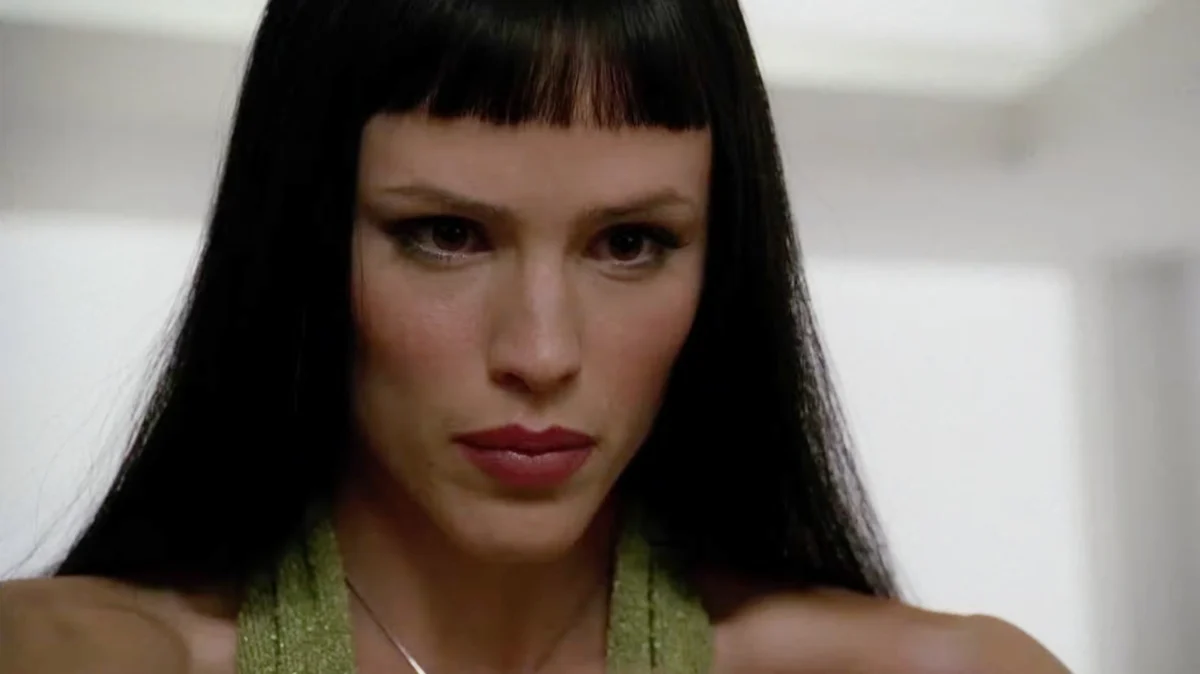
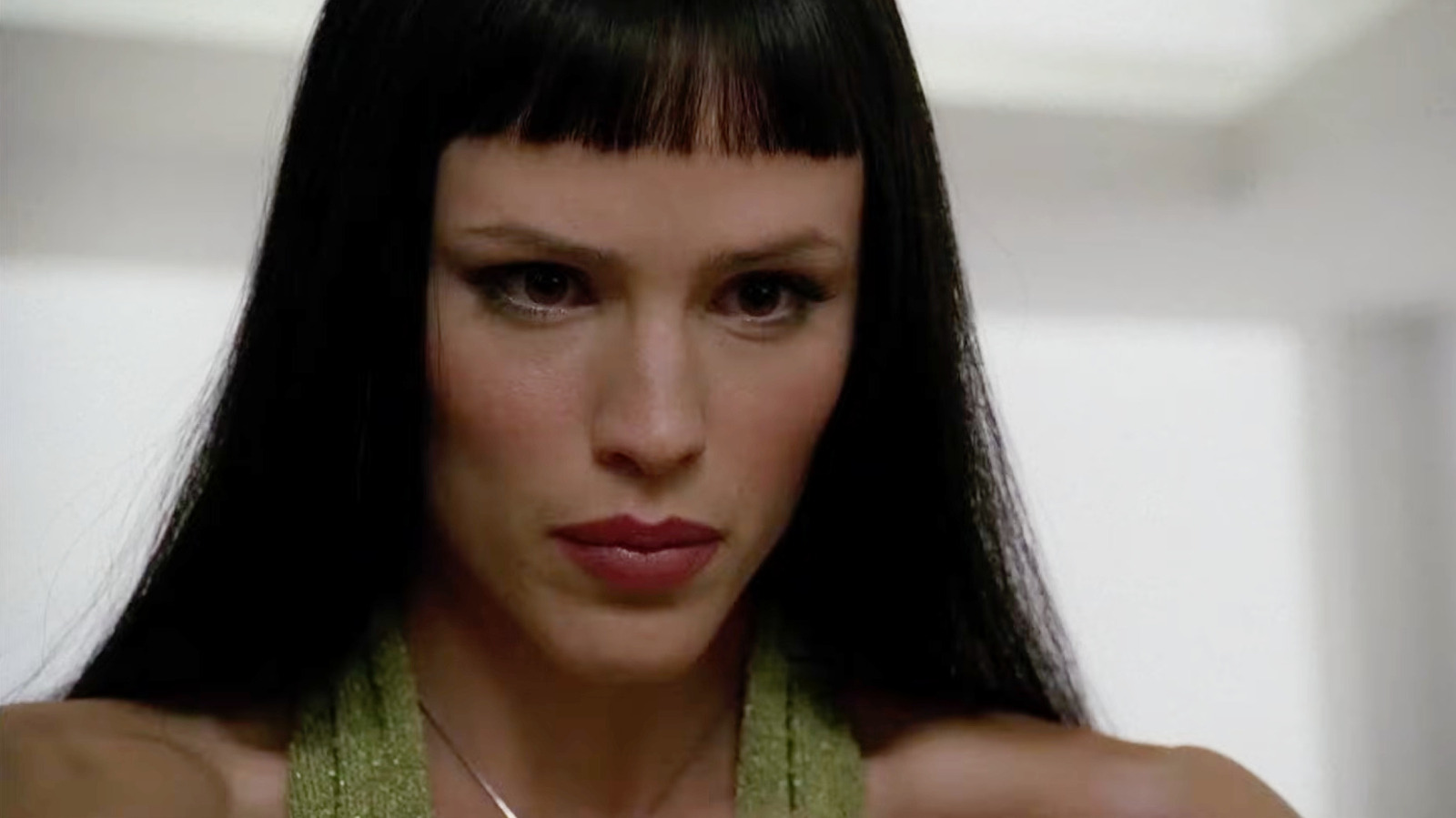
Alias, which premiered on ABC in September 2001, followed the life of Sydney Bristow (Jennifer Garner), a graduate student who believes she is working for a secret branch of the CIA known as SD-6. Upon discovering that SD-6 is actually a cell of a global criminal enterprise called the Alliance of Twelve, Sydney becomes a double agent for the real CIA, tasked with dismantling the organization from within while maintaining her cover.
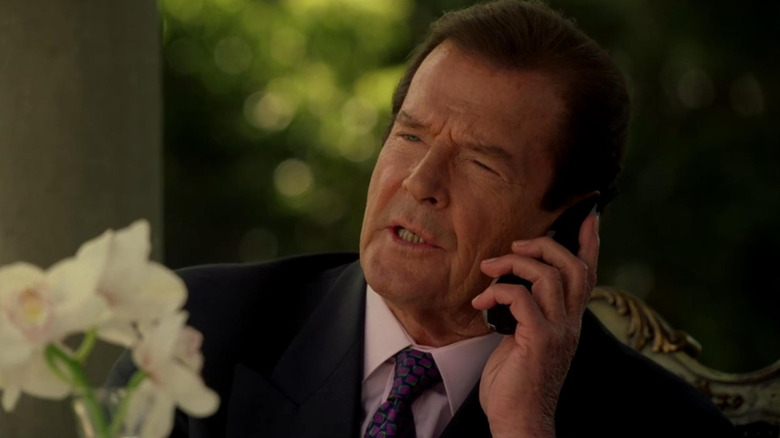
In the sixteenth episode of the first season, titled "The Prophecy," the show pulled off a casting coup by introducing Roger Moore as Edward Poole. Moore, who portrayed James Bond in seven films between 1973 and 1985, was the embodiment of the "gentleman spy." His appearance on Alias served as a sophisticated nod to the genre’s roots, even as the show sought to deconstruct and modernize those very tropes.
Moore’s character, Edward Poole, was a high-ranking member of the Alliance of Twelve, representing the European interests of the cabal. His role was brief but pivotal, illustrating the cutthroat internal politics of the show’s primary antagonistic force.
Chronology: The Rise of ‘Alias’ and the Arrival of a Legend
2001: The Genesis of a New Hero
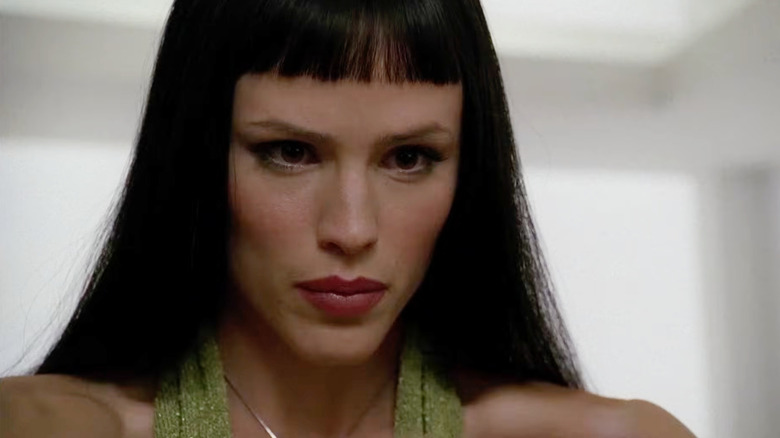
When Alias debuted, it was immediately distinguished by its breakneck pace, intricate plotting, and Jennifer Garner’s physical performance. Unlike the invincible, detached spies of the past, Sydney Bristow was emotionally vulnerable, often seen weeping over her double life before donning a neon wig for a mission in Taipei or Berlin.
February 2002: "The Prophecy" and the Moore Cameo
By the time Season 1 reached its sixteenth episode, the show had established its complex mythology involving Milo Rambaldi—a 15th-century prophet and polymath whose inventions were the "MacGuffins" of the series.
In "The Prophecy," the Alliance of Twelve is in a state of high alert. Edward Poole (Moore) arrives to meet with the series’ primary antagonist, Arvin Sloane (Ron Rifkin). Poole is a master of manipulation, attempting to convince Sloane that a fellow Alliance member is a mole. The tension of the episode is derived from the "spy vs. spy" dynamics within the villainous organization itself. However, in a shocking subversion of Moore’s heroic Bond persona, Poole is revealed to be the actual traitor. His tenure on the show ends abruptly when Sloane murders him in cold blood, a move that signaled to the audience that in the world of Alias, even a "James Bond" figure wasn’t safe from the ruthlessness of modern terror.
2003–2006: The Peak and the Pivot
Following Moore’s appearance, the show continued to attract A-list talent, reaching its narrative zenith in the Season 2 episode "Phase One," which aired after the Super Bowl in 2003. This episode famously dismantled the SD-6 status quo, fundamentally changing the series’ trajectory. While the show struggled to maintain its narrative momentum in later seasons (specifically Seasons 4 and 5), the early years remain a gold standard for television action.
Supporting Data: A Magnet for Cinematic Heavyweights
Roger Moore was not an isolated incident of high-profile casting. Under J.J. Abrams and executive producer Ken Olin, Alias became a "bucket list" destination for actors and directors who usually avoided television.
The Guest Star Roster:
- Quentin Tarantino: The Oscar-winning director appeared in a two-part arc as McKenas Cole, a disgruntled former SD-6 agent. Tarantino’s involvement was a massive endorsement of the show’s "cool factor."
- Faye Dunaway: The Chinatown legend played Ariana Kane, an internal affairs investigator within the Alliance, bringing a layer of Old Hollywood gravitas to Season 2.
- Ethan Hawke: Appeared as a mysterious CIA operative, further bridging the gap between independent film and network television.
- Isabella Rossellini: Played Katya Derevko, adding to the show’s complex "family tree" of international spies.
- Angela Bassett: Joined the cast in the later seasons as a high-ranking CIA official, maintaining the show’s prestige even as the plots became increasingly fantastical.
Critical and Commercial Impact:
At its peak, Alias averaged nearly 10 million viewers per episode—a significant number for a show with such a dense, serialized mythology. Jennifer Garner won a Golden Globe for Best Actress in a Television Drama in 2002, and the show earned 42 Emmy nominations over its run, highlighting the technical proficiency of its production, from stunt coordination to prosthetic makeup.
Official Responses and Behind-the-Scenes Context
The casting of Roger Moore was a deliberate attempt to pay homage to the history of the spy genre. J.J. Abrams has frequently spoken about his "Mystery Box" philosophy and his love for the tropes of 1960s and 70s cinema.
In retrospective interviews, the production team noted that Moore was a consummate professional on set. Despite his legendary status, he reportedly enjoyed the "campy" elements of the Alias villains and the intensity of Ron Rifkin’s performance. For Moore, who had spent decades playing the world’s most famous secret agent, playing a villainous, doomed member of the Alliance was a playful subversion of his public image.
Victor Garber, who played Sydney’s father Jack Bristow, once remarked on the surreal nature of the Alias set, noting that one day he would be acting opposite a graduate of the Juilliard School and the next he would be sharing a scene with a cinematic icon like Moore or Dunaway. This "collision of worlds" became the signature of the Bad Robot production style.
Implications: The Legacy of ‘Alias’ in the Modern Era
The success of Alias and the inclusion of stars like Roger Moore had lasting implications for the television industry and the careers of those involved.
1. The "Movie Star" Migration to TV
Before Alias, there was a distinct barrier between "movie stars" and "TV actors." By casting Moore, Dunaway, and Tarantino, Abrams helped normalize the idea that high-quality television was a worthy medium for A-list talent. This paved the way for the current "Golden Age of Television," where stars like Nicole Kidman, Meryl Streep, and Matthew McConaughey lead limited series.
2. The Blueprint for the Modern Action Heroine
Sydney Bristow was a precursor to characters like Marvel’s Black Widow or Killing Eve’s Eve Polastri. Jennifer Garner’s ability to balance extreme physicality with emotional depth proved that female-led action series could be both commercially successful and critically respected.
3. The Abrams Empire
Alias was the true launchpad for J.J. Abrams’ career as a blockbuster architect. The "Rambaldi" mythology—a sprawling, ancient mystery that influenced modern events—was a dry run for the "island mysteries" of Lost. The fast-talking dialogue and lens-flare aesthetic developed on Alias would eventually define his work on the Star Trek and Star Wars franchises.
4. The Bond Connection
Interestingly, the DNA of Alias eventually circled back to the James Bond franchise. When Daniel Craig took over as 007 in 2006’s Casino Royale, the series moved toward a more grounded, emotionally bruised portrayal of Bond—a shift that many critics noted bore a resemblance to the vulnerable, high-stakes world Sydney Bristow inhabited.
Conclusion: Why ‘Alias’ Still Matters
While Alias may be overshadowed in the public consciousness by Abrams’ later work like Lost, it remains a masterclass in genre-bending television. The first two seasons, in particular, offer a perfect blend of "case-of-the-week" excitement and a deeply personal family drama.
The guest appearance of Roger Moore remains a highlight of the series—a passing of the torch from the gadget-laden, tuxedo-wearing era of the Cold War to the gritty, tech-reliant, and morally ambiguous world of 21st-century espionage. For fans of the genre, seeing Moore and Garner in the same universe was a rare moment of television magic that honored the past while sprinting toward the future.
Alias is currently available for streaming on Disney+, offering a new generation of viewers the chance to see Sydney Bristow—and a legendary James Bond—navigate the treacherous waters of the Alliance of Twelve.