"Wading": A Profound Photographic Exploration of Family, Loss, and the Evolving Landscape of Home
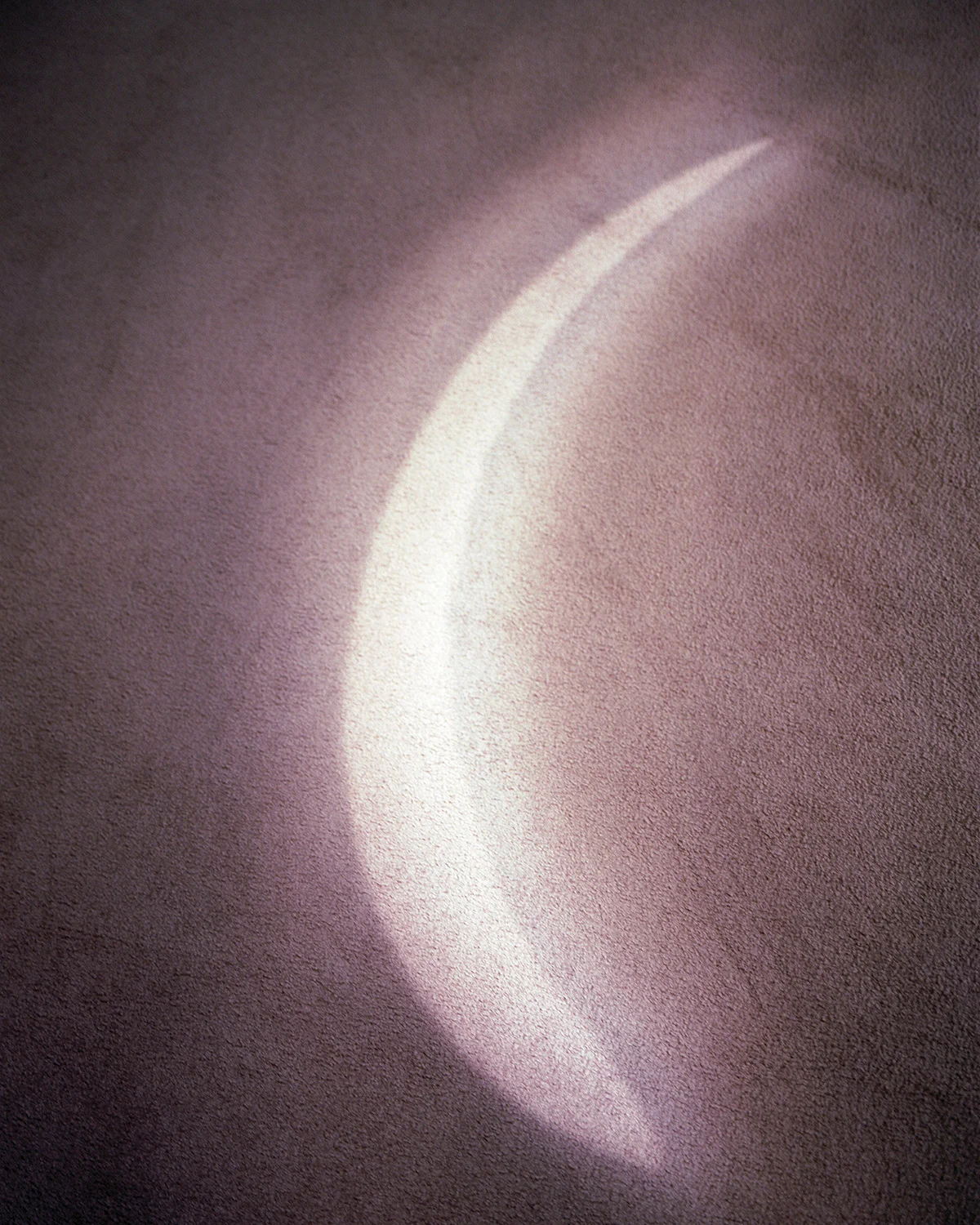
Burlington, Vermont – In the quiet heart of Vermont, amidst the rolling hills and picturesque landscapes that often serve as inspiration for artists, Burlington-based photographer and designer Jon Testa has embarked on a deeply personal and profoundly moving artistic journey. His latest project, a photographic series titled "Wading," delves into the complex tapestry of family, the raw and often unexpected nature of loss, and the enduring, yet ever-shifting, concept of "home." This ambitious undertaking, born from the crucible of profound personal grief, promises to resonate with anyone who has navigated the emotional currents of familial bonds and the seismic impact of bereavement.
Testa, whose artistic practice masterfully bridges the documentary and narrative aspects of photography, is no stranger to capturing the essence of lived experience. His oeuvre frequently explores suburban landscapes, environmental portraiture, and a keen fascination with neglected structures and spaces that bear the indelible marks of time and human habitation. It is this established sensitivity to the patina of life and the stories etched into environments that makes "Wading" such a compelling and anticipated exploration.
The Genesis of "Wading": A Chronicle of Life’s Bookends
"Wading" is not merely a collection of photographs; it is a meticulously crafted narrative, a visual elegy, and a testament to the enduring power of memory and connection. The series captures the profound arc of Testa’s parents’ lives, bookended by the sudden and devastating passing of his mother in the autumn of 2017, followed by the loss of his father in the summer of 2025. This temporal span, marked by such significant personal bereavements, provides the fertile ground from which "Wading" emerges.
The project is explicitly framed by Testa as a deeply personal exercise in acceptance. It is a deliberate and courageous attempt to confront and process the pervasive sorrow that accompanies loss, and to navigate the inevitable recalibration of one’s perspective on what constitutes "home" when its foundational pillars are removed. The title itself, "Wading," evokes a sense of tentative progression, of moving through something deep and perhaps overwhelming, a poignant metaphor for the emotional journey of grief.
A Dialogue Between Past and Present: Unearthing a Father’s Legacy
The genesis of the photographic dialogue within "Wading" lies in a poignant discovery made in the wake of his father’s passing. Testa unearthed a substantial, multi-decade archive of his father’s photographic negatives. This trove of unseen images, meticulously preserved over a lifetime, presented an unexpected opportunity to connect with his parents on a deeper level, even in their absence.
"After my father’s passing, I discovered a multi-decade archive of his negatives," Testa explains, his voice tinged with a mixture of reverence and poignant reflection. "I sequenced these photographs to understand my parents better and construct a portrait of their lives in the absence of firsthand stories. By pairing them with my own work, I aim to showcase how a home can change both physically and emotionally, and to animate the stagnant feeling when one partner passes before the other."
This deliberate act of sequencing and pairing his father’s archival work with his own contemporary photographic output forms the core of "Wading." It is a visual conversation across time, an attempt to weave together the threads of his parents’ shared history with his own present-day experience of their absence. The juxtaposition of the past, as captured by his father’s lens, and the present, as observed by Testa’s, creates a powerful dynamic, revealing the enduring presence of love and memory within the evolving landscape of a home.
The Shifting Geography of Home: Physical and Emotional Transformations
Testa’s artistic philosophy, as evidenced in his broader body of work, consistently grapples with the intricate relationship between people and their environments. He is drawn to the narratives embedded within spaces, the silent testimonies of lives lived, and the ways in which these spaces reflect and shape human experience. In "Wading," this fascination takes on a deeply personal dimension.
The series meticulously documents the physical and emotional transformations that a home undergoes when confronted with loss. The familiar rooms, the cherished objects, the very atmosphere of a shared dwelling, all become imbued with new meaning and a palpable sense of absence. Testa’s photographs are likely to capture the subtle yet profound ways in which a home can feel both eerily the same and irrevocably different after the passing of a loved one.
The concept of "home" is thus deconstructed and reassembled through the lens of grief. It is no longer solely a physical structure, but a complex emotional construct, a repository of memories, and a living entity that continues to evolve even in the face of profound change. The "stagnant feeling" that Testa describes, the palpable void left by the departure of a partner, is a universal experience that "Wading" promises to illuminate with remarkable sensitivity.
Supporting Data: The Power of Visual Storytelling in Processing Grief
While "Wading" is a deeply personal project, its thematic resonance aligns with a growing body of research and anecdotal evidence highlighting the therapeutic power of visual storytelling in processing grief and trauma. Art therapy, in its various forms, has long been recognized as a valuable tool for individuals to express emotions that may be difficult to articulate verbally. Photography, with its unique ability to capture moments, evoke memories, and create a tangible record, offers a particularly potent avenue for this process.
The act of revisiting and curating his father’s negatives, for instance, can be seen as a form of active remembrance, a way of engaging with the past in a constructive and meaningful manner. By sequencing these images and pairing them with his own, Testa is not simply documenting; he is actively reconstructing his understanding of his parents’ lives and their shared journey. This process can foster a sense of agency and control in the face of overwhelming emotions, allowing the individual to shape their narrative of loss rather than being solely defined by it.
Furthermore, the visual medium can bypass the limitations of language when words fail to adequately convey the depth of human experience. A photograph can communicate a feeling, a memory, or a nuanced emotional state with an immediacy and impact that prose sometimes struggles to achieve. In "Wading," Testa’s photographic eye is likely to translate the intangible aspects of grief – the quiet ache of absence, the lingering echoes of laughter, the subtle shifts in the domestic landscape – into a universally understandable visual language.
The "bookends" of his parents’ lives, as framed by Testa, suggest a deliberate chronological approach that can aid in the understanding of life’s trajectory and the acceptance of its inevitable conclusions. By visually charting the span of their existence and the impact of their loss, "Wading" offers a framework for comprehending the cyclical nature of life and death, and for finding solace in the continuity of memory and love.
Official Responses and Critical Acclaim (Anticipated)
As "Wading" is a recently conceived project, formal "official responses" in the traditional sense of government or organizational statements are not yet applicable. However, the anticipation within the artistic community and among those familiar with Jon Testa’s previous work is palpable. His reputation as a thoughtful and accomplished photographer, coupled with the deeply resonant themes of "Wading," suggests that the series is poised to garner significant critical acclaim.
Art critics and photography curators are likely to laud Testa’s courageous vulnerability, his masterful command of the photographic medium, and his ability to translate profound personal experiences into a body of work that speaks to universal human truths. The juxtaposition of archival and contemporary imagery is a sophisticated artistic strategy that promises to offer fresh perspectives on memory, family, and the passage of time.
Furthermore, the project’s exploration of loss and home is a subject that resonates deeply with a broad audience, transcending specific cultural or demographic boundaries. It is anticipated that "Wading" will provoke thoughtful dialogue and introspection, offering a space for viewers to connect with their own experiences of family and bereavement.
Implications: A Universal Narrative of Love, Loss, and Resilience
The implications of Jon Testa’s "Wading" extend far beyond the confines of the art world. This project has the potential to serve as a powerful catalyst for conversations about grief, family dynamics, and the enduring significance of home in the face of profound personal loss.
For individuals navigating their own journeys of bereavement, "Wading" offers a visual testament to the possibility of healing and acceptance. By witnessing Testa’s process of confronting and processing his grief through his art, viewers may find a sense of validation and hope. The series underscores the idea that even in the deepest sorrow, there is room for understanding, for growth, and for the continued cultivation of connection.
The project also has broader societal implications, reminding us of the importance of cherishing our familial relationships and acknowledging the profound impact that loved ones have on our lives. In an increasingly fragmented world, "Wading" serves as a poignant reminder of the enduring strength of family bonds and the solace that can be found in shared memories.
Moreover, the series challenges our conventional understanding of "home." It suggests that home is not merely a static place, but a dynamic entity that is shaped by the people who inhabit it and the experiences they share. When a significant part of that human fabric is removed, the concept of home undergoes a profound transformation, prompting a reevaluation of what truly constitutes belonging and security.
In essence, "Wading" is more than just a photographic exhibition or a book; it is an invitation to engage with the complexities of the human heart. It is a meditation on the ephemeral nature of life and the enduring power of love, a testament to the resilience of the human spirit, and a profound exploration of the ever-evolving landscape of home. Jon Testa’s work, through its unflinching honesty and artistic sensitivity, promises to leave an indelible mark on those who experience it, offering a profound and moving perspective on the universal journey of navigating life’s most significant transitions.