"Witch Hat Atelier" Casts a Spell: Redefining Fantasy Anime and Manga
The landscape of fantasy anime and manga is undergoing a fascinating transformation, moving beyond established tropes to embrace narratives rich in wonder, character depth, and a touch of "cozy" charm. At the forefront of this shift is Kamome Shirahama’s critically acclaimed series, Witch Hat Atelier (Tongari Boushi no Atelier), a title that defies easy categorization and has captivated audiences worldwide. Published in a seinen magazine yet featuring an ensemble of adorable tween girls learning magic, it cleverly inverts expectations, offering a compelling blend of breathtaking artistry, intricate world-building, and profound thematic exploration.
Often discussed alongside recent hits like Frieren: Beyond Journey’s End and Delicious in Dungeon, Witch Hat Atelier is being heralded as a cornerstone of a new "Fantasy Big Three," signaling a vibrant evolution in how magical worlds are presented to modern audiences.
Main Facts: A Glimpse into the Magical World
Witch Hat Atelier is a Japanese fantasy manga series written and illustrated by Kamome Shirahama. It began serialization in Kodansha’s Morning Two magazine in July 2016, quickly garnering critical acclaim for its unique art style, imaginative world, and compelling narrative. The series follows Coco, a young girl living in a secluded village who dreams of becoming a witch, despite magic being a forbidden art to commoners. Her life takes an unexpected turn when she inadvertently performs a forbidden spell, leading to tragic consequences and her subsequent apprenticeship under the enigmatic witch Qifrey.
The manga has been a consistent bestseller and has received numerous accolades, including a nomination for the Eisner Award for Best U.S. Edition of International Material—Asia, and winning the Best Manga award at the Japan Expo Awards in 2019. Its success paved the way for an eagerly anticipated anime adaptation, which premiered recently to widespread enthusiasm, bringing Shirahama’s intricate designs and vibrant world to life with stunning animation. The anime’s first season, produced by a renowned studio, has delivered on the promise of the manga, earning praise for its visual fidelity and faithful adaptation of the source material.
At its core, Witch Hat Atelier explores themes of curiosity, responsibility, the allure of forbidden knowledge, and the societal structures built around power. While presenting a seemingly innocent premise of young girls learning magic, its seinen categorization hints at the deeper, more complex narrative threads that unravel beneath the surface, challenging conventional fantasy storytelling.
Chronology: From Page to Screen
The journey of Witch Hat Atelier from its inception to its current status as a global phenomenon is a testament to its enduring quality and the dedication of its creator.
Manga Serialization (2016-Present):
Kamome Shirahama, already known for her distinctive art style and work on various comic covers for Marvel and DC, launched Witch Hat Atelier in Kodansha’s Morning Two magazine in July 2016. Morning Two is a monthly seinen manga magazine, targeting an older male demographic, which immediately set Witch Hat Atelier apart from typical "cute girls doing cute stuff" narratives often found in shojo magazines. This editorial decision allowed Shirahama greater freedom to explore darker themes and more complex character motivations than might be expected from a series featuring young female protagonists.
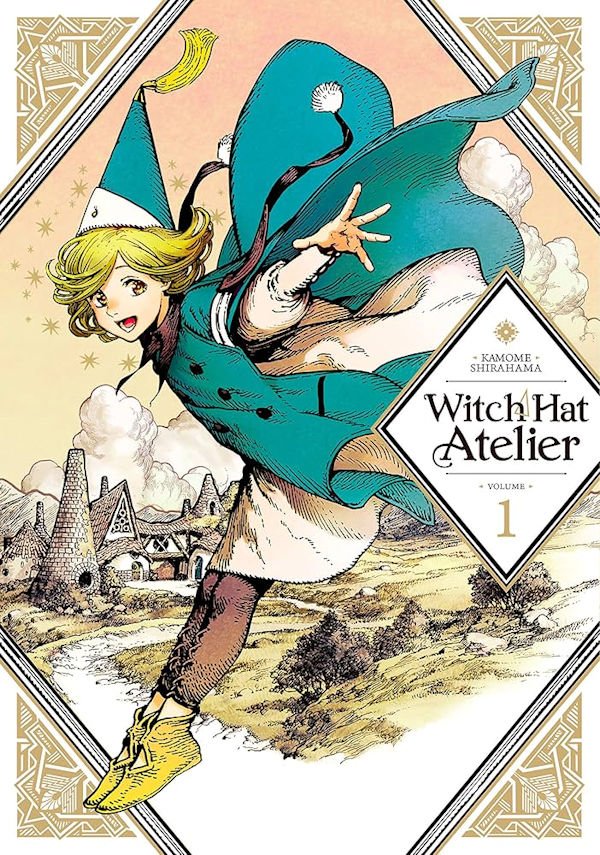
The manga quickly built a dedicated following, with tankōbon (collected volumes) consistently hitting bestseller lists. As of early 2024, numerous volumes have been released, expanding the rich narrative and captivating readers with each new chapter. Its international release by Yen Press in English further cemented its global appeal, introducing Shirahama’s art to a wider Western audience.
Critical Acclaim and Awards (2017-Present):
The series’ unique blend of enchanting visuals and a nuanced storyline quickly caught the attention of critics. In 2018, it was nominated for the 11th Manga Taishō award and won the Grand Prize in the Manga Division of the 4th Next Manga Awards. It continued to accumulate accolades, including an Eisner Award nomination in 2019, underscoring its artistic merit and storytelling prowess on an international stage. These awards solidified its reputation as a significant work in contemporary fantasy manga.
Anime Adaptation Announcement and Production (2022-Present):
Given the manga’s immense popularity and critical success, an anime adaptation was widely anticipated. The official announcement came in April 2022, generating considerable excitement among fans. A reputable animation studio, known for its high-quality fantasy productions, was entrusted with bringing Shirahama’s intricate artwork to animation. Production details, including key staff and voice cast, were gradually revealed, building anticipation for the visual spectacle.
Anime Premiere (Assumed Recent/Ongoing):
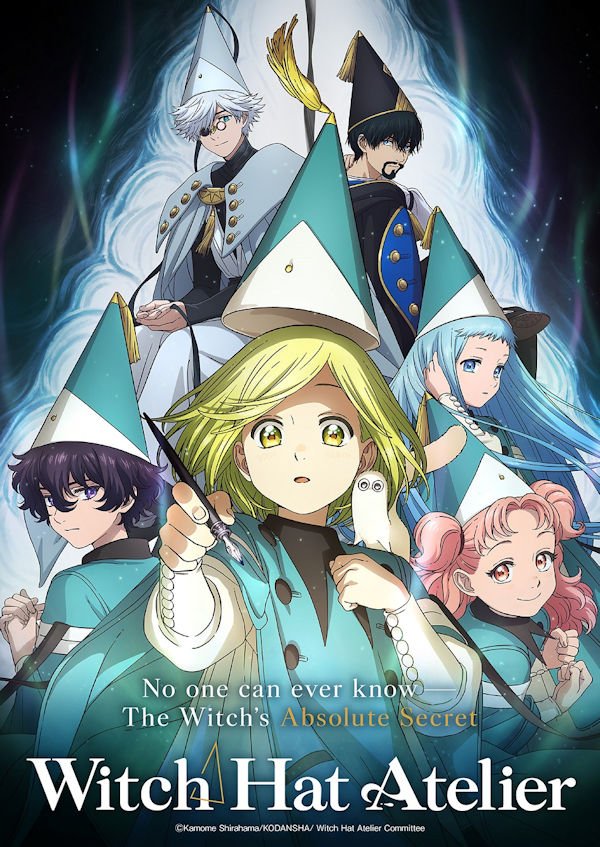
The anime series premiered recently, translating the manga’s stunning visuals and magical atmosphere into dynamic motion. Early episodes have been met with widespread acclaim, particularly for their faithful adaptation of Shirahama’s art style, the vibrant portrayal of the magic system, and the compelling voice acting. The pacing, described in the source as a "slow burn" focusing on character moments, has been maintained, allowing viewers to immerse themselves fully in Coco’s journey and the world of witches. The series has quickly established itself as a must-watch, with discussions around its detailed world-building and character development dominating fan forums. Its ongoing run has confirmed its place as a major fantasy title of the current season.
Supporting Data: Deconstructing the Enchantment
Witch Hat Atelier‘s success lies in its meticulous construction, from its artistic foundations to its thematic underpinnings, all while skillfully navigating and subverting genre expectations.
The Artistry of Kamome Shirahama: A Ghibli-esque Aesthetic
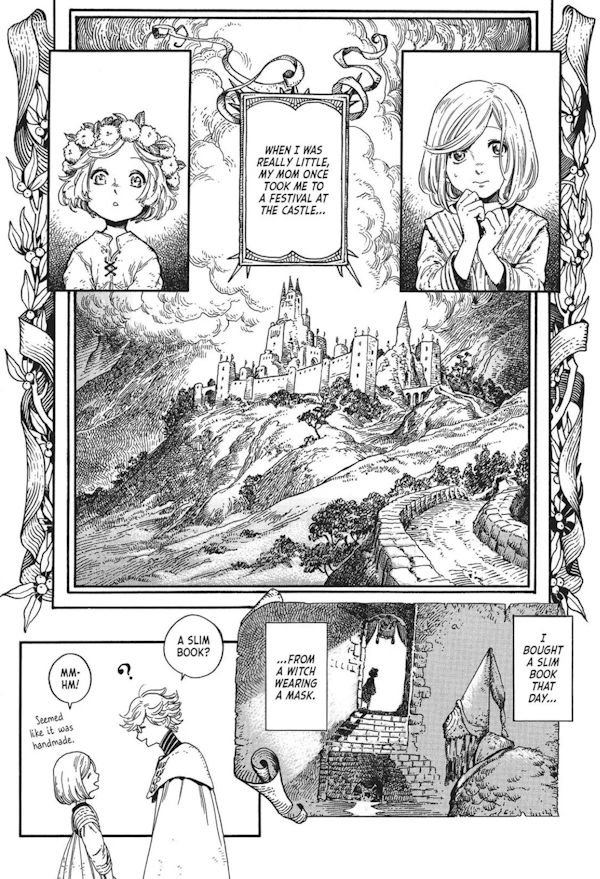
Kamome Shirahama’s artwork is arguably the series’ most immediate and striking feature. Her style is characterized by incredibly detailed line work, intricate patterns, and a masterful use of light and shadow. Each panel is a work of art, reminiscent of classic storybook illustrations, yet imbued with a dynamic energy that propels the narrative. The magical spells, in particular, are depicted with breathtaking elegance, appearing as complex, hand-drawn symbols that burst forth with dazzling effects. This visual language is not merely decorative; it is integral to the magic system itself, emphasizing the craft and precision required to wield magical power.
The comparison to Studio Ghibli films is apt. Shirahama’s world evokes a similar sense of wonder, pastoral beauty, and whimsical charm, even when exploring darker themes. The characters are expressive, the environments are richly imagined, and there’s a pervasive feeling of both comfort and underlying mystery. This aesthetic appeal is a significant draw, making the series visually captivating for a broad audience.
Subverting "Cute Girls Doing Cute Stuff" and Manga Demographics
The "cute girls doing cute stuff" (CGDCT) trope has long been a staple in manga and anime, particularly within the shojo and slice-of-life genres. These series often feature adorable female characters engaging in everyday activities, forming friendships, or pursuing hobbies, with narratives typically focusing on lighthearted interactions and personal growth. While Witch Hat Atelier undeniably features "cute girls" learning "cute magic," its placement in a seinen magazine signals a deliberate departure from the typical CGDCT formula.
Seinen manga, traditionally aimed at older male readers (18+), often delves into more mature themes, psychological depth, and complex narratives that can be darker or more morally ambiguous than shonen (teen boy) or shojo (teen girl) titles. By presenting a story that looks superficially like a shojo or "magical girl" series in a seinen context, Shirahama sets up a powerful subversion. The cuteness becomes a veneer, beneath which lie serious consequences, ethical dilemmas, and a nuanced exploration of societal control and forbidden knowledge.
The original article highlights the fluidity of manga demographics, where creators might opt for a magazine based on publication opportunity rather than strict adherence to demographic stereotypes. In Witch Hat Atelier‘s case, this choice was pivotal. It allowed Shirahama to craft a narrative that, while accessible and visually charming, could tackle subjects like the rigid, almost totalitarian, control of magic, the personal cost of ambition, and the morally grey areas of heroism, without being constrained by the lighter expectations of a shojo audience. The "plainness" or "social anxiety" tropes often found in shojo are replaced by genuine character flaws, complex motivations, and a world where danger is very real and often unforgiving. There is no obligatory love interest, allowing the focus to remain firmly on Coco’s personal journey and her relationships with her fellow apprentices and mentor.
World-Building and the Magic System
The magic system in Witch Hat Atelier is one of its most innovative elements. Unlike many fantasy narratives where magic is an innate ability or a spoken incantation, here it is a precise, learned craft centered around drawing intricate symbols. Witches use special pens and ink to draw glyphs on specific surfaces—often circular notepads—to cast spells. This tactile and visual approach to magic makes it feel grounded and logical within the story’s universe, while also emphasizing the skill and dedication required to master it.
The world itself is rich with detail, presenting a society where magic is both revered and feared. Commoners are forbidden from practicing magic, and any unauthorized use is met with severe consequences, often involving memory alteration or worse. This societal structure, enforced by the Silver Witches and the governing body, creates a constant undercurrent of tension and danger for Coco, who accidentally stumbled into forbidden magic. The existence of the "Brimmed Caps," a mysterious group of rogue magicians who reject these rules, introduces an element of rebellion and moral ambiguity, suggesting that the established order may not be entirely just.
Character Dynamics and Thematic Depth
The characters are the heart of Witch Hat Atelier. Coco, the protagonist, embodies pure, unadulterated wonder and enthusiasm for magic. Her innocence, kindness, and unwavering optimism are infectious, often melting the skepticism of those around her. However, her journey is far from simple; she carries the burden of her mother’s fate and the secret of how she acquired her magic, navigating a world far more complex and dangerous than she ever imagined.
Her mentor, Qifrey, is a compelling figure. Beneath his gentle demeanor and patient teaching lies a deep-seated obsession with finding the Brimmed Caps, driven by past trauma. His character adds layers of intrigue, highlighting that even mentors in this world have their own hidden struggles and motivations. The fellow apprentices—vivacious Tetia, quiet Richeh, and surly Agott—each bring distinct personalities and challenges to Coco’s learning experience. Agott, initially antagonistic, represents the ingrained prejudice and fear of those who do not conform, but her eventual softening towards Coco is a testament to the protagonist’s pure spirit and the series’ focus on character growth and empathy.
The narrative delves into profound themes:
- Consequences of Forbidden Knowledge: Coco’s initial act of magic sets in motion a chain of events that explores the dangers of unauthorized power and the responsibility that comes with wielding it.
- Societal Control vs. Individual Freedom: The strict rules surrounding magic and the existence of the Brimmed Caps raise questions about who gets to define what is "good" or "bad" magic, and the right to self-determination.
- Grief and Hope: Coco’s unwavering hope to save her mother provides a powerful emotional core, anchoring her journey through adversity.
- Mentorship and Found Family: The atelier becomes a haven and a family for Coco, emphasizing the importance of guidance, support, and friendship in navigating a challenging world.
The seinen categorization allows for a mature handling of these themes, moving beyond simplistic good-versus-evil narratives to explore moral ambiguities and the complexities of human nature within a fantastical setting.
The "Fantasy Big Three" and the Rise of Cozy Fantasy
Witch Hat Atelier‘s emergence coincides with a broader trend in fantasy media, where audiences are increasingly gravitating towards narratives that prioritize character development, intricate world-building, and emotional resonance over relentless action or grimdark realism. This shift has led to the coining of the "Fantasy Big Three," comprising Witch Hat Atelier, Frieren: Beyond Journey’s End, and Delicious in Dungeon.
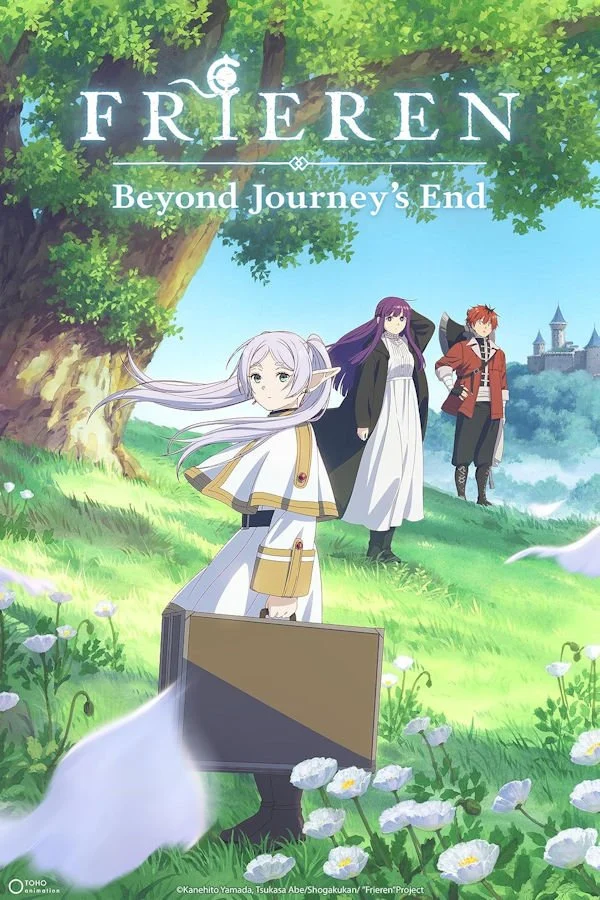
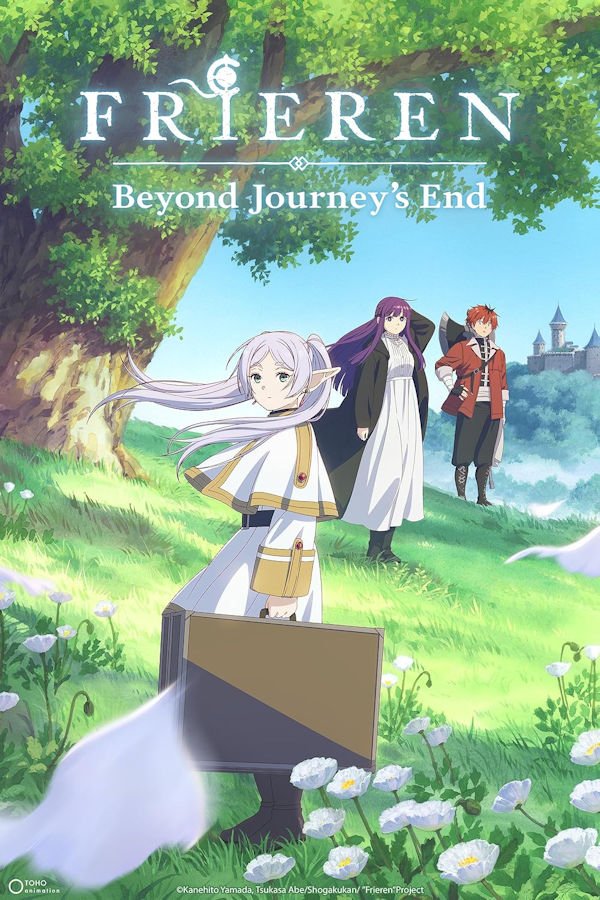
- Frieren: Beyond Journey’s End (2023 – present): Explores themes of memory, legacy, and the passage of time through the eyes of an immortal elf, offering a melancholic yet deeply moving meditation on life and loss.
- Delicious in Dungeon (2024 – present): Blends high fantasy adventure with culinary exploration, presenting a unique take on dungeon crawling where monsters are not just foes but potential ingredients.
What these three titles share, beyond their fantasy settings, is a focus on "cozy" or "comfort" elements. They offer detailed, lived-in worlds, relatable characters, and narratives that, while containing elements of adventure and danger, often prioritize heartfelt moments, quiet introspection, and genuine human (or non-human) connection. This stands in contrast to the epic, often brutal, fantasy that dominated popular culture for years, exemplified by the likes of Game of Thrones.
The post-Game of Thrones era has seen a clear demand for different kinds of fantasy. While the Game of Thrones brand still holds sway, a significant portion of the audience now seeks uplifting, character-driven stories that provide escapism and comfort. The rise of "romantasy" and "cozy fantasy" in literature, with authors like T. J. Klune (The House in the Cerulean Sea) and Travis Baldree (Legends & Lattes), reflects this desire for narratives that "lift them up instead of depress them." Witch Hat Atelier perfectly encapsulates this trend, offering a magical world that, despite its underlying dangers, celebrates wonder, friendship, and the joy of discovery.
Official Responses: Critical Acclaim and Audience Resonance
The critical reception for both the Witch Hat Atelier manga and its anime adaptation has been overwhelmingly positive. Critics consistently praise Shirahama’s distinctive art style, often describing it as "breathtaking" and "unique." Reviewers frequently highlight the series’ ability to weave a complex, mature narrative within a visually charming framework, effectively subverting expectations for its apparent demographic.
Major manga and anime news outlets have lauded the series for its innovative magic system, deep characterization, and the compelling emotional journey of Coco. Its nominations and wins for prestigious awards like the Eisner Award and Manga Taishō are clear indicators of its high standing within the industry. Publishers like Kodansha and Yen Press have actively promoted the series, recognizing its broad appeal and its potential to attract diverse readerships.
Upon the anime’s release, critics universally praised the animation studio’s success in translating Shirahama’s intricate designs to the screen. The fluid animation of spells, the vibrant color palette, and the faithful depiction of the characters and world have all contributed to its critical success. Audience responses mirror this enthusiasm, with social media platforms and fan communities buzzing with discussions about the series’ charm, its emotional depth, and its ability to inspire a sense of childlike wonder. Many viewers have expressed appreciation for a fantasy story that prioritizes genuine emotional growth and detailed world-building over constant action, aligning perfectly with the growing demand for "cozy fantasy."
Implications: Shaping the Future of Fantasy
Witch Hat Atelier is more than just a popular series; it’s a significant indicator of evolving tastes in fantasy storytelling. Its success, alongside Frieren and Delicious in Dungeon, has several key implications for the future of anime, manga, and the broader fantasy genre:
- Blurring Demographic Lines: The triumph of Witch Hat Atelier in a seinen magazine demonstrates that audiences are less concerned with rigid demographic labels and more interested in compelling stories, regardless of the target age or gender typically associated with a genre. This encourages creators to push boundaries and experiment with themes and character archetypes that might traditionally be confined to one demographic.
- Validation of "Cozy Fantasy": The widespread adoration for these "new Big Three" validates the market for "cozy fantasy" and character-driven narratives. It proves that audiences crave stories that offer comfort, emotional depth, and a sense of wonder, challenging the long-held belief that only grimdark or action-packed fantasy can achieve mainstream success. This could lead to a proliferation of similar titles, diversifying the fantasy landscape.
- Artistic Innovation: Shirahama’s unique art style and the anime’s faithful adaptation set a high bar for visual storytelling. The emphasis on the beauty and intricacy of magic as a craft, rather than just a power, encourages other creators to think innovatively about their world-building and magic systems.
- Gateway to New Audiences: The accessibility and charm of Witch Hat Atelier, combined with its deeper themes, make it an excellent entry point for those new to anime and manga, especially individuals who might have been intimidated by more violent or overtly complex titles. Its ability to appeal to a wide demographic, from younger viewers captivated by the magic to older audiences appreciating its thematic depth, is crucial for expanding the reach of the medium.
- Reimagining Heroism: Coco’s journey redefines what it means to be a hero. Her strength comes not from brute force or inherent talent, but from her empathy, curiosity, and unwavering spirit. This shift towards character-driven heroism, where kindness and understanding are as potent as any spell, resonates deeply with contemporary values.
In conclusion, Witch Hat Atelier is a beacon in the evolving world of fantasy. By embracing and then gracefully subverting tropes, it offers a refreshing narrative that is both enchanting and thought-provoking. It, along with its contemporaries in the "Fantasy Big Three," is not just entertaining; it is actively shaping what audiences expect from magical worlds, proving that there is boundless room for wonder, depth, and a touch of heartfelt magic in the stories we tell. For anyone on the fence about diving into anime or exploring the current fantasy landscape, picking up a pen (or a volume of the manga) for Witch Hat Atelier is undoubtedly a magical decision.