Monte Lin Appointed Nonfiction Editor at Uncanny Magazine, Retaining Managing Editor Role
FOR IMMEDIATE RELEASE
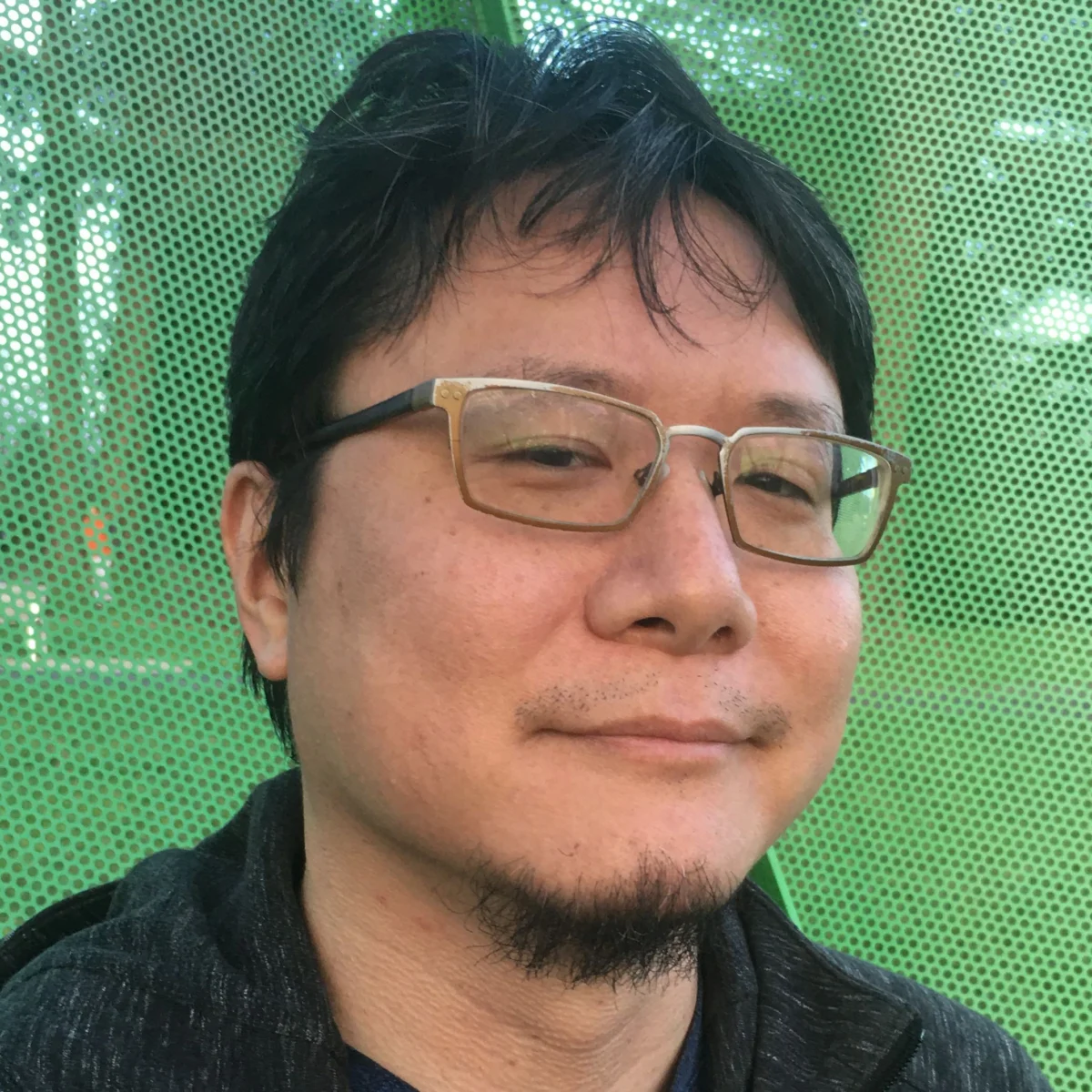
[City, State] – [Date of Article, e.g., October 26, 2023] – Uncanny Magazine, a leading voice in science fiction and fantasy literature, has announced the promotion of its esteemed Managing Editor, Monte Lin, to the additional role of Nonfiction Editor. The move, effective immediately, sees Lin taking on expanded editorial responsibilities while continuing to oversee the operational and production facets of the Hugo Award-winning publication. This strategic appointment signals Uncanny‘s commitment to further enriching its critical discourse and analytical content, building upon its established reputation for publishing insightful and thought-provoking essays.
The announcement was met with considerable enthusiasm within the Uncanny team and the broader speculative fiction community. Lin’s extensive experience, marked by a rapid ascent within the magazine’s hierarchy and multiple industry accolades, positions him as a pivotal figure in shaping the future trajectory of Uncanny‘s nonfiction offerings. His dual role is expected to foster a more integrated editorial vision, ensuring a cohesive and high-quality experience for readers across all content categories.
A Trajectory of Excellence: Monte Lin’s Journey at Uncanny Magazine
Monte Lin’s journey with Uncanny Magazine has been characterized by consistent dedication and a profound impact on the publication’s operational and editorial success. His progression through various roles within the magazine reflects a deep understanding of the intricate processes involved in bringing a high-caliber literary journal to fruition.
From Aspiring Author to Assistant Editor
Lin’s literary background, prior to his tenure at Uncanny, laid a crucial foundation for his editorial career. As an accomplished writer himself, with stories featured in respected genre outlets such as Cossmass Infinities, Cast of Wonders, Translunar Travelers Lounge, and anthologies from Flame Tree Press, he brought an invaluable authorial perspective to the editorial table. His participation in prestigious workshops like Clarion West (2019) and Tin House (YA 2022) further honed his critical eye and understanding of narrative craft, equipping him with a nuanced appreciation for both the creative process and the demands of publication. These experiences provided him with a comprehensive understanding of the literary ecosystem, from the initial spark of an idea to the final polished product. His early works demonstrated a breadth of interest across speculative fiction subgenres, suggesting an open-mindedness vital for an editor tasked with curating diverse voices.
In September 2021, Lin officially joined Uncanny Magazine as Assistant Editor. In this foundational role, he quickly became indispensable, assisting with the myriad tasks crucial to the smooth operation of a bimonthly publication. This often includes managing the submission queue, performing initial reads, conducting copyedits, coordinating with authors, and ensuring adherence to editorial guidelines. The Assistant Editor position serves as a vital training ground, offering an immersive education in the day-to-day realities of magazine production. It requires meticulous attention to detail, strong organizational skills, and a budding editorial judgment – qualities Lin evidently demonstrated with distinction. His rapid assimilation into the Uncanny team and his efficient handling of responsibilities quickly signaled his potential for greater leadership.
Ascending to Managing Editor: A Foundation for Success
Lin’s exceptional performance as Assistant Editor led to his promotion to Managing Editor in May 2022. This elevation marked a significant expansion of his responsibilities, placing him at the operational heart of Uncanny Magazine. As Managing Editor, Lin became responsible for the intricate logistical dance that ensures each issue is published on schedule and to the highest standards. This includes overseeing the production timeline, coordinating between various editorial departments (fiction, poetry, art, nonfiction), managing author and artist contracts, handling rights and permissions, and often playing a significant role in budget management and staff coordination. The role demands not only a keen eye for detail but also robust project management capabilities and the ability to foresee and mitigate potential challenges in the publishing pipeline.
Under his leadership as Managing Editor, Uncanny Magazine continued its remarkable streak of industry recognition. Lin’s tenure in this role coincided with the magazine securing two prestigious Hugo Awards. The Hugo Awards, widely considered the premier accolades in the field of science fiction and fantasy, are voted on by members of the World Science Fiction Convention (Worldcon) and recognize outstanding achievements in the genre. Winning two Hugos during his time as Managing Editor is a powerful testament to Lin’s operational excellence, his ability to maintain and elevate the magazine’s high standards, and his contribution to fostering an environment conducive to producing award-winning content. These awards not only solidified Uncanny‘s standing as a powerhouse in SFF publishing but also underscored Lin’s critical role in its ongoing success. The recognition reflects not just the quality of the individual stories and articles, but the overall editorial vision, production quality, and consistent delivery that a strong Managing Editor ensures.
Supporting Data: A Profile in Editorial Acumen
The decision to appoint Monte Lin as Nonfiction Editor alongside his existing duties is a clear reflection of his comprehensive skill set and a strategic move by Uncanny Magazine to bolster its critical and analytical content. The qualities highlighted by the magazine—thoughtfulness, organization, experience, and vision—are not merely platitudes but specific attributes that are vital for success in this demanding dual role.
Qualities Essential for Editorial Leadership
Lin’s thoughtfulness is paramount in an editorial role, especially one dealing with nonfiction. It implies a deep engagement with ideas, a nuanced understanding of arguments, and the ability to approach diverse perspectives with intellectual curiosity and respect. For Uncanny‘s nonfiction, this translates into selecting essays that are not only well-written but also conceptually robust, challenging, and insightful, contributing meaningfully to genre discourse. A thoughtful editor ensures that the content resonates with readers on an intellectual and emotional level, sparking further reflection and discussion. This quality is particularly important for Uncanny‘s stated goal of publishing "provocative, thoughtful, and passionate essays," requiring an editor who can discern genuine intellectual depth from mere sensationalism.
His organization, proven through his successful management of Uncanny as Managing Editor, is indispensable for handling the workflow of a busy literary magazine. As Nonfiction Editor, he will be responsible for soliciting, reviewing, editing, and scheduling a separate stream of content, all while maintaining his existing duties. This requires meticulous planning, efficient communication, and the ability to juggle multiple deadlines without compromising quality. An organized editor ensures that articles move smoothly from submission to publication, meeting all necessary benchmarks along the way. This operational efficiency directly supports the editorial vision, allowing creative energy to be focused on content rather than logistics.
Experience, derived from his multifaceted background as a writer, workshop participant, Assistant Editor, and Managing Editor, provides Lin with a 360-degree view of the publishing process. This hands-on knowledge of both creative and administrative aspects gives him a unique advantage. He understands the challenges faced by writers, the demands on editorial staff, and the expectations of readers. This comprehensive experience allows him to make informed decisions, offer constructive feedback, and navigate the complexities of editorial leadership with confidence and efficacy. His tenure at Uncanny alone has provided him with invaluable insights into the magazine’s specific ethos and operational rhythm.
Finally, vision is what truly elevates an editor from a manager of content to a shaper of discourse. Lin’s vision will be crucial in identifying emerging trends in SFF criticism, discovering new voices, and commissioning essays that push the boundaries of genre analysis. His ability to anticipate what readers want to discuss, what ideas need to be explored, and how Uncanny can contribute uniquely to the conversation will define the character of its nonfiction section. This foresight ensures that Uncanny remains relevant, engaging, and at the forefront of critical thought within the speculative fiction landscape.

Monte Lin’s Nonfiction Prowess and the Essence of SFF Discourse
Monte Lin’s personal history with nonfiction is a significant indicator of his suitability for this new role. He boasts an Ignyte-nominated nonfiction piece published in Strange Horizons, another highly respected online magazine for speculative fiction. The Ignyte Awards, presented by the FIYAH Literary Magazine, recognize excellence in speculative fiction by Black and Indigenous people of color. An Ignyte nomination is a powerful affirmation of the quality and impact of Lin’s nonfiction work, signaling his ability to craft compelling and critically acclaimed essays. This prior success in the nonfiction sphere, acknowledged by a significant industry award, provides tangible evidence of his editorial judgment and understanding of what constitutes impactful critical writing within the genre.
The nonfiction section of a magazine like Uncanny serves a crucial function: to deepen readers’ engagement with science fiction and fantasy, to provide context, to challenge assumptions, and to foster intellectual growth. The call for "provocative, thoughtful, and passionate essays" outlines a specific editorial philosophy. "Provocative" suggests a willingness to tackle challenging subjects, question established norms, and stimulate debate, moving beyond simple summaries or reviews. This might involve critical analyses of genre tropes, explorations of social and political themes within SFF, or interrogations of the genre’s historical blind spots. "Thoughtful" emphasizes intellectual rigor, well-reasoned arguments, and nuanced perspectives, demanding that essays contribute to a deeper understanding rather than superficial commentary. "Passionate" speaks to the emotional investment and genuine enthusiasm for the genre that underpins effective criticism, making the essays engaging and resonant for a readership deeply invested in SFF. Together, these qualities define a nonfiction section that is not merely informative but also inspiring, challenging, and ultimately, enriching for the speculative fiction community. Lin’s background, particularly his engagement with "Asian American diaspora discourse" and his critical analysis of media like Doctor Who as hinted in his bio, suggests a keen awareness of the cultural and social dimensions of speculative fiction, positioning him perfectly to curate such content.
Official Responses: Enthusiasm and Expectation
The announcement from Uncanny Magazine regarding Monte Lin’s expanded role was delivered with palpable excitement, reflecting the high regard in which he is held by the publication’s leadership. While no direct quotes from the magazine’s co-publishers or editors-in-chief were provided in the initial announcement, the tone was unequivocally celebratory, using phrases such as "Tremendous news, Space Unicorns!!!" and expressing that the team is "thrilled" and "can’t wait to see what he’s going to do!" This informal, yet enthusiastic, communication style is characteristic of Uncanny and underscores the genuine pleasure and confidence in Lin’s capabilities.
A Strong Vote of Confidence from Uncanny’s Leadership
The decision to entrust Lin with the Nonfiction Editor role while he continues as Managing Editor is a significant vote of confidence. It implies that the magazine’s leadership recognizes his exceptional capacity to handle increased responsibility without sacrificing the quality of either domain. The statement that Lin "will bring amazing amounts of thoughtfulness, organization, experience, and vision to the nonfiction editing" serves as an official endorsement, not just of his past performance, but of his inherent qualities that are directly applicable to the new role. This suggests that his current leadership has observed these traits in action and believes they are transferable and essential for elevating Uncanny‘s nonfiction content. The expectation that he will "continue Uncanny‘s tradition of publishing provocative, thoughtful, and passionate essays" clearly articulates the mandate for his new position, highlighting a desire to maintain the magazine’s distinctive voice while also anticipating fresh contributions.
Anticipated Impact and Industry Reception
While Monte Lin himself has not issued an official statement regarding his new appointment, it is reasonable to infer a profound sense of commitment and excitement from his perspective. Given his proven track record and passion for the genre, industry observers anticipate that Lin will approach his dual role with a clear vision for the nonfiction section. He is likely to leverage his experiences as a writer and editor to foster a welcoming environment for contributors, encouraging diverse voices and innovative critical approaches. His background in TTRPGs and his engagement with cultural discourse on platforms like Bluesky suggest a broad range of interests that could inform the selection of nonfiction topics, potentially introducing new areas of analysis or fresh perspectives on established themes within SFF. The challenge of balancing two high-profile roles will undoubtedly be significant, but Lin’s demonstrated organizational prowess suggests he is well-equipped to manage these demands effectively.
The broader speculative fiction publishing community is expected to receive this announcement positively. Uncanny Magazine is a revered institution, and appointments to its key editorial positions are often watched closely. Given Lin’s established reputation, particularly his association with multiple Hugo Awards, his expanded role is likely to be seen as a strategic and well-deserved move. This appointment further solidifies Uncanny‘s position as a dynamic and evolving publication, committed to both literary excellence and critical engagement, ensuring that its nonfiction continues to be a vital part of the genre’s ongoing conversation. His appointment reinforces the idea that Uncanny is committed to nurturing talent from within its ranks, rewarding dedication and competence with increased responsibility.
Implications: Shaping the Future of SFF Discourse
Monte Lin’s appointment as Nonfiction Editor, while retaining his Managing Editor responsibilities, carries significant implications for Uncanny Magazine and the broader landscape of science fiction and fantasy criticism. This strategic move is poised to not only strengthen Uncanny‘s internal operations but also to influence the intellectual currents within the genre.
Elevating Uncanny’s Nonfiction Section
The most immediate implication of Lin’s new role will be on the content and direction of Uncanny‘s nonfiction section. With a dedicated Nonfiction Editor at the helm who also possesses a deep, integrated understanding of the magazine’s overall operations and editorial philosophy, there is potential for a more cohesive and impactful nonfiction offering. Lin’s personal interests—from Doctor Who to Asian American diaspora discourse, as well as his engagement with tabletop roleplaying games—suggest a breadth of potential topics and analytical lenses he might bring to the table. This could lead to a diversification of essay subjects, exploring critical analyses of genre media, examinations of SFF’s role in cultural identity, or discussions on the intersection of interactive storytelling and traditional narrative forms. His Ignyte nomination at Strange Horizons also points to an interest in and capacity for fostering critical work that addresses issues of representation, identity, and social commentary within speculative fiction, themes that are increasingly vital to contemporary genre discourse. Readers can anticipate a continuation of Uncanny‘s commitment to high-quality, thought-provoking essays, potentially with an even sharper focus on cultural relevance and intellectual rigor.
The Synergies and Challenges of a Dual Role
The decision to have one individual simultaneously hold the positions of Managing Editor and Nonfiction Editor presents both unique synergies and inherent challenges. On the synergistic side, Lin’s integrated perspective will be invaluable. As Managing Editor, he understands the practical limitations and opportunities within the publication’s schedule and budget. As Nonfiction Editor, he will be able to tailor his editorial vision to these realities, creating a seamless process from content acquisition to final publication. This dual insight could lead to more efficient workflows, better integration of nonfiction with other content (e.g., themed issues), and a stronger overall brand identity for Uncanny. He can ensure that nonfiction content aligns perfectly with the magazine’s broader editorial calendar and thematic explorations.
However, the dual role will undoubtedly demand exceptional time management and a clear delineation of responsibilities. Managing Editor duties are extensive and can be all-consuming, requiring constant oversight of production, finances, and personnel. Adding the creative and intellectual demands of curating an entire section of essays will require Lin to navigate a complex landscape of operational and editorial tasks. The success of this model will rely heavily on his already proven organizational skills and his ability to delegate effectively where possible, while maintaining a firm grasp on both sets of responsibilities. The potential for burnout is always a concern with such demanding positions, underscoring the trust and confidence placed in Lin’s capabilities.
Broader Significance for SFF Journalism and Critical Discourse
Beyond Uncanny Magazine itself, Monte Lin’s appointment holds broader significance for science fiction and fantasy journalism and critical discourse. In an era where many genre publications struggle for funding or reduce their critical content, Uncanny‘s decision to invest further in its nonfiction section by appointing a highly capable, award-winning editor to lead it is a powerful statement. It reinforces the idea that thoughtful analysis, critical engagement, and passionate discussion are not ancillary to speculative fiction but are integral to its health and evolution.
Uncanny has consistently been a platform for diverse voices and perspectives, and Lin’s leadership is expected to further this tradition. By fostering "provocative, thoughtful, and passionate essays," the magazine contributes significantly to the ongoing intellectual development of the SFF genre, encouraging deeper dives into its themes, histories, and cultural impact. This kind of robust critical environment is essential for the genre to mature, to challenge its own conventions, and to reflect the complexities of the world it seeks to imagine. Lin’s role will be pivotal in shaping the conversations that define speculative fiction for years to come, ensuring that Uncanny remains a leading venue for both its fiction and its critical commentary.
In conclusion, Monte Lin’s expanded role represents a significant milestone for Uncanny Magazine. It is a testament to his exceptional talent and dedication, and a clear indication of the magazine’s unwavering commitment to providing a rich, multifaceted literary experience. As Lin embarks on this new chapter, the speculative fiction community eagerly anticipates the fresh perspectives and continued excellence he will undoubtedly bring to Uncanny‘s nonfiction, further cementing its place as a vital intellectual hub for the genre.