David Lowery Dives into Cosmic Horror: Adapting John Langan’s "The Fisherman"
A Convergence of Visionaries for a Cosmic Horror Epic
In a development set to electrify fans of literary horror and art-house cinema alike, acclaimed filmmaker David Lowery is slated to adapt John Langan’s Bram Stoker Award-winning novel, The Fisherman. Known for his distinctive and often ethereal storytelling in films like The Green Knight and A Ghost Story, Lowery’s foray into Langan’s deeply unsettling cosmic horror narrative signals a thrilling new chapter for both the director and the genre. The project is being backed by a formidable team, including genre stalwarts Michael Bay, Brad Fuller, and Alex Ginno from Platinum Dunes, alongside writer Gary Dauberman (of It and Annabelle fame) and Mia Maniscalco from Coin Operated, promising a potent blend of artistic vision and commercial genre expertise.
This announcement, first reported by The Hollywood Reporter, has immediately sparked widespread anticipation. Lowery’s filmography, characterized by its lyrical beauty, thematic depth, and willingness to grapple with existential dread and the human condition, makes him an intriguing choice for Langan’s complex narrative. The Fisherman, a novel lauded for its masterful blend of personal tragedy and Lovecraftian terror, presents a rich canvas for Lowery’s unique cinematic sensibilities.
David Lowery Helms "The Fisherman" Adaptation
David Lowery has steadily carved out a reputation as one of contemporary cinema’s most versatile and visionary directors. His filmography defies easy categorization, ranging from the poetic Western Ain’t Them Bodies Saints to the Disney blockbuster Pete’s Dragon, and the profoundly moving, experimental ghost story, A Ghost Story. Most recently, his ambitious Arthurian fantasy, The Green Knight, garnered critical acclaim for its stunning visuals, introspective tone, and bold reinterpretation of classic mythology. His upcoming film, Mother Mary, further solidifies his commitment to diverse and challenging projects.
What makes Lowery particularly compelling for The Fisherman is his consistent ability to imbue his narratives with a sense of profound melancholy, a quiet majesty, and an exploration of themes such as grief, memory, and the passage of time. These elements are deeply interwoven into the fabric of Langan’s novel, suggesting a natural synergy between author and adapter. Lowery’s command of atmospheric storytelling and his knack for creating visually striking yet emotionally resonant worlds could elevate The Fisherman beyond a mere genre exercise, transforming it into a cinematic experience that is both terrifying and deeply affecting.
The Source Material: John Langan’s Acclaimed Novel
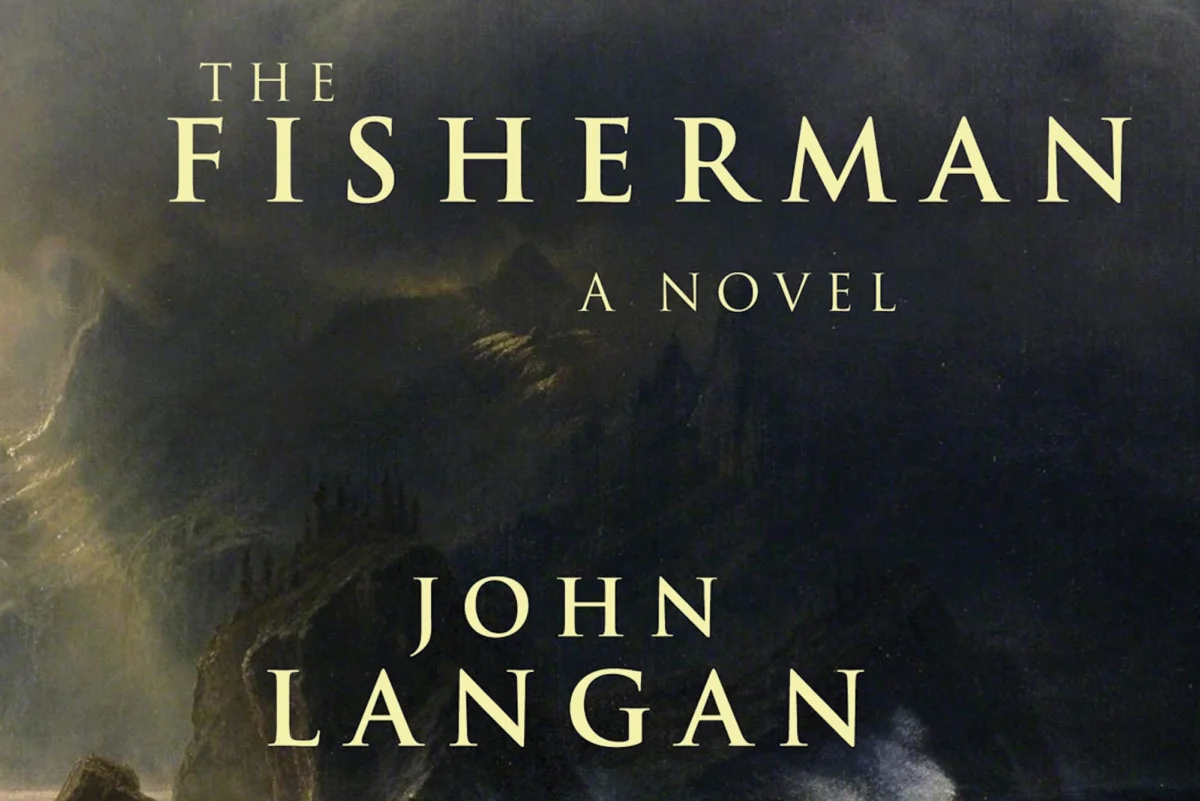
John Langan’s The Fisherman, published in 2016, rapidly ascended to cult status within the horror community, culminating in its prestigious Bram Stoker Award win for Best Novel. The book is a sprawling, multi-layered work that deftly weaves together a contemporary tale of loss and friendship with an ancient, cosmic horror mythology.
The novel’s compelling premise, as described by Goodreads, immediately hooks the reader: "In upstate New York, in the woods around Woodstock, Dutchman’s Creek flows out of the Ashokan Reservoir. Steep-banked, fast-moving, it offers the promise of fine fishing, and of something more, a possibility too fantastic to be true. When Abe and Dan, two widowers who have found solace in each other’s company and a shared passion for fishing, hear rumors of the Creek, and what might be found there, the remedy to both their losses, they dismiss it as just another fish story. Soon, though, the men find themselves drawn into a tale as deep and old as the Reservoir. It’s a tale of dark pacts, of long-buried secrets, and of a mysterious figure known as Der Fisher: the Fisherman. It will bring Abe and Dan face to face with all that they have lost, and with the price they must pay to regain it."
Langan’s prose is celebrated for its elegance, its psychological acuity, and its ability to build dread through meticulously crafted detail and a slow, inexorable descent into the truly bizarre. The Fisherman is not just a monster story; it’s a profound meditation on grief, memory, the irresistible pull of the past, and the terrifying indifference of the cosmos. Its narrative structure, which includes a lengthy and intricate story-within-a-story that delves into the origins of "Der Fisher," presents a significant creative challenge for adaptation, one that a director of Lowery’s ambition seems uniquely qualified to tackle.
The Powerhouse Production Team
The involvement of Platinum Dunes, the production company co-founded by Michael Bay, Brad Fuller, and Alex Ginno, adds another intriguing dimension to the project. Platinum Dunes has a long and often commercially successful history in the horror genre, primarily known for its remakes of iconic franchises such as The Texas Chainsaw Massacre, Friday the 13th, and A Nightmare on Elm Street. Their presence suggests a commitment to bringing The Fisherman to a broad audience, potentially balancing Lowery’s more art-house inclinations with a mainstream appeal.
Further bolstering the production team is writer Gary Dauberman, a prominent figure in contemporary horror screenwriting. Dauberman’s credits include scripting the highly successful It films (Chapter One and Two) and spearheading the Annabelle series within James Wan’s Conjuring Universe, directing Annabelle Comes Home. His proven track record in crafting effective and commercially viable horror narratives positions him as a key asset in translating Langan’s complex novel into a compelling screenplay that resonates with genre fans. Mia Maniscalco from Coin Operated also joins the production, rounding out a team that brings a diverse array of experiences and perspectives to the table.
Chronology: From Page to Pre-Production
The journey of The Fisherman from a critically acclaimed novel to a highly anticipated film adaptation is a testament to the enduring power of profound storytelling and the shifting landscape of modern horror cinema.
The Novel’s Genesis and Critical Acclaim
John Langan, an English professor and celebrated author, published The Fisherman in 2016 through Word Horde, an independent publisher known for its commitment to speculative fiction. The novel quickly garnered significant attention, not just for its masterful prose and intricate narrative, but for its courageous exploration of grief through the lens of cosmic horror. Langan eschewed jump scares and gratuitous gore in favor of psychological terror and existential dread, establishing himself as a vital voice in the tradition of authors like H.P. Lovecraft, Thomas Ligotti, and Laird Barron, while forging his own distinct style.
The book’s triumph at the 2016 Bram Stoker Awards for Best Novel solidified its place in modern horror canon, besting works by more commercially established authors. This award, presented by the Horror Writers Association, recognizes "superior achievement" in horror writing, highlighting The Fisherman‘s literary merit and its significant impact on the genre. Its success signaled a growing appetite for sophisticated, character-driven horror that prioritizes atmosphere and thematic depth over shock value.
Lowery’s Established Trajectory and Diverse Filmography
David Lowery’s path to adapting The Fisherman has been marked by a fascinating evolution. He emerged from the independent film scene with critically lauded works like St. Nick (2009) and Ain’t Them Bodies Saints (2013), which showcased his talent for crafting intimate, melancholic character studies. His leap to mainstream filmmaking with Disney’s Pete’s Dragon (2016) demonstrated his ability to handle large-scale productions while still imbuing them with his signature emotional nuance and visual poetry.
However, it was A Ghost Story (2017) that truly cemented Lowery’s unique authorial voice, a minimalist yet profound meditation on grief, time, and legacy, featuring a sheet-clad ghost. This was followed by the Robert Redford-led caper The Old Man & the Gun (2018), further proving his versatility. The Green Knight (2021) represented a culmination of his artistic ambitions, a visually opulent and thematically complex reimagining of Arthurian legend that explored themes of honor, mortality, and the search for meaning in a mysterious world. His upcoming film, Mother Mary, is described as an "epic pop melodrama," underscoring his continuous pursuit of diverse and challenging narratives. Lowery’s consistent interest in the supernatural, the existential, and the emotionally resonant makes his connection to The Fisherman feel almost inevitable.
Platinum Dunes and Dauberman’s History in Horror
Platinum Dunes has been a dominant force in mainstream horror production for over two decades. Their strategy, initially focused on remaking classic horror properties for a new generation, proved immensely successful, revitalizing dormant franchises and introducing them to a broader audience. While their films have often been criticized for prioritizing spectacle and jump scares over narrative depth, they undeniably possess a keen understanding of what resonates with a wide horror viewership.
Gary Dauberman, on the other hand, has played a pivotal role in shaping the modern horror landscape through his writing. His screenplays for the Annabelle series have helped build a significant cinematic universe, while his adaptations of Stephen King’s It were both critical and commercial successes, proving his capability in translating beloved literary horror to the big screen. Dauberman’s involvement in The Fisherman suggests a strategic move to blend Lowery’s artistic vision with a strong narrative framework capable of appealing to a mainstream audience familiar with Dauberman’s brand of horror.
The Announcement: The Hollywood Reporter Breaks the News
The news of Lowery’s attachment to The Fisherman adaptation was exclusively broken by The Hollywood Reporter, a leading industry publication. This signifies the project’s high profile within Hollywood, indicating that it is a significant undertaking with substantial industry backing. While the project is still in its nascent stages—with no casting details or release windows announced—the early public disclosure by a major trade publication underscores the excitement and confidence surrounding this particular creative pairing. For fans of Lowery, Langan, and sophisticated horror, the announcement marks the beginning of what promises to be a captivating journey.
Supporting Data: The Allure of Cosmic Horror and Lowery’s Unique Style
The decision to adapt The Fisherman with David Lowery at the helm is a calculated move that capitalizes on several prevailing trends in contemporary cinema and leverages Lowery’s distinct artistic strengths.
The Resurgence of Literary Horror Adaptations
The past decade has witnessed a significant resurgence in the cinematic adaptation of literary horror, particularly works that prioritize psychological depth, atmosphere, and thematic complexity over conventional scares. Production companies like A24 have championed "elevated horror" films (Hereditary, Midsommar, The Witch) that blur the lines between art-house drama and genre thrills. Similarly, successful adaptations of Stephen King novels (It, Doctor Sleep) and other contemporary horror literature (Bird Box, The Haunting of Hill House) have demonstrated a robust appetite among audiences for sophisticated genre storytelling.
The Fisherman fits perfectly within this landscape. Its literary pedigree, critical acclaim, and nuanced approach to horror make it an ideal candidate for a prestige adaptation. The market is ripe for horror that not only frightens but also provokes thought and delves into profound emotional and philosophical questions, aligning seamlessly with Langan’s narrative ambitions.
Lowery’s Thematic Resonance with "The Fisherman"
Lowery’s suitability for The Fisherman extends beyond his general directorial prowess; his filmography demonstrates a deep thematic resonance with the novel’s core concerns.
- Exploration of Grief and Loss: At its heart, The Fisherman is a story born from profound grief. Abe and Dan are widowers seeking solace, and their journey into the unknown is driven by a desperate longing to mend their shattered lives. Lowery has repeatedly explored these very themes. A Ghost Story is a raw, elegiac portrayal of enduring love and loss, examining how grief can tether us to places and people. The Green Knight also touches upon the fleeting nature of life and the weight of mortality. Lowery’s sensitive handling of these complex emotions suggests he will treat Langan’s characters and their suffering with the necessary gravitas.
- The Supernatural and Ambiguous Reality: Lowery has a masterful touch with the supernatural, not as a source of cheap thrills, but as a lens through which to explore deeper truths. His ghosts are often benign, melancholic figures, or terrifying forces that embody existential dread rather than simple scares. The Fisherman‘s cosmic horrors are vast, indifferent, and sanity-shattering – a kind of supernatural entity that aligns with Lowery’s preference for the subtly unsettling over the overtly monstrous. His films often play with perception and reality, a crucial element in Langan’s narrative, where the boundaries of the known world begin to fray.
- Visual Storytelling and Atmospheric Depth: Lowery is a visual poet. His films are often characterized by breathtaking cinematography, deliberate pacing, and an immersive atmosphere. The Green Knight, in particular, showcased his ability to build a world steeped in ancient folklore and palpable dread. This skill set is invaluable for The Fisherman, which requires a director capable of rendering the terrifying majesty of Dutchman’s Creek, the eerie beauty of the Ashokan Reservoir, and the unsettling strangeness of "Der Fisher" with both grandeur and psychological impact. The novel’s lengthy, recounted history of the Fisherman demands a visually inventive approach to maintain engagement and build its unique mythology on screen.
Platinum Dunes’ Track Record in Genre Filmmaking (and Potential Shift in Tone)
Platinum Dunes’ involvement, while initially surprising given Lowery’s more art-house leanings, is a strategic move. Their extensive experience in producing commercially successful horror films means they understand the mechanics of genre filmmaking, from budgeting and marketing to reaching a broad audience. While their previous remakes often favored visceral horror, this collaboration could signal a pivot towards "elevated horror" that still retains commercial viability.
Their backing provides the financial and logistical muscle necessary for a project of The Fisherman‘s ambition. The challenge, and opportunity, lies in how Platinum Dunes will balance Lowery’s artistic freedom with their commercial imperatives, potentially creating a film that appeals to both discerning critics and mainstream horror fans.
Gary Dauberman’s Influence: A Bridge to Mainstream Horror Audiences
Gary Dauberman’s presence is crucial in bridging the gap between Lowery’s art-house sensibility and Platinum Dunes’ commercial background. Dauberman has proven his ability to adapt complex, lengthy horror novels (It) into successful screenplays that capture the essence of the source material while structuring them for cinematic impact. His work in the Conjuring Universe demonstrates his knack for crafting engaging supernatural narratives with clear stakes and effective scares.
His expertise will likely be invaluable in navigating The Fisherman‘s intricate narrative structure, particularly its extensive flashback sequences and philosophical digressions, translating them into a cohesive and compelling screenplay. Dauberman’s involvement suggests that while Lowery will guide the film’s artistic vision, the script will be grounded in solid horror storytelling principles designed to resonate with a wide audience.
Official Responses: Voices Behind the Vision
While no official statements from David Lowery, John Langan, or the Platinum Dunes team regarding the adaptation have been released concurrently with The Hollywood Reporter‘s announcement, we can infer their perspectives based on their respective careers and the nature of this collaboration.
Lowery’s Known Affinity for Challenging Material
David Lowery’s filmography speaks volumes about his artistic inclinations. He consistently gravitates towards projects that offer profound thematic depth and stylistic challenges. His decision to adapt The Fisherman is not merely an opportunistic move but likely stems from a genuine connection to Langan’s work and its exploration of grief, the supernatural, and existential dread – themes that are recurring in Lowery’s own films. One can anticipate that Lowery sees in The Fisherman an opportunity to craft a deeply personal and visually stunning horror film that transcends traditional genre boundaries, much like he did with A Ghost Story and The Green Knight. His past interviews often highlight his interest in stories that linger, that resonate emotionally, and that prompt introspection, all hallmarks of Langan’s novel.
Platinum Dunes’ Strategic Move into Prestige Horror
For Michael Bay and the Platinum Dunes team, this project signals a potentially exciting evolution beyond their established reputation for horror remakes. While their commercial success in the genre is undeniable, partnering with a director of Lowery’s caliber for an adaptation of an award-winning literary work suggests a strategic intent to venture into more "prestige" horror territory. This move could broaden their artistic credibility while still leveraging their genre expertise and commercial distribution networks. It implies a recognition of the growing market for sophisticated horror films and a desire to be at the forefront of this trend. Their backing of Lowery indicates a trust in his vision, hoping to produce a film that is both critically acclaimed and commercially viable.
Langan’s Perspective
For John Langan himself, the news must be a significant validation of his work. While authors often express a mix of excitement and apprehension when their novels are adapted, the involvement of a director with Lowery’s sensitivity and artistic integrity is likely a source of immense satisfaction. Langan’s writing is known for its intricate detail and psychological depth, and a director who respects these elements is paramount for a faithful and effective adaptation. The Bram Stoker Award win already cemented The Fisherman‘s literary standing, and a film adaptation by a director of Lowery’s stature will undoubtedly introduce his work to an even wider global audience, solidifying his position as a master of contemporary horror literature.
Implications: What This Adaptation Means for the Genre and Beyond
The announcement of David Lowery directing The Fisherman carries significant implications for the horror genre, Lowery’s career trajectory, and the broader cinematic landscape.
Elevating Cosmic Horror to a Broader Audience
Cosmic horror, with its emphasis on existential dread, incomprehensible entities, and the insignificance of humanity in the face of vast, uncaring forces, has historically been a niche subgenre. While H.P. Lovecraft’s influence is pervasive, direct adaptations of such complex narratives often struggle to capture their unique terror on screen. Lowery’s involvement, coupled with Langan’s literary prowess, has the potential to elevate cosmic horror to a broader mainstream audience without sacrificing its intellectual and psychological depth. By grounding the cosmic elements in a poignant human story of grief and connection, the film could make these terrifying concepts more accessible and emotionally resonant for viewers unfamiliar with the genre’s literary roots.
Lowery’s Continued Artistic Evolution
This project marks another bold step in David Lowery’s already diverse career. It solidifies his reputation as a director unafraid to tackle challenging material across various genres while maintaining a distinct authorial voice. Adapting The Fisherman allows him to further explore themes of grief, memory, and the supernatural, pushing the boundaries of what a horror film can be. It positions him not just as a genre director, but as a filmmaker who uses genre conventions to delve into profound human experiences. The success of this adaptation could further cement his status as a visionary director capable of creating films that are both artistically significant and commercially appealing.
The Potential for a New Franchise or Standalone Masterpiece
While The Fisherman is a standalone novel, its rich mythology and the potential for a compelling cinematic universe could open doors for further exploration. However, given Lowery’s artistic focus, it is more likely that this adaptation will be approached as a singular, meticulously crafted masterpiece rather than the genesis of a franchise. The novel’s complex structure and thematic density lend themselves to a definitive cinematic statement, aiming for critical acclaim and a lasting impact rather than serial installments. Should it achieve this, it would stand as a benchmark for literary horror adaptations.
The Creative Tensions and Synergies of the Production Team
The collaboration between David Lowery’s art-house sensibility and Platinum Dunes’ commercial background, further nuanced by Gary Dauberman’s genre expertise, presents a fascinating dynamic. There’s potential for creative tension, but more likely, a powerful synergy. Lowery’s visual poetry and thematic depth, combined with Platinum Dunes’ production muscle and Dauberman’s knack for compelling screenwriting, could result in a film that is both intellectually stimulating and viscerally thrilling. This blend could produce a horror film that satisfies both discerning critics and a wide mainstream audience, a rare feat in contemporary cinema. The challenge will be to maintain Lowery’s signature style while ensuring the film’s commercial viability.
A Call to the Source: Re-engaging with Langan’s Work
Finally, the announcement serves as a powerful call to action for both existing fans and newcomers: "In the meantime, pick up the book for a (re)read!" Film adaptations often drive renewed interest in their source material, and Lowery’s take on The Fisherman is sure to send many readers to John Langan’s novel. This will not only celebrate Langan’s original vision but also allow audiences to fully appreciate the intricate layers of storytelling that Lowery and his team are now tasked with bringing to life on screen. As the project progresses through its early stages, the anticipation will only build for what promises to be a landmark event in contemporary horror cinema.