The Vanguard of Visual Development: Concept Art World Chronicles the Evolution of Digital Mastery
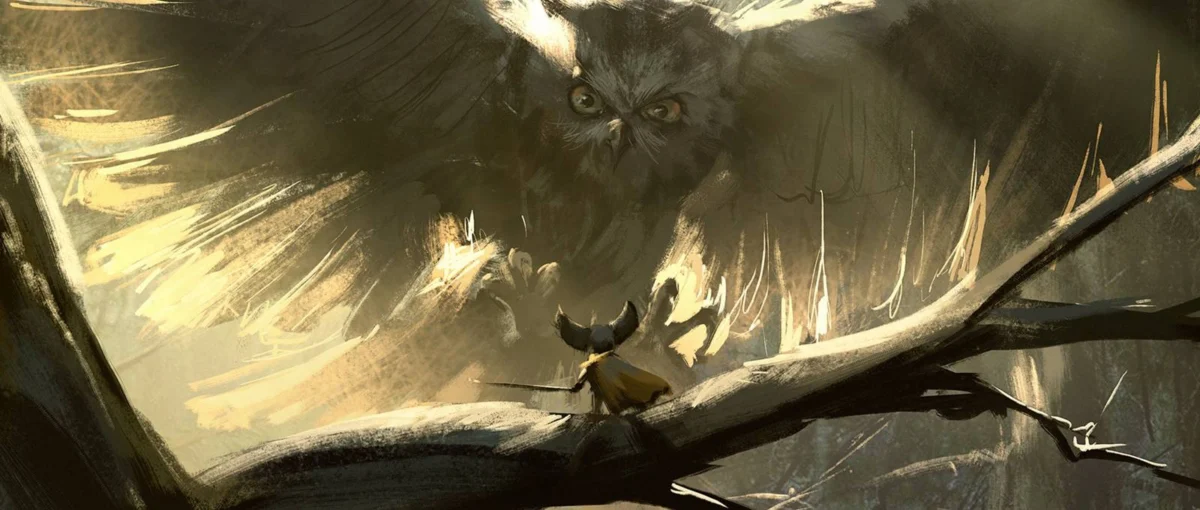
In the rapidly shifting landscape of the global entertainment industry, the bridge between a screenwriter’s initial vision and the final frame of a blockbuster film or the immersive environment of a triple-A video game is built by concept artists. Concept Art World (CAW), a premier digital repository and industry watchdog, continues to serve as the definitive platform for showcasing this indispensable craft. Recently, the platform has highlighted a diverse array of talent—ranging from the architectural grandeur of Max Bedulenko to the visceral, dark fantasies of Michael Franchina—while simultaneously taking a firm stand on the industry’s most pressing technological conflict: the unauthorized use of creative intellectual property in artificial intelligence training.
Main Facts: The Pillars of Modern Visual Storytelling
Concept Art World’s latest updates underscore the multifaceted nature of visual development. By spotlighting artists like Tyler James, Max Bedulenko, and Michael Franchina, the platform highlights three distinct pillars of the industry: character-driven narrative, environmental world-building, and stylistic atmospheric horror.
The Featured Artists
- Tyler James: Recognized for his dynamic character designs and ability to infuse personality into digital portraits, James represents the "human" element of concept art—creating relatable or formidable figures that anchor a story’s emotional weight.
- Max Bedulenko: A master of environments, Bedulenko’s work often blends historical architecture with futuristic or fantastical elements. His ability to render scale and light makes him a favorite for studios looking to build believable, lived-in worlds.
- Michael Franchina: Known for his hauntingly detailed and often macabre designs, Franchina has become a pivotal figure in the "grimdark" aesthetic. His work on projects like Trench Crusade has redefined how horror and religion can be visually synthesized in gaming.
The Legacy Feature: Transformers: Revenge of the Fallen (2009)
In addition to contemporary artist spotlights, CAW has revisited the concept art for the Transformers: Revenge of the Fallen video game. This retrospective look at the 2009 title provides a rare glimpse into the "hard-surface" design challenges of the late 2000s, where artists had to translate Michael Bay’s complex, "Bayhem" visual style into functional, interactive game assets.
The Anti-AI Directive
Perhaps the most significant "fact" emerging from CAW’s current mission is its explicit prohibition of AI training. As noted in their official documentation: "Any training of AI systems using this content is strictly prohibited." This move aligns CAW with a growing global movement of artists and galleries seeking to protect human-made intellectual property from being ingested by Large Language Models (LLMs) without compensation or consent.
Chronology: From Traditional Foundations to the Digital Frontier
The evolution of concept art as tracked by platforms like CAW follows a distinct timeline of technological and cultural shifts.
1990s–Early 2000s: The Digital Transition
During this era, concept art moved from physical sketchbooks and acrylic paintings to Photoshop and Corel Painter. The industry was defined by the "Star Wars Prequel" aesthetic—highly detailed, expansive, and increasingly reliant on digital compositing.
2009: The Transformers Era
The release of the Transformers: Revenge of the Fallen video game marked a peak in the demand for complex mechanical design. Artists were tasked with creating "transformable" geometry that looked realistic under the scrutiny of high-definition (for the time) gaming consoles. This period solidified the role of the concept artist as not just an illustrator, but a technical designer.
2015–2022: The Golden Age of Online Galleries
Platforms like Concept Art World and ArtStation became the digital "Louvre" for the entertainment industry. This period saw the rise of the "super-star" concept artist, where individuals like Michael Franchina could build massive independent followings through social media, eventually leading to successful independent IPs and crowdfunding ventures.
2023–Present: The AI Resistance and Ethics Shift
The current era is defined by the tension between human creativity and generative AI. Concept Art World’s recent updates reflect a pivot from mere curation to active protection. The inclusion of anti-AI clauses in their footers and headers marks a new chronological chapter where the preservation of human authorship is as important as the art itself.
Supporting Data: The Economic and Creative Weight of Concept Art
The importance of the artists featured on CAW is backed by the staggering growth of the industries they serve.
- The Gaming Market: As of 2024, the global video game market is valued at approximately $282 billion. Concept art is the foundational stage of this entire economy; without the work of designers like Bedulenko or James, the "look and feel" that drives pre-orders and engagement would not exist.
- The "Transformers" Legacy: While the Revenge of the Fallen game was released over a decade ago, the Transformers franchise remains a multi-billion dollar entity. The concept art created for these games often serves as a "style guide" for future iterations in toy lines and animated series, demonstrating the long-term ROI of high-quality conceptual design.
- Artist Demographics: According to industry surveys, over 70% of professional concept artists now utilize a "hybrid" workflow involving 3D modeling (ZBrush/Blender) and 2D overpainting. However, despite these technological aids, the demand for "foundational skills"—the kind showcased in CAW’s artist spotlights—remains the primary metric for hiring at top-tier studios like Riot Games, Blizzard, and Disney.
Official Responses: Industry Perspectives on the CAW Model
While Concept Art World serves as a gallery, its influence draws reactions from across the creative spectrum.
From the Artist Community:
Artists featured on the platform, such as Michael Franchina, have often expressed the value of centralized hubs that treat concept art as "Fine Art" rather than just a production byproduct. The visibility provided by CAW is often cited as a catalyst for recruitment by art directors at major studios.
From the Legal and Ethical Front:
Legal experts specializing in intellectual property have noted that CAW’s explicit "No AI" stance is a critical step in establishing "opt-out" precedents. By clearly stating that their content is not for machine learning, CAW provides a framework that could be used in future copyright litigation regarding "fair use" versus "data scraping."
From the Studios:
While major studios (Activision, EA, Ubisoft) rarely comment on third-party galleries, their reliance on these platforms for talent discovery is an open secret. The showcase of Transformers concept art, for instance, serves as a digital archive for work that might otherwise be lost in the proprietary vaults of defunct developers like Luxoflux.
Implications: The Future of the Visual Development Industry
The curation choices and policy stances of Concept Art World suggest several looming shifts in the entertainment industry.
1. The Premium on "Human" Style
As AI-generated imagery becomes ubiquitous, the "uncanny valley" and the derivative nature of AI art are creating a counter-culture. The implication of CAW’s spotlights on Max Bedulenko and Tyler James is that intentionality—the specific, reasoned choices a human makes about lighting, costume, and anatomy—will become a luxury commodity. Studios will likely market their projects as "Artisan-Crafted" or "Human-Designed" to differentiate them from AI-assisted media.
2. The Rise of the "Auteur" Concept Artist
Artists like Michael Franchina are proving that a concept artist no longer needs a studio to be a powerhouse. Through platforms like CAW, artists can build their own worlds (e.g., Trench Crusade) and go directly to the consumer via tabletop games, art books, and miniatures. This democratizes the industry, moving power away from the "Big Six" studios and into the hands of individual creators.
3. The Digital Archive as a Cultural Necessity
The retrospective on Transformers: Revenge of the Fallen highlights the need for better preservation of digital ephemera. As games are delisted and studios close, the concept art hosted on CAW becomes the primary historical record of the creative process. We can expect to see more "digital museums" emerging to protect the legacy of early 21st-century digital art.
4. Legal Evolution of Copyright
The strict anti-AI stance taken by Concept Art World is a harbinger of a broader legal battle. If more platforms follow suit, it will force AI companies to either license content directly from artists or risk massive class-action lawsuits. CAW is not just a gallery; it is a fortress for human creativity in an age of algorithmic encroachment.
Conclusion
Concept Art World remains more than just a website; it is a vital ecosystem for the modern artist. By bridging the gap between the nostalgic mechanical designs of 2009’s Transformers and the cutting-edge, dark-fantasy visions of today’s top illustrators, CAW provides a comprehensive view of where the industry has been and where it is going. As the digital art world faces the existential challenge of generative AI, the platform’s commitment to human-centric artistry and intellectual property protection will likely define the standards for the next decade of visual storytelling. Through the lenses of Tyler James, Max Bedulenko, and Michael Franchina, we see a future that is diverse, technically profound, and—most importantly—unmistakably human.