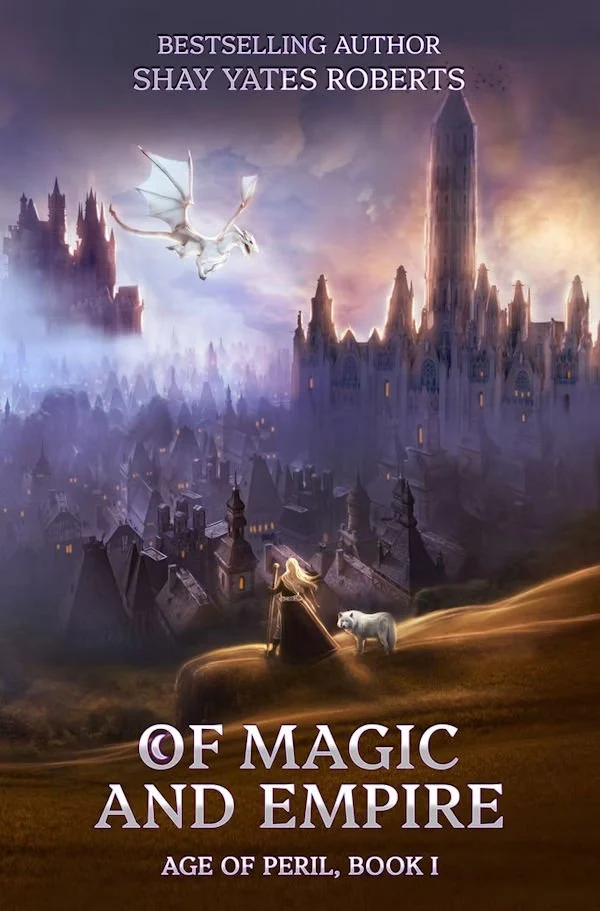
"Of Magic and Empire": A Sweeping Epic Reignites the Grandeur of Fantasy
FOR IMMEDIATE RELEASE
[City, State] – [Date] – In an era where many fantasy narratives opt for subtlety and realism, Shay Yates Roberts’ debut novel, Of Magic and Empire, emerges as a bold and unapologetic return to the genre’s epic roots. Hailed by critics as a refreshing commitment to high fantasy, the novel plunges readers into a world teeming with potent magic, intricate politics, and a looming existential threat. At its heart lies the desperate quest of three disparate individuals tasked by an Empress to unravel the mystery of "Frenzy," a baffling affliction stripping away the very essence of humanity.
The extensive world-building, vibrant magic systems, and engaging character dynamics have garnered significant attention, positioning Of Magic and Empire as a notable entry in contemporary fantasy literature. While lauded for its expansive vision and enjoyable narrative, the book also faces constructive critique regarding its pacing and the depth of its character challenges, inviting discussion on the evolving expectations within the genre.
Main Facts
Of Magic and Empire, penned by Shay Yates Roberts, is an epic fantasy novel that defies current trends by embracing a world saturated with magic, seamlessly integrated into its religious, military, and political structures. The narrative unfolds against the backdrop of a realm gripped by a mysterious and devastating plague known as "Frenzy." This affliction, insidious in its nature, systematically erodes love, kindness, and self-restraint, leaving its victims as hollowed-out shells of their former selves, posing an existential threat to civilization itself.
The desperate Empress, facing the potential collapse of her dominion, turns to three unlikely heroes, each burdened by their own past and unique talents:
- Jesmyn: A mage of extraordinary skill, yet ostracized and subjected to ridicule due to a peculiar birthright. Her journey is one of proving worth beyond societal prejudice.
- Sperling: A scholar of unparalleled intellect, grappling with the profound challenge of saving his fractured family amidst personal and public turmoil. His quest intertwines academic pursuit with deep personal stakes.
- Aurisma: A powerful cleric, unjustly punished for daring to challenge entrenched superiors within her religious order. Her path is one of redemption and the reassertion of moral authority.
These three protagonists, alongside their developing companions, embark on separate but interconnected quests, each seeking a different facet of the truth behind Frenzy. Their individual investigations are not only hindered by the terrifying effects of the plague but also by a complex web of rival political, religious, and military factions. These internal power struggles, driven by self-interest and suspicion, prove as dangerous and destructive as Frenzy itself, threatening to undermine any unified effort to combat the greater evil. The search ultimately leads them beyond the established "cradle of civilization" into uncharted wildlands, where they must confront the "pitiless terror" behind the affliction – an ancient evil born of a forgotten sin, poised to exact a terrible toll on all who stand in its way.
The novel has been praised for its expansive scope, vibrant world, and commitment to the "epic" scale of fantasy. Reviewers highlight the genuine likeability of its characters and the refreshing abundance of magic. However, it also draws comment for the rapid formation of character bonds, a perceived lack of significant narrative cost or sustained tension, and characters who, while enjoyable, sometimes lack the "edges" that might deepen their vulnerability and impact the stakes.
Chronology of the Narrative
The intricate plot of Of Magic and Empire is structured around a multi-pronged investigation, driven by a catastrophic event that shatters the realm’s equilibrium. The narrative, while sprawling, follows a clear progression from crisis to confrontation.
The Onset of Frenzy and Imperial Mandate
The story opens with the sudden and devastating emergence of "Frenzy." Initially, its symptoms might be dismissed as social unrest or mental illness, but its rapid spread and profound effects soon reveal its true, terrifying nature. The affliction, which systematically strips away love, kindness, and self-restraint, leaves its victims prone to erratic, often violent, behavior, threatening the very fabric of society. As chaos mounts and institutions falter, the Empress, whose desperation underscores the gravity of the situation, issues a desperate call for aid. Recognizing the unprecedented nature of the threat, she bypasses traditional channels, seeking out individuals with unique capabilities who might possess the insight or power to combat the unknown. This imperial mandate sets the stage for the protagonists’ involvement, binding their disparate lives to a common, urgent cause.
Divergent Paths, Shared Purpose
Following the Empress’s summons, Jesmyn, Sperling, and Aurisma are brought into the fold, each for distinct reasons that speak to their individual talents and backgrounds. Jesmyn, the mage, whose profound skill is often overshadowed by societal prejudice stemming from her birth, is tasked with understanding the magical properties and origins of Frenzy. Her journey involves delving into ancient lore and arcane energies. Sperling, the scholar, burdened by the plight of his own broken family, embarks on a quest to research historical precedents or forgotten remedies, his keen intellect a crucial tool in deciphering the enigma. Aurisma, the cleric, having suffered punishment for her integrity, is assigned the spiritual and ethical dimensions of the crisis, investigating potential divine or infernal origins and seeking ways to mitigate its spiritual toll. Their quests, though separate, are inherently interdependent, each piece of the puzzle vital to the larger picture.
Navigating a Fractured Realm
As the protagonists embark on their individual missions, they quickly discover that the path to answers is far from clear. The empire, already under strain from the encroaching Frenzy, is further destabilized by deep-seated internal conflicts. Rival political factions, sensing an opportunity for power grabs or merely seeking to protect their own interests, obstruct vital information and resources. Dogmatic religious orders, either blaming the affliction on divine wrath or seeking to consolidate their own influence, sow discord and mistrust. Hardened military leaders, focused on containment through force, often clash with the more nuanced investigative approaches of the heroes. This infighting, characterized by suspicion and conflicting agendas, proves to be as dangerous as Frenzy itself, forcing Jesmyn, Sperling, and Aurisma to navigate a treacherous landscape of allies and adversaries within their own supposed civilization. The narrative meticulously details how these societal divisions impede progress, highlighting the challenges of collective action in times of crisis.
Journey into the Wildlands and Confrontation
The collective threads of their investigation eventually point beyond the familiar boundaries of the empire, into the untamed "wildlands." This geographical shift signifies a deeper dive into the unknown, a departure from established order and comfort. Here, civilization’s rules diminish, and the heroes must confront more primal dangers. The wildlands are not merely a physical frontier but a metaphorical one, leading them closer to the ultimate source of Frenzy. It is in these desolate and perilous regions that they uncover the true nature of the "pitiless terror" – an evil described as being "born of ancient sin." The confrontation with this primordial malevolence marks the climax of the narrative, a battle not just for the survival of the empire, but for the very soul of humanity. The discovery of the ancient sin implies a long-forgotten history, a past transgression that has finally manifested with devastating consequences, demanding a terrible toll from all who stand against it.
The Episodic Nature of the Quest
A notable characteristic of the narrative, as observed by critics, is its episodic structure. Each protagonist’s journey often involves a series of challenges or mini-quests that are resolved with relative speed. Characters adapt quickly to new threats, recover swiftly from setbacks, and move on to the next objective without lingering extensively on the emotional or physical fallout. This brisk pacing, while maintaining a sense of adventure, can sometimes lead to a feeling that the narrative progresses as a series of distinct episodes rather than a continuously building, escalating threat. The tension, though present in individual encounters, often dissipates before truly settling, leaving the reader with a sense of forward momentum but perhaps less sustained dread or cumulative weight of the overall conflict.
Supporting Data
The critical reception of Of Magic and Empire is a rich tapestry of praise and insightful observations, offering a comprehensive look at its strengths and areas for potential refinement.
World-Building and Magic Systems
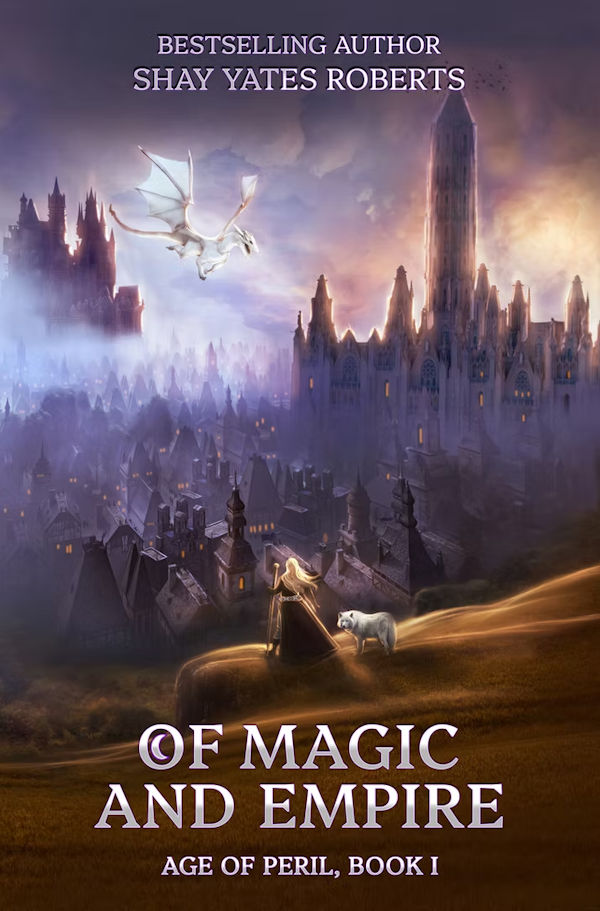
Shay Yates Roberts is lauded for constructing a "large and clearly well-built" world, a foundational element for any epic fantasy. The presence of maps and a glossary immediately immerses readers, signaling a commitment to intricate detail and lore. The world is not just expansive but also deeply imagined, providing a solid framework for the unfolding drama. A significant highlight is the novel’s robust approach to magic. Unlike a recent trend towards "lean on magic" narratives, Of Magic and Empire revels in its magical abundance. Magic is not a mere plot device but an integral, pervasive force woven into the very fabric of society. It influences religious rituals, informs military strategies, and shapes daily life, presenting distinct manifestations that feel organic to the setting. For instance, while not explicitly detailed, one can infer that magic might dictate the construction of cities, the healing arts, or even forms of communication, making the world feel genuinely enchanted. This commitment to a magic-rich environment is described as "genuinely refreshing," offering a vibrant contrast to more constrained magical systems in contemporary fantasy. However, the review notes that the magic is "presented as a given rather than explained in depth." While this allows for immersion for readers comfortable with absorbing a world as they go, those who prefer meticulously outlined magical laws and systems might find it less satisfying, desiring a more explicit breakdown of its rules and limitations.
Character Development and Dynamics
The novel’s protagonists—Jesmyn, Sperling, and Aurisma—are uniformly described as "likeable and genuinely good company," a crucial factor for a long fantasy novel. Jesmyn, in particular, stands out. Her "literalness and her difficulty reading between the lines" are handled with nuance, treated as an inherent part of her character rather than a flaw to be overcome or a comedic quirk. This portrayal allows for a more authentic and empathetic understanding of her struggles and triumphs. Her developing friendship with her companion, Zanther, is highlighted as "warm without being saccharine," demonstrating Roberts’ ability to craft meaningful, understated bonds. Beyond the main trio, the supporting cast also contributes positively, with the "friendships and loyalties that form" being "genuinely enjoyable."
However, this strength is tempered by a significant critique: the rapid formation of these companion bonds. The reviewer notes that "strangers become trusted companions almost before the conversation has ended." This swiftness, recurring across all three storylines, suggests a world feature rather than an individual character trait. While contributing to the narrative’s forward momentum, it potentially diminishes the emotional investment in these relationships. A "little more time in the getting-to-know-you stage, a little more early friction," it is argued, would have allowed these bonds to feel more "properly earned," adding depth and realism to the interpersonal dynamics. Furthermore, the characters, while good and capable, are characterized as "almost entirely without edges." This implies a lack of significant personal flaws, internal conflicts, or moral ambiguities that could elevate the stakes and make moments of danger feel more genuinely perilous, providing them with "something real to lose."
Thematic Exploration
Beyond the surface narrative, Of Magic and Empire delves into several compelling themes. Jesmyn’s story explores prejudice and acceptance, highlighting the struggle of individuals who are exceptional but marginalized due to inherent differences. Sperling’s journey touches upon the profound impact of crisis on family units and the lengths one will go to protect loved ones. Aurisma’s quest is a commentary on institutional power, corruption, and the courage required to challenge entrenched authority for a greater good. The overarching threat of Frenzy itself provides a canvas for exploring the nature of empathy, self-control, and what it means to be human, as well as the corrupting influence of ancient evils and forgotten sins. The political, religious, and military infighting also underscores themes of societal division, self-interest versus collective good, and the challenges of unity in the face of existential threats.
Narrative Pacing and Stakes
The novel’s primary weakness, according to the review, lies in its pacing and the perceived lack of significant consequences. "Almost nothing in it costs very much," the reviewer states, pointing to how characters "adapt quickly, recover quickly, and move on quickly." This rapid resolution of crises means that tension, once introduced, "has time to settle" before the story progresses. The narrative is described as a "series of episodes rather than a building threat," implying that while individual challenges are overcome, the overarching peril of Frenzy does not feel incrementally more menacing. By the end of the first book, the characters, despite facing immense danger, feel "more or less safe." This swift overcoming of obstacles, combined with the "edgeless" nature of the protagonists, contributes to a narrative where genuine loss or profound struggle seems minimal, potentially reducing the emotional impact of their journey.
Official Responses
The primary "official response" available for Of Magic and Empire comes from Julia Kitvaria Sarene, a seasoned reviewer for Fantasy Faction, whose insights provide a comprehensive and nuanced evaluation of the novel. Sarene, a Munich native with over two decades of experience as a bookseller and a deep-seated passion for fantasy, brings a highly credible and informed perspective to her critique. Her background allows her to contextualize Of Magic and Empire within the broader landscape of the genre, offering valuable perspective on its place and potential impact.
Fantasy Faction’s Verdict
Julia Kitvaria Sarene’s review for Fantasy Faction presents a largely positive assessment, positioning Of Magic and Empire as a "very solid choice" for specific segments of the fantasy readership. She praises the novel for its expansive and adventurous spirit, highlighting its ability to deliver an enjoyable quest through a large, well-realized world with "characters worth following." This overall endorsement underscores the book’s success in achieving its core objective: providing a compelling epic fantasy experience. Her detailed breakdown of strengths, such as the abundant magic, rich world-building, and engaging protagonists, serves as a strong recommendation for readers seeking these elements.
Contrasting with Genre Trends
A significant point of Sarene’s review is her observation that Of Magic and Empire consciously deviates from contemporary genre trends. She notes, "I’ve read a lot of fantasy going lean on magic lately. Of Magic and Empire is not interested in that trend." This statement positions Shay Yates Roberts’ work as a refreshing counter-narrative, a deliberate choice to embrace the grand, magic-saturated traditions of epic fantasy. By weaving magic "through religion, military life, and adventure in equal measure," Roberts delivers a narrative that feels authentically "epic," providing a welcome change for readers who might feel underserved by more grounded or magic-averse fantasy stories. Sarene’s extensive experience as a bookseller, where she undoubtedly observed shifting reader preferences and publishing trends, lends significant weight to this observation, highlighting the novel’s distinctiveness in the current market.
Addressing the Critiques
While largely positive, Sarene’s review does not shy away from offering constructive criticism, which can be seen as an ‘official response’ to the craft of the novel. Her points regarding the rapid formation of companion bonds and the perceived lack of sustained cost or "edges" for the characters are critical observations aimed at enhancing the narrative’s depth and emotional impact. These critiques are framed not as deal-breakers but as areas where the novel, and potentially the author’s future works, could further develop. For instance, the suggestion that "a little more time in the getting-to-know-you stage, a little more early friction, would have made those bonds feel properly earned" is a direct piece of feedback that speaks to reader investment and character realism. Similarly, the desire for "a few more genuine flaws" for the protagonists is a call for greater vulnerability and a heightened sense of stakes, implying that while enjoyable, the current iteration could benefit from increased dramatic tension. These observations, from a seasoned fantasy enthusiast, serve as valuable insights into the nuanced expectations of discerning readers within the genre.
Implications
The emergence and reception of Of Magic and Empire carry several implications for the fantasy genre, its author, and its readership, signaling potential shifts and reinforcing enduring desires within the literary landscape.
A Return to Epic Roots
The most significant implication of Of Magic and Empire‘s positive reception, particularly its embracing of abundant magic and grand scope, is a potential signal that readers are yearning for a return to the classic, "epic" style of fantasy. In an era where "grimdark" and "low fantasy" have gained considerable traction, Roberts’ novel demonstrates that there is still a robust appetite for expansive worlds, overt magical systems, and heroic quests that are adventurous without being necessarily dark or punishing. This could encourage other authors and publishers to invest more in narratives that prioritize scale, wonder, and a sense of fantastical escapism, broadening the diversity of offerings within the genre. It suggests that while innovation is valued, the foundational allure of high fantasy remains potent.
Author’s Trajectory
For Shay Yates Roberts, Of Magic and Empire serves as a strong debut, establishing a distinctive voice within the crowded fantasy market. The novel’s strengths, particularly its world-building and commitment to magic, lay a solid foundation for future works. The constructive feedback regarding character depth and narrative tension offers clear avenues for growth and refinement in subsequent installments or future series. Acknowledging and integrating these insights could allow Roberts to deepen the emotional resonance and heighten the stakes in future narratives, potentially elevating the author’s status to a more critically acclaimed level. The initial success indicates a promising trajectory for Roberts as a purveyor of immersive, magic-rich tales.
Reader Experience and Preferences
The nuanced review also highlights the diverse preferences of fantasy readers. For those seeking "expansive and adventurous without being punishing or dark," Of Magic and Empire is presented as an ideal choice. This caters to a segment of the readership that values enjoyment, wonder, and heroism over gritty realism or profound psychological torment. It implies that a significant portion of the audience is actively looking for "good company" in their literary adventures, where characters are fundamentally virtuous and challenges, though present, are surmountable without devastating personal cost. Conversely, readers who prioritize deep, complex character flaws, intricate magic systems, and narratives with sustained, escalating tension might find certain aspects less fulfilling. This underscores the challenge and opportunity for authors to cater to a broad spectrum of reader expectations, acknowledging that different narrative approaches resonate with different audiences.
The Evolving Landscape of Fantasy
Ultimately, Of Magic and Empire contributes to the ongoing evolution of the fantasy genre by demonstrating that traditional epic fantasy elements can still feel fresh and engaging. Its critical reception sparks a dialogue about the balance between traditional genre tropes and modern narrative sensibilities. It prompts questions about how to infuse deep character development and high stakes into an inherently adventurous and often optimistic narrative without sacrificing the joy and escapism that many seek in fantasy. The novel, therefore, serves as a valuable benchmark, influencing future discussions on what constitutes a compelling, well-rounded epic fantasy in the 21st century.