"The Vampire Lestat": A Symphony of Trauma, Manipulation, and Undying Ambiguity
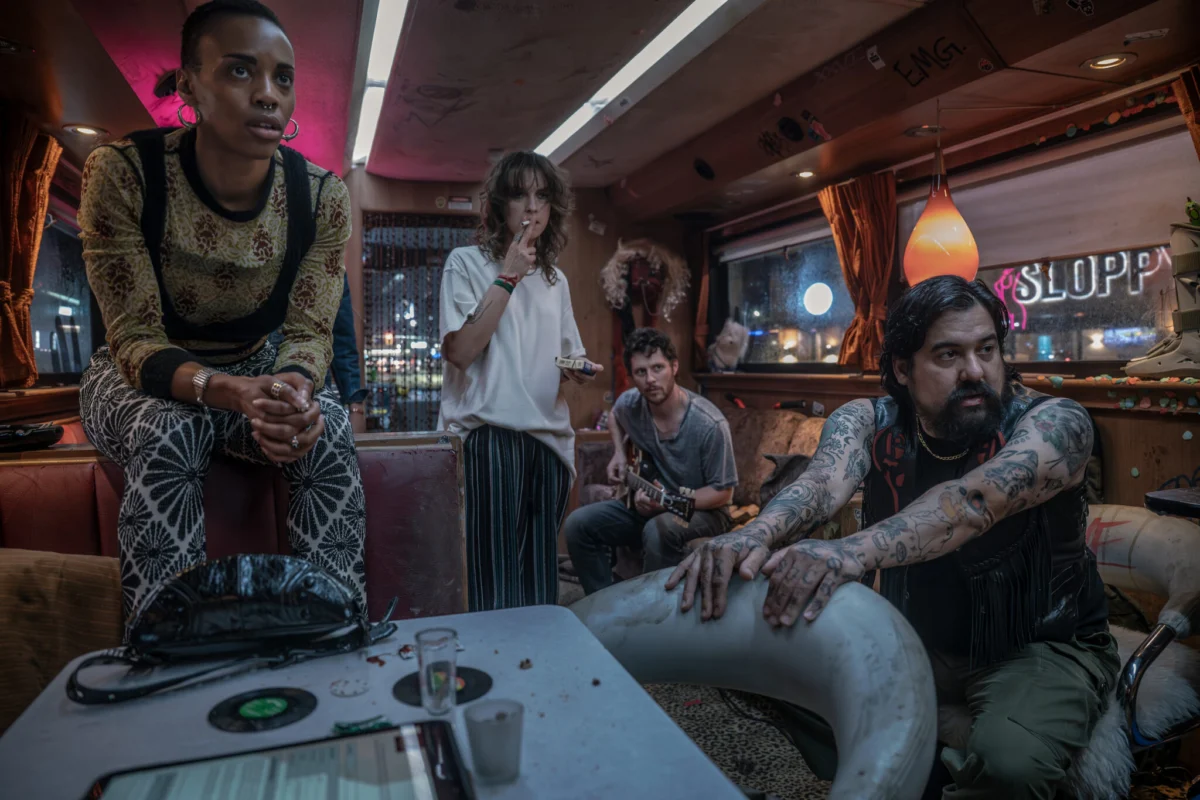
The latest installment of The Vampire Lestat delves deeper into the intricate psychological landscape of its immortal protagonists, presenting an episode rich with emotional volatility, strategic machinations, and profound questions of identity and narrative truth. As the flamboyant rock star Lestat de Lioncourt navigates a tumultuous concert tour, his personal unraveling intertwines with the complex relationships he shares with the enigmatic Gabriella, the calculating Armand, and the grief-stricken Louis. The series continues to masterfully blend gothic drama with contemporary flair, pushing its characters to their emotional limits while challenging viewers to discern reality from Lestat’s self-serving "omniscient history."
Main Facts
This episode serves as a critical juncture, revealing the profound impact of past traumas on the immortal psyche. At its core, the narrative is anchored by Lestat’s increasingly fragile mental state, exacerbated by the relentless presence and unsettling influence of Gabriella, his former lover and adoptive mother figure. His rock tour becomes a stage not just for musical performance but for his public and private dissolution, marked by incessant calls for his mother and an assassination attempt.
Concurrently, Armand, a figure of perpetual ambiguity, continues his perplexing "amends-making tour," exhibiting a duality of genuine remorse and calculated manipulation, particularly in his interactions with the band’s guitarist, Alex, and the journalist Daniel Molloy. Meanwhile, Louis de Pointe du Lac embarks on a poignant, albeit transactional, quest for connection, seeking solace in a surrogate relationship that echoes his past losses. The overarching theme is the enduring power of foundational trauma in shaping immortal lives, all framed through Lestat’s highly subjective and potentially unreliable narration.
Chronology of Key Events
The episode weaves together present-day chaos with illuminating flashbacks, painting a comprehensive picture of the vampires’ enduring struggles.
Lestat’s Rock Star Persona and Inner Turmoil
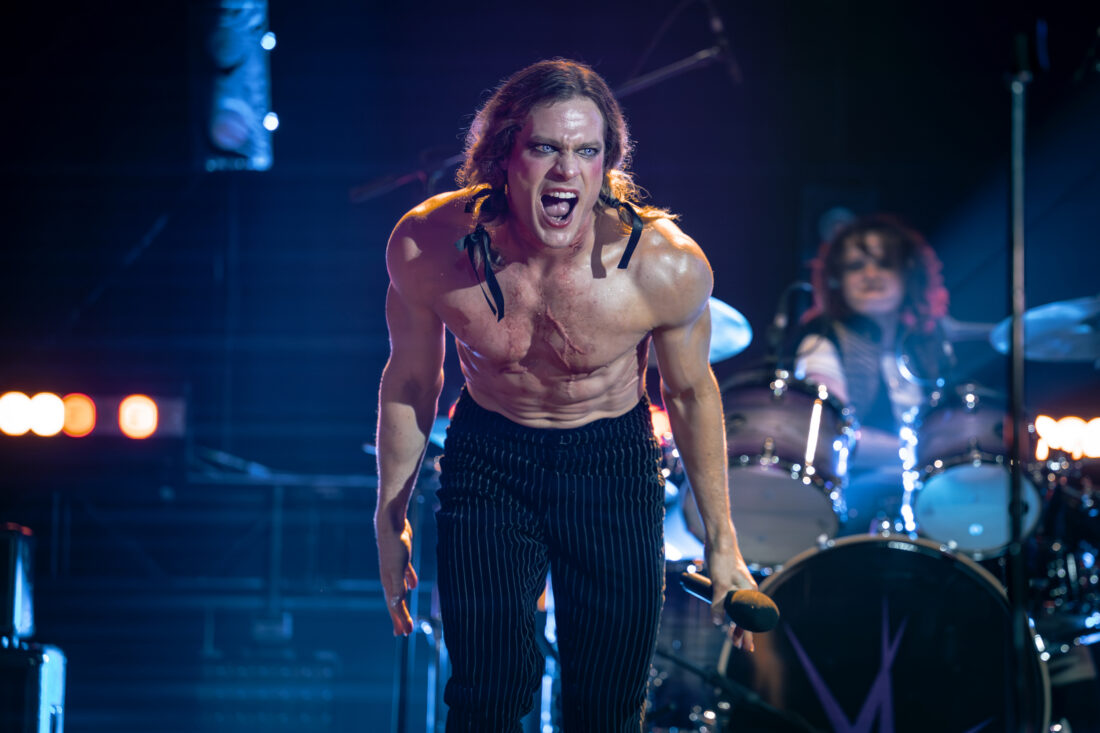
Lestat’s grand rock tour, a spectacle of vampiric excess and raw emotion, is revealed as a crucible for his internal torment. Despite the outward bravado and captivating stage presence, his private moments are marked by a disturbing vulnerability—specifically, his incessant and desperate calls for his mother. This juxtaposition of the larger-than-life rock god and the wounded child sets a poignant, unsettling tone. The narrative choice to begin Lestat’s elaborate recorded diary not with the tour’s commencement or the initial threats to his life, but with Gabriella’s arrival, underscores her pivotal, if destabilizing, role in his existence. Her entrance, preceded by a brief prelude detailing his recent struggles, marks a critical turning point in Lestat’s self-perception and his recounting of history.
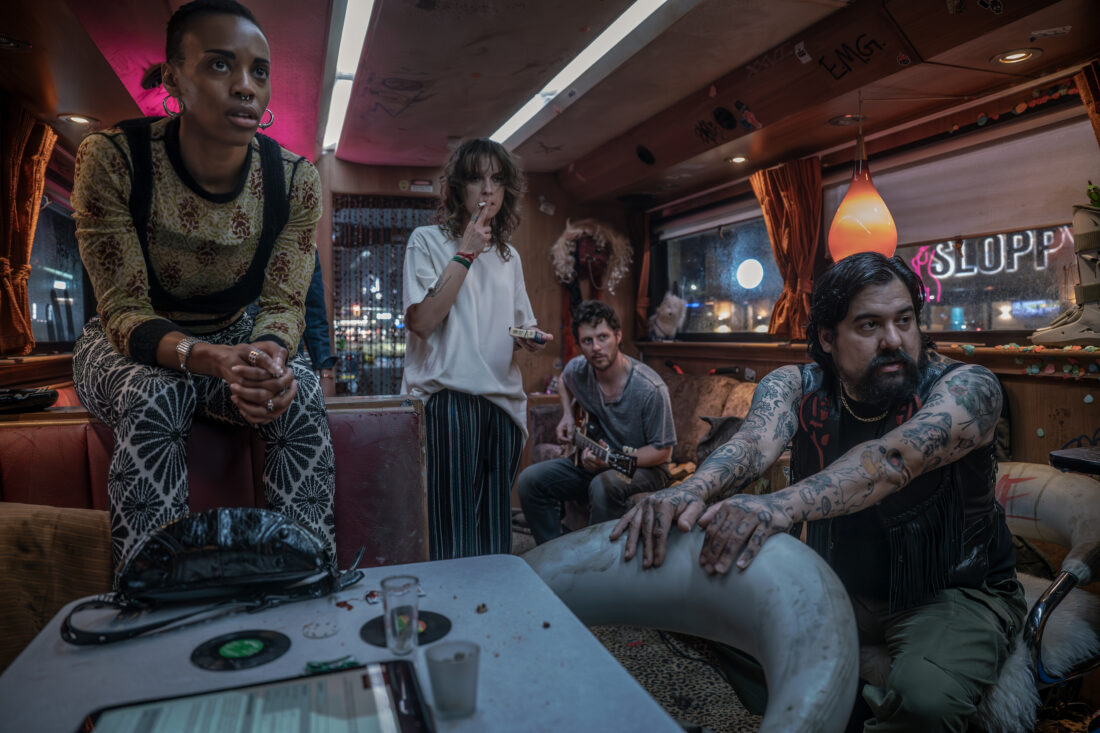
The concert itself becomes a theatrical battleground, particularly with the performance of "Big Boss," a song explicitly designed to provoke and damage Armand’s psyche. Lestat’s stage banter, laden with pointed barbs like "You’ve got a lot of rules for a theater kid" and the darkly humorous "Look deep into his uwu Japanime eyes as he mind-cocks you off a cliff," highlights his mastery of psychological warfare. Sam Reid’s portrayal of Lestat on stage is described as "blistering and ridiculous," embodying a compelling mix of arrogance and raw vulnerability. This public display of defiance is dramatically interrupted by an assassination attempt, leaving Lestat wounded and triggering profound flashbacks to Gabriella’s abandonment, a moment that seemingly ties back to all his subsequent feelings of desertion. The immediate aftermath sees him pushing away his bandmates, presumably for their safety, only for Gabriella to reappear, once again seeking to leverage his influence for her own inscrutable purposes. The episode concludes with Lestat and the band in the studio, the fate of the remaining tour dates uncertain, but the creative drive to record an album signaling a potential pivot in his grand plan.
Armand’s Ambiguous Amends
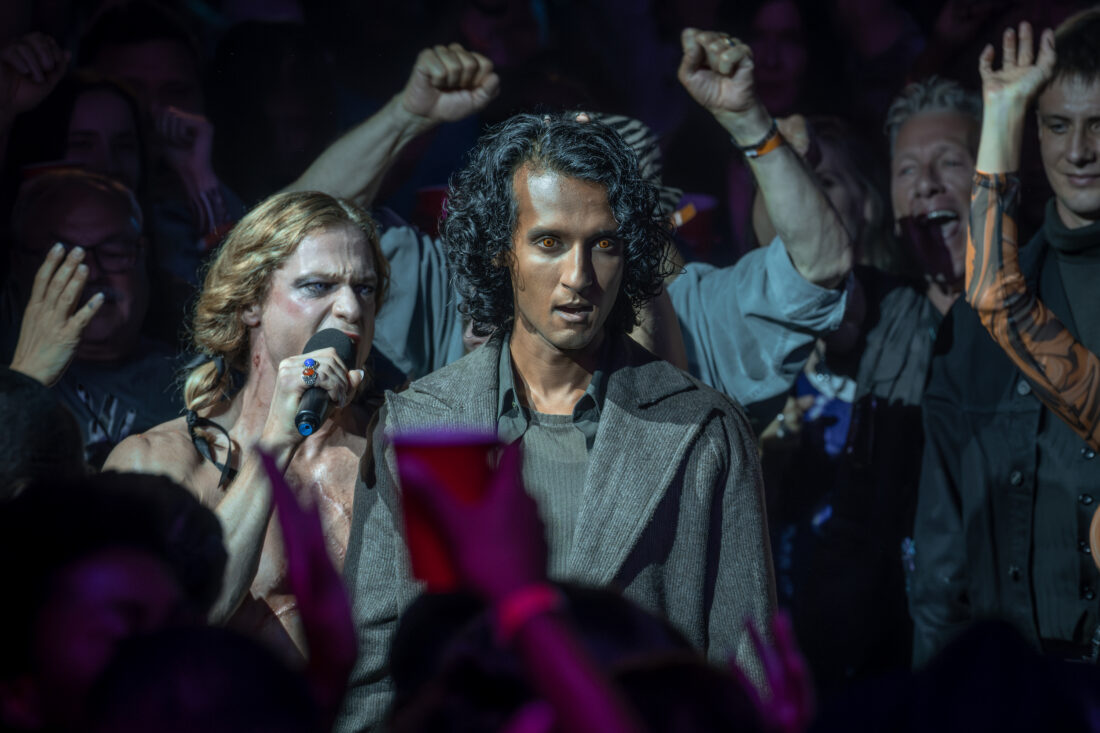
Armand’s character remains a compelling enigma, his "amends-making tour" raising more questions than it answers. His interactions with Alex, the band’s guitarist, are particularly telling. Alex, who refutes the term "sponsor" but views Armand as a god-like figure who has relieved him of his burdens, appears disturbingly unperturbed when Lestat publicly calls out Armand mid-concert. This suggests a deeper, potentially coercive, connection or a profound delusion on Alex’s part regarding Armand’s true nature.
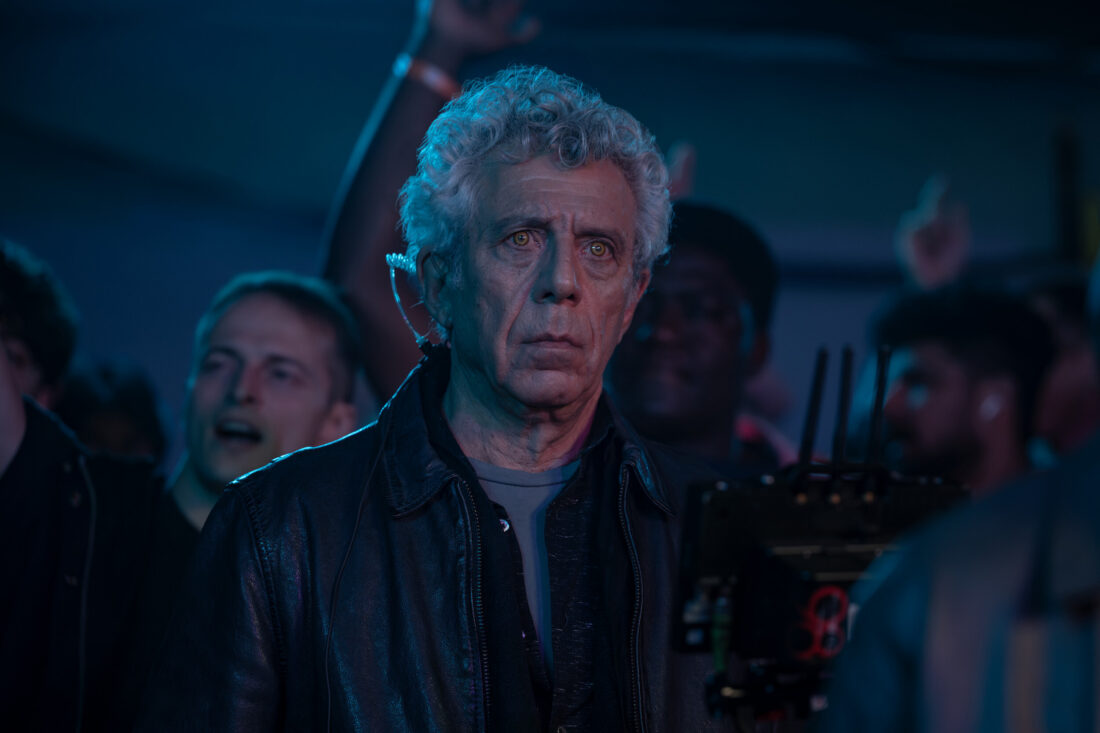
The sincerity of Armand’s intentions is further scrutinized during his confrontations with Daniel Molloy. Daniel, whose "professionally antagonistic personality goes to 11" when directed at Armand, blames the ancient vampire for nearly every problem in his life, his "transformational trauma" vividly on display. Armand’s denial of any theatricality in their Dubai exchanges and his assertion that his past actions were not motivated by love for Louis serve as a calculated disarming tactic, leaving Daniel disoriented and without the catharsis he seeks. Similarly, with Lestat, Armand’s sincerity is undermined by his veiled warnings about the dangers of Lestat’s public life. Despite leaving a "letter written from the depths of his soul," his true motivation appears to be control and protection of Lestat, hinting at a possessive undercurrent rather than genuine repentance. The audience is left to ponder if Armand truly believes in the recovery process he mimics or if he merely adopts its language as a tool for manipulation.
Louis’s Quest for Connection and Surrogate Family
Louis’s storyline is a poignant exploration of enduring grief and the desperate search for meaning in an immortal existence. The loss of his brother and the subsequent fading of his human family left an indelible scar, a "defining emotion" that continues to shape his actions. While earlier attempts at vengeance, such as the murders in Paris and Detroit, failed to bring him peace, he now seeks a different path: connection. His interactions with Regina, a young woman described as "entirely un-Claudia-like, brazen, observant," take place in the mundane setting of a diner, offering a temporary refuge from the chaos of Lestat’s world.
Regina quickly discerns Louis’s immense wealth and his underlying motivations, initially rejecting his advances with a dismissive "It’s mental" and a sarcastic instruction to "turn into a bat." However, her street-smart pragmatism leads her to recognize an "opportunity" in this enigmatic, wealthy man. The episode culminates in a shocking, yet perhaps inevitable, development: Regina, staring directly into the camera, asks, "What now, Daddy Lou?" This pivot towards a well-paid, role-playing dynamic aligns with Louis’s historical tendency to purchase companionship, highlighting his profound loneliness and his continued struggle to fill the void left by his past losses. The narrative explicitly frames these moments through Lestat’s voiceover, raising questions about the reliability of this perspective and the true nature of Louis’s experiment with Regina.
Gabriella’s Reemergence and Manipulative Influence
Gabriella’s character is consistently portrayed as a source of both fascination and frustration, particularly through Lestat’s subjective lens. Her "tiresome interest in evil," exemplified by her query to Armand about an "evil older than you" and her desire to create "Dante’s hell on earth," positions her as a figure obsessed with darker philosophical pursuits. Yet, the review suggests this ambition appears "boring" in the context of global affairs, implying a disconnect between her grand pronouncements and their actual impact or intrigue.
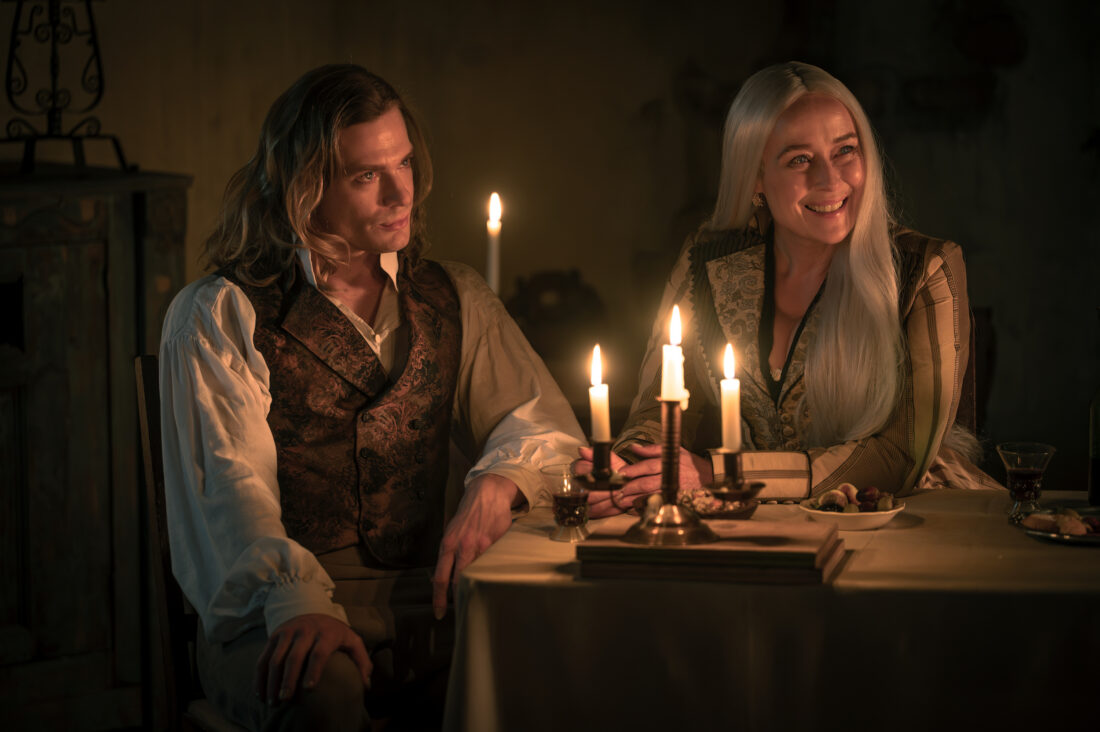
Her relationship with Lestat is depicted as a cycle of manipulation and abandonment. Flashbacks reveal her "extravagantly loud sex" within his earshot even in "ye olden days," suggesting a long history of psychological torment. Once she gained vampiric power equal to his, she ceased to be a source of safety, instead becoming a constant source of emotional distress. The scene in the inn, described as "distressing in concept" but "breathtakingly horrifying" in execution, underscores the visceral intensity of their dynamic. From Lestat’s perspective, Gabriella’s actions are always about using him—leaving him, making him miss her, begging for her return, and "fucking with his head." Her reappearance after the assassination attempt is not out of concern for Lestat’s well-being, but because "the voices" (implied to be other ancient vampires or supernatural entities) listen to his songs and "long for communion." Gabriella seeks to leverage Lestat’s influence for her own ends, seeing him as a mere tool, a perception that Lestat, blinded by his deep-seated abandonment trauma, seems tragically unable to fully comprehend or resist.
Supporting Data & Thematic Exploration
The narrative of The Vampire Lestat is deeply enriched by its multi-layered character portrayals and its commitment to exploring profound existential questions.
The Narrative Lens: Lestat’s "Omniscient History"
The series cleverly employs Lestat as an "omniscient narrator," but this omniscience is inherently suspect. The framing device of his recorded diary, which begins specifically with Gabriella’s entry into his life, immediately colors the audience’s perception. We are constantly reminded that this is Lestat’s version of history, a subjective account narrated by a character "narrating his own dissolution." This raises critical questions about the veracity of events, particularly concerning characters like Gabriella and Armand. Her seemingly "one-note" portrayal as manipulative and conniving could, in fact, be a deliberate artistic choice, reflecting Lestat’s inability to see her as a full, multi-dimensional person beyond her role in his trauma. His screwed-up childhood prevents him from viewing her as anything other than a mother, lover, or the source of his problems, even as she explicitly rejects the parental role.
Furthermore, the extent of Lestat’s omniscience is frequently challenged. While his presence at his own concerts and personal flashbacks is logical, his detailed knowledge of Louis’s private interactions with Regina or Armand’s conversations with Daniel jars the viewer. The show itself hints at this narrative manipulation, with Lestat explicitly stating, "He told himself he was in control. We all did, that year," implying a collective delusion or a retrospective reframing of events to fit his chosen narrative. This constant interplay between purported truth and subjective recollection forces the audience to engage critically with the story, recognizing that the "truth" is often a construct of the storyteller.
Trauma and Identity in the Immortal World
A powerful thematic thread running through the episode is the enduring impact of pre-vampiric trauma on immortal identity. The series posits that the "defining emotion or trauma of the end of every vampire’s human life remains key to their psyche forever." Lestat’s complex and volatile personality is traced back to his childhood abuse, his nonconsensual transformation at Magnus’s hands, and Gabriella’s repeated abandonments. These wounds manifest in his desperate calls for his mother, his theatrical defiance, and his profound vulnerability to Gabriella’s manipulations.
Louis’s character is defined by his profound grief for his brother and the subsequent loss of his human family. His attempts to find peace through violence proved futile, leading him to seek connection through unconventional means, albeit with a transactional undertone. Daniel Molloy’s "rage at Armand" is depicted as a visceral manifestation of his own "transformational trauma," deeply personal and consuming. Even Gabriella’s "warped feelings" for Lestat, who was once her child-turned-savior, are rooted in her pre-vampiric existence. This thematic consistency underscores the idea that immortality, rather than erasing past wounds, merely provides more time for them to fester and evolve, shaping the intricate "multitudes" contained within each vampire.
The Economics and Ethics of Vampiric Existence
The episode also touches upon the practical and ethical dimensions of vampiric life. The recurring mention of "the Great Conversion" prompts a practical query about sustenance, with hints like "Killer’s bathtub snacks" and the "blood farm" suggesting a disturbing industrialization of feeding. The reviewer’s humorous, yet chilling, comparison to Spike from Buffy calling humans "Happy Meals with legs" highlights the stark reality of the human-vampire dynamic: "We become them, but then they still need us." This exploitative relationship is further complicated by the chilling observation that "The would-be murderer’s manifesto was not entirely wrong," hinting at a darker, perhaps necessary, truth about their predatory existence.
Louis’s immense wealth, placing him among the "566th richest man in the world," plays a significant role in his ability to seek companionship. His willingness to pay for connection, a pattern observed "as long as we’ve known him," underscores the transactional nature of some vampiric relationships and perhaps the ultimate loneliness of his immortal state. The contrast between Louis’s luxurious cashmere sweatsuit and Regina’s working-class diner setting subtly highlights the vast economic disparities that persist even in the supernatural underworld.
Performances and Visual Storytelling
The series continues to impress with its high production values and exceptional performances. Sam Reid’s embodiment of Lestat is consistently praised for its astonishing physicality and emotional depth. Whether conveying Lestat’s fraught expressions, his cocky blood showers, his playful yet sinister interaction with a policeman, or his defiant stage presence in "Baby Lu pigtails," Reid delivers a masterful performance that captures the character’s complex blend of arrogance, vulnerability, and theatricality.

Assad Zaman’s portrayal of Armand is equally captivating, seamlessly transitioning from "fragility to ferocity" and utilizing a "wide-eyed gremlin stare" to convey his character’s enigmatic nature. Jennifer Ehle’s Gabriella, while often described as "one-note" from Lestat’s perspective, is acknowledged for her "slippery" performance, hinting at deeper layers beneath the manipulative surface. Eric Bogosian’s Daniel Molloy delivers "a beautiful thing to see" in his full-rant mode, showcasing the profound emotional toll of his interactions with Armand. Delainey Hayles’ Regina is lauded for her "brazen, observant, street-smart" portrayal, creating a compelling counterpart to Louis. Beyond individual performances, the show’s "bold and powerful" aesthetic, "messy immortal bitch drama," "rock star lifestyle," "incredible stage performances," and "lavish details" collectively contribute to a visually stunning and thematically rich viewing experience.
Official Responses (Narrative Intentions)
Given that this is a critical analysis of a fictional series, "official responses" here refers to the deliberate narrative choices made by the showrunners and writers. The ambiguity surrounding Armand’s "amends-making tour" is clearly an intentional choice, designed to keep viewers questioning his true motives. The series avoids definitive answers about his sincerity, instead relying on Assad Zaman’s nuanced performance and the context of Lestat’s biased narration to maintain a sense of unease.
Similarly, Gabriella’s "one-note" characterization is not a flaw but a deliberate narrative strategy. The show is "too smart to have slipped" and leave her unintentionally underdeveloped. Instead, her portrayal as solely manipulative and self-serving is presented as a direct consequence of Lestat’s perspective. It highlights his inability, rooted in his childhood trauma, to perceive her as a fully autonomous individual with her own complex history, seeing her only through the lens of their dysfunctional relationship. This artistic decision serves to underscore the theme of unreliable narration and the profound impact of personal bias on the interpretation of others.
The decision to frame much of the season through Lestat’s "omniscient history," even when he is not physically present for events, is a foundational narrative choice. This meta-narrative element constantly reminds the audience of the subjective nature of the story being told, creating a layer of critical engagement. The "swelling score" accompanying Louis’s encounter with Regina—the same score used for Lestat and Gabriella’s plans on the beach—is a subtle yet potent "official response" from the creators, implying a cyclical pattern of doomed or complicated relationships, subtly hinting at the potential outcome of Louis’s new venture. These narrative choices demonstrate a sophisticated understanding of storytelling, inviting viewers to delve beyond the surface plot and dissect the underlying intentions and biases.
Implications and Future Outlook
The current trajectory of The Vampire Lestat suggests a deepening exploration of its characters’ psychological wounds and the enduring consequences of their immortal lives.
Lestat’s mental state, teetering on the edge of chaos, raises significant questions about the future of his rock career. Will the assassination attempt lead to a "post-assassination attempt comeback in grandiose style," perhaps culminating in the album described in The Vampire Lestat novel? His current dissolution suggests that the path ahead will be fraught with further emotional turmoil and potentially self-destructive behavior, especially with Gabriella’s manipulative influence pushing him towards her own agenda. His continued inability to see through her maneuvers means he might unwittingly become a tool for "the voices" she serves.
The evolving dynamics between Armand and Daniel, and Louis and Regina, are poised to become central to the season’s unfolding drama. Armand’s ambiguous sincerity ensures that his relationship with Daniel will remain tense and unpredictable, likely escalating the emotional stakes for both characters. For Louis, his "experiment with Regina" presents a binary future: either Regina becomes a vampire, a "vampire Regina, her own person with her own history of psyche-forming trauma," or she ages and dies, potentially offering Louis a "sense of phantom closure" but leaving him ultimately alone again. The implications of Louis potentially turning Regina are vast, echoing his relationship with Claudia and raising ethical dilemmas about the perpetuation of vampiric suffering.
The meta-narrative implications of Lestat’s "omniscient history" are profound. As viewers, we are consistently challenged to question the "truth" presented, forcing us to consider the biases and motivations behind every recounted event. This unreliable narration means that the "real" story of The Vampire Lestat may lie not in what is explicitly shown, but in the gaps, contradictions, and subjective interpretations. This complex narrative structure ensures that the series remains a compelling intellectual exercise alongside its gothic drama.

Ultimately, The Vampire Lestat continues to be a bold and powerful series, committed to showcasing characters "containing multitudes." The exploration of love, loss, power, and the eternal struggle for meaning in an immortal existence promises a season rich with psychological depth and dramatic tension. As the various threads of story pull loose and intertwine, the audience is left with a sense of excited anticipation, mingled with a "slight edge of worry," for the ultimate fate of these captivating, flawed, and eternally complicated vampires.