The Daeron Deception: How ‘House of the Dragon’ Season 3 Just Redefined the Dance of the Dragons
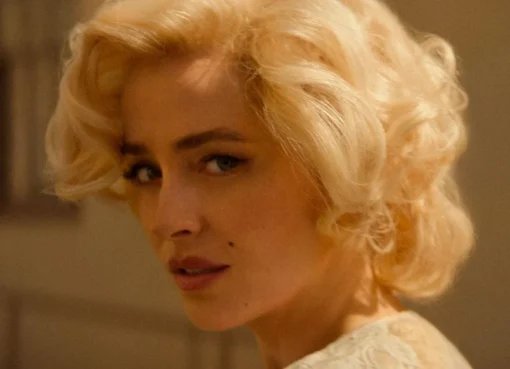
The fourth episode of House of the Dragon Season 3 has sent shockwaves through the Westerosi fandom, executing a narrative pivot that few saw coming. In an hour defined by shadow plays and shifting loyalties, showrunner Ryan Condal has introduced a radical departure from George R.R. Martin’s source material, Fire & Blood. The revelation that the Daeron Targaryen previously seen on screen was a mere decoy—a "blonde-haired impostor" used to safeguard the true prince—has fundamentally altered the stakes of the Targaryen civil war.
This bold invention not only complicates the tactical landscape of the Reach but also introduces a new contender for the Iron Throne, backed by the formidable and increasingly rogue Ormund Hightower. As the smoke clears from Episode 4, we examine the mechanics of this twist, the departure from the history books, and the explosive implications for the remainder of the season.
Main Facts: The Great Identity Swap
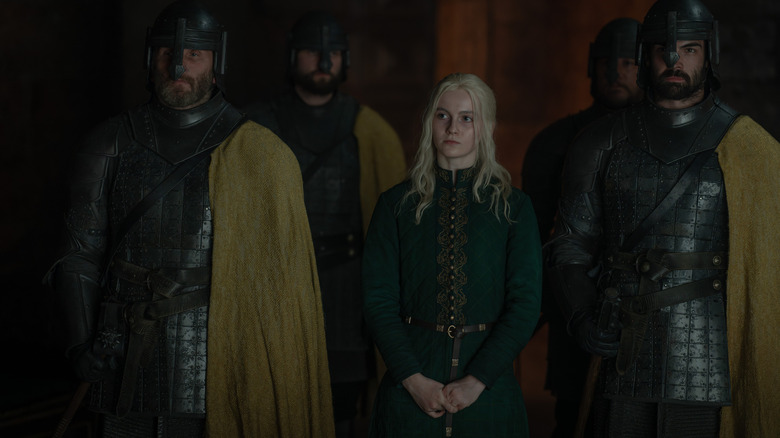
The crux of the episode, titled for the purpose of this analysis as a mid-season turning point, revolves around the identity of the youngest son of Alicent Hightower and the late King Viserys I. For several episodes, viewers believed they were seeing Daeron Targaryen (portrayed in a silent capacity by Charlie Gordon) as a captive or ward within the Hightower camp. However, Episode 4 reveals this was a calculated ruse.
The Real Daeron Targaryen
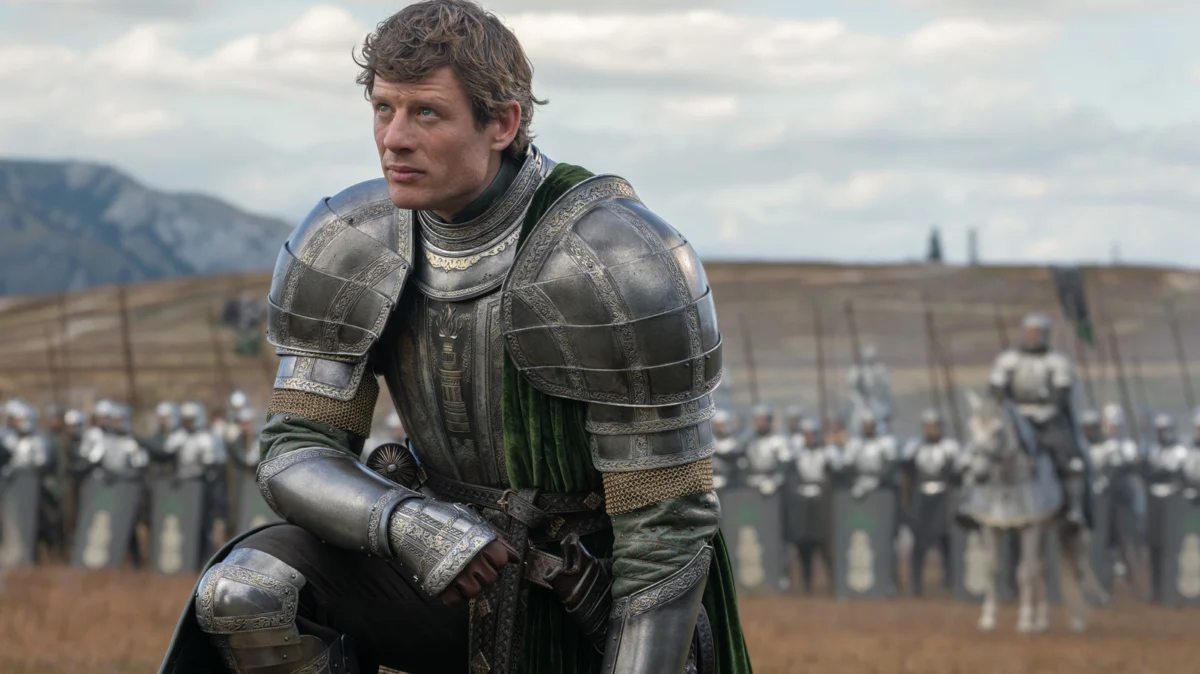
The "genuine article" is revealed to be portrayed by Benjamin Evan Ainsworth. Unlike the docile, doe-eyed figure previously presented, this Daeron is a product of Oldtown’s most rigorous—and arguably radical—upbringing. Under the tutelage of Ormund Hightower (James Norton), this Daeron has been forged into a weapon of the Faith and the Hightower lineage, rather than a mere extension of the Targaryen crown.
The Decoy Strategy
Ormund Hightower’s surrender in the preceding episode, which many fans found suspiciously easy, is now revealed as a masterful feint. By offering a decoy Daeron to his enemies or using him as a public-facing placeholder, Ormund successfully shielded the real prince from assassination or abduction by Team Black’s agents. This "switcheroo" fooled even the veteran dragonrider Daemon Targaryen (Matt Smith), highlighting a rare moment of tactical blindness for the King Consort.
Chronology of the Deception: From Honeywine to Tumbleton
To understand the impact of this twist, one must trace the Hightower army’s movements over the last two episodes.
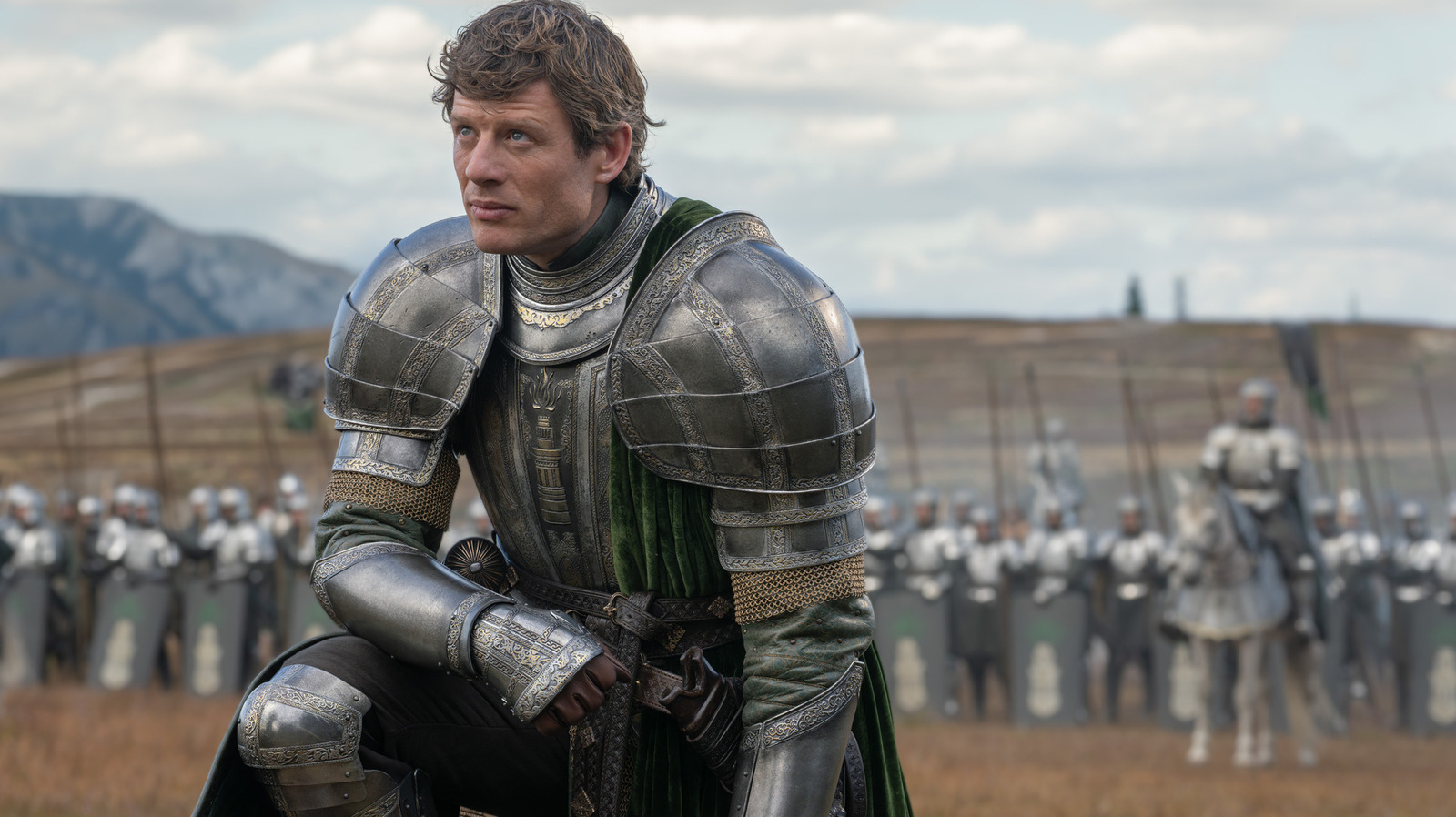
- The "Surrender" at the Mander: In Episode 3, Ormund Hightower appeared to yield his position with surprising haste. His army turned back, seemingly retreating toward Oldtown. This move was accompanied by the conspicuous absence of a dragon in active combat, leading Rhaenyra’s council to believe the southern threat was neutralized for the time being.
- The Infiltration of Tumbleton: Instead of retreating to Oldtown, the Hightower forces moved with surgical precision toward the market town of Tumbleton. This strategic location serves as the gateway to King’s Landing from the southwest.
- The Unmasking: In the closing moments of Episode 4, within the hallowed, candle-lit silence of a holy sept, the deception is stripped away. Ormund Hightower is seen mentoring a young man who possesses the unmistakable features of a Valyrian prince but the cold discipline of a Hightower knight.
- The Bloody Test: The episode concludes not with a battle of dragons, but with a battle of soul. Ormund presents the real Daeron with a "bloody test"—an act of lethal commitment—to prove he is ready to ascend not just as a prince, but as a King who will prioritize Hightower interests over the fractured Targaryen legacy.
Supporting Data: Adaptation vs. Historical Record
The "Daeron Twist" is a significant departure from Fire & Blood. In George R.R. Martin’s text, Daeron Targaryen (known as Daeron the Daring) is a straightforward, if heroic, figure who joins the war effort atop his dragon, Tessarion. There is no mention of decoys or identity swaps in the "historical" accounts provided by Archmaester Gyldayn.
The Logic of the Change
The show’s decision to invent this plotline serves several narrative functions:
- Character Depth: It provides Daeron with a more complex psychological profile. He is no longer just "the third son," but a young man caught between two worlds—the dragon-blood of his father and the religious fundamentalism of his mother’s family.
- The "Hair Dye" Paradox: The episode leans into a meta-commentary on Targaryen legitimacy. As noted by critics, if characters like Ormund were capable of using hair dye and decoys to mask identities, it casts a retroactive irony on Rhaenyra’s struggle. If she had simply dyed the hair of her sons (Jacaerys and Lucerys), the question of their "Strong" parentage might never have ignited a war.
- The Hightower Agenda: By making Ormund Hightower a "white supremacist" analog for Westerosi exceptionalism, the show heightens the stakes. This isn’t just a fight for a throne; it’s a fight for the cultural soul of the Seven Kingdoms.
Official Responses: Production Insight
While HBO has kept a tight lid on the long-term arc of this storyline, showrunner Ryan Condal has previously hinted that Season 3 would explore the "unreliable narrator" aspect of Fire & Blood.
In recent press materials, the production team emphasized that James Norton’s Ormund Hightower was cast specifically to bring a "magnetic, yet terrifying authority" to the Reach storyline. The introduction of Benjamin Evan Ainsworth as the true Daeron was a closely guarded secret, intended to mirror the shock felt by Rhaenyra’s council.
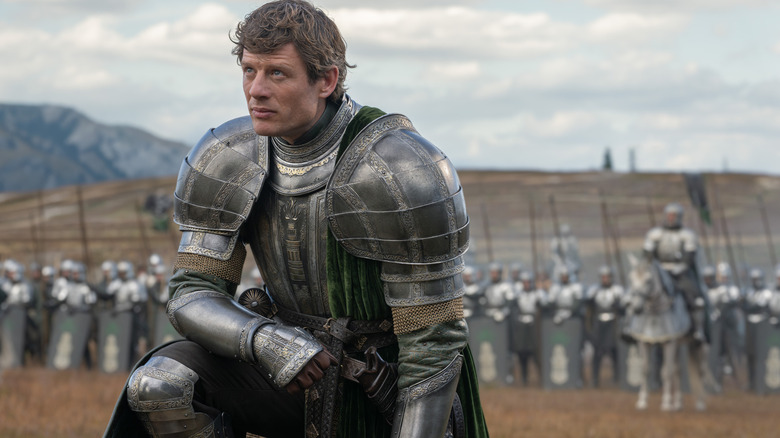
"We wanted to show that while the dragons are the ultimate power, the men who whisper in the ears of princes are often more dangerous," a production source noted. "Ormund isn’t just fighting for Aegon; he’s fighting for a vision of Westeros where the Hightowers are the architects of the future."
Implications: A Third Front in the Civil War
The revelation of Ormund’s secret plan—to install Daeron as King—creates a volatile "Third Front" in the Dance of the Dragons.
1. The Threat to Rhaenyra’s Sovereignty
Rhaenyra Targaryen (Emma D’Arcy) currently holds King’s Landing, but her grip is tenuous. If a new, "pure" candidate for the throne emerges from the south with a fresh army and the backing of the Faith, her legitimacy will be challenged once again, not by the "usurper" Aegon, but by a younger, untainted brother.
2. Internal Green Strife
Perhaps most interestingly, this move puts Ormund at odds with the current Green leadership. Prince Regent Aemond (Ewan Mitchell) is unlikely to surrender his power to a younger brother he hasn’t seen in years. King Aegon (Tom Glynn-Carney), though physically broken, remains the anointed King. Ormund’s plot to crown Daeron suggests that the Hightowers have lost faith in Alicent’s elder sons and are looking to "start over" with a more malleable, indoctrinated ruler.
3. The Dragon Factor
The "Blue Queen," Tessarion, remains the wild card. In the books, Daeron’s bond with his dragon is a key asset for the Greens. If the show follows this path, the real Daeron’s arrival on the battlefield will provide the Hightowers with the aerial supremacy they need to challenge Vhagar and Caraxes alike.
4. The Tumbleton Powderkeg
The episode’s focus on Tumbleton is a dark omen for book readers. Historically, Tumbleton is the site of some of the war’s most horrific atrocities. By placing the real Daeron and the scheming Ormund there now, the show is priming the audience for a confrontation that will likely serve as the Season 3 finale’s centerpiece.
Conclusion: The Game Just Changed
House of the Dragon has successfully revitalized its mid-season momentum by proving that it is not beholden to a beat-by-beat recreation of its source text. The Daeron Targaryen twist is a masterclass in subverting expectations, turning a character who was previously a "missing person" into the most dangerous variable in the Seven Kingdoms.
As Ormund Hightower tells his young protégé in the sept: "We must alter our scheme." With those words, the Dance of the Dragons has evolved from a binary conflict into a multi-layered game of survival, where the truest threat isn’t the dragon you see, but the king you didn’t know existed.
House of the Dragon continues Sundays on HBO and Max.