Echoes of the Nakba: Canadian Museum for Human Rights Unveils Landmark Exhibition on Palestinian Displacement
WINNIPEG, MB — In a significant move to address one of the most enduring and sensitive human rights issues of the modern era, the Canadian Museum for Human Rights (CMHR) has launched a major new exhibition titled Palestine Uprooted: Nakba Past and Present. Opening its doors on June 27, 2026, and slated to run through 2028, the exhibition provides a comprehensive look at the forced displacement of Palestinians, beginning with the foundational events of 1948 and tracing the thread of that history to the current humanitarian crises in Gaza and the West Bank.
Through a poignant collection of personal artifacts, video testimonies, and contemporary art, the exhibition seeks to humanize a narrative often dominated by geopolitical statistics. By centering the lived experiences of Palestinian Canadians, the CMHR aims to foster a deeper understanding of the "Nakba"—or "Catastrophe"—and its ongoing impact on millions of people worldwide.
Main Facts: A Living History of Dispossession
The Palestine Uprooted exhibition represents a shift in how national institutions engage with the Palestinian narrative. Located in Winnipeg, the CMHR is the first national museum in the world solely dedicated to the evolution, celebration, and future of human rights. By hosting this exhibition, the museum places the Palestinian struggle for self-determination and the right of return within the broader global discourse on human dignity.
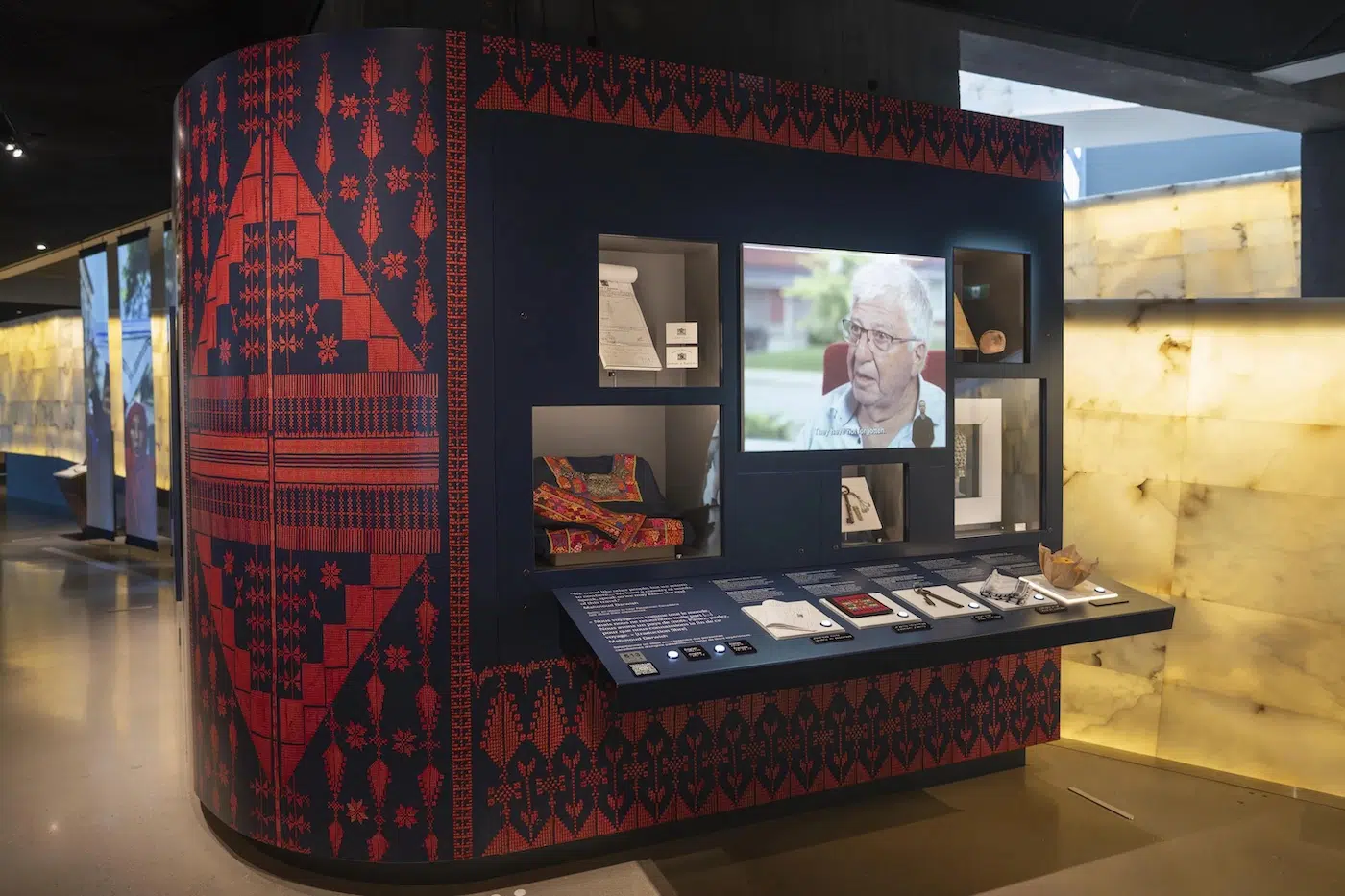
The exhibition is structured around the concept of "living history." Rather than treating the 1948 displacement as a static historical event, the curators have designed the space to show how the trauma and resilience of the Nakba are inherited across generations. The display features:
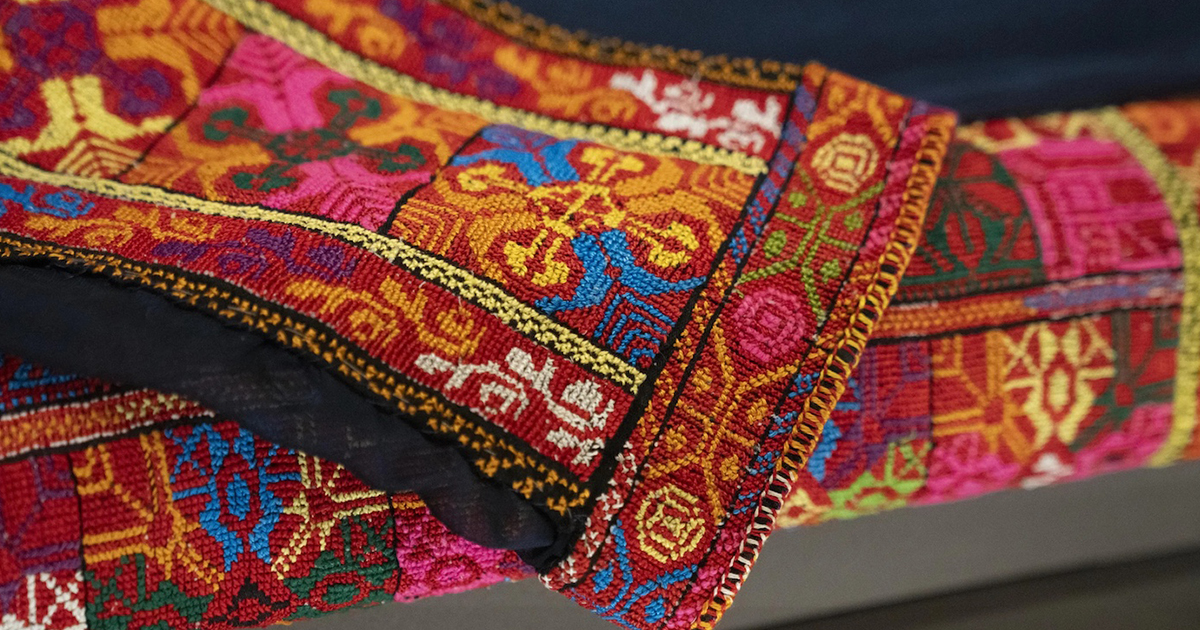
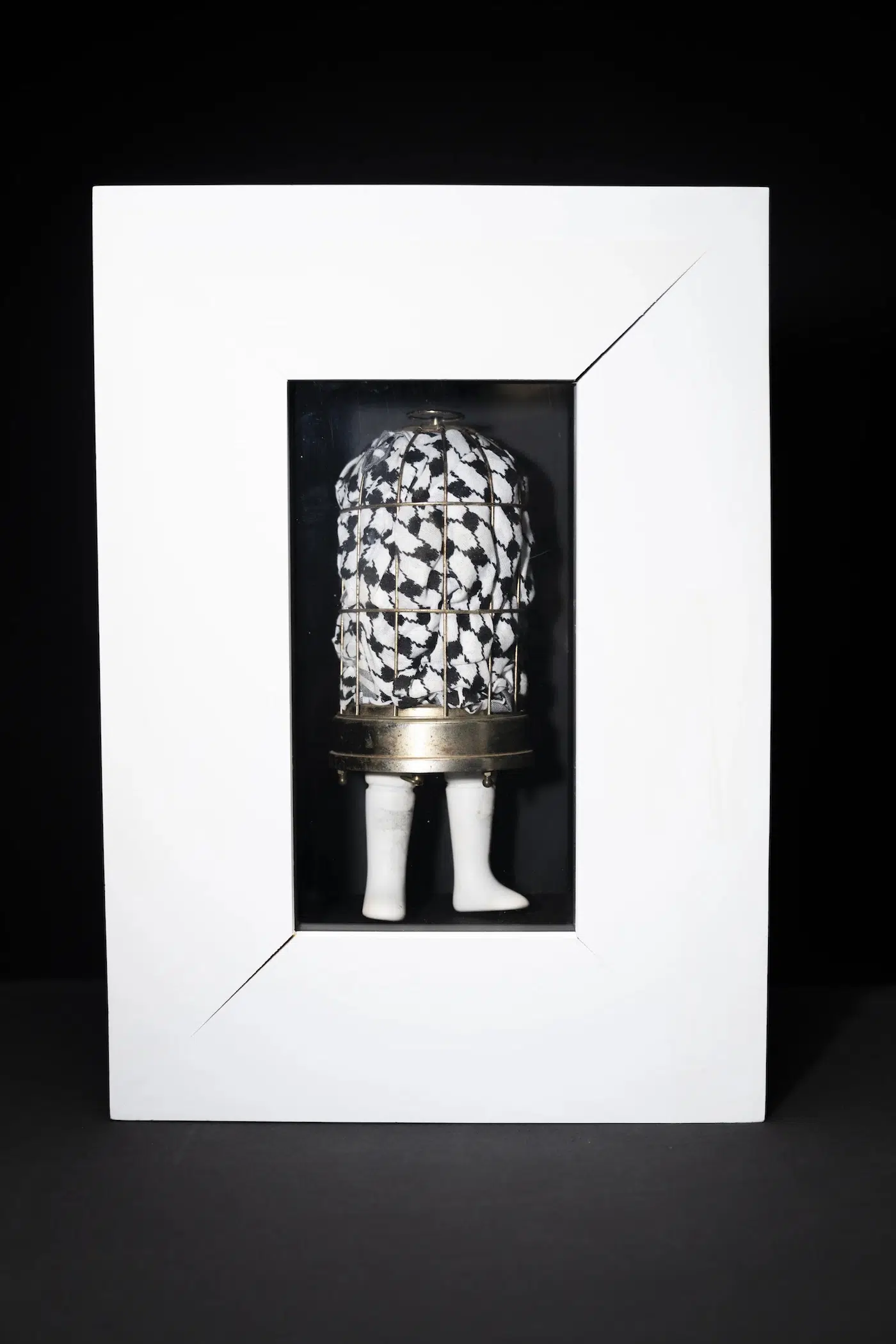
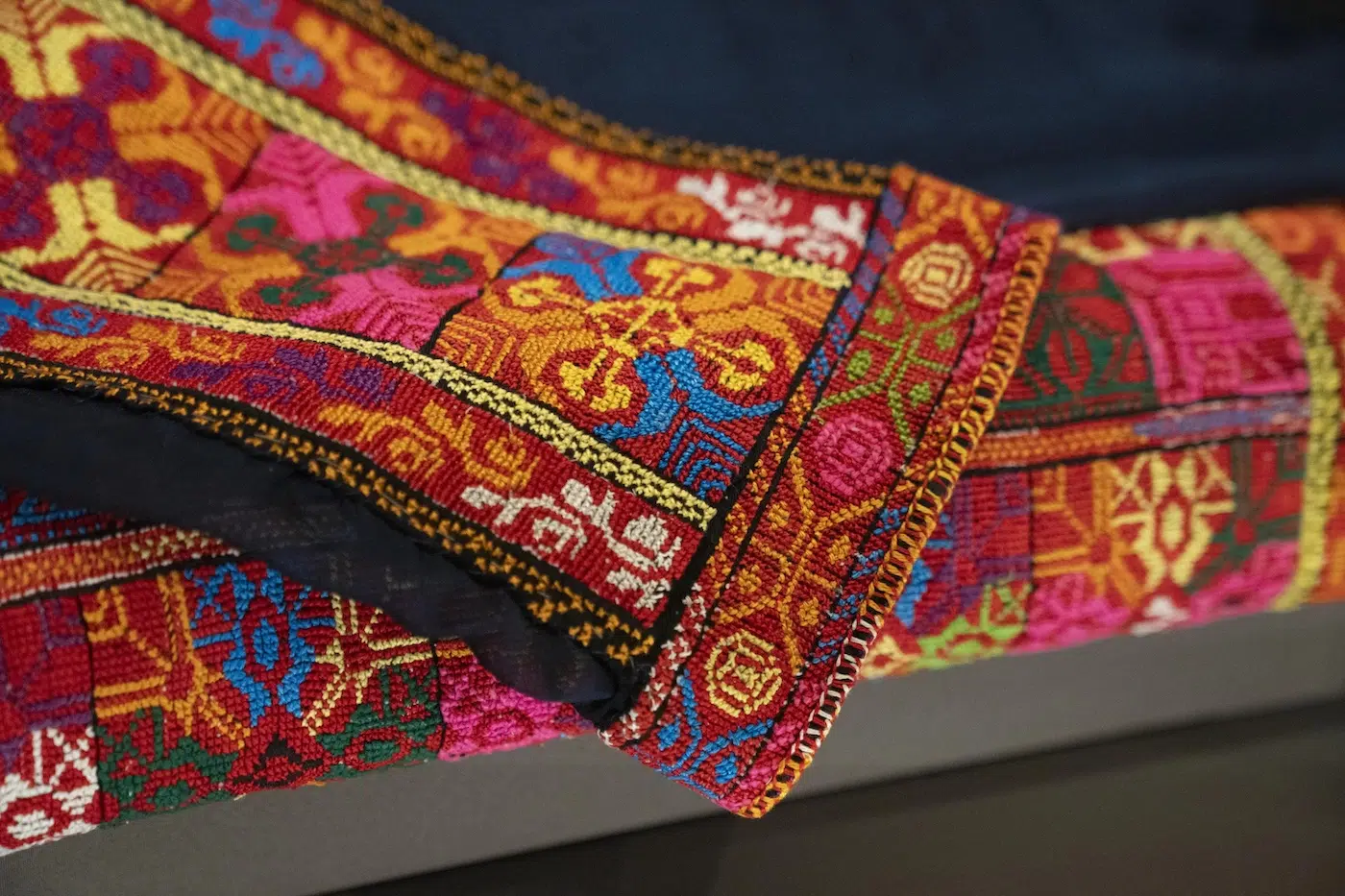
- Artifacts of Memory: Tangible items such as original property deeds, traditional embroidered Palestinian dresses (thobes), and—most symbolically—house keys. These keys, often passed down from grandparents to grandchildren, represent the "Right of Return" for families who fled their homes in 1948.
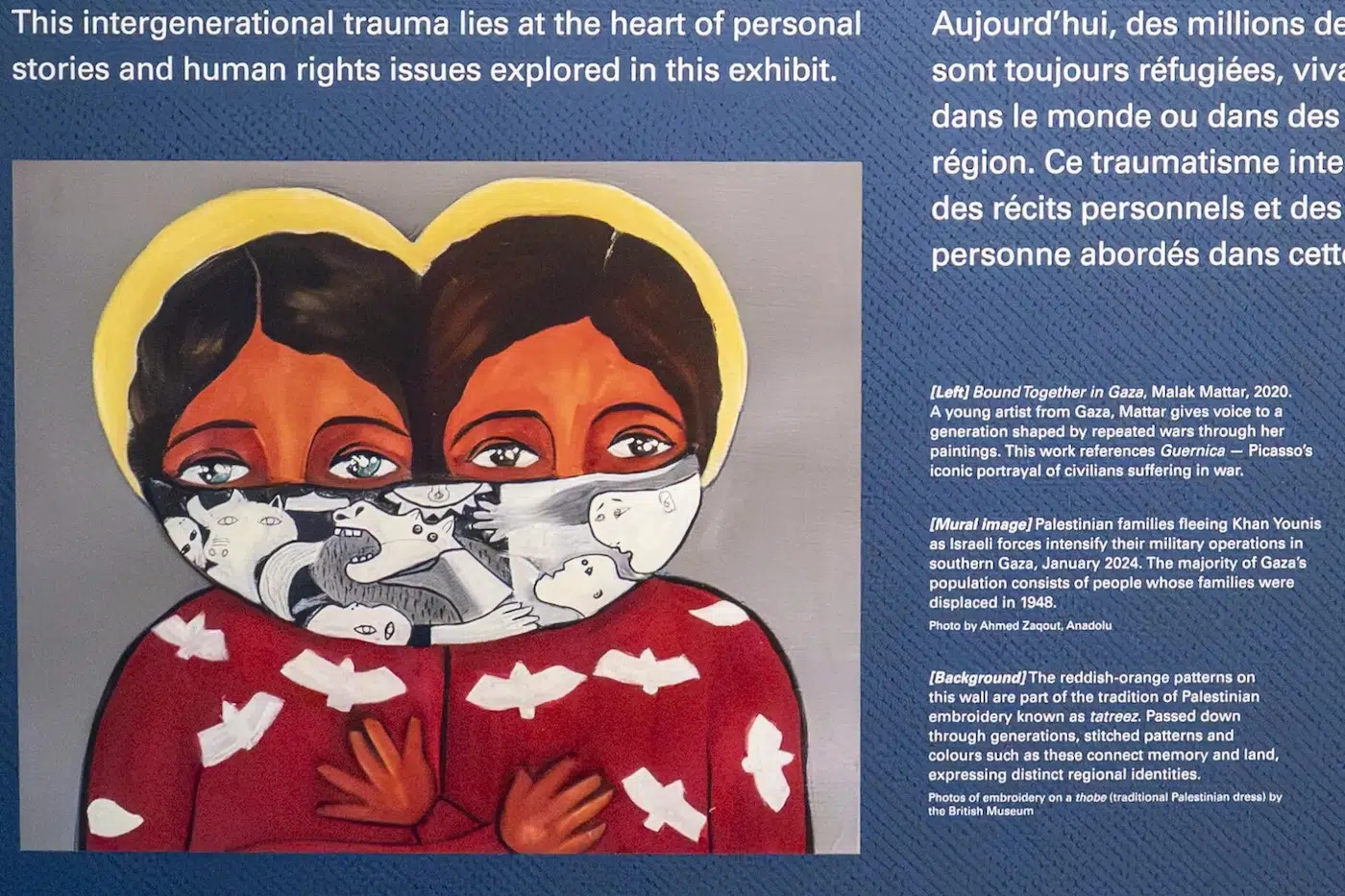
- Contemporary Artworks: Pieces by renowned artists Malak Mattar and Rajie Cook provide a visual language for grief and resistance.
- Video Testimonies: First-hand accounts from Palestinian Canadians who recount their families’ journeys from the villages of historic Palestine to the cities of Canada.
Chronology: From 1948 to the Digital Age
To understand the scope of the exhibition, one must understand the timeline it covers—a span of nearly 80 years of displacement.
The 1948 Nakba
The exhibition begins with the 1948 Nakba, during which approximately 750,000 Palestinians were expelled or fled from their homes during the creation of the State of Israel. Zionist groups seized hundreds of towns and villages, leading to a massive refugee crisis. For many Palestinians, this period marks the beginning of a permanent state of exile. The property deeds on display at the CMHR serve as a legal and emotional record of this initial uprooting.
The Second Intifada (2000–2005)
The exhibition bridges the gap between 1948 and the present by highlighting the Second Intifada. One of the key featured works is Curfews and Closures by Rajie Cook. Cook, a Palestinian-American artist whose parents were from Ramallah, used his art to reflect on the suffocating reality of military occupation during the early 2000s. His work depicts the restrictions on movement, the checkpoints, and the daily humiliations that defined Palestinian life during the uprising, showing that the "uprooting" of 1948 evolved into a system of controlled existence.
The Present Crisis (2023–Present)
The final chapter of the exhibition’s chronology is the ongoing conflict in Gaza and the West Bank. In the modern era, the Nakba is no longer just a story told by elders; it is a "live-streamed" event. The exhibition includes references to the current destruction in Gaza, drawing a direct line between the tents of 1948 and the displacement camps of today.
Supporting Data: The Scale of Global Displacement
The exhibition’s narrative is supported by the staggering statistics of the Palestinian diaspora. According to data from the United Nations Relief and Works Agency (UNRWA), there are currently more than 5.9 million Palestinian refugees eligible for services. These individuals are scattered across Jordan, Lebanon, Syria, the Gaza Strip, and the West Bank, including East Jerusalem.
In Canada, the Palestinian community has grown significantly over the decades. Census data suggests that tens of thousands of Canadians identify as being of Palestinian descent. The CMHR exhibition highlights that for this community, the Nakba is not a distant foreign policy issue but a foundational element of their Canadian identity.
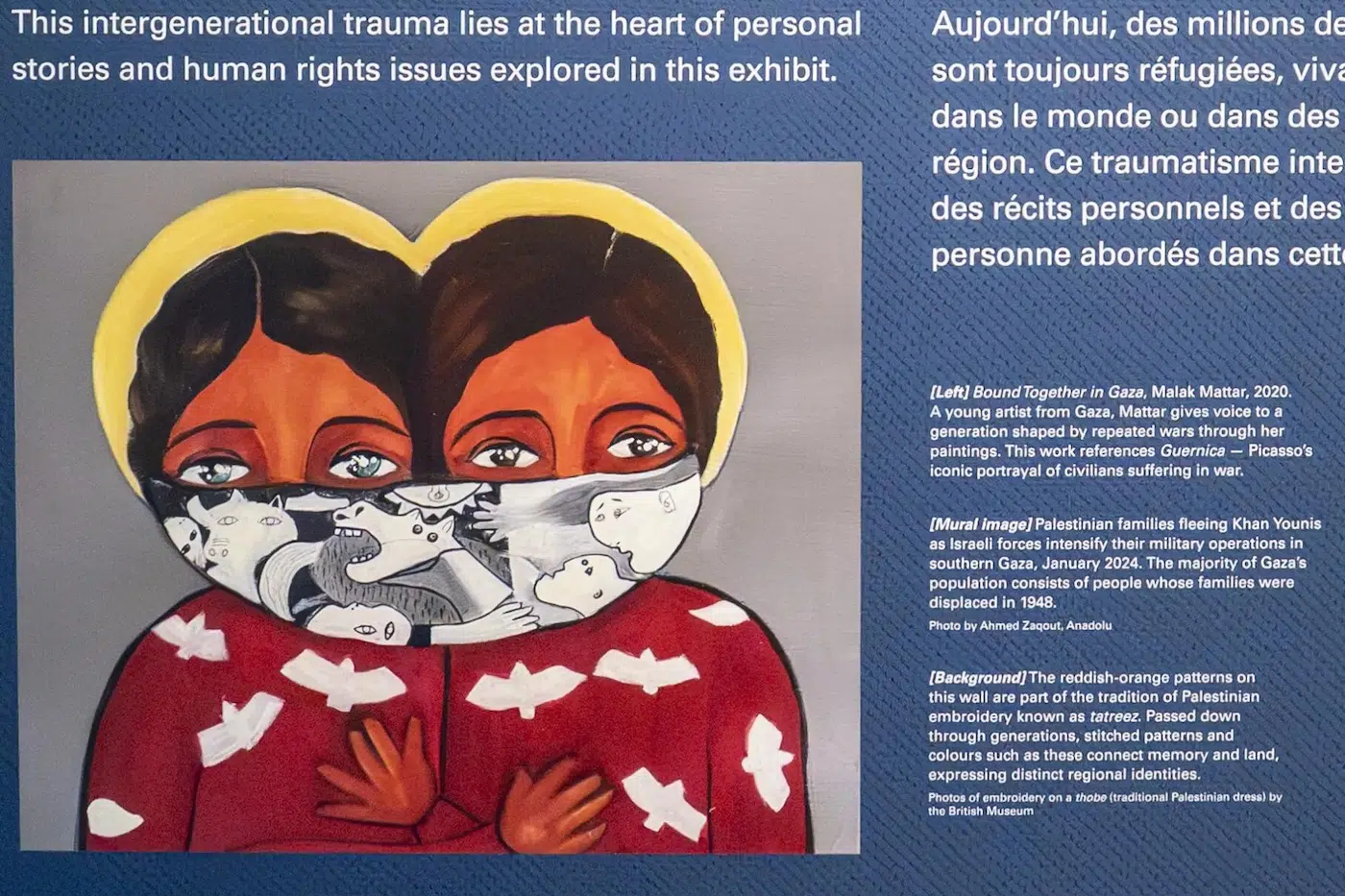
The artwork Bound Together by Gazan artist Malak Mattar provides a qualitative data point for the exhibition. Mattar, who began painting during the 51-day bombardment of Gaza in 2014, created this piece as a modern-day Guernica. Just as Picasso’s masterpiece captured the horrors of the Spanish Civil War, Mattar’s work serves as a visual census of the suffering and resilience of a generation that has known only conflict and blockade.
Official Responses: Breaking the Silence
The opening of Palestine Uprooted has drawn emotional responses from both the museum leadership and the participants whose stories are featured.
Fouad Sahyoun, a Palestinian Canadian whose family’s history is part of the exhibit, spoke at the launch about the importance of institutional recognition. "No force can silence the truth we carry," Sahyoun stated. "Growing up in Canada, my children lived the Nakba through our stories. And now we watch it happen again, live, on our phones. When I see the images coming out of Gaza, I am not watching the news. I am watching my history repeat itself."
The CMHR has positioned the exhibition as a necessary fulfillment of its mandate to explore "silenced" histories. Museum officials noted that while the Palestinian story has often been marginalized in North American cultural institutions, the principles of human rights require an honest accounting of displacement and dispossession.
The inclusion of Malak Mattar’s work is particularly significant. Mattar, who has become a global voice for Palestinian youth, noted that art is a tool for survival. Her participation in a Canadian national museum signals an growing international willingness to engage with Palestinian cultural production as a legitimate form of human rights testimony.
Implications: The Role of Museums in Global Justice
The Palestine Uprooted exhibition carries profound implications for the role of museums in the 21st century. Traditionally, museums have been seen as repositories of the past, but the CMHR is asserting its role as a space for active human rights discourse.
1. The Right to Memory
The exhibition asserts the "Right to Memory" for displaced peoples. By preserving artifacts like the thobe and the house key, the museum validates the Palestinian claim to a specific history and a specific land. In a world where historical narratives are often contested, the physical presence of these items in a national museum serves as a powerful counter-narrative to erasure.
2. Educational Impact
For the Canadian public, the exhibition offers a nuanced educational tool. It moves beyond the headlines of "conflict" to explain the structural roots of displacement. Visitors are encouraged to see the connections between historical events in 1948 and the humanitarian requirements of international law today.
3. Institutional Courage
Hosting an exhibition on the Nakba is a move that requires institutional courage, given the polarized nature of the subject. The implication is that the CMHR is willing to tackle controversial topics to remain true to its mission. This sets a precedent for other national museums to address the histories of displaced and Indigenous peoples with similar transparency and depth.
4. Strengthening the Diaspora Voice
For Palestinian Canadians, the exhibition is a moment of visibility. It provides a platform where their family histories are recognized as part of the Canadian fabric. This integration of diaspora stories into national museums helps to broaden the definition of what it means to be Canadian, acknowledging that many citizens carry the weight of global human rights struggles within them.
Conclusion
Palestine Uprooted: Nakba Past and Present is more than an art gallery or a history lesson; it is a bridge between generations and geographies. As it remains on display through 2028, it will undoubtedly serve as a focal point for reflection, debate, and, hopefully, a deeper empathy for the millions of individuals for whom "home" remains a cherished memory and a distant hope. In the halls of the Canadian Museum for Human Rights, the silence surrounding the Nakba has finally been broken, replaced by the voices of those who refuse to be forgotten.
Exhibition Details:
- Palestine Uprooted: Nakba Past and Present
- Dates: June 27, 2026 – 2028
- Location: The Canadian Museum for Human Rights, 85 Israel Asper Way, Winnipeg, MB
- Admission: Consult the CMHR Website for ticketing and hours.