Gnomecast Explores the Quintessential "Good Player" in Tabletop Role-Playing
FOR IMMEDIATE RELEASE
July 15th, 2026 – The digital airwaves of the tabletop role-playing game (TTRPG) community are abuzz with the release of Gnomecast 241, "Seeking Good Players." In their latest episode, the esteemed panel of Ang, JT, and Tomas delve into one of the most fundamental yet often debated topics in gaming circles: what truly constitutes a "good player." Hosted by the venerable Poddy Gnomington, this installment promises to be a definitive guide for both seasoned dungeon masters and aspiring adventurers alike, sparking conversations about the qualities that transform a simple participant into an invaluable asset at any gaming table.

Main Facts: Unpacking the Ideal Player Archetype
Gnomecast, a cornerstone of the popular TTRPG resource hub Gnome Stew, released its 241st episode on July 15th, 2026. Titled "Seeking Good Players," the podcast features regular hosts Ang, JT, and Tomas, guided by the overarching presence of Poddy Gnomington. The central theme of the episode revolves around identifying and articulating the characteristics that make a player not just competent, but genuinely desirable to have at a gaming table, fostering an environment where game masters eagerly anticipate their return session after session.
The discussion aims to move beyond mere adherence to rules or character optimization, instead focusing on the interpersonal, narrative, and collaborative elements that elevate a player’s contribution. Listeners can expect a nuanced exploration of qualities such as active engagement, respect for fellow players and the game master, collaborative storytelling, and a willingness to embrace the shared fiction. This topic is particularly resonant in the current TTRPG landscape, which has seen unprecedented growth and diversification, bringing with it a wider array of playstyles and expectations. By addressing the core tenets of positive player behavior, Gnomecast 241 seeks to contribute to healthier, more enjoyable gaming experiences for all. The episode is available for streaming via Gnome Stew’s website, with an audio link provided for direct access.

Chronology: A Legacy of TTRPG Discourse
The journey to Gnomecast 241 is a testament to Gnome Stew’s enduring presence and influence within the TTRPG community. Since its inception, Gnome Stew has consistently delivered high-quality content, ranging from insightful articles on game master (GM) techniques to thought-provoking discussions on player dynamics. The "Gnomecast" series, in particular, has evolved into a respected platform for exploring the multifaceted world of tabletop gaming.
The podcast’s long run, evidenced by its 241st episode, signifies a deep-rooted commitment to the hobby. Over the years, Gnomecast has covered an extensive range of topics, from campaign planning and world-building to managing challenging players and fostering creativity. This consistent output has cemented its reputation as a reliable source of wisdom and practical advice for GMs and players alike. The release of "Gnomecast 240 – Initiative – The Misdirected Mark Podcast takes over the Gnomecast" immediately preceding this episode showcased a collaborative spirit within the TTRPG podcasting sphere, highlighting the interconnectedness of content creators in the industry. Such cross-pollination of ideas often enriches the discourse, setting the stage for deep dives into critical subjects like player quality.

The decision to dedicate an entire episode to "Seeking Good Players" in mid-2026 is particularly timely. The TTRPG hobby, having experienced a significant boom in recent years, especially with the increased visibility of actual-play streams and online gaming platforms, has attracted a diverse new audience. This influx, while invigorating, has also brought to light varying expectations and understandings of table etiquette and collaborative play. As online communities continue to expand, the need for clear guidelines and shared understanding of what makes a game truly enjoyable has become paramount. Gnomecast 241 arrives at a crucial juncture, offering a beacon of guidance for both new and veteran players navigating these evolving social dynamics. It builds upon Gnome Stew’s established history of fostering positive gaming environments, ensuring that the hobby remains welcoming and engaging for everyone involved.
Supporting Data: Defining the Desirable Player
The hosts, Ang, JT, and Tomas, meticulously dissect the attributes that contribute to a truly "good player." Their discussion, while informal, draws upon years of collective experience running and playing a multitude of TTRPGs. Several key qualities emerge as paramount:

1. Active Engagement and Proactivity:
A good player isn’t merely present; they are actively engaged in the game world. This means listening attentively, asking clarifying questions, making meaningful choices, and contributing to the narrative even when the spotlight isn’t directly on their character. They don’t wait to be told what to do but seek opportunities to interact with the environment, NPCs, and other player characters. This proactive approach significantly reduces the GM’s burden and enriches the collective storytelling experience. For instance, instead of waiting for a quest hook, an engaged player might initiate an investigation based on an overheard rumor, propelling the narrative forward organically.
2. Collaborative Spirit and Teamwork:
TTRPGs are inherently collaborative. A good player understands that the game is a shared experience, not a solo performance. They support their fellow players, celebrate their successes, and help overcome their challenges. This involves knowing when to share the spotlight, offering assistance during difficult situations, and building character arcs that intertwine with the party’s goals rather than solely pursuing individual agendas that might detract from the group’s cohesion. The emphasis is on "our story" rather than "my story."

3. Respect for the Game Master and the Rules:
The GM dedicates significant time and effort to prepare and run the game. A good player respects this effort by paying attention, providing constructive feedback when appropriate, and generally making the GM’s job enjoyable. While rules disputes can arise, a good player approaches them with an open mind, trusting the GM’s judgment and understanding that the rules serve the story and fun, not the other way around. This also extends to showing up on time, being prepared with their character sheet, and communicating any potential absences in advance.
4. Embracing the Shared Fiction and Role-Playing:
While not every player needs to be a theatrical performer, a good player invests in the shared fictional world. They strive to make choices consistent with their character’s personality, motivations, and background. This doesn’t mean always making optimal mechanical choices, but rather choices that serve the character and the narrative. This willingness to immerse oneself in the role-play fosters a deeper connection to the game and makes for more memorable moments.

5. Constructive Communication and Problem-Solving:
Issues can arise at any table, from rules interpretations to interpersonal conflicts. A good player addresses these constructively, communicating openly and honestly with the GM and other players. They focus on finding solutions that benefit the entire group, rather than escalating conflicts or resorting to passive-aggressive behavior. This includes giving and receiving feedback graciously, ensuring the table remains a safe and enjoyable space.
Connecting to Gnome Stew’s Ecosystem:
The episode’s discussion naturally weaves into the broader content ecosystem of Gnome Stew. The linked resources provide tangible examples of how these player qualities manifest in actual play:
- "Rise of the Lazy Gamemaster" (Kickstarter): This product, championed by Sly Flourish, emphasizes efficient GM preparation. A "good player" indirectly supports this philosophy by being self-sufficient, engaging proactively, and not demanding excessive GM attention, allowing the GM to focus on core narrative elements rather than constant hand-holding.
- "Crypt of the NekroLych" (itch.io): An adventure module like this requires players who can engage with its challenges, solve puzzles, and contribute to combat or social encounters effectively. Good players navigate such scenarios collaboratively, using their skills and teamwork to overcome obstacles presented by the module.
- "Masks: A New Generation Second Edition" (Kickstarter): This Powered by the Apocalypse (PbtA) game, focused on teen superheroes, thrives on collaborative storytelling, emotional arcs, and character development. Players who excel in Masks are inherently "good players" in the sense that they embrace the narrative, contribute to dramatic tension, and collaboratively build a compelling story with their peers. This game particularly highlights the importance of collaborative storytelling and character investment over pure mechanical optimization.
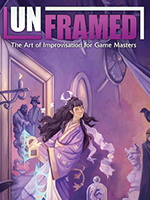
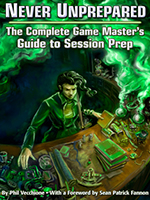
Furthermore, Gnome Stew’s own extensive library of GM-focused books, available through Engine Publishing, implicitly supports the cultivation of good players. Titles like "Focal Point: The Complete Game Master’s Guide to Running Extraordinary Sessions," "Unframed: The Art of Improvisation for Game Masters," "Odyssey: The Complete Game Master’s Guide to Campaign Management," and "Never Unprepared: The Complete Game Master’s Guide to Session Prep" all aim to empower GMs to create engaging and well-managed games. A good GM, equipped with these tools, is better positioned to foster a positive environment that, in turn, encourages good player behavior. Conversely, players who understand and appreciate the GM’s efforts (as outlined in these books) naturally align with the "good player" archetype. The "Masks: 1,000 Memorable NPCs for Any Roleplaying Game" and "Eureka: 501 Adventure Plots to Inspire Game Masters" provide rich content that good players can interact with meaningfully, enhancing their enjoyment and contribution.
Official Responses: Industry Affirmation and Community Resonance
The release of Gnomecast 241 is anticipated to generate significant discussion within the TTRPG community, a testament to Gnome Stew’s respected position. The influence of Gnome Stew is not merely anecdotal; it is formally recognized by industry leaders. Monte Cook, the renowned game designer behind Monte Cook Games (creators of Numenera and Cypher System), has publicly endorsed the platform, stating, "I check Gnome Stew every day." This high praise from such an influential figure underscores the quality and relevance of the content produced by Gnome Stew and, by extension, Gnomecast.

Such an endorsement lends considerable weight to Gnomecast 241’s discourse on "good players." It transforms the discussion from mere opinion into a credible industry-recognized exploration of best practices. Listeners, knowing that even top-tier designers value Gnome Stew’s insights, are more likely to engage deeply with the episode’s themes and apply its lessons to their own gaming tables.
Beyond official endorsements, the topic itself is a perennial favorite in TTRPG forums, social media groups, and local game stores. The episode is expected to ignite lively debates and sharing of personal anecdotes, as players and GMs alike reflect on their experiences with both exemplary and challenging tablemates. This organic community response will serve as a powerful affirmation of the podcast’s ability to tap into the core anxieties and aspirations of the TTRPG hobbyist. Gnome Stew’s Patreon support, highlighted by the generous backing of Amedeo Rosa since June 2020, further demonstrates the direct community investment in and appreciation for their work, ensuring that such vital discussions can continue.

Implications: Shaping the Future of Tabletop Gaming
The implications of "Gnomecast 241: Seeking Good Players" extend far beyond a single podcast episode. By articulating clear, actionable qualities of desirable players, Gnome Stew is contributing to the ongoing effort to define and elevate TTRPG social dynamics. This is crucial for the sustained health and growth of the hobby.
1. Fostering Healthier Gaming Environments: A shared understanding of what constitutes a "good player" can lead to more harmonious and enjoyable gaming sessions. It provides GMs with a framework for setting expectations and players with a roadmap for constructive engagement. This clarity can help mitigate common issues like disruptive behavior, disinterest, or conflicts arising from misaligned expectations.
2. Reducing GM Burnout: GMs invest immense energy into their campaigns. Players who embody the qualities discussed in Gnomecast 241 make the GM’s job significantly more rewarding and less stressful. Proactive, collaborative, and respectful players inspire GMs, making them eager to continue running games and investing in the shared narrative, thereby combating GM burnout, a significant challenge in the community.
3. Cultivating Inclusive Tables: While the episode focuses on "good" players, the underlying principles of respect, communication, and collaboration are fundamental to creating inclusive gaming spaces. By promoting these values, Gnomecast contributes to a broader culture where everyone feels welcome, valued, and able to contribute meaningfully, regardless of their background or experience level.

4. Guiding New Players: For newcomers to the TTRPG hobby, understanding these unspoken rules and social contracts can be invaluable. Gnomecast 241 serves as an excellent primer, helping new players integrate seamlessly into existing groups and develop habits that will make them cherished members of any gaming table.
5. Inspiring Self-Reflection: Even veteran players can benefit from reflecting on their own habits and contributions. The episode encourages self-assessment, prompting listeners to consider how they can further enhance their own playstyle and contribute more positively to their groups.
Gnome Stew, through Gnomecast 241, reinforces its role not just as a content provider, but as a thought leader and community builder in the TTRPG space. By tackling a topic as fundamental as player quality, they are actively shaping the discourse and setting benchmarks for positive interaction. This commitment to fostering excellence, both in game mastering and player engagement, ensures that the tabletop role-playing hobby will continue to be a vibrant, welcoming, and profoundly rewarding experience for years to come. The exploration of "Gnomecast 21," mentioned in the "It Came From The Stew Pot" sidebar, also subtly highlights Gnome Stew’s long-standing dedication to enigmatic, engaging content that keeps its audience guessing and coming back for more, cementing its legacy as a truly unique voice in TTRPG media.