The Web3 Quadrant: Disentangling the Promises and Perils of the Digital Gold Rush
Analysis — The contemporary digital landscape is currently dominated by a quartet of buzzwords: cryptocurrencies, the blockchain, non-fungible tokens (NFTs), and play-to-earn (P2E) gaming. While promoters often conflate these four distinct technological and economic areas to suggest a unified, inevitable "Web3" revolution, a growing chorus of skeptics and industry veterans warns of a "perfect storm" of speculation.
The current fervor draws inevitable comparisons to the dot-com bubble of 2000, yet analysts suggest the current inflation is faster and more volatile. Driven by a macroeconomic climate of historically low interest rates, pandemic-era wealth accumulation, and a desperate search for yield, the convergence of these four elements has created what some describe as a "Ponzi opportunity of epic proportions." To navigate this landscape, one must disentangle these components to identify whether they hold intrinsic value or are merely a sophisticated "confection of ideas with no true substance."
Main Facts: The Four Pillars of the Modern Digital Bubble
At the heart of the current market frenzy are four distinct concepts that, while technologically linked, serve vastly different functions and carry unique risk profiles.
1. Cryptocurrencies
A cryptocurrency is fundamentally a digital medium of exchange. However, unlike traditional fiat currencies backed by sovereign governments and central banks, cryptocurrencies rely on a "human agreement" of value. As historian Yuval Noah Harari notes in Sapiens, money is a story we tell ourselves—a social construct that allows for the exchange of value. The primary critique of the current crypto movement is the triple contradiction in its marketing: promoters claim it is simultaneously a stable means of trade, a store of value, and an appreciating speculative asset. Economically, these three states are mutually exclusive.
2. The Blockchain
The blockchain is the underlying ledger technology—a distributed, immutable record of transactions. Proponents argue it removes the need for "middlemen" like banks or governments. Critics, however, point out that decentralization often replaces institutional trust with a blind trust in code, which offers no recourse in the event of theft, bugs, or forgotten credentials.
3. Non-Fungible Tokens (NFTs)
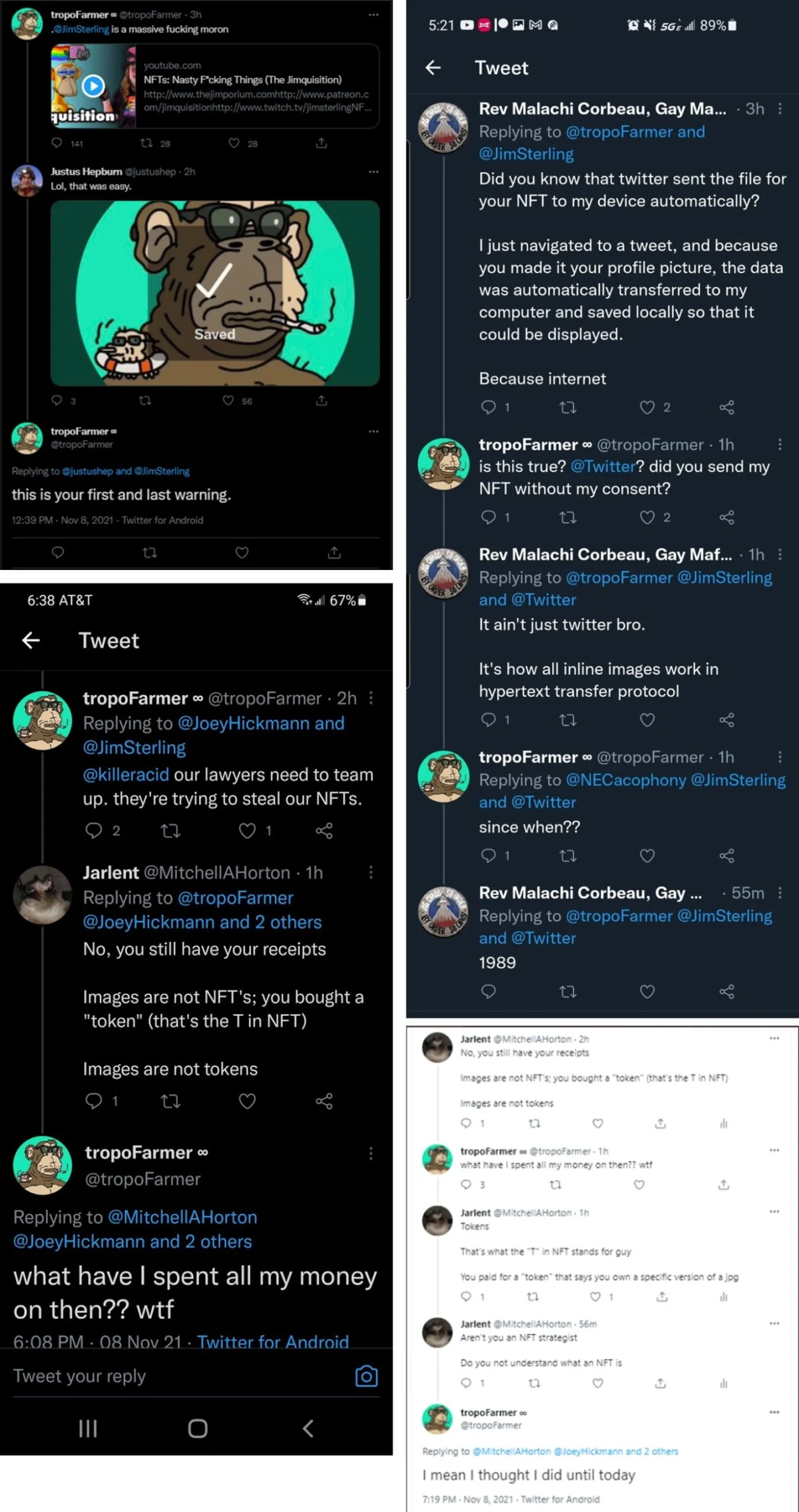
NFTs are digital certificates of ownership for specific assets, typically art or in-game items, recorded on a blockchain. While marketed as a revolution in digital property rights, they currently lack a legal framework for enforcement. Ownership of an NFT does not inherently grant the holder the ability to prevent others from viewing or using the digital file, nor does it guarantee "interoperability"—the ability to use a digital item across different software platforms.
4. Play-to-Earn (P2E)
P2E is a business model where players can earn real-world value (usually in the form of crypto or NFTs) through gameplay. While framed as the "democratization of labor," it has come under fire for commodifying leisure and potentially creating "digital sweatshops" in developing economies.

Chronology: From Niche Experiment to Global Mania
The path to the current "perfect storm" began in the aftermath of the 2008 financial crisis with the white paper release of Bitcoin. For nearly a decade, the technology remained the province of hobbyists and libertarians.
- 2009–2016: The Foundation. Bitcoin establishes the proof-of-concept for decentralized ledgers. Ethereum launches in 2015, introducing "smart contracts" which would later pave the way for NFTs and complex P2E ecosystems.
- 2017–2019: The First Hype Cycle. The Initial Coin Offering (ICO) boom sees billions of dollars flow into new tokens. While many projects fail, the infrastructure for digital asset trading matures.
- 2020: The Pandemic Catalyst. Global lockdowns and government stimulus lead to a surge in retail investing. The search for high-yield assets drives interest toward decentralized finance (DeFi).
- 2021: The NFT and P2E Explosion. Digital artist Beeple sells an NFT for $69 million, and games like Axie Infinity gain massive traction, particularly in the Philippines. This period marks the peak conflation of the four pillars, as promoters begin pitching a unified "Metaverse" vision.
- Present Day: The market faces increasing scrutiny from regulators (such as the SEC) and a growing backlash from the traditional gaming community, who view the integration of NFTs as a predatory monetization strategy.
Supporting Data: The Economic and Psychological Fallacy
The skepticism surrounding this bubble is rooted in established economic theories. One of the primary issues is the Store of Value problem. For a currency to be viable, it must be stable. If a worker accepts a salary in Bitcoin, but the value of that Bitcoin drops by 20% before the mortgage is due, the currency has failed its primary social function.
Current data suggests cryptocurrencies are acting more like high-risk, low-liquidity commodities—similar to "meme stocks" or pork bellies—than actual currencies. Unlike gold, which has a multi-millennial track record as a tangible, low-tech hedge against systemic collapse, cryptocurrencies require a functioning high-tech infrastructure and constant electricity to exist, making them a fragile "store of value" in a true crisis.
Furthermore, the Overjustification Effect in psychology suggests that the "Play-to-Earn" model may be inherently flawed. Research indicates that when people are paid to perform a task they previously enjoyed as a hobby, their intrinsic motivation wanes. The "play" becomes "work."
Economist Eric Hurst’s research on labor participation also provides a sobering context. He found that many young men are opting out of low-wage labor in favor of video games because games provide a sense of achievement and autonomy that the modern job market lacks. By turning games into a "job" via P2E, developers risk destroying the very escapism that makes games valuable to the consumer in the first place.
Official Responses and Industry Critiques
The reaction from established institutions has been a mixture of cautious experimentation and outright hostility.
- Regulators: Agencies like the SEC in the United States have begun to argue that many crypto-assets and NFTs are actually "unregistered securities." The lack of a legal framework means that when an exchange is hacked or a "rug pull" (a scam where developers abandon a project and run with investor funds) occurs, consumers have zero protection.
- Security Experts: Renowned cryptographer Bruce Schneier has challenged the very premise of blockchain trust. "What blockchain does is shift some of the trust in people and institutions to trust in technology," Schneier argues. He notes that trusting computer code you cannot audit is often riskier than trusting a human legal system with built-in appeals and oversight.
- Game Developers: Professional game designers have pointed out the "Interoperability Myth." Promoters claim you could take a "purple lightsaber" NFT from Lego Star Wars into World of Warcraft. Designers argue this is a technical and commercial impossibility. Every game has a different art style, engine, and balance requirements. Moreover, game companies are "mini-monopolies"; they have no financial incentive to allow players to bring in assets purchased from a competitor.
Implications: The Commodification of Digital Life
If the current trend continues without significant course correction, the implications for the digital economy are profound. The most immediate risk is a massive destruction of retail wealth when the "speculative music stops." Unlike the dot-com bubble, which left behind the infrastructure of the modern internet (fiber optic cables and server farms), a collapse of the crypto bubble might leave behind little more than a legacy of environmental damage due to the energy-intensive nature of mining.

Furthermore, the "Etsy-fication" of digital content through P2E and NFTs threatens to turn every digital interaction into a transaction. While this is framed as a "creator economy," it risks creating a world where "labour" is perpetually tracked on a ledger, but without the protections of traditional employment.
The "Metaverse" vision, as currently pitched by blockchain promoters, relies on a version of the future where digital items are scarce and expensive. However, the history of the internet has generally trended toward the marginal cost of reproduction being zero. Attempting to force "artificial scarcity" onto digital goods through NFTs may be a fundamental misunderstanding of the medium’s strengths.
Conclusion: Disentangling the Hype
To understand the current bubble, one must look past the unified marketing of "Web3" and evaluate each scheme based on its underlying substance.
Is the project solving a real problem, or is it a "technological solution in search of a problem"? The blockchain may eventually find a niche in tracking complex supply chains, but it is not a magic wand that eliminates the need for human trust and government regulation. NFTs may eventually serve as a more efficient way to manage existing copyright systems, but they do not grant magical property rights that supersede the law.
Ultimately, the "perfect storm" of crypto, blockchain, NFTs, and P2E is a testament to human ingenuity in storytelling. But as with all stories, it is essential to distinguish between a revolutionary new chapter in human history and a classic tale of speculative excess. As the "music" of the market begins to fade, the difference between the two will become painfully clear.