The $250 Million Breach: Analyzing the Legal Battle Between Krafton and the Founders of Unknown Worlds
By [Your Name/Senior Correspondent]
Published March 18, 2026
The high-stakes world of video game mergers and acquisitions has been rocked by a landmark ruling in the Delaware Court of Chancery. At the center of the storm is the South Korean gaming conglomerate Krafton—the powerhouse behind PUBG: Battlegrounds—and the founders of Unknown Worlds, the acclaimed studio responsible for the Subnautica franchise.
What began as a blockbuster $500 million acquisition in 2021 has devolved into a bitter legal feud involving allegations of "contractual weaseling," wrongful termination, and a disputed $250 million earnout. Following a pivotal phase-one ruling by a Delaware judge, the industry is now forced to reckon with the darker side of corporate consolidation and the fragility of "independence" under a parent company.
I. The Core of the Dispute: A Quarter-Billion Dollar Milestone
The conflict centers on a financial mechanism known as an "earnout." When Krafton acquired Unknown Worlds in 2021, the deal was structured to include an upfront payment followed by significant performance-based bonuses. These earnouts are designed to align the interests of the original founders with the new parent company, ensuring that the creative team remains motivated to deliver high-quality, profitable products.
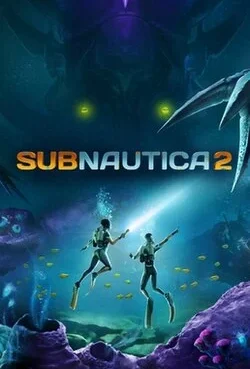
In this instance, the founders of Unknown Worlds—including CEO Edward Gill—were eligible for an earnout totaling $250 million, contingent upon the successful development and launch of Subnautica 2. However, as the milestone approached, the relationship between the studio and its parent company soured.
The lawsuit alleges that Krafton leadership, seeking to avoid the massive $250 million payout, attempted to "fire their way out of the contract." By dismissing the founders "for cause," Krafton theoretically would have been absolved of its obligation to fulfill the earnout. The founders countered by suing for breach of contract, claiming their dismissal was a bad-faith maneuver designed specifically to impair their ability to meet the earnout conditions.
II. Chronology of a Fractured Acquisition
To understand the gravity of the current legal standing, one must look at the timeline of the partnership between Krafton and Unknown Worlds.
2021: The Acquisition
Krafton acquired Unknown Worlds for an initial $500 million, with the potential for another $250 million in earnouts. At the time, the deal was lauded as a win for both parties. Krafton gained a premier Western IP to diversify its portfolio beyond PUBG, while Unknown Worlds secured the resources of a global giant while ostensibly maintaining "creative independence."
2023–2025: The Development of Subnautica 2
As development on the highly anticipated sequel progressed, internal tensions reportedly began to simmer. Earnout structures often create friction: the developers want to spend more to ensure a perfect product, while the parent company may look for ways to minimize costs or manipulate the timing of the release to influence the payout window.
Late 2025: The "Ouster"
In a shocking move, Krafton terminated the founders of Unknown Worlds, including CEO Edward Gill. Krafton claimed the dismissals were "for cause," a legal distinction that usually implies gross negligence, illegal activity, or a direct breach of duty. This move effectively locked the founders out of the studio they built and, crucially, disconnected them from the Subnautica 2 development cycle—the very project their $250 million bonus was tied to.
Early 2026: The Legal Counter-Strike
The founders filed suit in Delaware, seeking immediate reinstatement and the protection of their earnout rights. They argued that Krafton’s "for cause" claims were fabricated pretexts intended to sabotage the contract.
March 17, 2026: The Phase One Ruling
The Delaware judge issued a blistering preliminary ruling. The court concluded that Krafton had indeed breached the contract by firing the employees. The judge ordered the immediate reinstatement of Edward Gill as CEO and extended the earnout timeline to compensate for the time lost during his "ouster."
III. Supporting Data and Discovery Highlights
The discovery process, shared in part by industry figures like Rami Ismail, has provided a rare, unvarnished look at the internal mechanics of a multi-million dollar gaming dispute. The documents suggest a calculated effort by Krafton to manipulate the studio’s leadership structure to its financial advantage.
Key Findings from the Court:
- Contractual Breach: The judge found that the "for cause" termination did not meet the rigorous legal standards required by the original acquisition agreement.
- Injunctive Relief: Krafton is now legally "enjoined" (prohibited) from impeding Edward Gill’s authority over the early access launch of Subnautica 2. This is a significant victory for the founders, as it returns control of the project to the people whose financial future depends on its success.
- The "Ouster" Credit: The court ruled that the earnout clock must be "tolled" or extended. If the founders were barred from the office for six months, they essentially receive an additional six months to hit their performance targets.
Industry analysts point out that Krafton’s initial payment of $500 million was considered a fair market price in 2021. However, the $250 million earnout represented a significant "success premium." If Subnautica 2 performs as expected, the total acquisition cost would climb to $750 million—a figure Krafton seemingly grew reluctant to pay as the market softened in the mid-2020s.

IV. Official Responses and Corporate Stance
While Krafton has remained relatively tight-lipped following the phase-one loss, legal representatives for the company have previously maintained that the terminations were based on internal governance issues and "divergent strategic visions" that fell under the "for cause" umbrella.
In a brief statement following the ruling, a Krafton spokesperson noted:
"While we respect the court’s preliminary findings, we remain committed to protecting the interests of our shareholders and the long-term health of the Subnautica IP. We look forward to presenting further evidence in the second phase of this litigation."
Conversely, the founders’ legal team characterized the ruling as a vindication of creative rights.
"This is a victory for every developer who has been promised independence in exchange for their life’s work," said a representative for the founders. "The court saw through the attempt to weaponize employment law to avoid a debt."
The gaming community and industry peers have largely sided with Unknown Worlds. The sentiment among developers on platforms like LinkedIn and X (formerly Twitter) suggests that Krafton’s actions have caused significant reputational damage, potentially making other independent studios wary of future acquisition offers from the publisher.
V. Implications for the Gaming Industry
The fallout of Krafton v. Unknown Worlds extends far beyond a single $250 million check. It serves as a cautionary tale for the entire industry.
1. The Future of Subnautica 2
With Edward Gill reinstated, the focus returns to the game itself. However, the atmosphere at the studio is likely fraught. Managing a team after the parent company tried to fire the leadership creates a "lame duck" or "hostile" environment that could impact the game’s quality or release schedule. The judge’s order specifically protecting Gill’s authority over the Early Access launch is a necessary but unusual intervention in corporate management.
2. A Precedent for "Earnout Sabotage"
This case will likely be cited in future M&A disputes. It reinforces the idea that parent companies cannot use administrative or employment-related maneuvers to circumvent financial obligations in an acquisition. If a company agrees to an earnout, they must allow the sellers a fair, unhindered opportunity to achieve it.
3. Trust in M&A
For years, Krafton and other giants like Embracer Group, Sony, and Microsoft have been on buying sprees. The "Unknown Worlds incident" highlights the risk of these deals. Founders often stay on post-acquisition because they believe in the earnout potential. If the industry perceives that parent companies will "weasel out" of these deals, founders may start demanding higher upfront payments, making acquisitions more expensive and riskier for buyers.
4. Phase Two: The Damages
The battle is far from over. The judge noted that "whether Krafton’s actions wrongfully impaired the earnout, and whether any resulting money damages are owed, are reserved for the second phase of this litigation." This means the court will next determine if Krafton’s interference has already damaged the game’s potential. If the delay caused by the ouster resulted in lost revenue or missed market windows, Krafton could be on the hook for even more than the original $250 million.
Conclusion: A Messy Road Ahead
As it stands, Krafton emerges from this first phase looking like a "regretful buyer" who attempted to use legal loopholes to fix a perceived overpayment. For the makers of Subnautica, the victory is significant but bittersweet. While they have regained their positions and their authority, they remain tethered to a parent company with whom they have been in open legal warfare.
The gaming world will be watching the Early Access launch of Subnautica 2 with intense scrutiny. It is no longer just a sequel to a beloved survival game; it is now a $250 million litmus test for the integrity of corporate contracts in the digital age. For Nicholas Lovell and other industry observers, the lesson is clear: earnouts only work when both parties act in good faith. When that trust breaks down, the results are messy, expensive, and played out in the cold light of a courtroom.