Embracing Tranquility: The Ascendant Trend of Cozy Tabletop Role-Playing Games
FOR IMMEDIATE RELEASE
July 16, 2026 – While the tabletop role-playing game (TTRPG) landscape has long been synonymous with high-stakes combat, epic quests, and the constant threat of monstrous encounters, a burgeoning movement is steadily reshaping player expectations. A new wave of TTRPGs is inviting participants to trade their battle axes for baking ingredients, their dungeon crawls for cozy inn stays, and their world-saving missions for community building and quiet exploration. This shift towards "cozy fantasy" and low-stakes narratives offers a refreshing alternative, prioritizing whimsy, emotional connection, and a sense of belonging over adrenaline-fueled conflict.
This emerging genre caters to a growing desire for experiences that are less about winning and more about journeying, less about power fantasies and more about gentle narratives. These games cultivate environments where helping a friend solve a problem, sharing a good meal, or uncovering a local mystery can be the most rewarding adventures of all.

The Evolving Landscape of Tabletop Role-Playing
Historically, TTRPGs have been dominated by systems like Dungeons & Dragons, which, while offering immense narrative breadth, often place combat and strategic encounters at their core. For decades, the archetypal TTRPG session involved players battling formidable foes, delving into dangerous dungeons, and striving to overcome overwhelming odds through strength, magic, and tactical prowess. This model has captivated millions, fostering a vibrant community built around heroism and epic challenges.
However, the past few years, particularly accelerated by global events that fostered a collective craving for comfort and connection, have seen a significant diversification in player preferences. Many enthusiasts have begun seeking experiences that offer a different kind of engagement – one that emphasizes collaboration, personal storytelling, and the simple joys of interaction. The rise of narrative-focused games, solo RPGs, and titles that explore slice-of-life themes reflects a broader cultural embrace of mindfulness, relaxation, and emotional well-being in leisure activities. "Cozy TTRPGs" are a direct response to this demand, offering a sanctuary where players can unwind, explore creativity without intense pressure, and build stories centered on warmth, charm, and everyday magic. They provide a vital counterpoint to the often-stressful realities of modern life, allowing players to inhabit worlds where kindness often triumphs over conflict and simple pleasures are celebrated.
Spotlight on Comfort: Key Cozy TTRPGs Shaping the Trend
Several titles stand out as prime examples of this burgeoning genre, each offering a unique flavor of comfort and gentle adventure. These games demonstrate the versatility and depth possible within a "cozy" framework, proving that compelling narratives don’t always require a dragon at the gate.

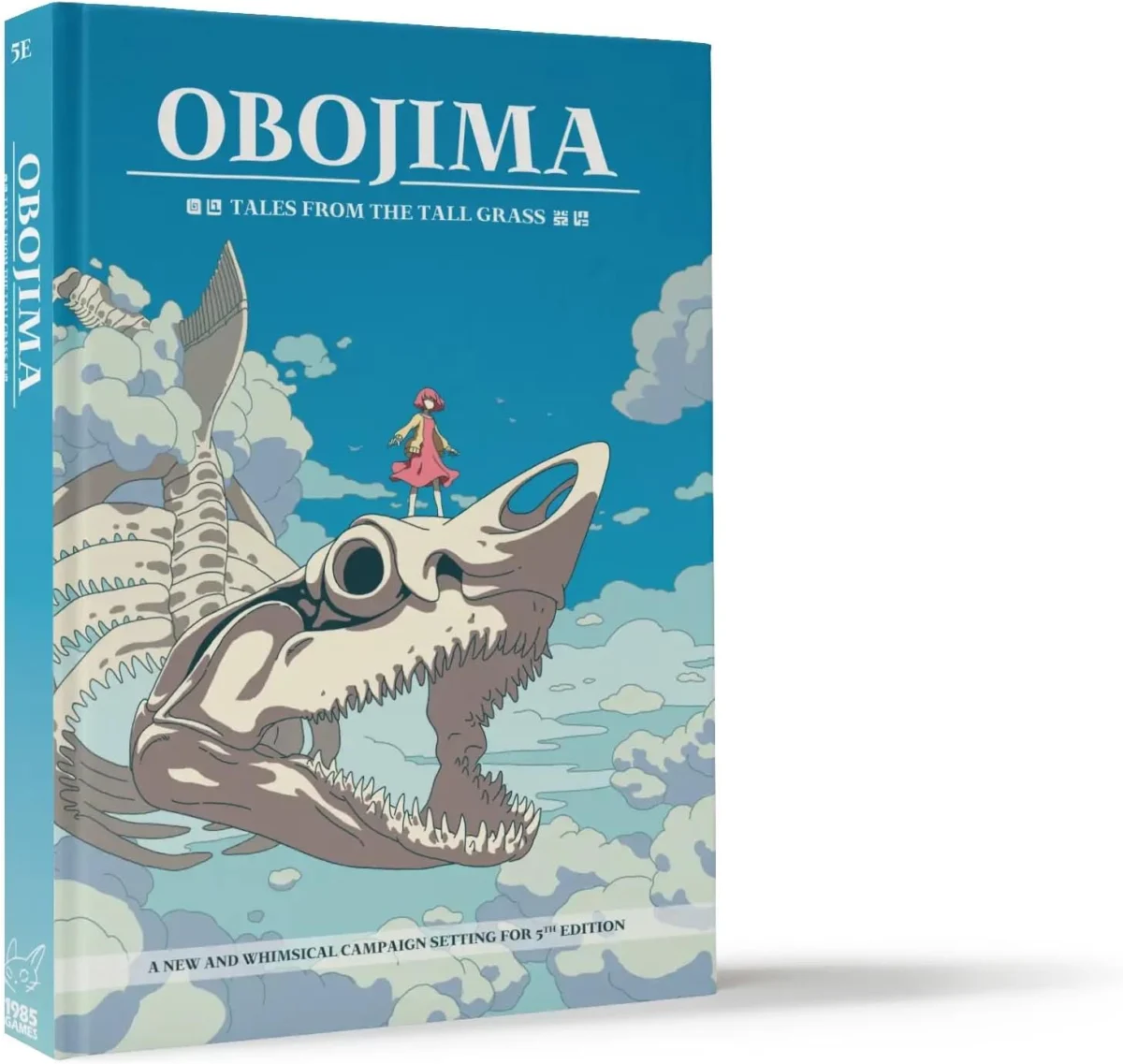
Obojima: Tales From The Tall Grass
Obojima emerges as a quintessential "cozy" experience, drawing profound inspiration from the enchanting worlds of Studio Ghibli and the beloved Legend of Zelda series. This TTRPG eschews traditional combat-heavy mechanics in favor of a focus on exploration, discovery, and meaningful interpersonal connections.
- Inspiration and Core Concept: The creators of Obojima have masterfully distilled the essence of Ghibli’s whimsical animation and Zelda’s sense of wonder. The game invites players into a leisure fantasy setting, where the island itself is a character, brimming with secrets, spirits, and vibrant ecosystems. The premise, "Explore an island full of whimsy, mystery, and possibility! Meet spirits, uncover the secrets of the ominous Corruption spreading across the island, and eat some good ramen!" perfectly encapsulates its gentle adventurous spirit. The "ominous Corruption" serves not as a direct combat threat, but often as a narrative hook for community problem-solving or mystical encounters.
- Gameplay Experience: A typical session in Obojima might involve helping a local spirit find a lost item, navigating a tricky social situation between villagers, or embarking on a journey to discover a rare ingredient for a communal feast. Combat, if it occurs, is usually framed as a last resort, or a puzzle to be solved through ingenuity and empathy rather than brute force. The game emphasizes collaborative storytelling, where the shared experience of exploration and interaction takes precedence. Players are encouraged to immerse themselves in the rich tapestry of the island, fostering a deep appreciation for its inhabitants and its natural beauty. The emphasis on "having a really good meal" highlights the game’s dedication to sensory pleasure and the comforting rituals of daily life.
- Community Reception and Appeal: Obojima‘s appeal lies in its ability to transport players to a tranquil, magical world where the stakes are primarily social and emotional. It’s a game for those who find joy in discovery, connection, and the quiet satisfaction of a problem gently solved. Its artistic inspiration resonates deeply with players seeking nostalgic charm and a sense of peaceful wonder, making it a highly anticipated title for fans of non-combative, narrative-rich TTRPGs.
The Broken Cask Society
Building upon the success of its solo predecessor, The Broken Cask, The Broken Cask Society expands the innkeeping experience into a delightful multiplayer adventure. This game pivots the traditional adventuring party’s focus from monster slaying to the pursuit of culinary and lodging excellence across a fantasy realm.
- From Solo Endeavor to Collective Comfort: The original Broken Cask offered a unique solo RPG experience, allowing players to manage their own tavern. The Broken Cask Society takes this concept and imbues it with communal spirit. Players are no longer lone proprietors but members of a distinguished society dedicated to upholding the standards of hospitality. This evolution demonstrates a clever adaptation of a successful concept to cater to shared, low-stakes enjoyment.
- The Quest for Culinary & Lodging Excellence: The core premise is refreshingly simple yet deeply engaging: "Venture across the wilds in search of the finest inns of the land." Players assume the roles of intrepid adventurers, whose primary objective is to discover, evaluate, and perhaps even improve the taverns, alehouses, and meaderies they encounter. The thrill of the game comes not from vanquishing evil, but from uncovering a hidden gem of an inn, enjoying a perfectly brewed ale, or sharing a heartwarming meal. Any "adventuring" that happens between these stops is secondary, a pleasant diversion rather than the main event.
- GM-less Design and Player Agency: A significant feature of The Broken Cask Society is its GM-less design, accommodating 1-3 (or more!) players. This empowers all participants to contribute equally to the narrative, using random tables to generate encounters, challenges, and discoveries. This collaborative storytelling method ensures that every journey is unique, focusing on character-driven experiences and the shared joy of crafting a cozy narrative. Players create characters, either from scratch or using playbooks, and trek across a fantasy world, forging their own paths to renowned (or infamous) establishments. The game celebrates the journey itself, encouraging players to savor every river forded, mountain scaled, and trail blazed in their pursuit of comfort.
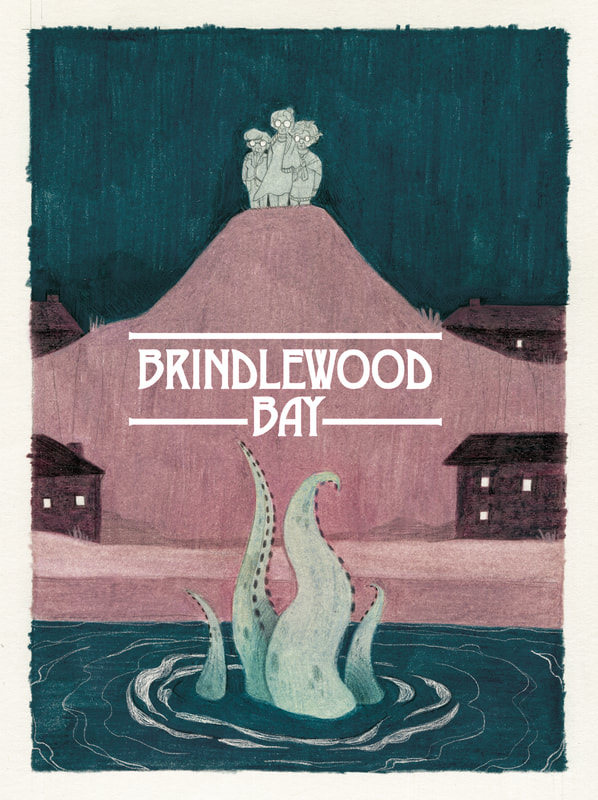
Brindlewood Bay
Brindlewood Bay offers a masterclass in genre fusion, blending the comforting familiarity of a "cozy mystery" with the unsettling undercurrents of cosmic horror. Players step into the sensible shoes of elderly women, members of the "Murder Mavens" book club, who find themselves solving crimes that often hint at something far more sinister.

- A Cozy Mystery with a Cosmic Twist: The game’s elevator pitch — "Murder, She Wrote meets HP Lovecraft" — perfectly encapsulates its unique charm. On the surface, it’s a delightful tale of amateur sleuths in a quaint New England town. The cozy aspect comes from the characters themselves: a group of retirees whose new hobby is solving local mysteries. They embody wisdom, community spirit, and a certain indomitable charm. However, beneath this comforting facade lies a creeping cosmic horror, slowly revealed as the Mavens uncover threads of a dark occult conspiracy. This duality provides a compelling narrative hook, appealing to those who enjoy a gentle pace with a hint of unsettling depth.
- Unique Player Roles and Narrative Focus: Players take on the roles of these elderly women, each with their own quirks and specializations. The game mechanics support narrative deduction and social interaction over combat. Investigations involve gathering clues, interviewing suspects, and piecing together fragmented information. The "low-prep and easy to play" nature makes it accessible to a wide audience, regardless of their prior TTRPG experience. The game empowers players to drive the narrative, making deductions and formulating theories that shape the unfolding mystery and the overarching cosmic threat.
- Accessibility and Genre Fusion: Brindlewood Bay‘s success lies in its ability to balance two seemingly disparate genres. The cozy mystery elements provide a safe and engaging framework, while the cosmic horror adds a layer of intrigue and stakes that are intellectual and psychological rather than physical. It’s a perfect choice for fans of similar genre-blending titles like Widow’s Bay, offering a fresh perspective on what TTRPGs can be.
Root: The Roleplaying Game
While Root presents a more traditional adventure structure than some other games on this list, its charm and thematic choices firmly place it within the broader "cozy adjacent" category. Based on the acclaimed Root: A Game of Woodland Might and Right board game, it translates its unique world of warring woodland creatures into a compelling TTRPG experience.
- Classic Adventure, Adorably Reimagined: Root: The RPG delivers classic adventuring tropes – exploration, faction politics, and conflict – but with a delightful twist: all characters are anthropomorphic animals. This "cuter" aesthetic immediately sets it apart, softening the edges of its underlying war narrative. Players embody "vagabonds," individual outlaws who navigate the complex political landscape of the Woodland, caught between the Marquise de Cat, the Eyrie Dynasties, and the Woodland Alliance.
- World-Building and Faction Dynamics: The game’s rich lore describes a Woodland embroiled in conflict, with various factions vying for control. Players, as vagabonds, operate outside these strict allegiances, allowing for a unique perspective and significant narrative freedom. They take on jobs, form alliances, and ultimately, can "tip the balance of the War." While combat is a definite component, it’s framed within a world of charming animals, making the stakes feel less grim and more akin to a grand fable. The game’s system, powered by the Powered by the Apocalypse engine, emphasizes narrative outcomes and character development.
- Bridging the Gap for Diverse Players: Root serves as an excellent bridge for players who enjoy the adventure and tactical elements of games like D&D but desire a lighter, more whimsical setting. The adorable character designs and engaging world-building make it approachable for a younger audience or those new to TTRPGs, while its strategic depth and narrative choices keep seasoned players engaged. It’s an adventure game with a cozy heart, proving that heroism can come in small, furry packages.
Tinyoji
Tinyoji leans fully into the "slice-of-life" aspect of cozy gaming, inviting players to inhabit a world of charming miniature creatures and celebrate the beauty of everyday moments. It is a testament to the power of small-scale narratives and gentle interactions.
- Celebrating the Everyday in a Miniature World: In Tinyoji, epic battles and complex rules are replaced by "quiet moments, gentle creativity, and heartfelt stories." Players become villagers in a quaint hamlet populated by tiny humans, mice, otters, and other delightful folk. The game’s core philosophy is to find wonder in the mundane: "tending gardens, baking bread, helping neighbors, and watching the community blossom through your care." This focus shifts the emphasis from grand achievements to the cumulative impact of small acts of kindness and contribution.
- Rules-Light Design and Emotional Depth: Tinyoji is explicitly designed as a rules-light TTRPG, making it incredibly accessible for newcomers or those seeking a truly relaxed experience. Its narrative-focused approach encourages players to explore emotional depth and character relationships. The adventures aren’t about slaying dragons, but about the nuanced interactions that define a community and the personal growth that comes from simple living. The game’s seasonal cycle further grounds the experience, reflecting the natural rhythms of life and providing a gentle progression of time.
- The Power of Small Moments: This game excels at highlighting the often-unappreciated beauty of daily routines and interpersonal connections. It’s an ideal choice for solo play or with a friend, fostering a sense of peace and contemplative storytelling. Tinyoji is for players who wish to step away from high-pressure scenarios and immerse themselves in a world where warmth, community, and the quiet joy of existence are the ultimate rewards.
Loner: Cozy Fantasy
Loner: Cozy Fantasy is a distinctive entry in the solo RPG genre, part of a larger series, that champions the spirit of gentle wandering and compassionate engagement. It offers a deeply personal and reflective experience, perfect for solitary adventurers.
- Solitary Journeys of Kindness and Magic: As the title suggests, Loner focuses on individual narratives. In this particular installment, players embody a traveling baker, a shy tea witch, or a keeper of lost things. Their journeys take them across the serene landscape of Everhollow, a world where "magic lingers in warm teacups, kindness mends what’s broken, and every small moment holds a spark of wonder." This framing immediately establishes a tone of gentle enchantment and personal discovery.
- Character Archetypes and Narrative Freedom: The chosen character archetypes—baker, witch, collector—are inherently non-confrontational and community-oriented, reinforcing the game’s core themes. Adventures unfold in "quaint villages, hidden groves, and forgotten pathways," emphasizing exploration and interaction. Challenges are not overcome with steel and sorcery, but with "wit, compassion, and a touch of gentle magic." This encourages creative problem-solving rooted in empathy and understanding. Players might help a ghost find peace, restore a magical garden, or uncover a lost recipe, all through acts of kindness and subtle enchantment.
- Mindfulness in Play: Loner: Cozy Fantasy is more than just a game; it’s an exercise in mindfulness. It encourages players to slow down, appreciate the details of their fictional world, and reflect on the impact of their actions. The solo format allows for deep introspection and a truly personalized narrative, making it an excellent tool for relaxation and creative self-expression. It offers a quiet escape, a warm embrace, and a reminder that heroism can manifest in the smallest, most heartfelt gestures.
The Broader Implications: A Paradigm Shift?
The emergence and growing popularity of cozy TTRPGs signify more than just a niche interest; they represent a significant evolutionary step in the tabletop gaming industry. This trend carries several important implications for players, designers, and the perception of TTRPGs as a whole.
Firstly, these games are demonstrably expanding the TTRPG audience. By offering experiences that do not demand extensive combat knowledge or a high tolerance for stress, they are attracting individuals who might have previously felt intimidated by the genre’s traditional image. This includes players seeking more collaborative storytelling, those who prioritize emotional engagement over tactical prowess, and even those looking for therapeutic or meditative forms of play. The lower barrier to entry, often facilitated by rules-light systems and GM-less options, makes TTRPGs accessible to a broader demographic, including families, casual gamers, and individuals new to role-playing.
Secondly, the rise of cozy TTRPGs is influencing game design philosophy. Developers are increasingly recognizing the market for diverse playstyles, moving beyond the "kill monsters, get treasure" paradigm. This encourages innovation in mechanics, narrative structures, and character archetypes. Focus shifts towards crafting compelling social systems, environmental storytelling, and mechanisms that reward empathy, creativity, and exploration. The emphasis on community, personal growth, and environmental appreciation in games like Obojima and Tinyoji reflects a conscious effort to imbue TTRPGs with positive, uplifting themes.

Finally, these games are reshaping the public perception of TTRPGs. Moving beyond stereotypes of complex rulesets and intense fantasy battles, cozy TTRPGs present a softer, more inviting image. They highlight the potential of tabletop games as tools for shared storytelling, imaginative escapism, and fostering genuine connection, whether with fellow players or through introspective solo journeys. In an increasingly fast-paced and often overwhelming world, the ability of a TTRPG to offer a sanctuary of comfort and gentle adventure is a powerful draw, positioning the hobby not just as entertainment, but as a valuable avenue for well-being and creative expression.
In conclusion, the cozy TTRPG movement is not merely a fleeting trend but a fundamental shift in how we approach and experience tabletop role-playing. As titles like Obojima, The Broken Cask Society, Brindlewood Bay, Root, Tinyoji, and Loner: Cozy Fantasy gain prominence, they underscore a universal desire for comfort, connection, and meaningful narratives that resonate on a personal, rather than purely epic, scale. This genre promises to continue enriching the diverse tapestry of TTRPGs, inviting players to find joy and adventure in the quietest, most heartwarming corners of imaginative worlds.
About the Author: Meaghan, a writer, former cosplayer, tabletop RPG enthusiast, mom, ASL student, and coffee addict, has a passion for exploring the diverse landscapes of tabletop gaming. Her insights often highlight the community and narrative aspects that make these games so compelling.