The Algorithmic Erosion of Childhood Imagination: AI’s Incursion into Children’s Literature
The digital age has ushered in an era of unprecedented technological advancement, with Artificial Intelligence at its forefront. While AI promises to revolutionize industries and enhance our lives, its rapid proliferation has also ignited concerns about its impact on creative fields and cultural integrity. This week, a stark reminder of AI’s disruptive potential emerged from the literary world, specifically concerning the burgeoning market of AI-generated children’s books. Beyond the widely reported phenomenon of Amazon reportedly destroying rare books to train its AI models, a more insidious threat is materializing: the potential erosion of childhood imagination and literacy due to a deluge of low-quality, algorithmically produced content.
The landscape of children’s literature, once a sanctuary of wonder, creativity, and educational value, is now facing an onslaught of poorly conceived and executed AI-generated books. These digital offspring of algorithms, often characterized by nonsensical narratives, inconsistent illustrations, and a general lack of artistic merit, are finding their way into physical bookstores and libraries, and worse, into the hands of unsuspecting children. Parents and artists alike are expressing alarm, fearing that this trend could have profound and lasting implications for a child’s development and their relationship with the written word and visual arts.
The Rise of the Algorithmic Storyteller: A Growing Concern
The proliferation of AI-generated content is not new. For years, online spaces have been littered with AI-written text and digitally fabricated images. However, the recent surge of these productions into tangible print, particularly within the sensitive domain of children’s literature, has triggered a significant outcry. Social media platforms have become a breeding ground for parental complaints, detailing the discovery of nonsensical children’s books in shops and libraries, and the unwelcome arrival of AI-generated storybooks featuring their own children as protagonists.
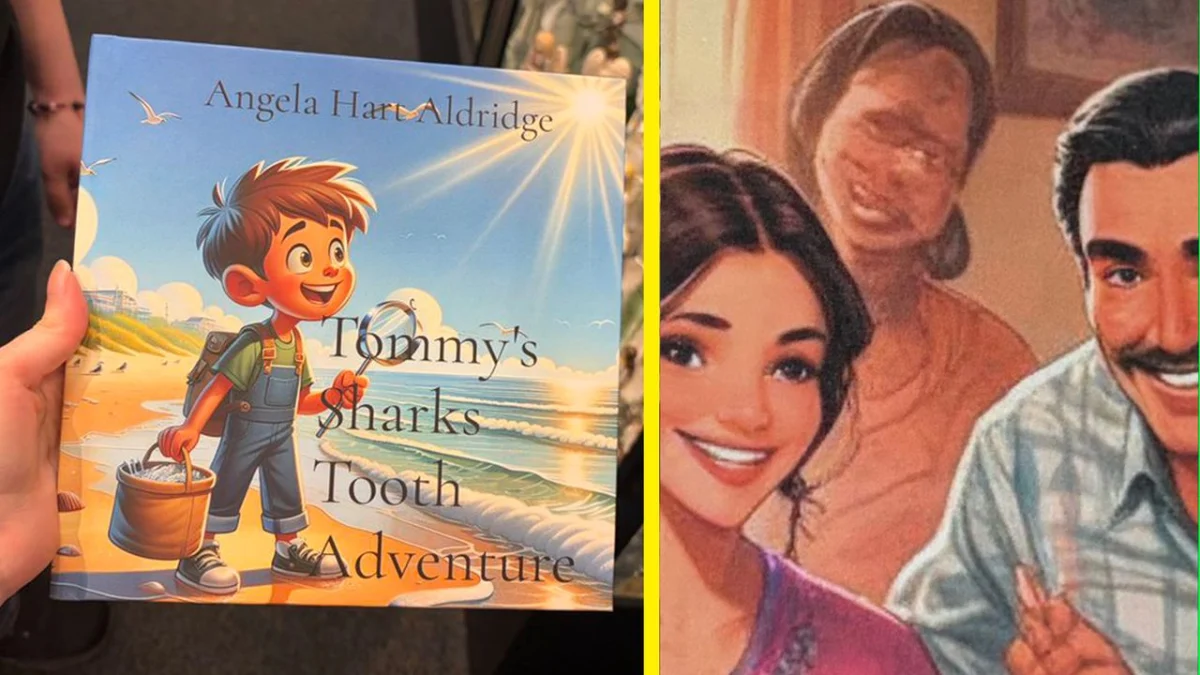
A particularly poignant example that gained viral traction involved an illustration student who shared her dismay on X (formerly Twitter) after encountering a book in a physical store that she described as "heartbreaking." The book’s text and illustrations were clearly AI-generated, exhibiting a jarring lack of cohesion. The text placement on the cover was so poorly executed that the title was barely legible. This discovery, made in a real-world retail environment, highlighted the alarming speed at which these products are entering the market, often with minimal oversight or quality control. The post resonated deeply, garnering over 60,000 likes and hundreds of comments from individuals who shared similar experiences of encountering "AI catastrophes" in children’s literature.
The sentiment echoed by many online highlighted a profound disrespect for the medium of children’s books. As one commentator aptly put it, "Picture books are not just Notes app poems with random images attached. The artwork in children’s books is integral to how educational and engaging the book is to children." This perspective underscores the crucial role that art plays in early childhood development, serving not just as decoration but as a vital tool for comprehension, emotional connection, and fostering a love for reading. An early childhood educator further emphasized the severity of the issue, stating, "This looks horrible. Besides the AI, this book would be horrible for the text alone." This dual critique – of both the AI generation process and the inherent quality of the output – points to a systemic failure in delivering valuable content to young audiences.
A Chronology of Concern: From Online Curiosities to Physical Shelf Space
While the current wave of AI-generated children’s books might seem sudden, it represents a culmination of several years of technological development and market exploration.
- Early 2020s: The advancements in generative AI, particularly in text and image creation, began to gain significant traction. Platforms like DALL-E, Midjourney, and GPT-3 demonstrated the nascent capabilities of AI to produce creative outputs.
- 2023: Google released a tool allowing users to create AI storybooks, marking a significant step towards democratizing AI-powered content creation for children’s literature. Simultaneously, companies began actively marketing AI tools that enabled users to upload personal details and photos to generate custom storybooks, which could then be ordered in print.
- Late 2023 – Early 2024: Reports began to surface on platforms like Reddit and social media detailing instances of AI-generated children’s books appearing online, often in self-publishing platforms or as unsolicited gifts. These early examples, while often of poor quality, hinted at a growing trend.
- Mid-2024: The phenomenon escalated from niche online curiosities to tangible products appearing in physical retail spaces and reputable online bookstores. Viral posts on X and other platforms showcased examples of poorly designed, nonsensical AI books being sold alongside traditional children’s literature.
- Present: The issue has gained mainstream media attention, with articles highlighting the widespread nature of the problem and its potential implications for children’s development and the creative industry. Concerns are amplified by the emergence of AI-generated children’s programming, such as Amazon’s "KPop Demon Hunters" mockbuster, suggesting a broader strategy to target children as an "easy market for AI slop."
This timeline illustrates a rapid transition from experimental AI capabilities to a commercially driven push into a sensitive and important sector of the publishing industry. The speed at which these AI-generated books are infiltrating physical spaces suggests a lack of proactive measures to ensure quality and ethical considerations.
Supporting Data: The Evidence of Algorithmic Shortcomings
The concerns raised by parents and educators are not merely anecdotal; they are substantiated by observable flaws inherent in current AI-generated children’s books. The inconsistencies and nonsensical elements reported are direct consequences of the limitations of generative AI in understanding nuanced narrative, artistic consistency, and the developmental needs of young readers.
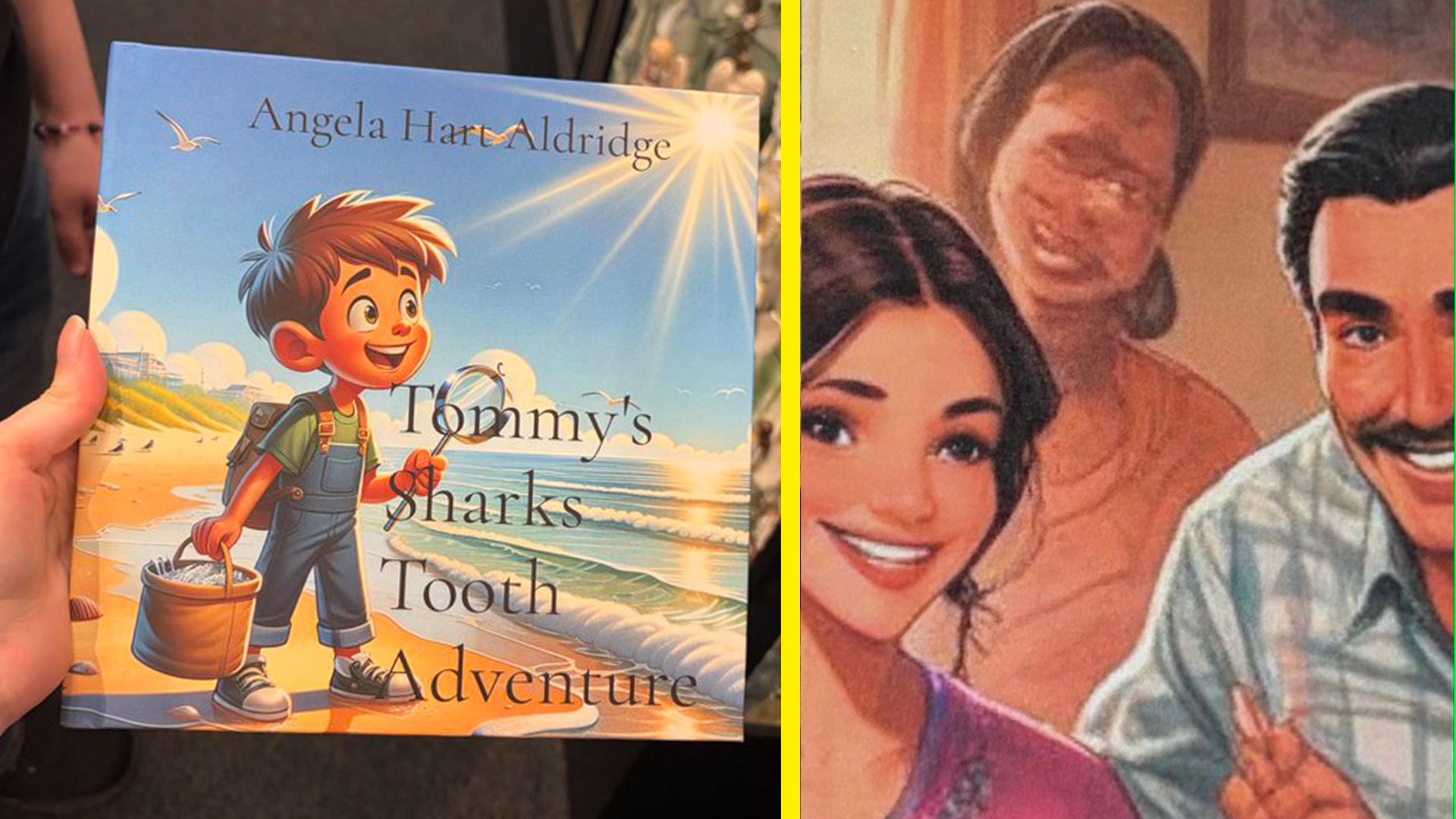
- Inconsistent Illustrations and Character Depiction: A frequently cited issue is the lack of stylistic consistency in illustrations. A character described with "sandy brown" hair on one page might be depicted with dark brown hair on another. This visual incoherence can be disorienting for children and undermines the storytelling process. AI models, while capable of generating individual images, often struggle with maintaining continuity and character identity across a series of illustrations within a single narrative.
- Nonsensical Narratives and Text Placement: The text itself often suffers from a lack of logical flow, coherence, and age-appropriateness. Sentences can be grammatically awkward, nonsensical, or even devoid of meaning. The placement of text on pages can be equally problematic, with titles becoming illegible and dialogue boxes appearing in strange or distracting locations.
- Flawed Activity Pages: AI-generated children’s activity books have also come under scrutiny for their impracticality. An example shared on X highlighted a puzzle maze with no discernible exit, rendering the activity impossible to complete. This demonstrates a fundamental misunderstanding of the purpose and design principles of educational and engaging activities for children.
- Data Transparency and Ethical Concerns: The rise of personalized AI storybooks, where children’s personal information and photos are fed into AI models, raises significant privacy and ethical questions. Many of these AI tools operate with "murky data transparency policies," meaning parents have little insight into how their children’s data is being used, stored, or potentially shared. This can lead to family tension, as illustrated by a Reddit post where a parent expressed frustration with a grandparent who was creating AI stories using their child’s identifying information, despite explicit objections.
- Lack of Emotional Depth and Engagement: Daozhi Xu, a researcher at Macquarie University who has studied the surge in AI-generated children’s books, notes a critical deficiency: these books often "lack humor, memorable characters, and dramatic tension." Children, Xu explains, are not simply drawn to having their names or images in a book; they connect with stories that are inherently interesting, engaging, and emotionally resonant. AI-generated narratives often fail to capture these essential elements.
The aggregated evidence suggests that while AI can mimic the form of a children’s book, it currently struggles to replicate the substance – the creativity, emotional intelligence, and pedagogical understanding that are vital for meaningful early learning and entertainment.
The Ethical Minefield: Grandparents, Gifts, and Data Privacy
A particularly sensitive aspect of the AI-generated children’s book phenomenon involves intergenerational gifting. Reports, such as those highlighted by Wired, detail instances of well-meaning grandparents gifting these AI-created books to their grandchildren. While the grandparents may be captivated by the novelty and personalization offered by these tools, parents often find themselves in a difficult position.
The core of the conflict lies in the data privacy implications. Many AI personalization tools lack transparency regarding how personal data, including children’s names, experiences, and photographs, is utilized. Parents who have strict policies against the use of AI-generated art or the unauthorized use of their children’s personal information find these gifts problematic. The act of creating a story based on a child’s experiences and then modeling characters to resemble them, without explicit parental consent or understanding of the underlying AI technology, can be perceived as a violation of privacy and autonomy.
The impact on the children themselves is also noteworthy. Despite the personalized nature of these books, many children are reportedly finding them unengaging. One father shared with Wired that his children were "bored" by the AI-generated stories they received. This suggests that the superficial personalization offered by AI does not substitute for genuine narrative appeal, imaginative storytelling, and the rich, often unpredictable, human element that makes children’s literature captivating.
Implications for the Future of Children’s Literature and Development
The unchecked influx of low-quality AI-generated children’s books poses a significant threat to more than just the publishing industry; it has potentially far-reaching implications for a child’s cognitive, linguistic, and emotional development.
H2: Stunting Linguistic and Cognitive Growth
Children learn about the world, language, and complex ideas through the stories they consume. Well-crafted children’s literature is a rich source of vocabulary, sentence structures, and narrative devices. Exposure to poorly written, nonsensical prose can hinder linguistic development. The nuances of language, the power of metaphor, and the joy of a well-turned phrase can be lost on children who are primarily exposed to grammatically awkward or logically incoherent text.
Furthermore, the ability to understand symbolism, infer meaning, and engage in critical thinking is honed through interaction with sophisticated narratives. AI-generated books, often characterized by their shallowness and lack of depth, may fail to stimulate these crucial cognitive skills. Children who grow up surrounded by such content might struggle to develop the interpretive abilities necessary for deeper comprehension and analytical thought.
H3: Diminishing Appreciation for Art and Creativity
The illustrations in children’s books are not merely decorative; they are integral to the storytelling process. They convey emotions, provide context, and spark the imagination. The visual inconsistency and generic nature of many AI-generated illustrations can desensitize children to the power and beauty of original art. Instead of fostering a deep appreciation for creativity, these books risk promoting a passive acceptance of mediocre visual output.
The artistic integrity of children’s literature has historically been paramount, with illustrators playing a vital role in shaping a child’s aesthetic sensibilities. A reliance on AI-generated art could devalue the work of human artists and diminish the appreciation for their unique contributions to a child’s formative experiences.
H3: The Risk of a "Good Enough" Mentality
The ease with which AI can churn out content, even if of low quality, risks fostering a "good enough" mentality within the industry. If publishers and individuals can produce books with minimal effort and cost, the incentive to invest in the craft, creativity, and thoughtfulness that defines exceptional children’s literature may wane. This could lead to a homogenization of children’s content, where originality and artistic merit are sacrificed for mass production.
H3: The Need for Vigilance and Quality Control
Addressing this growing concern requires a multi-pronged approach.
- Parental Awareness and Scrutiny: Parents need to be informed about the prevalence of AI-generated books and encouraged to critically evaluate the content they provide to their children. Reading reviews, checking author credentials, and examining the quality of both text and illustrations are crucial steps.
- Industry Responsibility: Publishers and booksellers have a responsibility to uphold quality standards. This may involve implementing stricter review processes for submissions, particularly those suspected of being AI-generated, and being transparent about the origin of their content.
- Educational Institutions’ Role: Libraries and schools, as custodians of children’s literature, can play a vital role in curating high-quality, age-appropriate, and ethically produced content. They can also serve as educational hubs, informing parents and children about the importance of genuine creativity and the potential pitfalls of AI-generated media.
- Ethical AI Development and Deployment: As AI technology continues to evolve, there is a growing need for ethical guidelines and regulations governing its use in creative industries, especially those impacting vulnerable populations like children.
The current wave of AI-generated children’s books serves as a stark warning. While generative AI offers exciting possibilities, its unbridled application in sectors that profoundly shape young minds demands careful consideration, robust oversight, and a steadfast commitment to preserving the quality, creativity, and emotional resonance that define truly valuable children’s literature. The future of childhood imagination may depend on our ability to navigate this new frontier with discernment and a deep respect for the art of storytelling.