The Sabers and Roses Ball: A Cavalier’s Interlude Amidst the Maryland Campaign
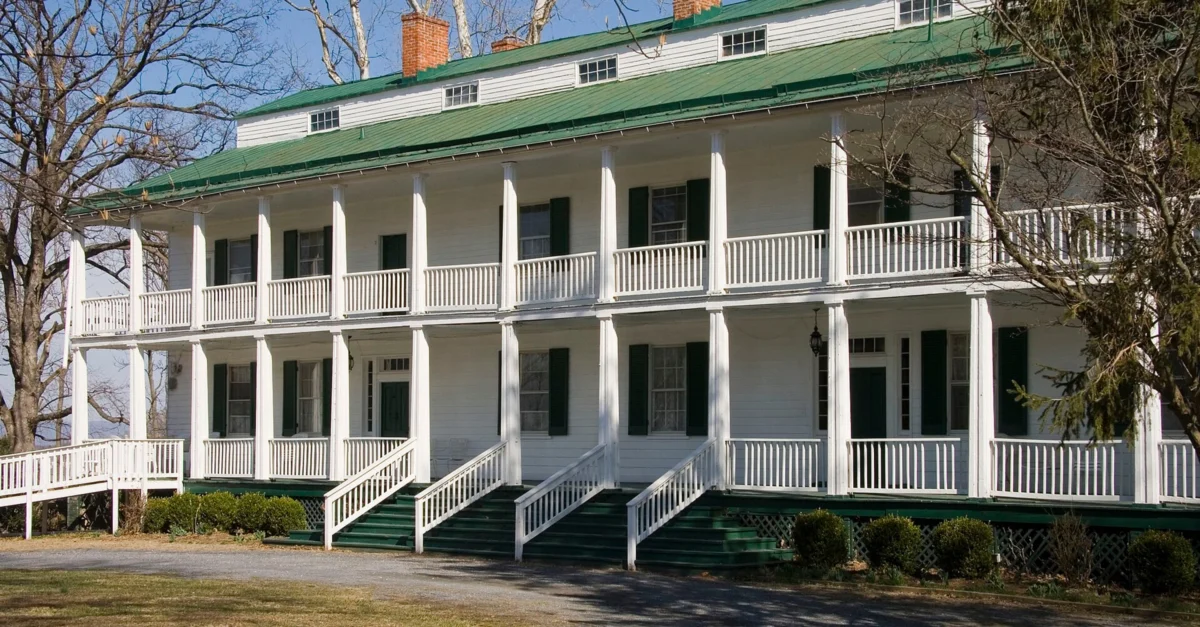
Urbana, Maryland – September 1862 – In a remarkable juxtaposition of wartime grimness and fleeting gaiety, Confederate Cavalry General J. E. B. Stuart, celebrated for his dashing persona and audacious tactics, orchestrated an impromptu grand ball at the Landon House in Urbana, Maryland, during the fraught days of the Maryland Campaign in September 1862. This extraordinary event, famously dubbed the "Sabers and Roses Ball," offered a brief, yet poignant, respite from the brutal realities of the American Civil War, only to be abruptly interrupted by the very conflict it sought to momentarily defy.
The primary account of this unique social gathering, a vivid tableau of Southern elegance clashing with military urgency, comes from the detailed memoirs of Johann Heinrich August Heros von Borcke, a Prussian cavalry officer who served with distinction under Stuart. His firsthand narrative provides an invaluable window into the personal experiences and emotional complexities of those caught in the maelstrom of America’s deadliest conflict. The ball, a testament to the human desire for normalcy and celebration even amidst the gravest circumstances, occurred less than ten days before the Battle of Antietam, casting a somber shadow over its fleeting joy.
Main Facts
A Cavalier’s Whim: General J.E.B. Stuart
James Ewell Brown "Jeb" Stuart (1833-1864) embodied the romantic ideal of the Confederate cavalier. A graduate of West Point, Stuart was renowned for his exceptional horsemanship, tactical brilliance in reconnaissance and screening, and an almost theatrical flair that endeared him to his men and the Southern public. His distinctive uniform, plumed hat, and infectious charisma made him a legendary figure. By September 1862, during General Robert E. Lee’s audacious Maryland Campaign, Stuart commanded the Confederate cavalry, playing a crucial role in gathering intelligence and protecting the flanks of the Army of Northern Virginia. It was during this period, while occupying Urbana, Maryland, that Stuart, ever the showman and bon vivant, conceived the idea of a ball. This decision, seemingly frivolous in the grand scheme of war, was perhaps a deliberate attempt to boost morale, project an image of confidence, and provide a moment of normalcy for his weary officers and the local populace.
The Landon House: A Venue Transformed
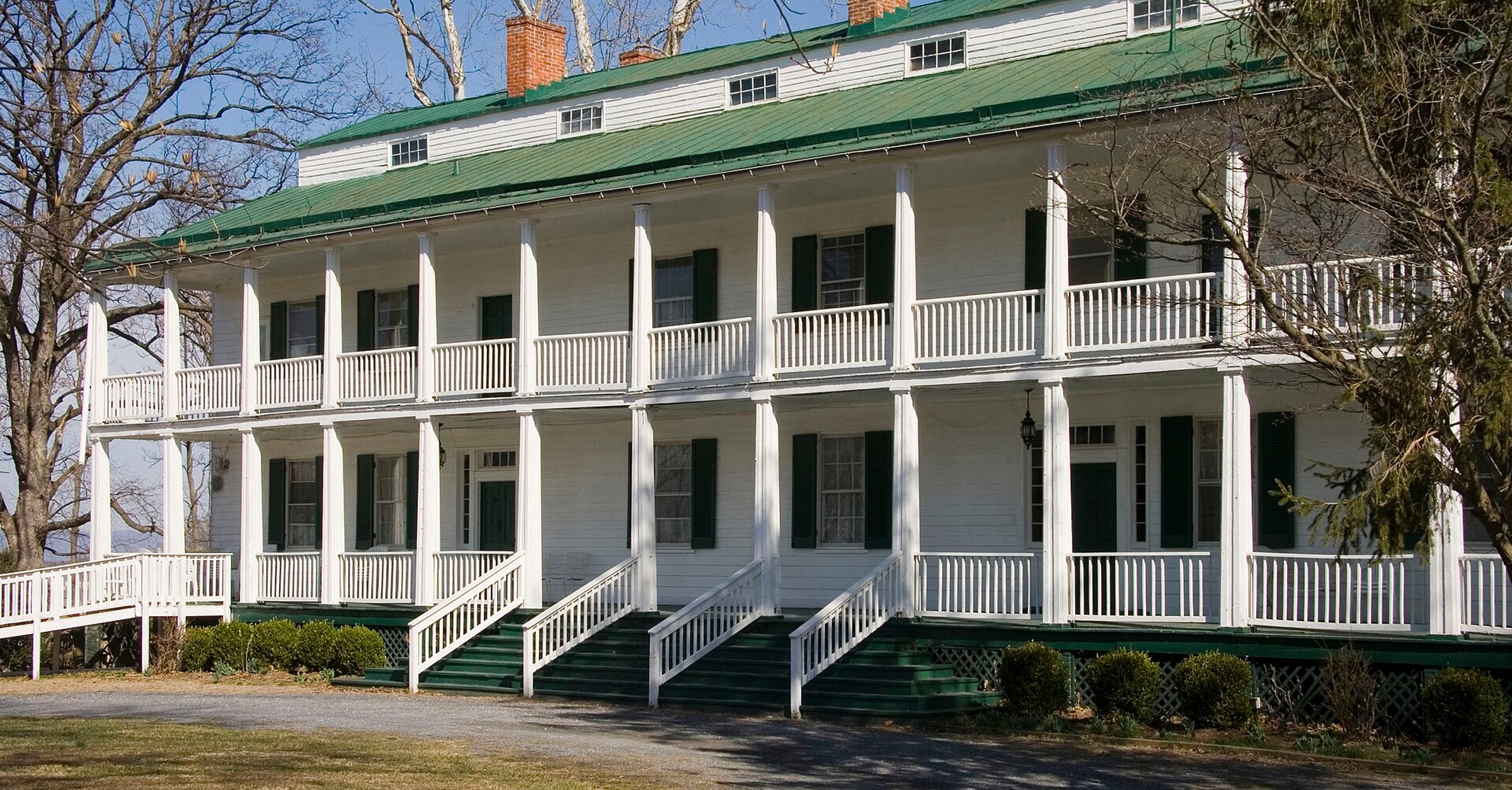
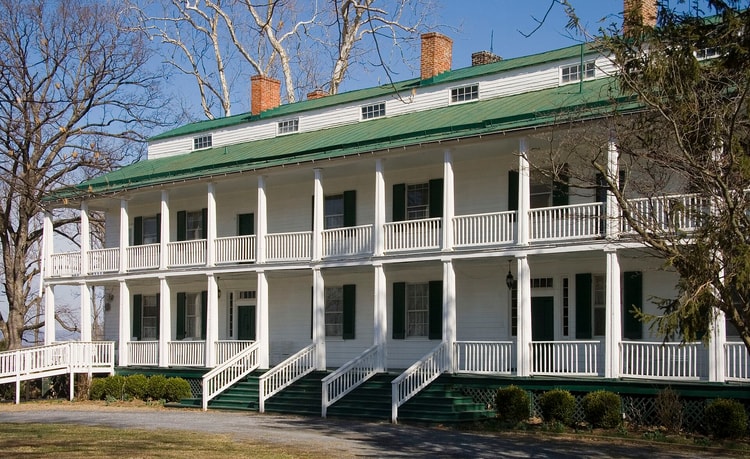
The chosen venue for Stuart’s audacious social experiment was the Landon House, a historic edifice in Urbana, Maryland. Known since the 1940s as the Stancioff House, this building boasted a rich and varied history even before the war. It had served previously as a silk mill, a schoolhouse, and notably, the site of the Landon Military Academy. When Stuart’s company discovered it, the house was deserted and somewhat dismantled, echoing with the silence of abandonment. Yet, its imposing structure, large halls, and ample verandahs, perched atop a gentle hill overlooking the village, presented a perfect, albeit unconventional, setting for a grand social event. The transformation of a former military academy into a ballroom, however temporary, underscored the surreal nature of wartime life, where civilian spaces could be appropriated and repurposed at a moment’s notice.
Heros von Borcke: The Chronicler
The detailed and evocative account of the Sabers and Roses Ball owes its existence to Heros von Borcke (1835-1895), a Prussian cavalry officer whose adventurous spirit led him to join the Confederate cause. Borcke, a towering figure of immense physical strength and a keen observer, served as a valued staff officer under Stuart. His unique perspective as a foreign volunteer, coupled with his close friendship with Stuart, allowed him unparalleled access to the inner workings and personal lives of the Confederate leadership. After surviving the war – including the engagement at the Battle of Yellow Tavern where Stuart was fatally wounded – Borcke returned to Prussia, where he continued his military career before retiring in 1867. His Memoirs of the Confederate War for Independence (1867) offers one of the most colourful and intimate portrayals of the conflict, celebrated for its vivid descriptions of daily life, major battles, and the deep bonds of camaraderie forged in the crucible of war. Borcke’s narrative of the ball is not merely a historical record but a literary piece, imbued with the romanticism and pathos of a bygone era.
Chronology of the Sabers and Roses Ball
An Evening’s Inspiration: September 7, 1862
The idea for the ball was born on the evening of September 7, 1862, following a dinner party at the home of the Cockys family in Urbana. The atmosphere was convivial, filled with "mirth and song," a stark contrast to the grim realities of the campaign. As night fell, bringing with it a "queenly and beautiful" round moon, General Stuart, ever the charmer, proposed a promenade. The party, guided by the local ladies, ascended a gentle hill to the Landon House, then an abandoned academy.
Borcke vividly recounts the scene:
"…In the agreeable conversation of these ladies, in mirth and song, the afternoon of our dinner party passed lightly and rapidly away; and then came night, queenly and beautiful, with a round moon, whose beams, penetrating the windows, suggested to our debonair commander [Stuart] a promenade, which he at once proposed, and which was carried.
Leaving to our fair friends the choice of their partners, we were guided by them to a large building, crowning the summit of a gentle hill on the edge of the village, from which a broad avenue of trees sloped downwards to the principal street.
This building had been occupied before the breaking out of the war as an academy, but now was entirely deserted and dismantled, and our footsteps echoed loudly as we walked through its wide, empty halls, once so noisy with human voices.
Each story of the house had its ample verandah running round it, and from the highest of these we had a magnificent view of the village and the surrounding country. The night was calm, the dark blue firmament was besprinkled with myriads of stars, and the moon poured over the landscape a misty, bluish light that made it all look unreal.
One might have thought it a magical scenic effect of the theater or been carried back in imagination to the Thousand and One Nights of Eastern fable, had not the campfires of our troops and the constant neighing of the horses reminded him of the realities by which he was surrounded."
It was in this atmospheric setting, amidst the dreamy sentiment evoked by the moonlit landscape, that Stuart’s impulsive nature took hold. He broke the silence with a spirited declaration: "Major, what a capital place for us to give a ball in honor of our arrival in Maryland! Don’t you think we could manage it?" The suggestion met with enthusiastic, unanimous approval, particularly from the ladies. Plans were immediately set in motion for a ball the very next evening, September 8th, with Borcke undertaking the arrangements for decoration and invitations, and Stuart promising to secure the music. The urgency of a soldier’s uncertain life dictated swift action, ensuring no delay in their celebratory plans.
Hasty Preparations and Grand Expectations: September 8, 1862
The morning of September 8th dawned with a flurry of activity at Confederate headquarters. Invitations were dispatched to all families in Urbana and its vicinity, as well as to officers of Hampton’s brigade, indicating a desire to involve both the military and the local civilian population in this grand event. The deserted halls of the Landon House, once silent, were now bustling with activity. They were aired, swept, and transformed through the festive adornment of roses and battle flags borrowed from various regiments, creating a striking blend of martial pride and romantic charm.
By seven in the evening, all preparations were complete. The broad avenue leading to the Landon House began to fill with guests, arriving according to their social standing – some on foot, others in light "rockaways," and still others in "stately family coaches" driven by dignified African American coachmen. The atmosphere was charged with anticipation. The distant sound of bugles heralded the arrival of the band of the 18th Mississippi Infantry, accompanying the regiment’s Colonel and Staff, who had been invited as a gesture of courtesy. The band’s spirited rendition of "Dixie" further ignited the celebratory mood.
Borcke, as master of ceremonies, describes the grand entrance into the "brilliantly lighted with tallow candles" hall. He planned to open the ball with a lively polka, choosing a lady from New York as his partner and "queen of the festival." However, he was met with a surprising cultural revelation: his partner gracefully declined the "round dance," explaining that in America, particularly in the South, young ladies rarely waltzed or polked with strangers, preferring reels and contre-dances. Undeterred, Borcke swiftly adapted, changing the music to a quadrille. The dancing resumed with increased vigor, the room a vibrant spectacle of "many exceedingly pretty women and its martial figures of officers in their best uniforms," creating a "most striking spectacle of gaiety and enjoyment."
The Unforeseen Interruption
The merriment, however, was abruptly shattered. In a dramatic twist that underscored the omnipresent shadow of war, an orderly, "covered with dust," burst into the hall. He reported in a loud voice to General Stuart that Union pickets had been surprised and driven in, and the Confederate camp was under attack. Simultaneously, the distinct sound of rapid gunfire carried on the "midnight air" confirmed the alarming news.
Borcke vividly captures the ensuing pandemonium:
"The excitement which followed this announcement I cannot undertake to describe. [The music stopped] and the officers rushed to their weapons and called for their horses, panic-stricken fathers and mothers endeavored in a frantic way to collect around them their bewildered children, while the young ladies ran to and fro in most admired despair."
Amidst the chaos, General Stuart’s legendary coolness and composure remained unwavering. Horses were immediately saddled, and within five minutes, Stuart and his officers were galloping towards the front lines. Upon arrival, they found the situation, as often happens in such alarms, less dire than initially reported. Colonel Baker and the 1st North Carolina regiment had already checked the Union advance. Pelham, with his artillery, quickly began to pour fire upon the enemy columns. Other regiments rapidly mounted, forming a line of battle. Stuart, with characteristic fury, ordered a general attack, and the Confederates "precipitated" themselves upon the foe. The Union forces paid dearly for their "unmannerly interruption" with casualties and prisoners, and were pursued for several miles until they were "quite out of reach" a little past midnight.
Resumption and Dawn’s Harsh Reality
By approximately one o’clock in the morning, Stuart and his men returned to the Landon House. To their surprise, many of the guests, still anxious about the conflict’s outcome, awaited their return. Determined that the "Yankees should not boast of having completely broken up our party," Stuart ordered the musicians, who had not dispersed, to strike up again. Young officers eagerly volunteered to retrieve "pretty fugitives," and within half an hour, the dancing resumed. The revelry continued until the "first glimmer of dawn," a defiant act of celebration against the backdrop of war.
However, the harsh light of morning brought with it a stark reminder of the previous night’s skirmish. Ambulances, laden with the wounded from the engagement, began slowly approaching the Landon House. The academy, being the only suitable building in Urbana, was designated a temporary hospital. At this sight, the music immediately ceased, the dancing stopped, and the "lovely partners in the quadrille at once became ‘ministering angels’ to the sufferers." The fleeting illusion of normalcy had vanished, replaced by the grim reality of casualties and the selfless compassion of the civilian women.
Supporting Data and Context
The Maryland Campaign: A Pivotal Moment
The Sabers and Roses Ball was not merely a social anomaly but occurred within the critical strategic context of the Maryland Campaign. In September 1862, following his stunning victory at the Second Battle of Manassas, General Robert E. Lee launched his first invasion of the North. His objectives were ambitious: to relieve pressure on war-torn Virginia, gather supplies, potentially influence the upcoming congressional elections, and perhaps even encourage Maryland, a border state with Southern sympathies, to join the Confederacy. A decisive victory on Union soil might also sway European powers, particularly Britain and France, to recognize Confederate independence.
J.E.B. Stuart’s cavalry played an indispensable role in this campaign, serving as Lee’s "eyes and ears," screening the army’s movements and gathering vital intelligence. Urbana, Maryland, situated along the Confederate line of march, became a temporary encampment for Stuart’s forces. The daring nature of Lee’s invasion, combined with the strategic importance of cavalry operations, underscored the high stakes of the period. The ball, therefore, took place at a moment when the fate of the Confederacy seemed to hang in the balance, adding another layer of irony and pathos to its narrative.
Wartime Social Customs and Borcke’s Observations
Borcke’s memoirs offer fascinating insights into the social customs of the American South during the Civil War. His surprise at the etiquette surrounding "round dances" (polkas and waltzes) versus "reels and contre-dances" highlights the cultural differences he encountered as a European. In many parts of 19th-century America, particularly in conservative Southern society, waltzing and polking were considered intimate dances, often reserved for close family members or fiancés. Dancing with strangers, especially in the close embrace required by these dances, was often deemed inappropriate for unmarried ladies. This detail, seemingly minor, illustrates Borcke’s immersion into a new culture and the nuances of social interaction that persisted even amidst the upheaval of war. The eagerness of both soldiers and civilians to partake in such a grand event, despite the conflict, speaks to the resilience of human spirit and the desire to maintain some semblance of pre-war life.
The "numerous invited and uninvited guests" mentioned by Borcke, along with the description of the "crowded room," raises questions about the actual capacity of Landon House’s ballroom. Contemporary visitors to the house often note that the ballroom, while stately, is not of the grand proportions typically depicted in Civil War-era films or novels. This discrepancy suggests either a romanticized exaggeration on Borcke’s part, or a testament to the sheer determination of the community to participate, cramming themselves into the available space, underscoring the communal desire for diversion.
The Reality of Combat: Picket Skirmishes and Cavalry Engagements
The "unmannerly interruption" of the ball by Union forces was a common occurrence during the Maryland Campaign. Picket lines, established to provide early warning of enemy movements, were constantly tested by skirmishes and probes. Such engagements, while often smaller in scale than major battles, were nonetheless dangerous and essential for both sides. Stuart’s cavalry, specifically, was frequently engaged in such actions, protecting the army’s flanks and rear, and conducting reconnaissance.
The swiftness of the Confederate response, with officers rushing to their horses and forming a line of battle, demonstrates the constant state of readiness required of Civil War soldiers. Pelham’s quick deployment of artillery also highlights the coordinated nature of cavalry-artillery operations, a specialty of Stuart’s command. The "great rage and fury" with which the Confederates counter-attacked reflects not only military discipline but also the personal indignation at having their rare moment of leisure disturbed. The loss of "many killed and wounded, and a considerable number of prisoners" for the Union forces underscores the deadly serious nature of even these "interruptions."
Landon House Today: A Preserved Legacy
Today, the Landon House stands as a tangible link to this unique historical event. Privately owned, it has been meticulously restored to its 19th-century grandeur, albeit with modern amenities. Beyond its architectural beauty, the house holds a more intimate connection to the Civil War: its walls bear the preserved caricatures, drawings, and signatures of both Confederate and Union soldiers who occupied the property at various times during the conflict. These markings, especially those within the ballroom, serve as poignant, direct messages from the past, silent witnesses to the lives, thoughts, and momentary diversions of men caught in the throes of war. The fact that the house now hosts weddings and other celebratory events ensures that its legacy as a place of gathering and occasional revelry continues, connecting present-day celebrations with the echoes of that extraordinary night in 1862.
Official Responses and Interpretations
Leadership and Morale in Wartime
General Stuart’s decision to host the Sabers and Roses Ball can be interpreted as a deliberate act of leadership aimed at boosting morale. In the midst of a demanding and dangerous campaign, providing an opportunity for officers and men to momentarily forget their hardships, engage in social interaction, and experience a touch of normalcy could rejuvenate spirits. Stuart’s own "accustomed coolness and composure" during the Union attack, and his swift, decisive action, would have further solidified his reputation as a capable and inspiring commander, reinforcing trust and confidence among his troops. The immediate resumption of the ball after the skirmish, driven by Stuart’s order, was a powerful symbolic act – a refusal to let the enemy completely dictate their lives or dampen their spirits. It was a subtle, yet effective, form of psychological warfare against the grind of conflict.
The Human Element Amidst Conflict
The Sabers and Roses Ball highlights the profound human need for connection, joy, and respite, even under the most extreme conditions. For the officers and local civilians, it was a chance to momentarily shed the burden of war, to dance, laugh, and interact in a way that had become increasingly rare. The descriptions of "panic-stricken fathers and mothers" and "young ladies ran to and fro in most admired despair" during the attack vividly portray the fear and vulnerability of the civilian population. Yet, the quick transformation of dancing partners into "ministering angels" for the wounded demonstrates the resilience, compassion, and adaptability of the human spirit. It underscores how civilians, particularly women, were often thrust into roles of care and support, blurring the lines between social life and wartime necessity.
Borcke’s Memoirs: A Unique Lens
Heros von Borcke’s Memoirs of the Confederate War for Independence stands as a unique and invaluable historical document. As a European observer, he brought an outsider’s perspective to the American conflict, often noting cultural nuances that native chroniclers might have overlooked. His romantic prose, while perhaps embellishing certain details (like the size of the ballroom), captures the emotional tenor of the period and the personality of figures like Stuart with remarkable clarity. Borcke’s work is not merely a recounting of battles but a rich tapestry of daily life, personal friendships, and the shared experiences of soldiers. His account of the ball, in particular, offers a rare glimpse into the social fabric of the Confederacy, showcasing its attempts to maintain cultural norms and morale despite the overwhelming pressures of war. The memoirs’ continued relevance lies in their ability to humanize the conflict, making the figures and events of the Civil War accessible and relatable to modern readers.
Broader Implications and Legacy
The Shadow of Antietam
The most poignant and enduring implication of the Sabers and Roses Ball lies in its temporal proximity to one of the Civil War’s bloodiest engagements: the Battle of Antietam (or Sharpsburg), fought on September 17, 1862, less than ten days after the ball. Antietam remains the single bloodiest day in American military history, with an estimated 22,720 casualties (dead, wounded, or missing) in just 12 hours. J. E. B. Stuart’s cavalry regiment, along with many of the officers and men who danced at Landon House, undoubtedly participated in this horrific battle.
The contrast is stark and deeply moving: the fleeting joy and defiant revelry of the ball quickly gave way to unimaginable carnage. It is almost certain that many of the young men who whirled across the ballroom floor that night would, within days, lie dead or grievously wounded on the fields of Antietam. This grim reality imbues the Sabers and Roses Ball with a profound sense of tragic irony, transforming it from a mere historical anecdote into a powerful symbol of the innocence lost and the immense human cost of the Civil War. It serves as a stark reminder of the fragile line between life and death that soldiers walked daily.
A Symbol of Fleeting Normalcy
The Sabers and Roses Ball has become a symbolic event in Civil War history. It represents the desperate human attempt to reclaim a semblance of normalcy and civility amidst the chaos and brutality of war. For a few precious hours, the officers, soldiers, and civilians of Urbana were able to forget the conflict, to dance, to flirt, and to socialize as they might have in peacetime. The ball was a "break from hostilities," a return to familiar communal rituals that offered psychological solace and a temporary escape from the constant threat of violence.
This pursuit of normalcy, however brief and fragile, underscores a universal aspect of human experience in times of crisis: the enduring need for beauty, connection, and joy. The image of Confederate officers in their finest uniforms, surrounded by local ladies, engaging in polite society, only to be called to arms at a moment’s notice, captures the dramatic tension and emotional complexity of the era.
Enduring Resonance in History
The story of the Sabers and Roses Ball continues to resonate today, not just in local Maryland history but within the broader narrative of the Civil War. It offers a counter-narrative to the often-monochromatic portrayal of war, reminding us that even amidst the largest conflicts, individual lives and experiences were rich with complexity, defiance, and a yearning for peace. The preserved caricatures and signatures on the walls of Landon House serve as tangible evidence of these personal stories, connecting past and present.
The legacy of the ball is a testament to the resilience of the human spirit, the magnetism of charismatic leadership, and the enduring power of memory. It reminds us that history is not just about grand battles and political decisions, but also about the small, intimate moments that illuminate the human condition. The Sabers and Roses Ball stands as a vivid, bittersweet footnote in the annals of the American Civil War, a moment where the clang of sabers was briefly, beautifully, harmonized with the rustle of roses, before the grim reality of conflict reasserted its inescapable presence.
Author’s Note: Grateful acknowledgment to Ms. Carleen Busick for the inspiration for this article, and to Heros von Borcke for his invaluable historical account.