The Shadow of the Classics: Rediscovering the Experimental Brilliance of 1970s Horror
The 1970s are widely regarded as the most transformative decade in the history of horror cinema. It was a period that dismantled the polite, stage-bound tropes of the mid-century and replaced them with a visceral, nihilistic realism that mirrored the sociopolitical anxieties of the era. While household names like The Exorcist (1973), The Texas Chain Saw Massacre (1974), and Halloween (1978) define the "Golden Age" of the genre, their monumental success often obscures a parallel history of experimental, transgressive, and deeply psychological films that were just as influential, if not more daring.
From the final gasps of the British Gothic tradition to the rise of urban "slasher" prototypes and surrealist nightmares, the 1970s offered a laboratory for filmmakers to test the limits of the medium. This report examines ten overlooked masterpieces of the decade, exploring their production context, thematic depth, and their enduring impact on the horror landscape.
Main Facts: The Decade of Transition
The 1970s horror landscape was characterized by a fundamental shift in the "source" of evil. In the 1950s and 60s, horror was often external—monsters from space or creatures from the laboratory. By the 1970s, the horror had moved inward: into the mind, the family unit, and the decaying infrastructure of modern cities.
Major studios like Hammer Film Productions and Amicus Productions, which had dominated the previous two decades with colorful Gothic revivals, found themselves struggling to compete with the raw, documentary-style grit of independent American cinema. In response, they began producing more challenging, sexually explicit, and psychologically complex works. Simultaneously, international directors brought avant-garde sensibilities to the genre, resulting in films that defied easy categorization.

The following films represent the "hidden" history of this era—works that were often marginalized by limited distribution, censorship battles, or the overwhelming shadow of the decade’s "Big Five" blockbusters.
Chronology of the Shadow: Key Films 1972–1978
1972: The Birth of Psychological Realism and Urban Dread
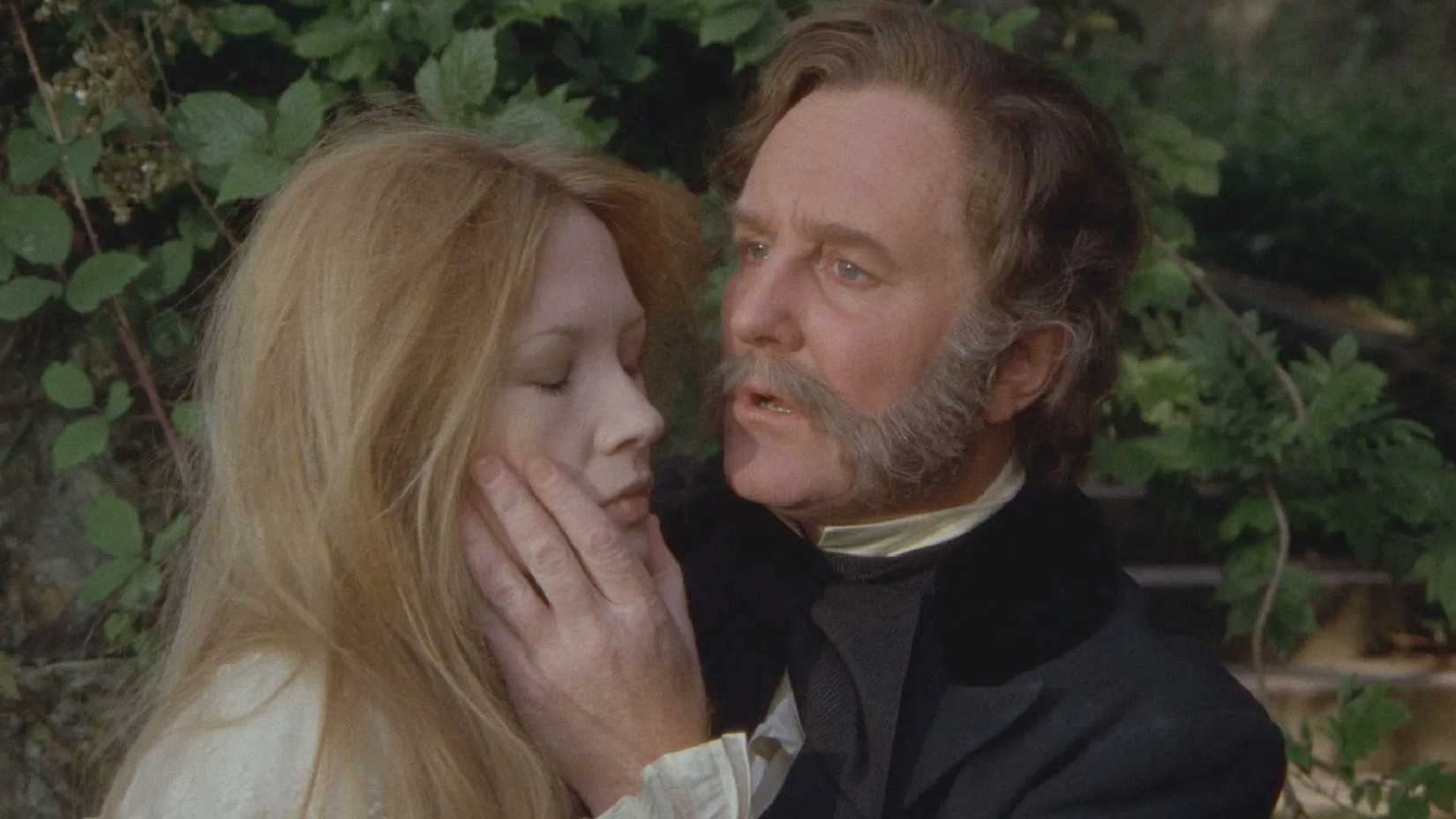
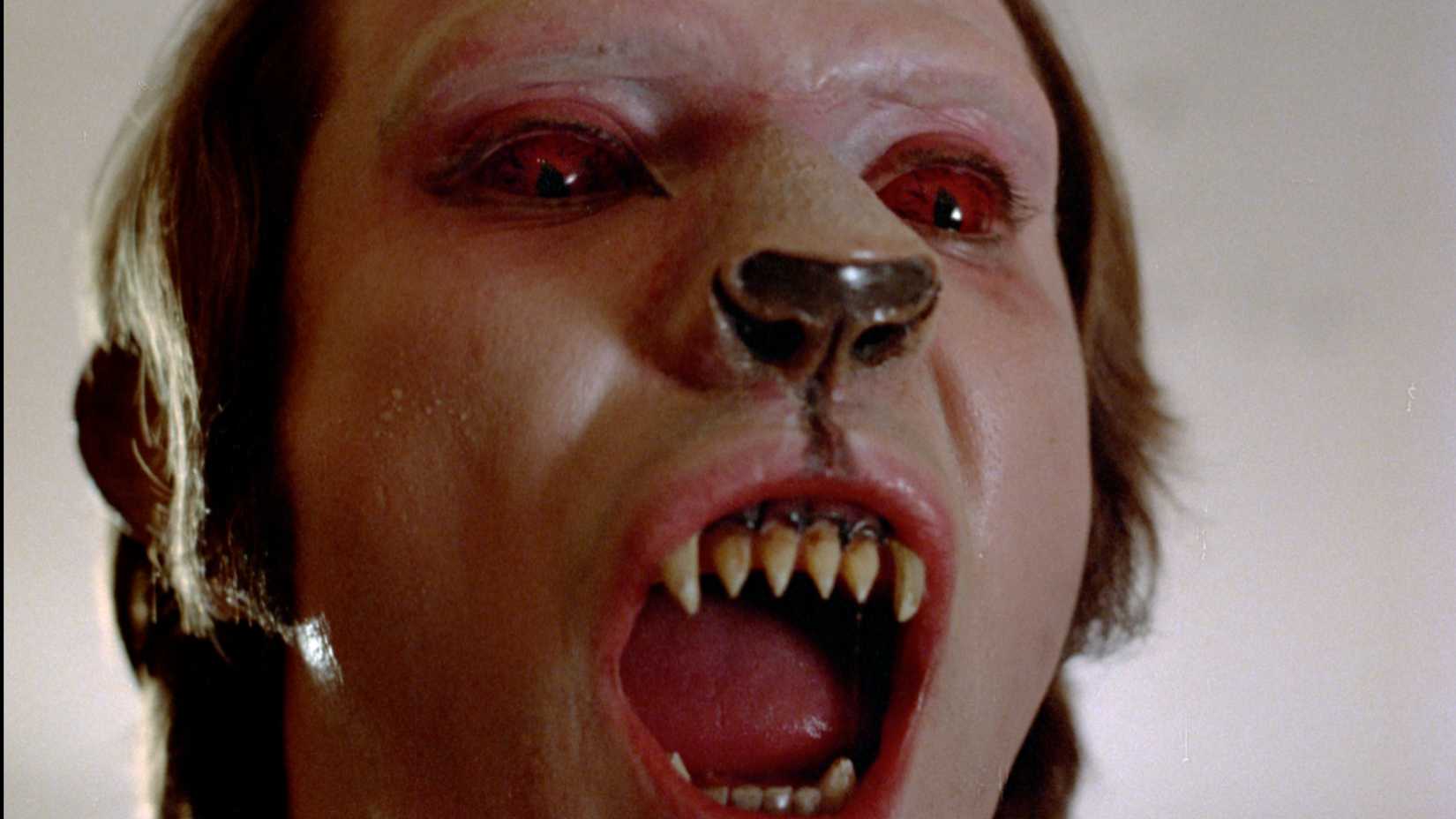
The year 1972 marked a pivot point. Hammer Films attempted to modernize its brand with "Demons of the Mind," directed by Peter Sykes. Moving away from the supernatural, the film focused on hereditary madness and incestuous trauma within an aristocratic family. It replaced the traditional vampire with the "monster" of a broken psyche, signaling a new direction for British horror.
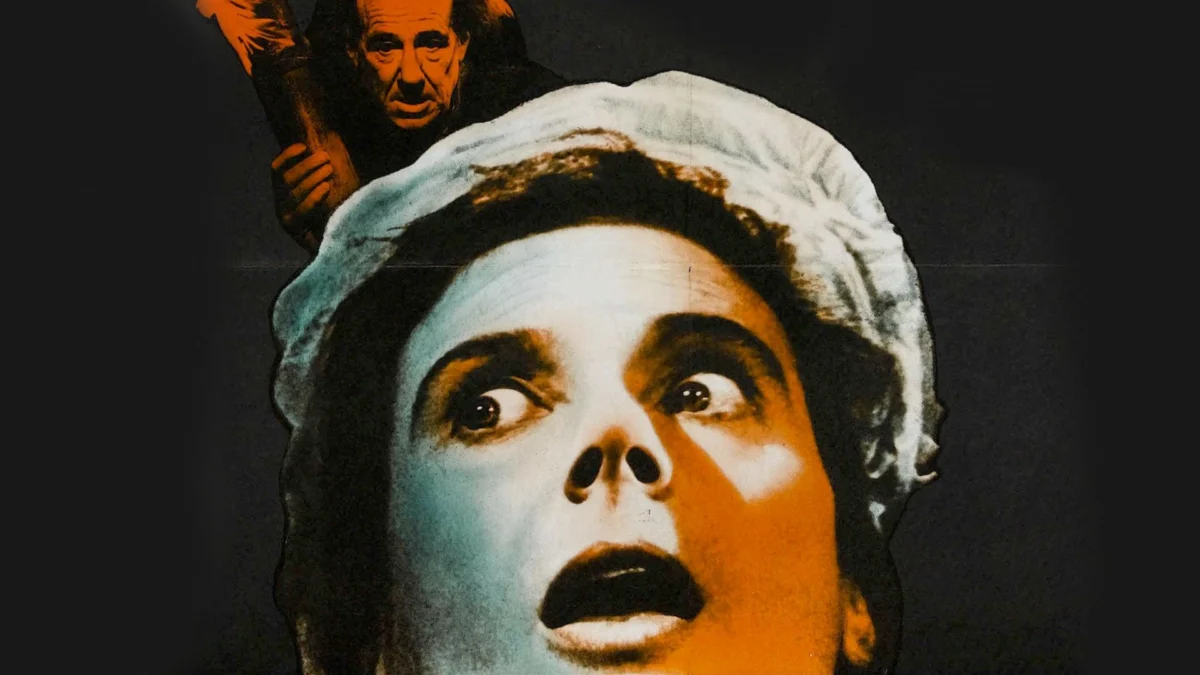
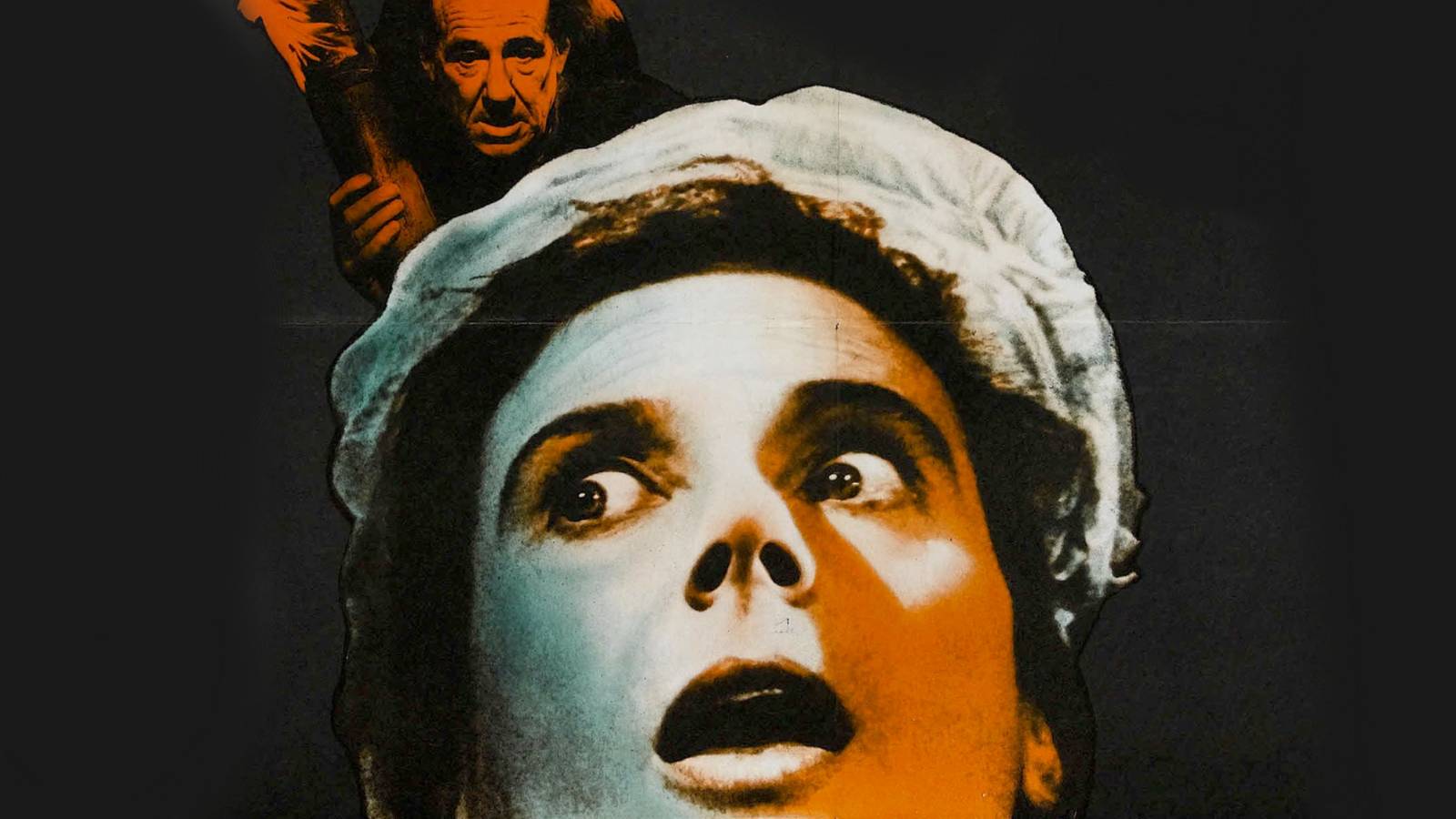
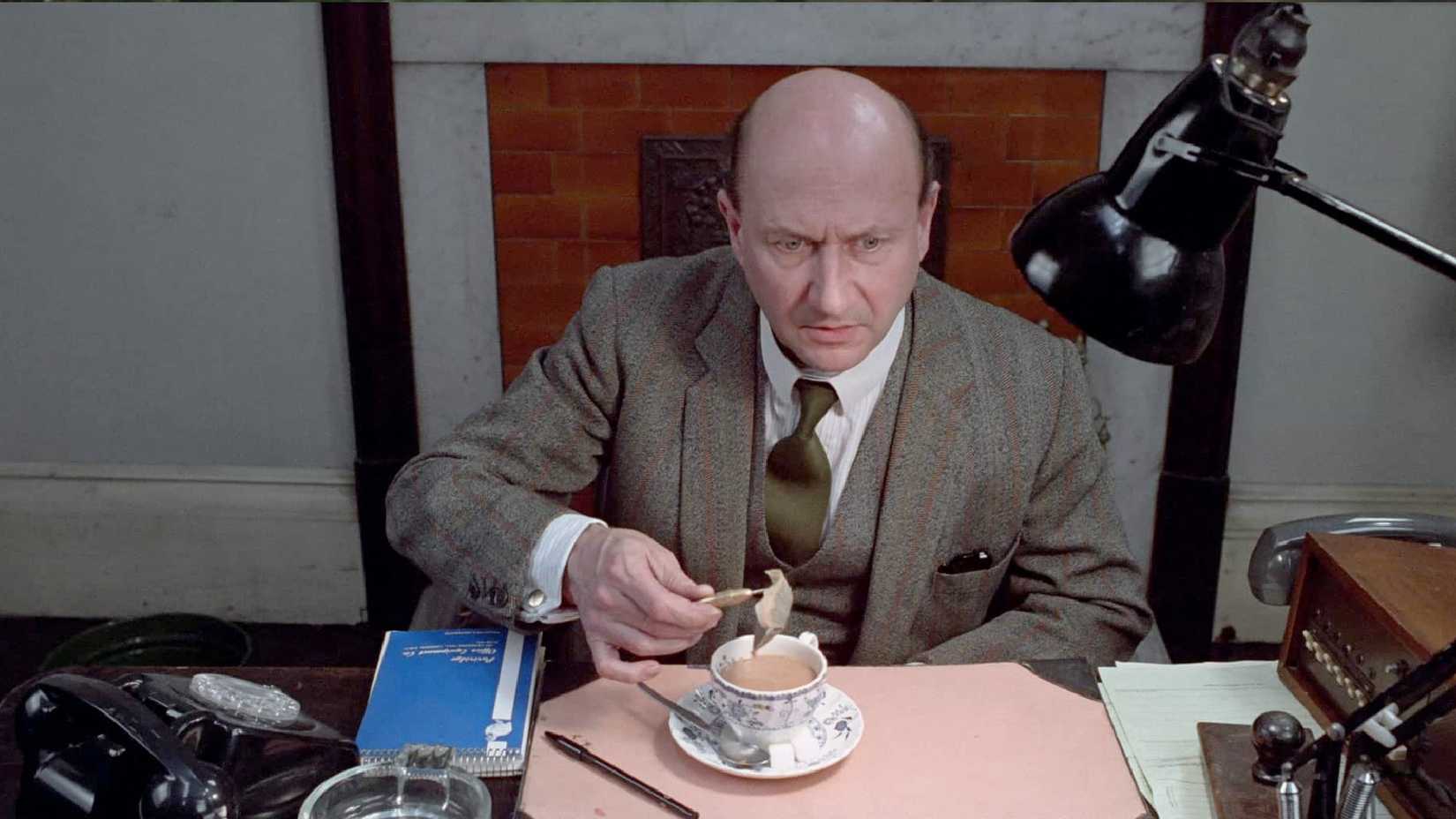
Simultaneously, Gary Sherman’s "Death Line" (released in the U.S. as Raw Meat) brought horror into the modern day. By setting a cannibalistic nightmare within the London Underground, Sherman created a claustrophobic masterpiece of urban dread. It featured Donald Pleasence in a career-defining role as a sardonic detective, but the film’s true power lay in its sympathetic portrayal of its "monster"—the last survivor of a Victorian tunnel collapse, driven to cannibalism by neglect and isolation.
1973–1974: The Final Gothic Flourish
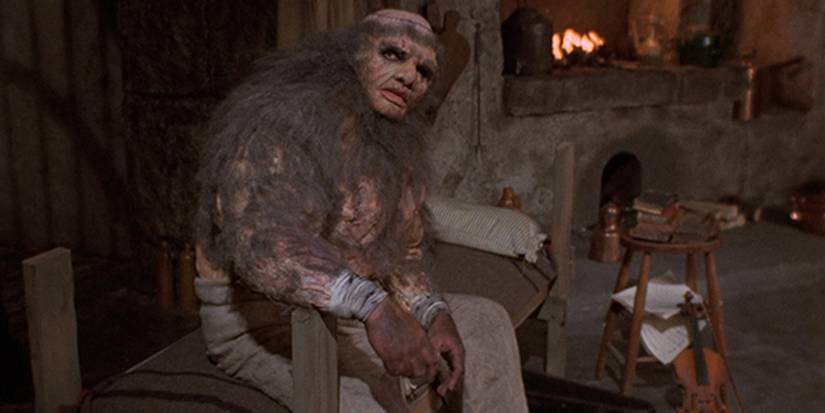
As the genre moved toward realism, the veteran titans of horror—Peter Cushing and Christopher Lee—delivered some of their most nuanced work. "The Creeping Flesh" (1973) is a standout of this period, blending Victorian science fiction with a meditation on the nature of evil. Cushing’s portrayal of a scientist who believes he has found a "vaccine" for immorality remains one of the most tragic performances in his filmography.
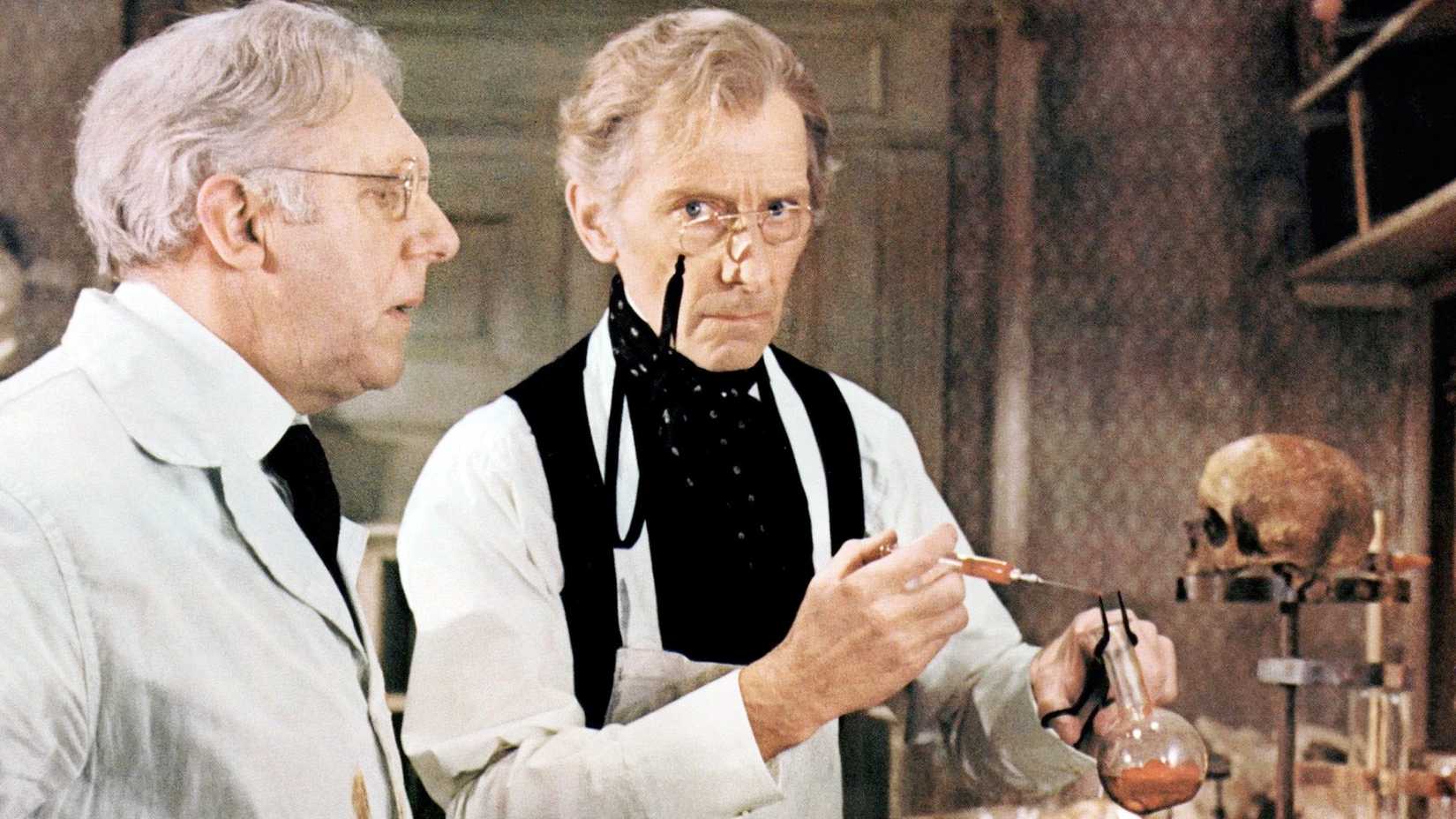
In 1974, Hammer released "Frankenstein and the Monster from Hell," the final entry in their long-running series. Directed by Terence Fisher, the film is a bleak, grimy masterpiece. Set in an asylum, it depicts Baron Frankenstein (Cushing) as a man who has completely abandoned ethics for the sake of his obsession. It was a fitting, if dark, farewell to the studio’s most iconic character.
The same year saw the release of "From Beyond the Grave," arguably the finest of the Amicus anthologies. Utilizing a cursed antique shop as its framing device, it balanced dark humor with genuine chills, anchored by a quietly menacing performance from Cushing as the shopkeeper.
1974: Transgression and Taboo
The mid-70s saw a surge in "exploitation" horror that possessed surprising artistic merit. "Vampyres" (1974), directed by José Ramón Larraz, dispensed with the capes and crosses of Dracula, presenting vampirism as a primal, predatory, and eroticized addiction. Its graphic nature led to censorship issues, but its dreamlike atmosphere has since earned it a place in the cult pantheon.
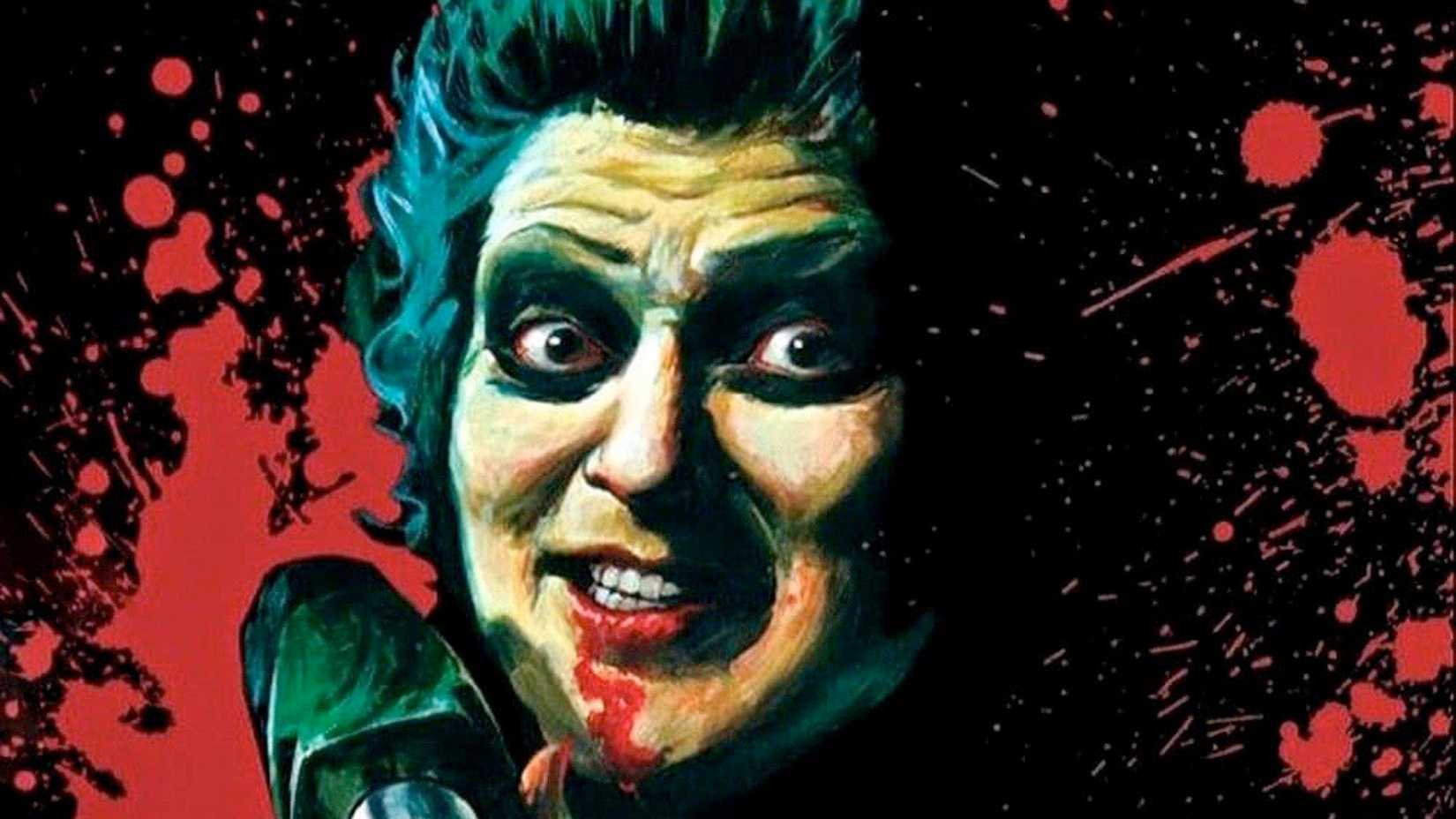
Pete Walker’s "Frightmare" (1974) pushed boundaries further by placing the horror within the elderly family unit. Sheila Keith’s performance as Dorothy, a grandmother with an insatiable hunger for human flesh, challenged the era’s perceptions of family and mental health, cementing Walker’s reputation as a provocateur of "New British Horror."
1977–1978: The Rise of the Surreal and the Supernatural
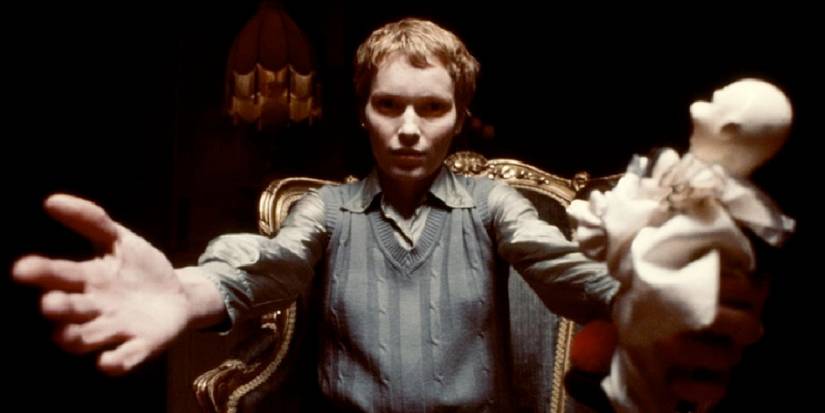
As the decade drew to a close, horror became increasingly abstract. "Full Circle" (1977) (also known as The Haunting of Julia) starred Mia Farrow in a haunting, melancholic ghost story. Eschewing jump scares for a persistent sense of grief and atmosphere, it remains one of the most sophisticated supernatural films of the era.
"Prey" (1977) offered a bizarre hybrid of science fiction and psychological thriller, focusing on an alien shape-shifter who infiltrates a secluded lesbian household. Despite its low budget, the film’s exploration of isolation and human behavior was remarkably ahead of its time.
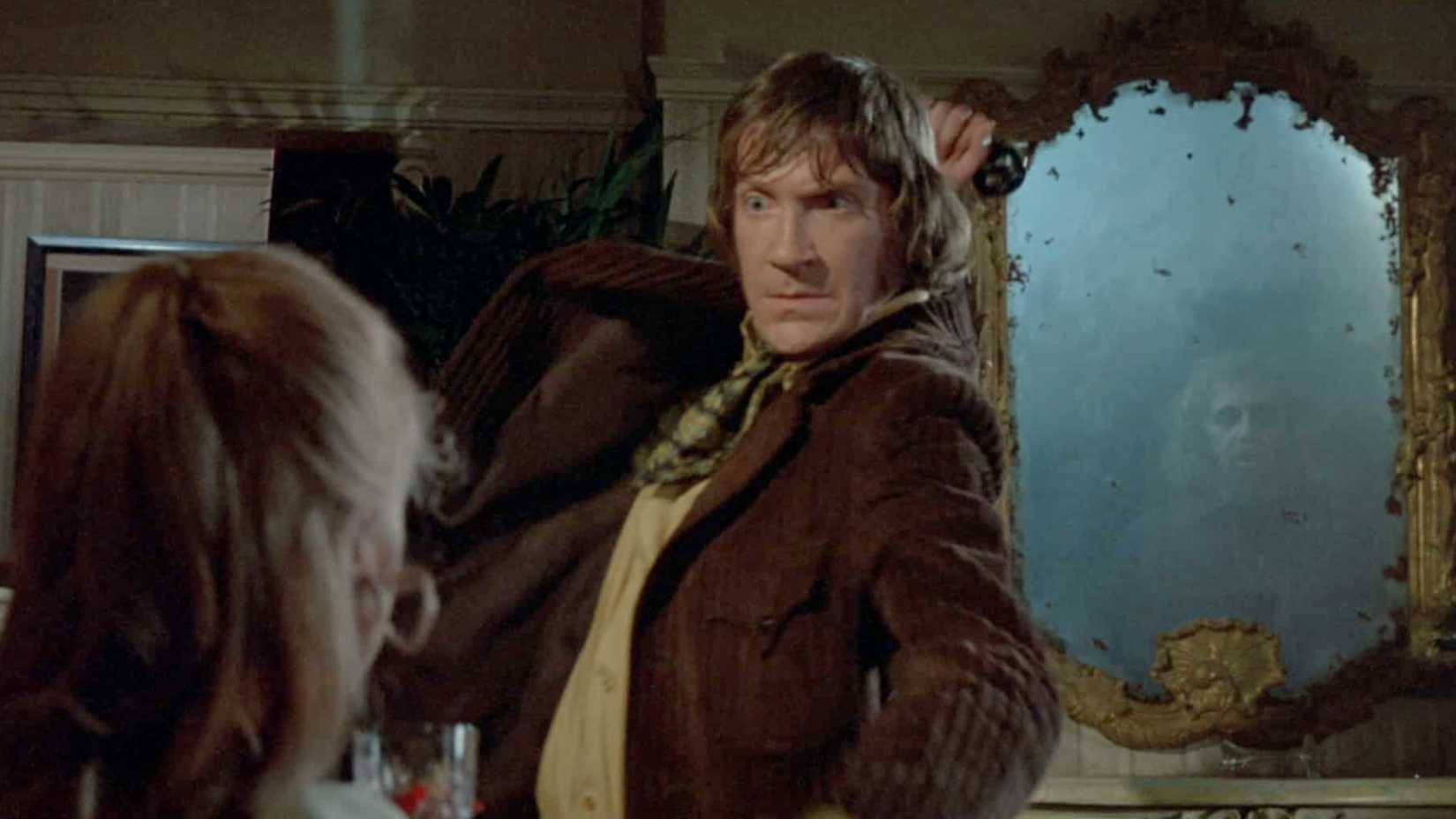
Finally, in 1978, Jerzy Skolimowski directed "The Shout." Based on a story by Robert Graves, it featured Alan Bates as a man who claims to have learned a "killing shout" from Australian Aboriginal magic. With its innovative sound design and non-linear narrative, it represented the peak of the decade’s experimental horror.
Supporting Data: Thematic Trends and Cultural Context
The success of these films can be analyzed through several key thematic lenses that defined the 1970s:
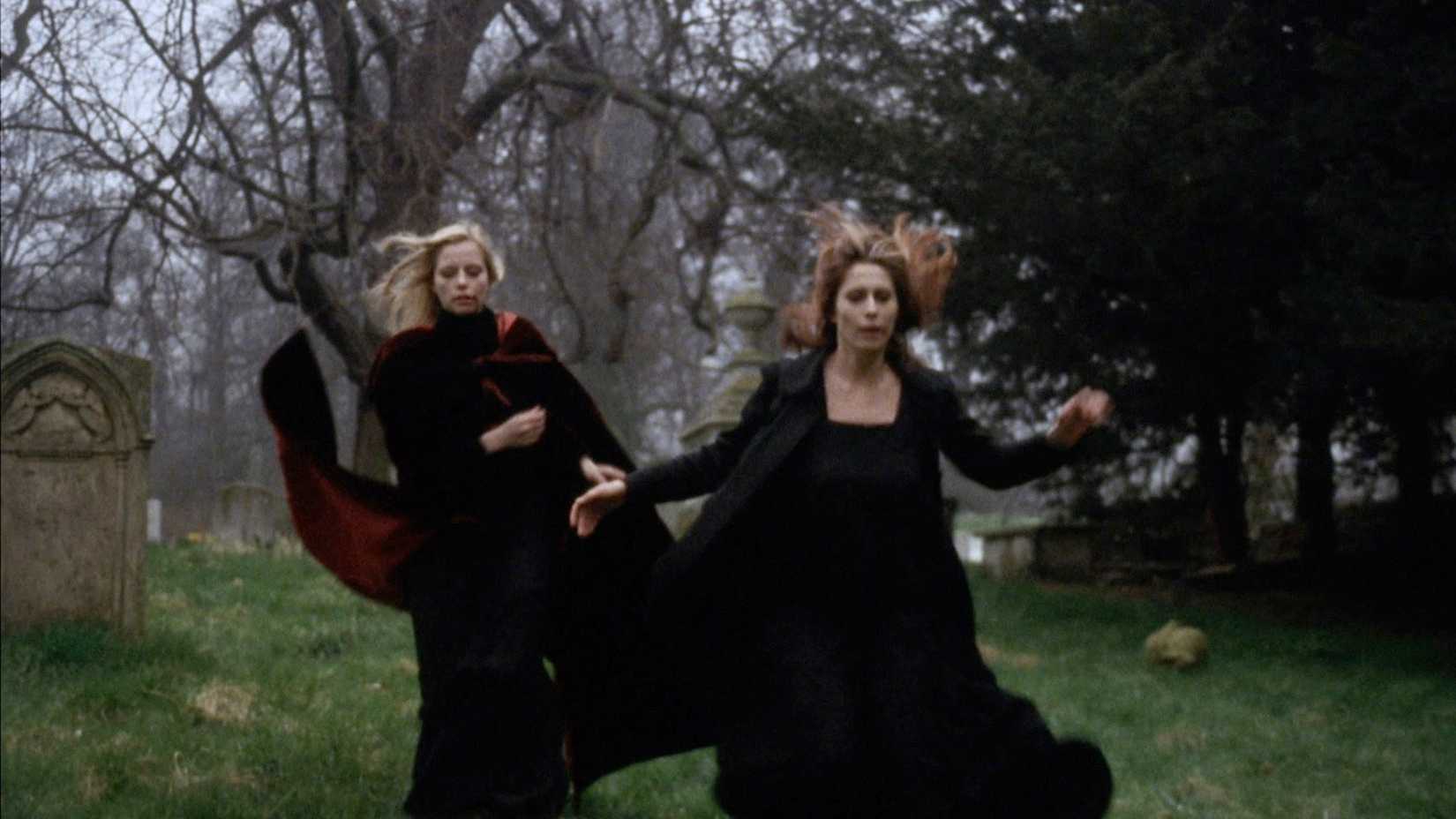
- The Death of the Gothic: The transition from the 1960s to the 1970s saw a decline in "safe" horror. The castles were replaced by asylums (Frankenstein and the Monster from Hell), subway tunnels (Death Line), and suburban homes (Full Circle).
- Psychological Interiority: Films like Demons of the Mind and The Shout moved the conflict into the characters’ minds. The "horror" was no longer just something that could be killed with a stake; it was an intangible, often hereditary, curse.
- Social Commentary: Death Line served as a scathing critique of the British class system, contrasting the abandoned "lower" world of the cannibals with the indifferent, bureaucratic "upper" world of the police and politicians.
- Technological Innovation: The Shout was one of the first films to utilize Dolby Stereo to its full potential, using sound as a literal weapon within the narrative, reflecting a broader interest in how cinema could assault the senses.
Official Responses and Critical Legacy
At the time of their release, many of these films were dismissed by mainstream critics as "low-brow" or "excessive." The British Board of Film Censors (BBFC) was particularly harsh on films like Frightmare and Vampyres, often demanding significant cuts that hampered their initial commercial success.
However, the late 20th and early 21st centuries have seen a massive critical re-evaluation. The rise of home media (DVD, Blu-ray, and boutique labels like Arrow Video and Criterion) allowed these "lost" films to be rediscovered by a new generation of cinephiles.
- Death Line is now cited by directors like Guillermo del Toro and Edgar Wright as a primary influence.
- The Shout won the Grand Prix at the 1978 Cannes Film Festival, a rare feat for a horror-adjacent film, signaling its artistic legitimacy.
- Full Circle has been praised by modern critics for its "elevated" approach to grief, predating the themes found in modern hits like Hereditary (2018).
Implications: The Foundation of Modern Horror
The experimentalism of 1970s horror laid the groundwork for the genre’s future in several significant ways:
The "Elevated Horror" Precursor
Before the term "elevated horror" became a marketing buzzword in the 2010s, films like The Shout and Full Circle were already proving that horror could be a vehicle for high-art experimentation and deep emotional resonance. They prioritized mood over body count, a tradition that continues in the work of Ari Aster and Robert Eggers.
The Subterranean Archetype
Death Line pioneered the "urban cannibal" trope that would later be seen in C.H.U.D. (1984), Creep (2004), and even the subterranean elements of Jordan Peele’s Us (2019). It taught filmmakers that the most frightening monsters are those that live beneath our feet in the spaces we use every day.
The Humanization of the Monster
By giving the "monster" in Death Line and The Creeping Flesh a tragic backstory and a sense of pathos, these films challenged the binary of good vs. evil. This nuance paved the way for the complex anti-heroes and sympathetic villains that define modern prestige horror.
In conclusion, while the 1970s will always be remembered for its blockbusters, the true depth of the decade lies in these "demons of the mind." They represent a period of unparalleled creative freedom where the only rule was that there were no rules. For the modern viewer, these films offer more than just scares; they offer a window into a time when horror was the most honest reflection of a world in flux.