The Bloom of Deception: How Batman: Caped Crusader Season 2 Subverts the Poison Ivy Trope with Rose and Thorn
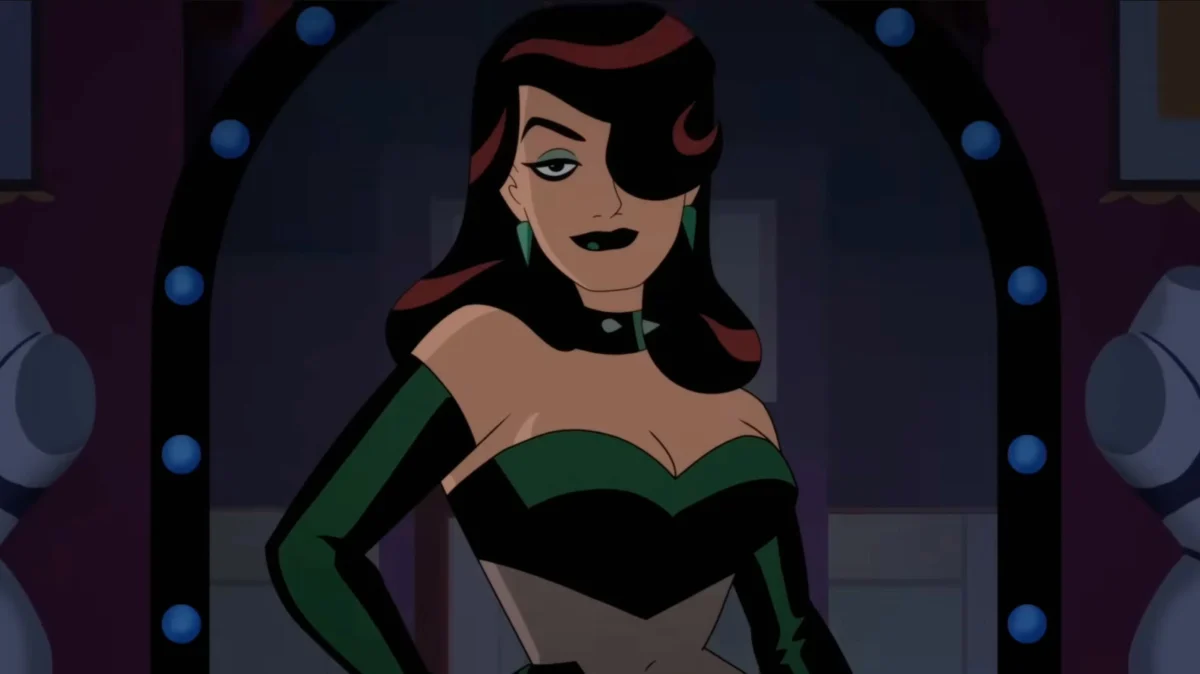
The release of Batman: Caped Crusader Season 2 on Prime Video has once again ignited a firestorm of discussion among the DC Comics faithful. While the series, spearheaded by animation legend Bruce Timm, is celebrated for its 1940s-noir aesthetic and its willingness to dismantle decades of established lore, one particular revelation in Episode 7, titled "Her Dark Reflection," has left audiences stunned. For months, promotional materials hinted at the arrival of a plant-themed femme fatale, leading many to believe that a reimagined Poison Ivy was set to join the show’s burgeoning rogues gallery. However, in a move characteristic of the show’s subversive DNA, the antagonist was revealed to be a far more obscure figure: Rose and Thorn.
This creative pivot serves as a microcosm for the series’ broader mission: to strip Batman down to his pulp-fiction roots while elevating forgotten characters from the DC archives. By opting for Rose and Thorn over the high-profile Poison Ivy, Caped Crusader challenges the audience’s expectations of what a "Batman villain" should be in the modern era.
Main Facts: The Identity of the "New" Villainess
The central mystery of "Her Dark Reflection" revolves around a red-haired woman in a green ensemble who wields a whip and displays a lethal affinity for floral motifs. To the casual observer, the visual cues pointed directly to Dr. Pamela Isley, better known as Poison Ivy. Yet, as the episode unfolds, it becomes clear that this is not a story of eco-terrorism or botanical pheromones, but rather a tragic tale of Dissociative Identity Disorder (DID) and vigilante vengeance.
The character is Rose Forrest (voiced by Fryda Wolff), a florist’s daughter whose life is shattered when her father is murdered by a ruthless mobster version of Edward Nygma, the Riddler. The trauma of her father’s death triggers the emergence of a secondary, more violent personality: Thorn. Unlike Poison Ivy, who typically seeks to protect the natural world from human encroachment, Thorn is driven by a singular, cold-blooded desire for retribution.
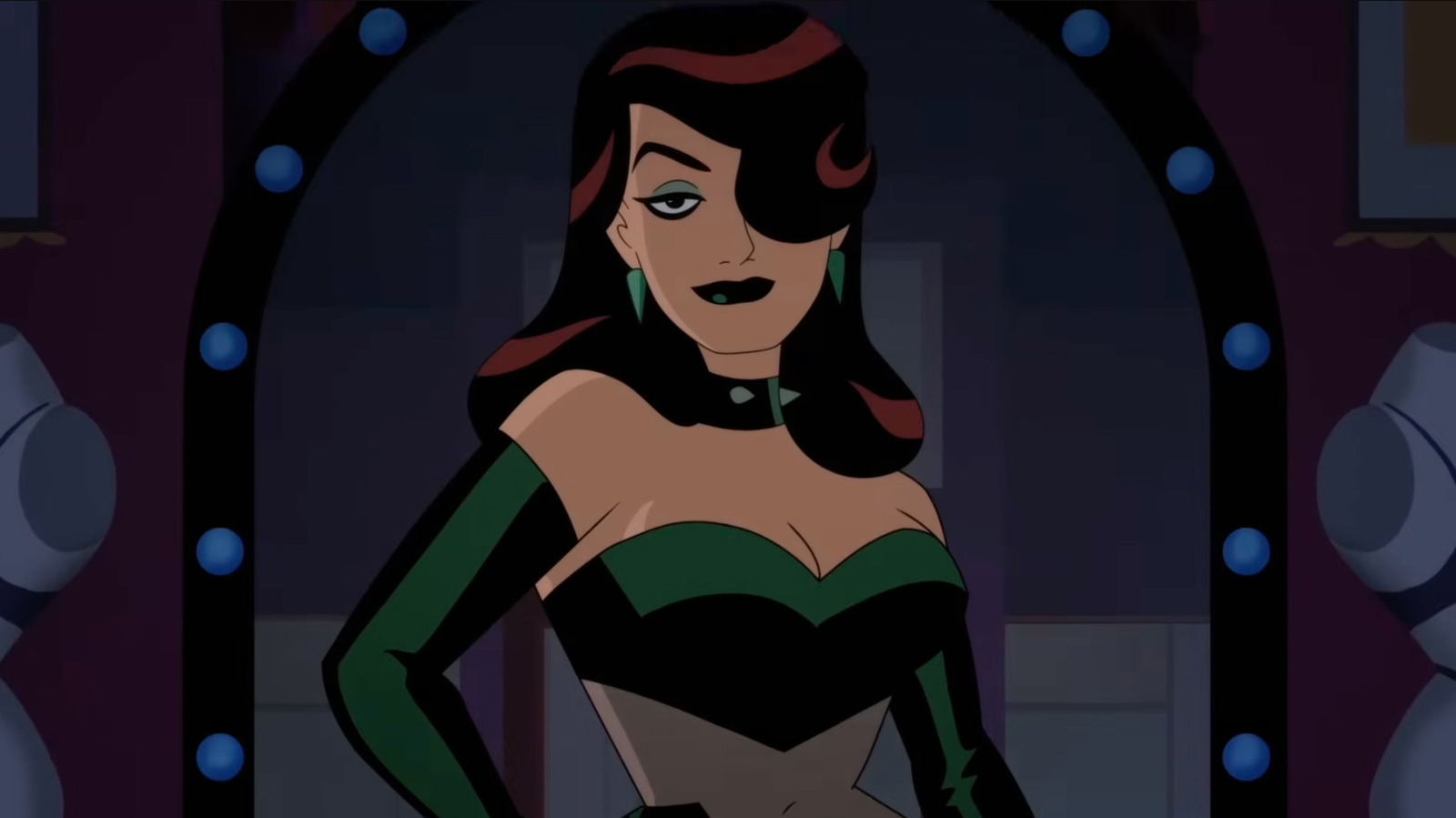
The episode marks the first time Rose and Thorn have ever appeared in an animated medium, ending a decades-long absence from DC’s non-print adaptations. By choosing Rose and Thorn, Bruce Timm and his team have effectively side-stepped the "A-list" baggage that comes with Poison Ivy, allowing them to tell a grounded, noir-infused revenge story that fits the show’s grim tone.
Chronology of Character Evolution: From 1947 to the Caped Crusader
To understand the significance of this inclusion, one must look at the convoluted history of Rose and Thorn within DC Comics. The character’s lineage is actually older than Poison Ivy’s, though she has spent much of her existence in the shadows of more famous villains.
- 1947: The Golden Age Debut: The original version of the character, Rose Canton, was created by John Broome and Carmine Infantino. She debuted in Flash Comics #89 as a villain for Jay Garrick, the original Flash. This version of the character gained her powers through a tropical root that gave her control over plants and a split personality.
- 1966: The Rise of Poison Ivy: During the height of the Adam West Batman television series, there was a demand for more female villains. Robert Kanigher and Sheldon Moldoff created Poison Ivy, who debuted in Batman #181. Interestingly, the creative DNA of Rose Canton and Poison Ivy was deeply intertwined, as both characters shared similar plant-based motifs and creators (Infantino and Kanigher).
- 1970: The Modern Rose Forrest: Robert Kanigher and Ross Andru reintroduced the concept in Superman’s Girlfriend: Lois Lane #105. This version, Rose Forrest, was the daughter of a murdered police officer and possessed no actual superpowers. Instead, her "Thorn" persona was a highly skilled, brutal vigilante who operated while Rose was asleep.
- 2004: The Gail Simone Era: Writer Gail Simone attempted to modernize the character in a self-titled miniseries, leaning heavily into the psychological horror of her condition.
- 2026: Caped Crusader Integration: The current iteration blends elements of the 1970s vigilante with the visual aesthetics of the Golden Age, placing her squarely in the path of the Riddler and Batman.
Supporting Data: The Systematic Deconstruction of the Rogues Gallery
Rose and Thorn’s appearance is not an isolated incident of character reinvention. Batman: Caped Crusader has established a pattern of "remixing" villains to suit its 1940s setting.
The Riddler (Ronan Raftery) in Season 2 is perhaps the most jarring example. Moving away from the intellectual narcissist obsessed with puzzles seen in Batman: The Animated Series, this version of Edward Nygma is a "Tommy gun-wielding" gangster. His moniker "The Riddler" is a grim pun on his penchant for "riddling" his enemies with bullets. This change has proven controversial among fans who prefer Nygma’s intellectual rivalry with Batman, but it serves the narrative purpose of making him a genuine threat in a world where organized crime is the primary antagonist.
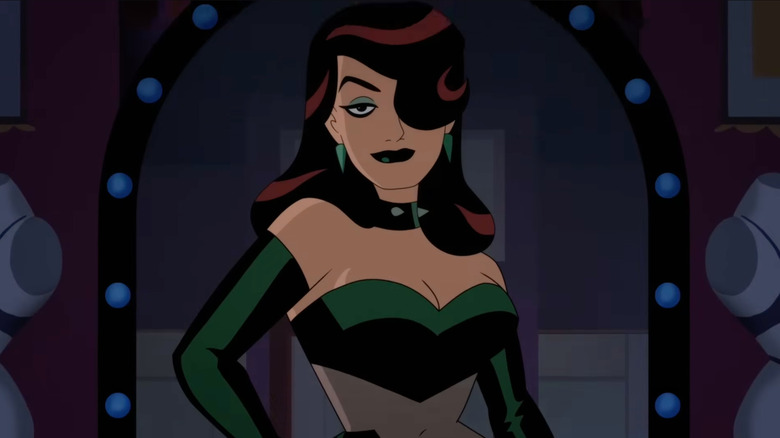
Furthermore, Season 1’s portrayal of Harvey Dent (Deidrich Bader) saw the character experience a reverse arc; rather than descending into villainy after his scarring, Dent found a path to redemption, subverting the "Two-Face" inevitability. By introducing Rose and Thorn in a similar vein—transforming a victim of the Riddler’s violence into a lethal "moll" who eventually executes him—the show continues its trend of exploring the "dark reflections" of Gotham’s citizens.
Official Responses and Creative Philosophy
While Prime Video and the production team have kept a tight lid on future spoilers, Bruce Timm has been vocal about his desire to avoid repeating the successes of his past. In various interviews leading up to the series, Timm emphasized that Caped Crusader is not a revival of the 1992 Batman: The Animated Series.
"We didn’t want to just do ‘The New Adventures of Batman’ again," Timm noted during a press junket. "We wanted to look at characters that maybe didn’t get their due or didn’t fit the Saturday morning cartoon mold. The 1940s setting allows us to be more brutal, more psychological, and less reliant on the ‘super’ in superhero."
The decision to use Rose and Thorn was reportedly a way to explore the "Femme Fatale" trope of classic film noir without the campiness that often accompanies Poison Ivy. In the noir tradition of films like Double Indemnity or The Big Sleep, the dangerous woman is often a victim of circumstance who turns to lethality to survive. By casting Rose as a woman suffering from a psychological break rather than a mutant with plant-control powers, the show stays true to its "grounded" mandate.
Implications for the Series and the DC Universe
The inclusion of Rose and Thorn carries several significant implications for the future of Batman: Caped Crusader and the broader strategy of DC’s animated projects.
- The "A-List" Fatigue: By successfully utilizing a character as obscure as Rose Forrest, the showrunners have proven that Batman’s world is rich enough to sustain interest without constantly relying on the Joker, Catwoman, or Penguin. This opens the door for other deep-cut characters like The Ventriloquist (reimagined for this era) or even pulp-era heroes like The Shadow.
- Psychological Complexity: The depiction of Rose’s DID (Dissociative Identity Disorder) adds a layer of tragic realism to the show. It moves the conflict away from "good vs. evil" and toward a more nuanced exploration of how trauma shapes the human psyche—a core theme of the Batman mythos.
- The Death of Major Villains: The fact that the Riddler is killed by Thorn in his debut season sends a clear message to the audience: no one is safe. Unlike the "revolving door" of Arkham Asylum seen in other media, Caped Crusader treats its deaths as permanent and consequential. This raises the stakes for Batman, who must now deal with the fallout of a city where the villains are just as mortal—and desperate—as the victims.
- A New Era for Female Antagonists: For years, Poison Ivy and Harley Quinn have dominated the landscape of female DC villains. Rose and Thorn’s introduction provides a fresh archetype: the vengeful vigilante who operates in the moral gray area between Batman’s justice and the underworld’s lawlessness.
In conclusion, Batman: Caped Crusader’s use of Rose and Thorn is a masterstroke of subversion. It rewards long-time comic readers with a deep-cut reference while providing casual viewers with a compelling, noir-soaked mystery. By refusing to give the audience the "obvious" choice of Poison Ivy, Bruce Timm has ensured that Caped Crusader remains one of the most unpredictable and intellectually stimulating adaptations of the Dark Knight ever produced. As Season 2 continues to unfold on Prime Video, the shadow of the Thorn looms large over Gotham, proving that sometimes, the most dangerous flowers are the ones you never saw coming.