The Paradox of Perfection: Analyzing Christopher Nolan’s Lowest-Rated Films According to Rotten Tomatoes
In the contemporary cinematic landscape, few names carry as much weight as Christopher Nolan. Over a career spanning more than a quarter-century, the British-American filmmaker has achieved a rare feat: becoming a brand unto himself while maintaining a level of critical and commercial consistency that is almost unparalleled in Hollywood history. From the mind-bending corridors of Inception to the historical weight of Oppenheimer, Nolan’s filmography is often viewed as a series of peaks. However, even within a mountain range of masterpieces, some summits are lower than others.
By examining data from the review aggregator Rotten Tomatoes, a fascinating narrative emerges. Nolan’s "worst" films—those that sit at the bottom of his rankings—would be considered career highlights for almost any other director. With a filmography consisting of 13 features, Nolan has never received a "Rotten" score; every single project he has helmed remains "Fresh." Yet, the films that failed to reach the stratospheric heights of his 90%-and-above club offer a unique window into his evolution as a storyteller.
Main Facts: The Nolan Standard
To understand Nolan’s "worst" movies, one must first understand the "Nolan Standard." Working alongside his wife and long-time producing partner, Emma Thomas, Nolan has cultivated a style defined by non-linear narratives, practical effects, and a preoccupation with the subjective nature of time and memory.
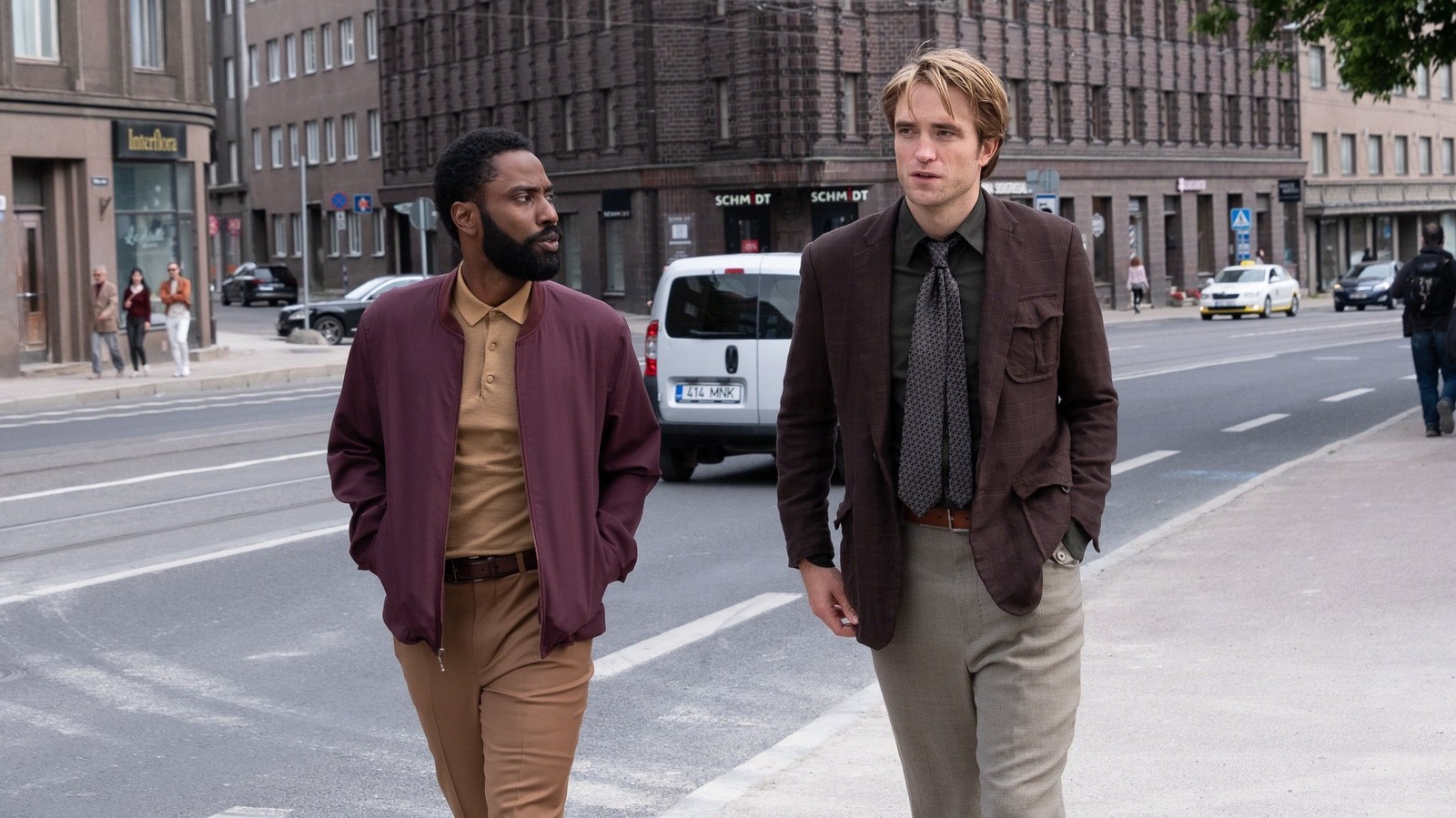
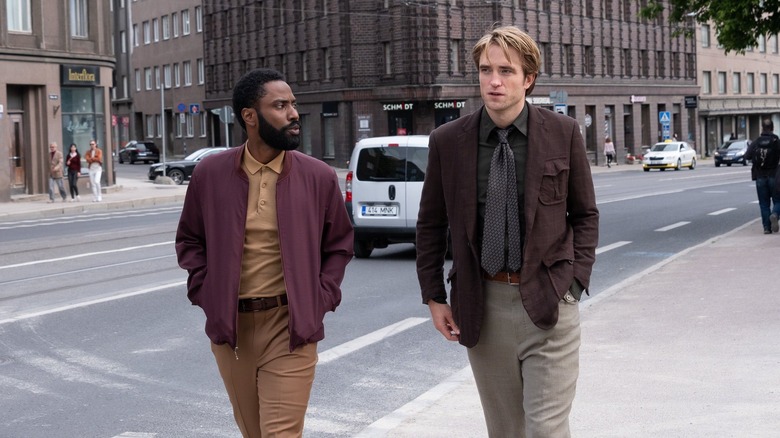
According to Rotten Tomatoes, the five lowest-rated films in his career are:
- Tenet (2020) – 70%
- Interstellar (2014) – 73%
- The Prestige (2006) – 76%
- Batman Begins (2005) – 85%
- Following (1998) – 88%
These scores reflect a critical consensus that, while generally positive, suggests these specific works either proved too complex for a broad audience, suffered from narrative imbalances, or—in the case of his debut—lacked the technical polish of his later blockbusters.
Chronology: The Evolution of an Auteur
Nolan’s career trajectory can be divided into three distinct eras: the Indie Experimentalist, the Blockbuster Architect, and the High-Concept Visionary.
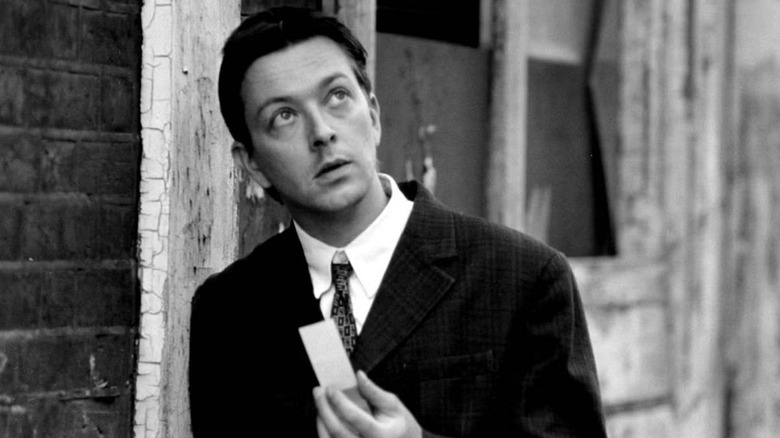
The Indie Experimentalist (1998–2002)
Nolan burst onto the scene with Following (1998), a micro-budget noir shot in black and white on the streets of London. This era was defined by resourcefulness. With Following ranking as his fifth "worst" film at 88%, it serves as the baseline for his excellence. It established his obsession with non-linear timelines, a trope he would perfect in Memento (2000).
The Blockbuster Architect (2005–2012)
With the launch of Batman Begins in 2005, Nolan moved into the studio system. This period saw him revitalizing the superhero genre by grounding it in gritty realism. While Batman Begins sits at 85%, it paved the way for The Dark Knight, which many consider the greatest superhero film ever made. During this time, he also released The Prestige (76%), a film that acted as a bridge between his studio obligations and his personal obsessions.
The High-Concept Visionary (2014–Present)
In the last decade, Nolan has pushed the boundaries of what a "summer blockbuster" can be. Interstellar and Tenet represent this era—films with massive budgets ($165 million and $200 million, respectively) that demand the intellectual engagement of an art-house feature. Ironically, these two films occupy the bottom two spots on his Rotten Tomatoes ranking, suggesting that as Nolan’s ambitions grew, the critical consensus became more divided.
Supporting Data: A Deep Dive into the "Bottom Five"
1. Tenet (2020) – 70%
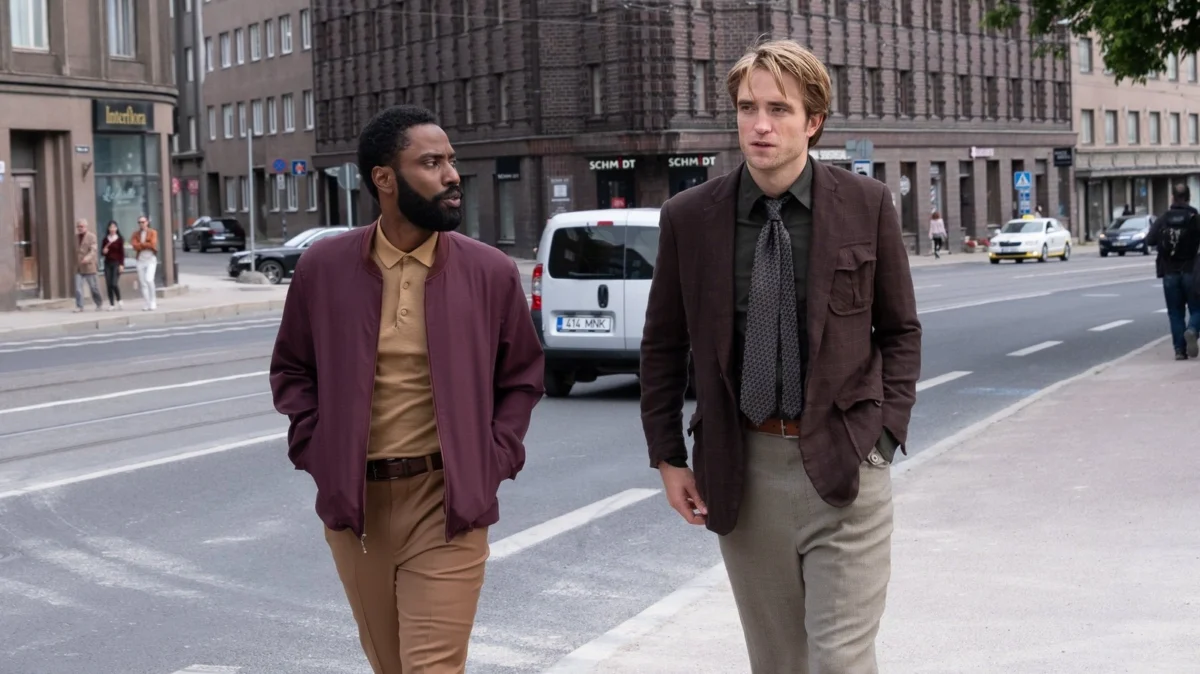
Tenet remains Nolan’s most polarizing work. Released during the height of the COVID-19 pandemic, it was intended to save the theatrical experience. Starring John David Washington and Robert Pattinson, the film explores "time inversion"—a concept where objects and people can move backward through time while the rest of the world moves forward.
- Critical Friction: Many critics complained about the film’s sound mixing, which often buried dialogue under Ludwig Göransson’s thunderous score. Others found the plot’s "pincer movement" mechanics so dense that they obscured the emotional stakes.
- The Paradox: Despite being his lowest-rated film, Tenet is arguably his most "Nolan" movie, representing the purest distillation of his fascination with temporal mechanics.
2. Interstellar (2014) – 73%
A sprawling space epic starring Matthew McConaughey, Interstellar is a meditation on fatherhood wrapped in the physics of black holes and wormholes.
- Critical Friction: Critics were split on the film’s ending. While the scientific community praised its visual depiction of a black hole (Gargantua), some reviewers felt the narrative’s reliance on "love" as a literal physical dimension was a sentimental leap too far for a film rooted in hard science.
- Legacy: Despite its 73% score, it remains a fan favorite, often cited as one of the most visually stunning films of the 21st century.
3. The Prestige (2006) – 76%
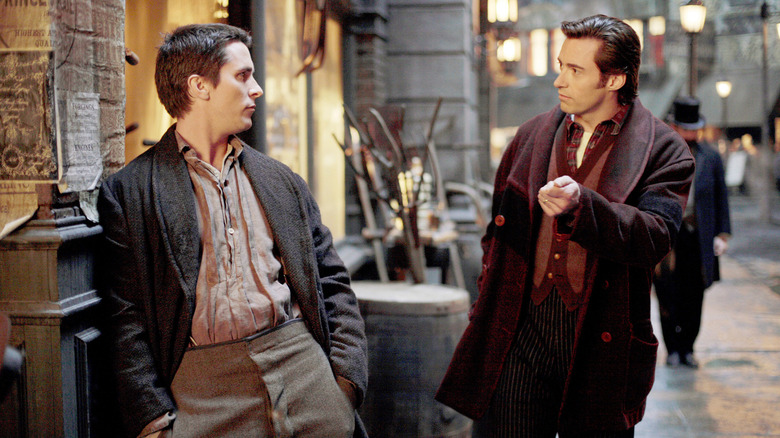
Released the same year as the similarly themed The Illusionist, The Prestige stars Hugh Jackman and Christian Bale as rival magicians in Victorian London.
- Critical Friction: At the time of its release, some critics found the film’s "twist" ending to be more of a cheat than a clever reveal. The non-linear structure was also seen by some as unnecessarily convoluted for a story about professional jealousy.
- Cast Highlights: The film features a rare and haunting performance by David Bowie as Nikola Tesla, a casting choice that has helped the film achieve cult status.
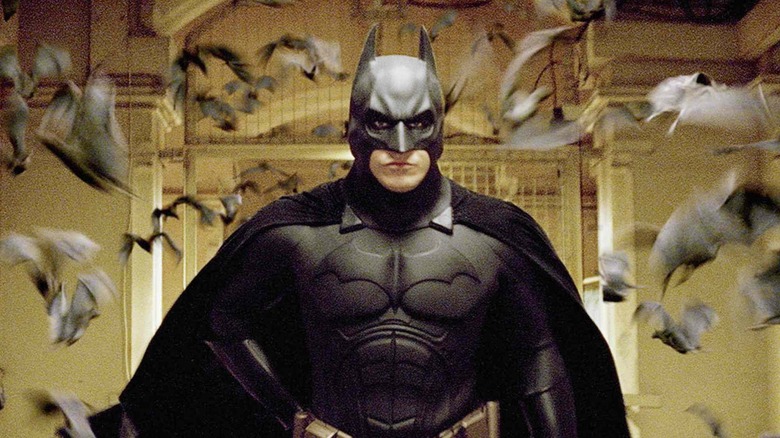
4. Batman Begins (2005) – 85%
This film rescued the Batman franchise from the neon-soaked camp of the late 90s. It introduced Christian Bale’s Bruce Wayne and a more grounded Gotham City.
- Critical Friction: While highly praised, it sits lower than its sequels because it follows the traditional "origin story" beats. Critics at the time noted that while the first two acts were revolutionary, the third act devolved into a more standard action spectacle.
- Impact: It holds an 85% because it was the necessary "foundation" for the masterpieces that followed.
5. Following (1998) – 88%
Nolan’s debut is a masterclass in low-budget filmmaking. Shot on weekends over the course of a year, it tells the story of a young writer who follows strangers to find inspiration.
- Critical Friction: Its 88% score is only "low" by Nolan’s standards. Most critics noted the film’s rough edges and technical limitations but recognized the emergence of a major new voice in cinema.
- Easter Eggs: The film features a character named Cobb, a name Nolan would reuse for Leonardo DiCaprio’s character in Inception twelve years later.
Official Responses and Industry Reception
Christopher Nolan has rarely addressed Rotten Tomatoes scores directly, often stating in interviews that his goal is to provide a "visceral experience" rather than a narrative that can be fully unraveled on the first viewing. In a 2020 interview with Total Film, Nolan remarked on the complexity of Tenet, saying, "You’re not meant to understand everything in Tenet. You’re meant to experience it."
This sentiment is echoed by his long-time collaborators. Cinematographer Hoyte van Hoytema and composer Hans Zimmer have frequently noted that Nolan’s sets are environments of extreme precision where the technical "difficulty" is the point. The industry has largely backed this approach; despite lower RT scores for Interstellar and Tenet, both films were major players during awards seasons, particularly in technical categories like Visual Effects and Sound.
Implications: The Future of the Auteur Blockbuster
The fact that Nolan’s "worst" films average an 78.4% rating on Rotten Tomatoes has significant implications for the film industry.
- The Reliability of the Brand: Nolan is one of the few directors (alongside the likes of Quentin Tarantino or Denis Villeneuve) whose name alone can greenlight a $200 million original screenplay. His "worst" films still outperform the "best" films of many franchise directors, proving that audiences are hungry for challenging, original material.
- The "Difficulty" Premium: The lower scores for Tenet and Interstellar suggest a growing gap between "critic-friendly" narratives and "concept-heavy" filmmaking. As Nolan pushes further into experimental territory, his scores may fluctuate, but his cultural impact remains steady.
- The Theatrical Experience: Nolan’s insistence on IMAX film and practical effects has made him the unofficial guardian of the cinema. Even his lower-rated films are considered "must-sees" on the largest screen possible, a factor that Rotten Tomatoes’ binary "Fresh/Rotten" system often fails to capture.
In conclusion, Christopher Nolan’s bottom five films are not failures; they are the daring experiments of a filmmaker who refuses to play it safe. Whether he is exploring the silent streets of London in Following or the inverted battlefields of Tenet, Nolan remains a singular force in cinema—one where even his "worst" days are better than most others’ best.