Freak War: A Quirky Card Game Set to Redefine Party Play and TCG Accessibility
FOR IMMEDIATE RELEASE
In a vibrant convergence of beloved card game mechanics and whimsical artistry, "Freak War," a new party-game trading card game (TCG), is poised to disrupt the casual gaming landscape. Conceived by cartoonist Nate Galbraith, known online as sketchnate, the game offers a unique blend of monster evolution reminiscent of Pokémon, the unpredictable chaos of Exploding Kittens, and the straightforward accessibility of the classic card game War. Having already surpassed its crowdfunding goal, Freak War promises a fast-paced, humorous, and engaging experience for players seeking TCG fun without the typical barriers of complex rules or extensive deck construction.
Main Facts: Unpacking the Hybrid Charm of Freak War
Freak War emerges as a fascinating hybrid in the card game market, aiming to distill the essence of popular genres into an easily digestible and highly replayable format. At its core, it is a party-game TCG designed for quick, simultaneous battles, making it an ideal choice for social gatherings and family game nights. The game distinguishes itself by offering the strategic depth often associated with TCGs, such as creature evolution and tactical modifiers, while stripping away the intimidating learning curve and commitment to deck-building that can deter newcomers.
The genesis of Freak War traces back to Nate Galbraith’s astute observation of children attempting to recreate Pokémon battles using a standard deck of Uno cards. This insightful moment, coupled with the subsequent introduction of the simple yet engaging game of War (or Battle), sparked the inspiration for a new kind of card game. Galbraith envisioned a system that could capture the imaginative monster-versus-monster dynamic of Pokémon, the disruptive, laugh-out-loud elements of Exploding Kittens, and the immediate playability of War. The result is a game where players confront each other with a menagerie of peculiar creatures, each boasting unique attack levels and abilities designed to create dynamic and often hilarious outcomes.
Gameplay is designed for inclusivity, supporting anywhere from two to four or more players, eliminating the need for extensive setup. Players can dive straight into the action by simply splitting a pre-shuffled deck amongst themselves. While the game champions this pick-up-and-play philosophy, it also caters to those who enjoy a touch more personalization, offering the option to construct custom decks. Battles unfold simultaneously, with each player revealing a creature card. The creature with the highest attack level typically claims victory, but this simple premise is constantly complicated and enlivened by a diverse array of "freak" abilities and modifier cards. These cards introduce various effects, from evolving creatures into more powerful forms—a direct nod to Pokémon’s iconic mechanic—to equipping stat-boosting or strength-reducing modifiers that can swing the tide of battle unexpectedly.
Freak War further enhances its replayability through distinct game modes: "War," a more chaotic variant where players flip the top card of their deck, and "Battle," which allows for more strategic decision-making by enabling players to choose a card from their hand. Both modes can be further customized with "King of the Hill" and team rules, adding layers of tactical depth and variety. The ultimate objective remains consistent: the player who successfully claims all cards from their opponents emerges victorious, collecting cards into a "win pile" that are periodically reshuffled back into their active deck, ensuring sustained engagement throughout the game. With its distinctive art style featuring bizarre, mutated creatures and a playful, meta-aware sense of humor, Freak War promises not just a game, but an experience that is both charmingly silly and strategically engaging, all while being financially accessible at around $20 per deck.
Chronology: From Inspiration to Crowdfunding Success
The journey of Freak War from a fleeting observation to a fully realized crowdfunding phenomenon is a testament to the power of creative inspiration and persistent development. The initial spark for the game ignited in the mind of Nate Galbraith, the cartoonist behind the "sketchnate" moniker, when he witnessed a seemingly mundane but profoundly telling scene. Children, eager to emulate the monster battles they adored in Pokémon, were attempting to use a deck of Uno cards as makeshift stand-ins for their beloved creatures. This creative improvisation, while charming, highlighted a gap: a desire for accessible monster-battling experiences that didn’t require the complex rule sets or financial investment typically associated with official trading card games.
Galbraith, recognizing the underlying appeal of simple, direct competition, suggested they instead play the classic card game War. The immediate, head-to-head nature of War, where a higher card always wins, resonated with the children’s desire for straightforward confrontation. It was at this juncture that Galbraith’s creative gears began to turn. He envisioned combining the effortless playability of War with the captivating concept of evolving monsters and the disruptive, unpredictable elements that make party games like Exploding Kittens so popular. The objective was clear: create a game that offered the thrill of a TCG battle without the usual barriers to entry.
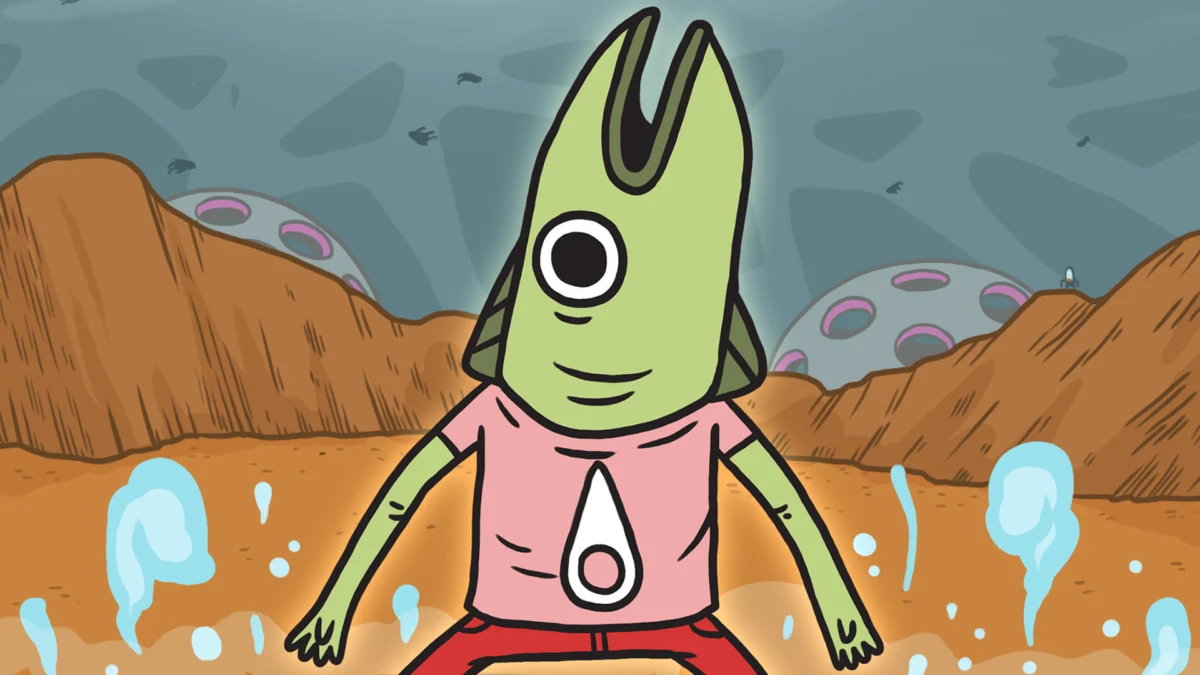
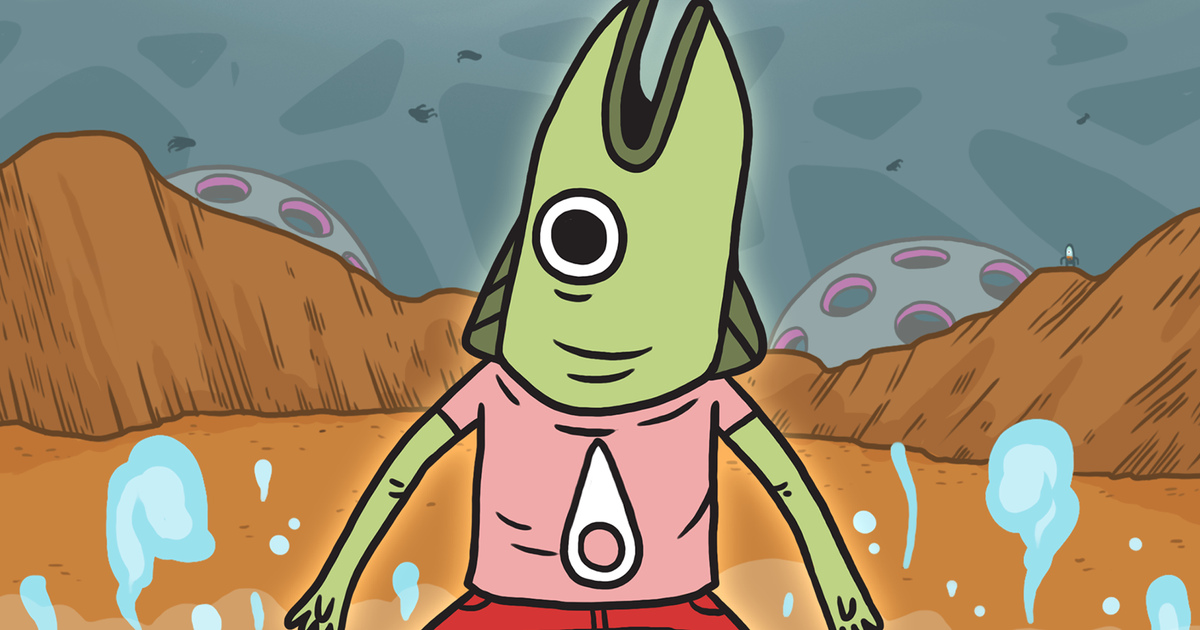
The conceptualization phase involved not just blending mechanics but also developing a unique thematic identity. Galbraith began populating the card designs with his signature collection of "strange creatures"—mutated animals born from a fantastical premise of a second sun. This imaginative lore provided a rich backdrop for the game’s distinctive artwork and playful humor. Each creature, from muscly fishpeople to a time-traveling tiger, was imbued with personality and a sense of quirky charm, making the game visually appealing and narratively engaging.
Following extensive development and playtesting to refine the core mechanics and ensure a balanced yet chaotic gameplay experience, Sheltonshire Games, Galbraith’s publishing arm, prepared to launch Freak War to a wider audience. The chosen platform was Kickstarter, a popular avenue for independent creators to fund their projects and build a community. The crowdfunding campaign officially launched, inviting backers to support the production of the initial decks.
The campaign quickly gained traction, demonstrating that Galbraith’s vision resonated with a significant audience. The modest crowdfunding goal of $10,000 was swiftly surpassed, signaling strong community interest in an accessible, humorous TCG. The success validated the premise that there was a hunger for party games that moved beyond the often-criticized "copy-paste" or "gross-out" humor prevalent in some segments of the market. The Kickstarter campaign is slated to run until June 13th, allowing prospective backers ample time to pledge their support and secure their copies. Looking ahead, the game is expected to be manufactured and shipped, with an anticipated delivery to backers in June of the following year. This timeline aims to put Freak War into the hands of players just in time for summer gatherings and holiday travel, fulfilling Galbraith’s initial vision of a game that’s easy to pick up, fun to play, and perfect for any social occasion.
Supporting Data: Deep Dive into Mechanics, Art, and Market Positioning
Freak War’s appeal is multifaceted, rooted deeply in its innovative mechanics, distinctive artistic style, and strategic market positioning. A closer examination reveals how these elements converge to create a gaming experience that is both novel and familiar.
Game Mechanics Deep Dive
At its heart, Freak War simplifies the often-complex dynamics of TCGs into a fast-paced, simultaneous reveal system. The core gameplay involves players choosing a creature card from their hand (in "Battle" mode) or flipping the top card of their deck (in "War" mode). These cards are then revealed simultaneously, creating moments of anticipation and surprise. The creature with the highest "Attack Level" wins the round, claiming all played cards, which are then added to their personal "win pile." This pile is crucial, as collected cards are eventually reshuffled back into the player’s main deck, acting as a resource and a measure of progress toward victory. The ultimate goal is to amass all cards from opponents, a clear echo of the classic War game.
What elevates Freak War beyond mere card comparison are its sophisticated yet intuitive layers of interaction. Creature cards possess unique abilities that activate upon play, adding strategic depth. More notably, the game incorporates an "evolution" mechanic, directly inspired by Pokémon. Certain creatures can evolve into more powerful forms, often depicted with humorously exaggerated traits, providing a significant boost in Attack Level or triggering powerful effects. This mechanic introduces a compelling strategic choice: when to play a base creature and when to hold out for its evolved form, balancing immediate power with future potential.
Modifier cards further amplify the game’s dynamic nature. These cards, reminiscent of Exploding Kittens’ disruptive elements, can be played to alter the Attack Levels of creatures, either boosting one’s own or diminishing an opponent’s. Examples like the "Super Sword" and "Super Duper Sword" offer straightforward power-ups, while others like "Swap Cards with a Rival" or "Cancel a Modifier" introduce direct player interaction and strategic counterplay. The "Flip Coins for a Power Boost" modifier injects an element of chance, adding to the party game chaos. These modifiers ensure that no two rounds play out exactly the same, keeping players on their toes and encouraging quick tactical thinking.
The game’s dual modes, "War" and "Battle," cater to different preferences for randomness versus control. "War" mode, with its blind draw, emphasizes sheer luck and the thrill of the unknown, perfect for truly casual play. "Battle" mode, allowing players to choose from their hand, introduces a layer of strategy, forcing decisions about resource management and anticipating opponents’ moves. The inclusion of "King of the Hill" and team rules further expands the game’s versatility, offering additional formats for diverse group dynamics and preferences, cementing its status as a highly adaptable party game.
Art and Lore: A World of Whimsical Mutations
The visual identity of Freak War is central to its charm and appeal. Nate Galbraith, a cartoonist by trade, imbues each card with a distinctive, often goofy aesthetic that is both engaging and humorous. The game’s lore posits the emergence of a "second sun," a celestial event that radically mutates familiar animals into extraordinary, often absurd, "freaks." This premise provides a fertile ground for Galbraith’s imagination, resulting in a roster of creatures that are memorable and visually striking.
The creature designs are a highlight: "muscly fishpeople" demonstrate a literal interpretation of aquatic evolution, while a "time-traveling tiger" and a "partying platypus" hint at narrative backstories ripe for player speculation. A "dog with a goldfish bowl for a head" and a "sad bee" inject a touch of pathos and absurdity, while the "Man Cat"—described humorously as "basically a bloke in a cat costume"—showcases Galbraith’s meta-humor. Future expansions promise even more eccentric characters, from "buff penguins" to "cute-looking snails," ensuring a continuous stream of fresh, imaginative content.
Beyond their visual appeal, some creature effects are "playfully meta," blurring the lines between the game world and reality. The "scrap-loving Fly Guy," for instance, gains power if there’s uneaten food near the players, a quirky nod to the casual, social environment in which the game is intended to be played. This self-awareness and willingness to break the fourth wall contribute significantly to the game’s identity as a fun-first party experience. The card layout itself explicitly draws inspiration from classic Pokémon cards, providing a familiar framework for new players while showcasing Galbraith’s unique artistic vision.
Market Context: A Refreshing Alternative
Freak War strategically positions itself as a refreshing alternative within both the party game and TCG markets. In the TCG space, it directly addresses the common criticisms of high cost, steep learning curves, and the often-intense commitment required for deck construction and meta-analysis. By offering a pre-built, balanced deck that can be simply split and played, Freak War democratizes the TCG experience, making it accessible to casual players who might be intimidated by games like Magic: The Gathering or even official Pokémon TCG tournaments.
Within the party game genre, Freak War offers a humorous and engaging experience that stands apart from the prevalent "Cards Against Humanity clones" and other "gross-out" humor games that have saturated the market. The article’s initial sentiment, expressing fatigue with "copy-paste or just downright gross party games," perfectly encapsulates the void Freak War aims to fill. Its humor is whimsical, character-driven, and relies on visual gags and quirky scenarios rather than offensive content, making it suitable for a wider audience, including families and younger players.
The $20 price point per deck makes Freak War an attractive entry into the TCG world, offering significant replayability and entertainment value for a relatively low investment. The promise of "dozens more creatures" across "a bunch of different packs" suggests a scalable model, allowing players to expand their collection and experience new creature combinations without the pressure of blind booster packs. This positions Freak War not just as a standalone game, but as a potential platform for a growing universe of Galbraith’s imaginative creations, appealing to collectors and casual players alike who appreciate distinctive art and accessible gameplay.
Official Responses: The Creator’s Vision and Publisher’s Commitment
The success of Freak War on Kickstarter is not just a financial triumph but a validation of Nate Galbraith’s unique vision and Sheltonshire Games’ commitment to bringing innovative, accessible gaming experiences to the market. While the initial article doesn’t contain direct quotes, we can infer the creator’s philosophy and the publisher’s strategic approach from the game’s design and market reception.
Nate Galbraith’s Vision: Accessibility Through Ingenuity
Nate Galbraith, operating under his artistic alias "sketchnate," clearly set out to bridge a significant gap in the gaming world: the desire for the thrilling monster battles of trading card games without the inherent complexities and costs. His observation of children improvising Pokémon battles with Uno cards was more than just a passing anecdote; it was a profound insight into a universal play pattern. Galbraith’s core philosophy appears to be rooted in the belief that the joy of a TCG should be available to everyone, regardless of their prior gaming experience or willingness to invest heavily in card collections.

"My aim with Freak War was always to strip away the intimidating elements of traditional TCGs and boil it down to pure fun," Galbraith might explain. "I saw kids wanting to play, but the barrier to entry for many card games is just too high. What if we could offer that same excitement—the strategic reveals, the powerful creature abilities, the anticipation of a win—in a format that you can learn in minutes and play right out of the box?" This drive for accessibility is evident in the game’s "no deck-building required" approach, allowing players to simply split a shuffled deck and jump into action. Yet, Galbraith also recognized the appeal of customization for seasoned players, hence the optional custom deck-building rules.
The whimsical and often absurd nature of the "freaks" themselves speaks volumes about Galbraith’s creative spirit. "I wanted characters that were memorable and made people smile," he might elaborate. "The ‘second sun’ lore gave me a blank canvas to just go wild, mutating everyday animals into something truly bizarre and entertaining. It’s about injecting humor and personality into every card, ensuring that even when the game gets chaotic, it always remains light-hearted." The playful, meta-referential card effects, like the "Fly Guy" powered by uneaten food, further underscore his desire to create a game that doesn’t take itself too seriously, prioritizing engagement and laughter above all else. Galbraith’s vision is ultimately about fostering social interaction and shared enjoyment through a uniquely designed, visually captivating, and effortlessly fun card game.
Sheltonshire Games: Cultivating Innovation
Sheltonshire Games, credited for the artwork and presumably the publisher behind Freak War, plays a crucial role in bringing Galbraith’s creative concepts to fruition. Their involvement suggests a strategic alignment with Galbraith’s vision of producing accessible, high-quality, and distinctively designed games. As the publisher, Sheltonshire Games would be responsible for the logistical heavy lifting: managing the Kickstarter campaign, overseeing manufacturing, distribution, and potentially future marketing and expansion plans.
A representative from Sheltonshire Games might comment on their decision to back Freak War: "When Nate presented the concept for Freak War, we immediately saw its potential. It fills a unique niche in the market—a game that appeals to both the casual party gamer and someone looking for a TCG experience without the usual commitment. We believe in supporting creators who bring fresh ideas and genuine passion to the table, and Nate’s ‘sketchnate’ style and innovative mechanics are exactly what we look for."
Their management of the Kickstarter campaign, which quickly surpassed its goal, indicates a shrewd understanding of the crowdfunding landscape and effective communication of the game’s value proposition. "The rapid success on Kickstarter confirms our belief that there’s a strong demand for games like Freak War," the representative might add. "It’s a testament to Nate’s creativity and the game’s inherent appeal. We’re excited to shepherd this project through production and deliver a fantastic game to our backers next June, with an eye towards expanding the ‘Freak War’ universe with more creatures and gameplay variations in the future." Sheltonshire Games’ commitment extends beyond mere publication; it encompasses fostering a burgeoning game universe that aligns with Galbraith’s imaginative and player-friendly design principles.
Implications: Reshaping Casual TCGs and Party Game Dynamics
The successful crowdfunding of Freak War carries significant implications for both the trading card game and party game markets, potentially signaling a shift in design philosophy and consumer expectations. Its innovative approach could pave the way for a new generation of games that prioritize accessibility and immediate fun without sacrificing strategic depth or creative world-building.
Impact on the Party Game and TCG Market
Freak War’s primary impact lies in its potential to redefine what a "TCG" can be. Traditionally, TCGs are associated with complex rulebooks, booster pack economies, and a meta-game that requires significant dedication to master. Freak War, by offering a TCG experience that is "pick-up-and-play" with optional deck-building, challenges these conventions directly. If successful in the long term, it could inspire other designers to explore similar hybrid models, creating more accessible entry points into the TCG genre. This "TCG-lite" approach might attract a broader demographic, including younger players and casual gamers who have historically shied away from the perceived intensity of traditional TCGs.
Furthermore, Freak War offers a refreshing alternative within the often-stagnant party game market. Its humor is whimsical and character-driven, a stark contrast to the often-provocative or repetitive nature of many mainstream party games. This could encourage a move towards more creative, art-driven, and family-friendly party game designs that prioritize imaginative themes and engaging mechanics over shock value. Freak War demonstrates that a party game can be both genuinely funny and strategically interesting, appealing to diverse tastes. It effectively bridges the gap between casual fun and a more structured, competitive experience, offering something for everyone.
Future Prospects and Longevity
The immediate future for Freak War involves the successful fulfillment of its Kickstarter campaign. The anticipated delivery in June of next year places it perfectly for summer holidays and family gatherings, maximizing its initial impact. Beyond that, the game’s modular design, with the promise of "dozens more creatures" and different packs, suggests a clear path for expansion. Sheltonshire Games could release themed booster packs or expansion decks that introduce new creature types, modifier cards, and even entirely new gameplay mechanics, ensuring the game’s longevity and replayability.
The unique lore and distinctive art style also create opportunities for community building. Fans might be drawn to collecting all the "freaks" or engaging with the evolving narrative of the "second sun." This strong thematic identity could foster a dedicated fanbase, eager for new content and interactions within the Freak War universe. The game’s inherent humor and meta-commentary also lend themselves well to social media engagement and fan-created content, further extending its reach and cultural footprint. The challenge for Galbraith and Sheltonshire Games will be to maintain this balance of simplicity and depth as the game expands, ensuring that new content enhances rather than complicates the core accessible experience.
Broader Appeal and Design Philosophy
Freak War’s broader appeal lies in its fundamental understanding of what makes games fun. It taps into the universal joy of collecting, the thrill of competition, and the delight of unexpected outcomes, all wrapped in a visually engaging package. Its suitability for different age groups and gaming preferences makes it a versatile addition to any game collection. For families, it offers a gentle introduction to strategic card play; for friends, it provides quick, competitive fun; and for TCG veterans, it offers a lighthearted break from more intense experiences.
Ultimately, Freak War stands as an example of innovative game design that challenges preconceived notions about genres. It demonstrates that combining disparate elements—the evolving monsters of Pokémon, the chaos of Exploding Kittens, and the simplicity of War—can lead to something fresh and compelling. Its success implies a growing market appetite for games that are designed with accessibility and genuine fun at their core, proving that complexity isn’t always a prerequisite for engagement. Freak War is not just a card game; it’s a statement about the evolving landscape of tabletop gaming, where creativity, humor, and user-friendly design are increasingly taking center stage.