The Arthouse Renaissance: How Utopia Distribution is Rebuilding Cinema for a New Generation
The narrative surrounding the future of cinemagoing has, for the better part of the last half-decade, been one of managed decline and existential dread. Following the global lockdowns of the COVID-19 pandemic, the industry was gripped by a "dire, almost apocalyptic" outlook. The traditional pillars of the independent film world—older, reliable arthouse audiences—seemed to have vanished, replaced by a dominant streaming culture and a landscape littered with the husks of shuttered independent theaters.
However, a significant shift is underway. As the industry gathers at forums like the Costa Rica Media Market, a new sentiment is emerging: one of "tentative yet very much present hope." Leading this charge is Utopia Distribution, a company that is radically restructuring its business model to meet a new breed of cinephile.
By pivoting away from traditional "volume-based" releasing toward a highly curated, "event-driven" roadshow model, Utopia is proving that while the old ways of the film industry may be dying, a more vibrant, community-focused cinema culture is being built in the ruins.
Main Facts: The Strategic Pivot of Utopia Distribution
At the heart of this industry evolution is a fundamental change in how films reach their audience. Charlie Sextro, Senior Vice President of Acquisitions and Business Development at Utopia, recently outlined the company’s new directive. Sextro, a veteran curator who spent 13 years as a senior film programmer for the Sundance Film Festival before joining Utopia in early 2025, describes the current era as a period of "creative destruction."
"Everything is being destroyed right now to be rebuilt into something new," Sextro observed. For Utopia, this rebuilding involves a "less is more" philosophy. Historically, the seven-year-old independent distributor released between nine and ten films annually—a standard pace for a mid-sized indie house. Moving forward, Utopia plans to slash its output by half, focusing on just four to five high-impact releases per year.
The goal is to move away from the "old school" method of simply placing a well-reviewed film in a theater and hoping for the best. Instead, Utopia is adopting a "roadshow" style of release, dedicating months of preparation and specialized event programming to each individual title. This strategy is designed to create a sense of "fandom and excitement" that traditional marketing campaigns can no longer generate in a saturated digital market.
Chronology: From Pandemic Apocalypse to the Letterboxd Generation
To understand why Utopia is making this move, one must look at the timeline of the theatrical collapse and its subsequent, unexpected mutation.

2018–2019: Pre-Pandemic Thinning
Even before the pandemic, independent cinema was facing headwinds. Arthouse audiences were aging, and the middle-market "prestige" film was increasingly being cannibalized by high-budget streaming originals.
2020–2022: The Great Disruption
The pandemic acted as an accelerant. Theaters closed, and when they reopened, the "cornerstone" of the arthouse world—the older demographic—failed to return in sustainable numbers. This led to a wave of permanent closures for small, independent venues across the United States and Europe.
2023–Present: The Rise of the Digital Cinephile
The "doom" narrative began to crack with the emergence of a new generation of film fans. Unlike their predecessors, these young cinephiles were raised on internet archives, social media discourse, and platforms like Letterboxd. This demographic has shown an insatiable appetite for repertory screenings, 35mm prints, and "eventivized" cinema experiences.
"The independent film world has always been driven by older audiences," Sextro explained. "But that went away with COVID, and we now have this young generation that is driving arthouse, which, to me, is the dream."
Supporting Data: The Collapse of the VOD Safety Net
Utopia’s pivot is not merely a creative choice; it is a financial necessity born from the collapse of the traditional "secondary market." For decades, independent distributors relied on Video on Demand (VOD) and streaming licensing deals to recoup their theatrical losses. According to Sextro, that safety net has effectively disintegrated.
- Streaming Indifference: Major streamers (Netflix, Apple, Amazon) have largely turned their backs on small-to-mid-sized independent films. Sextro noted that Utopia has received "no major streaming licensing deals" from top-tier platforms in the past year, with executives frequently labeling independent films as "too small."
- The VOD Slump: Revenue from digital rentals on platforms like Apple and Amazon is shrinking annually. More importantly, the "discovery" mechanism of these platforms has broken; without a massive marketing spend, an arthouse film simply disappears into the digital abyss.
- The Sustainability Gap: In the "old-school" model, a distributor could survive on a volume of films where a few hits subsidized the rest. With VOD revenue drying up, each film must now be "sustainable" on its own merits, necessitating a deeper, more focused engagement with theatrical audiences.
The success of digital-native creators like Curry Barker (Obsession) and Kane Parsons (The Backrooms) has provided a blueprint. These films thrive on "fandom-driven excitement," proving that audiences will show up in person if they feel they are part of a cultural moment rather than just a commercial transaction.
Official Responses: Reimagining the "Roadshow"
The cornerstone of Utopia’s new strategy is what Sextro calls "eventivizing" the release. This involves creating a "pure" experience for the audience that bypasses traditional, stagnant marketing.

The "Summer Tour" Case Study
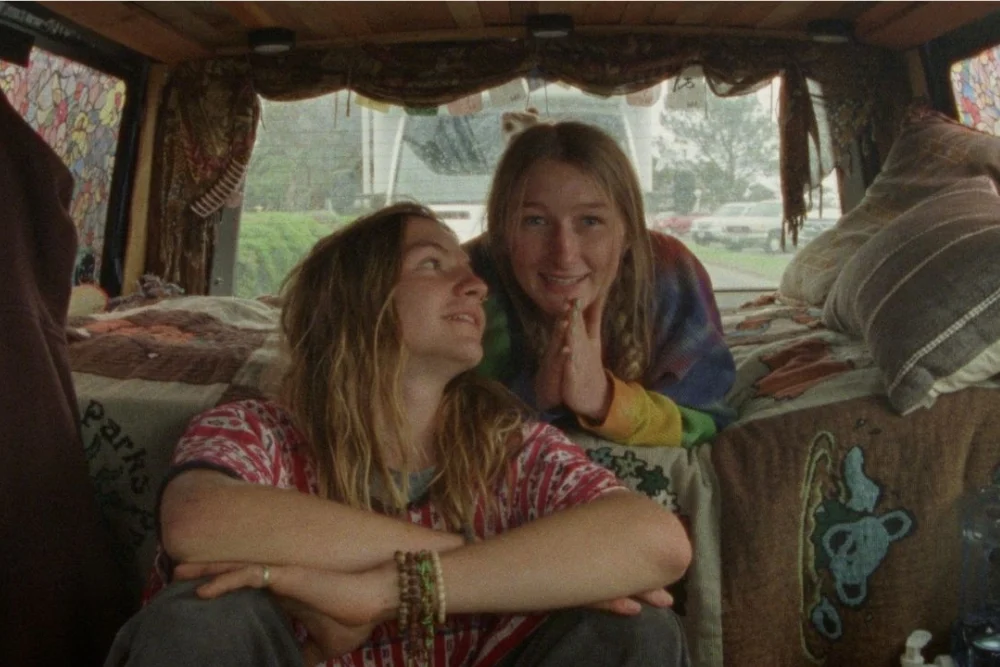
Sextro highlighted the recent release of Summer Tour, a documentary about Grateful Dead fans produced by Chloë Sevigny and directed by Mischa Richter. Rather than a standard Friday-night opening in NYC and LA, Utopia embarked on a six-week roadshow.
- The Tactic: The film played exclusively in music venues rather than traditional cinemas.
- The Value-Add: Each screening was followed by a 90-minute live concert by the Grateful Dead cover band featured in the film.
- The Result: The tour generated six weeks of revenue and organic social media buzz before the film ever hit an arthouse theater. "We use the first six weeks to promote the arthouse instead of just spending money," Sextro said. "We’re creating revenue by generating events that sell."
The Filmmaker as Partner
Central to this strategy is a shift in the relationship between the distributor and the creator. Utopia is looking for "agnostic" filmmakers—those who are willing to be active partners in the release.
"The filmmakers are the ones with the best ideas because they’ve been living with these movies for years," Sextro noted. This collaborative approach ensures that the marketing feels authentic to the film’s "soul," which is vital for capturing the attention of a skeptical, younger audience.
Implications: The Future of Global Arthouse and the Latin American Market
Utopia’s presence at the Costa Rica Media Market also signals a broader shift toward internationalism. While Utopia’s current catalog is heavily weighted toward American indies, Sextro emphasized that the company is looking to tap into the massive Spanish-language market in the United States.
Tapping into the Spanish-Language Demographic
The U.S. has a "massive Spanish-language-driven audience" that often represents the highest percentage of ticket buyers for specific genres. For Utopia, Latin American cinema represents an untapped reservoir of "passion-driven" content. The strategy for these films will likely mirror the "Summer Tour" model: finding specific cultural touchpoints and building events around them rather than relying on a generic nationwide release.
A New Standard for Indie Distribution?
The implications of Utopia’s pivot could reshape the entire independent sector. If "volume" is no longer a viable path to profitability, other mid-sized distributors may be forced to follow suit, leading to:
- Higher Curation Standards: Only films with a clear "hook" or event potential will find theatrical distribution.
- The Rise of Non-Traditional Venues: As seen with music venues and roadshows, the definition of a "movie theater" may continue to expand.
- A Focus on Community over Consumerism: The goal is no longer to reach "everyone" but to reach the "right" people—the fans who will queue up, buy the merch, and advocate for the film on Letterboxd.
"I always believe the movies are great, and there are audiences," Sextro concluded. "The thing that needs fixing right now is how they are being connected to audiences." By shrinking its footprint but deepening its impact, Utopia is betting that the future of cinema isn’t found in the convenience of a streaming menu, but in the unique, unrepeatable thrill of a live, shared event.