Valve’s Steam Machine: An Open Ecosystem Philosophy and the Future of PC Gaming in the Living Room
Introduction: Redefining Console Boundaries
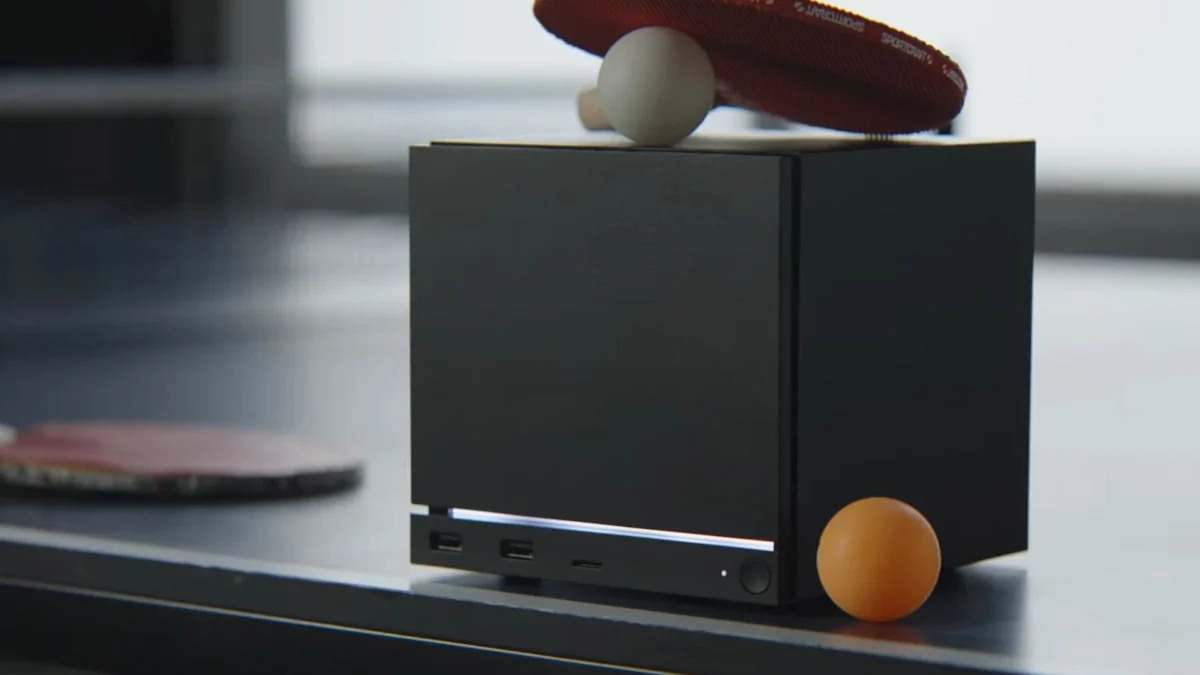
Valve’s ambitious venture into the living room, the Steam Machine, represents a significant departure from traditional console hardware. Eschewing proprietary ecosystems and exclusive titles, Valve champions an open platform philosophy, aiming to foster a robust and innovative PC gaming landscape. This approach, as articulated by key Valve engineers, prioritizes the long-term health and growth of PC gaming over the short-term gains of hardware-specific content. While the Steam Machine’s immediate impact on pricing and availability remains a concern, its underlying strategy could fundamentally alter how we perceive and access games in the future.
H2: The Genesis of Steam Machine: A Vision for Openness
The Steam Machine’s inherent duality – a PC in console form factor – is central to its design. Unlike its console brethren, it arrives without a curated library of exclusive titles. This is a deliberate choice by Valve, rooted in a commitment to an open ecosystem. Valve engineer Yazan Aldehayyat explained to Bloomberg that the company’s vision is for the Steam Machine to be a platform that allows for continuous evolution. "We want it to still be viable for other hardware manufacturers to offer things like the Steam Machine either with higher performance or a different feature set," Aldehayyat stated. This open-ended approach is intended to encourage competition and innovation among hardware partners, ultimately benefiting the broader PC gaming market.
The strategic advantage for Valve in nurturing a larger PC hardware ecosystem is clear. As more individuals engage with PC hardware, whether through Steam Machines or other custom-built systems, the more potential customers there are for games sold on the Steam platform. This symbiotic relationship underscores Valve’s long-term perspective on market growth and player engagement.
H2: A Broader PC Ecosystem: The Long-Term Game
The philosophy extends beyond just hardware manufacturers. Valve engineer Loup Griffais elaborated on the broader benefits of expanding the PC ecosystem. "We look at it from a long-term perspective," Griffais explained. "Someone that is creating one of those PCs might actually create some meaningful innovation that is really important for things to come on PC that becomes so universal and brings the experience forward by that much that now the experience is better for everyone and then people might buy more games."
This perspective highlights a fundamental difference in Valve’s approach compared to traditional console makers. Instead of locking players into a specific console generation with exclusive titles, Valve is betting on the inherent dynamism and adaptability of the PC platform. The hope is that advancements made by any entity within the PC hardware space – whether it’s a new cooling solution, a more efficient processor, or a novel input device – will eventually trickle down and enhance the gaming experience for all PC users, thereby stimulating further game purchases.
H3: The Rejection of Exclusivity: A Bold Stance
The recurring rumors of a new Half-Life title, a franchise synonymous with PC gaming and often speculated as a potential Steam Machine exclusive, are consistently downplayed by Valve. Griffais directly addressed this, stating, "Restricting where people can play a game I don’t think is a great model, at least for us. We’re much more interested in having the whole PC catalog as our ‘launch exclusive.’”
This statement is a powerful declaration of Valve’s commitment to its core platform. The "launch exclusive" metaphor cleverly reorients the concept of exclusivity. Instead of a single game being tied to a single piece of hardware, the entire vast library of PC games available on Steam becomes the exclusive offering of the Steam ecosystem, which the Steam Machine is designed to access. While this might seem counterintuitive to those accustomed to console-style exclusives, it presents a compelling proposition for new PC gamers. They gain immediate access to a significantly larger and more diverse library of titles than they would typically find on a new console.
The implication is that Valve views the Steam Machine not as a competitor to consoles in the traditional sense, but as a gateway to PC gaming for a broader audience, particularly those who might prefer the convenience of a living room setup without sacrificing the breadth of PC gaming.
H2: Chronology of Valve’s Living Room Ambitions
Valve’s journey into the living room has been a gradual evolution, marked by strategic decisions and technological advancements.
- Early Seeds of Ambition: While the Steam Machine is the most concrete manifestation, Valve’s interest in bringing PC gaming to the television dates back further. The company has long sought to bridge the gap between the dedicated gaming experience of consoles and the flexibility of PC gaming.
- The Rise of Steam: The success of the Steam digital distribution platform laid the groundwork for any future hardware endeavors. Its massive user base and established infrastructure provided a ready-made audience and distribution channel.
- SteamOS and the "Steam Box" Rumors: In the early 2010s, rumors began to circulate about Valve developing its own console, often dubbed the "Steam Box." These whispers gained traction as Valve hinted at a more integrated PC gaming experience.
- Official Announcement and Developer Kits: In late 2012 and early 2013, Valve began to officially acknowledge its work on living room hardware. The company revealed SteamOS, a Linux-based operating system designed for gaming, and began distributing Steam Machine developer kits to third-party manufacturers.
- The Steam Machine Era Begins: The first wave of Steam Machines from various manufacturers began to hit the market in November 2015. These devices offered a range of specifications and price points, all running SteamOS and providing access to the Steam library.
- The Steam Controller: Alongside the Steam Machines, Valve also introduced the innovative Steam Controller, a unique input device designed to emulate the functionality of a mouse and keyboard for controller-based gaming.
- Evolving Strategy and the Steam Deck: While the initial Steam Machine launch faced challenges, Valve continued to refine its approach. The subsequent development of the Steam Deck, a powerful handheld gaming PC, demonstrates Valve’s ongoing commitment to portable and living room PC gaming experiences, further emphasizing its open ecosystem philosophy.
H2: Supporting Data and Market Context
The success of Valve’s open ecosystem strategy hinges on the growth and dynamism of the PC hardware market. While specific sales figures for individual Steam Machines are not publicly detailed, the broader trends in PC gaming hardware provide context. The PC gaming market has consistently seen robust growth, driven by advancements in graphics technology, the increasing popularity of esports, and the continuous release of demanding AAA titles.
The Steam platform itself is a testament to the power of a large, engaged user base. With hundreds of millions of active users and a vast catalog of games, Steam remains the dominant digital storefront for PC games. Valve’s strategy of leveraging this existing ecosystem rather than attempting to create a walled garden is a significant differentiator.
Furthermore, the increasing modularity and upgradeability of PC hardware allow for a more personalized and future-proof gaming experience. This contrasts with the often-fixed hardware specifications of traditional consoles, which can become outdated over a generation. The Steam Machine, by being a PC, inherently benefits from this ongoing technological evolution.
H2: Official Responses and Valve’s Perspective
The interviews with Yazan Aldehayyat and Loup Griffais in Bloomberg offer the most direct insight into Valve’s official stance. Their words underscore a strategic vision that prioritizes long-term platform health and player benefit over short-term hardware lock-in.
- Yazan Aldehayyat: Emphasizes the desire for hardware manufacturers to have the freedom to innovate and differentiate their Steam Machine offerings. This fosters competition and potentially leads to a wider array of price points and performance tiers, making PC gaming in the living room accessible to more consumers.
- Loup Griffais: Articulates the "long-term perspective" of growing the entire PC ecosystem. He highlights how innovation by any hardware creator can lead to universal improvements, ultimately benefiting all PC gamers and driving further engagement with the Steam platform. His rejection of game exclusivity is a cornerstone of this philosophy, asserting that the entire Steam library serves as the "launch exclusive."
These statements are not just marketing rhetoric; they reflect a deeply ingrained philosophy at Valve that has guided its development of Steam and its subsequent hardware initiatives. The company’s history suggests a willingness to experiment and iterate, prioritizing user experience and platform openness.
H2: Implications for the Future of Gaming
The Steam Machine’s open ecosystem model carries significant implications for the future of gaming:
- Democratization of Living Room Gaming: By avoiding exclusive titles, Valve is making PC gaming in the living room accessible to a wider audience. Players are not forced to choose between specific hardware and a limited selection of games. Instead, they can tap into the vast PC library.
- Increased Hardware Innovation: The encouragement for third-party manufacturers to create diverse Steam Machine configurations could lead to a more dynamic hardware market, with devices catering to various budgets and performance needs. This fosters innovation in areas like cooling, form factor, and component integration.
- Shifting Console Dynamics: Valve’s approach challenges the traditional console model of tightly controlled hardware and exclusive content. It suggests a future where the lines between PC and console gaming blur further, with devices offering the best of both worlds.
- Empowerment of Players: Players gain more control over their gaming experience. They can choose their hardware, upgrade components, and access a vast library of games without being beholden to a single manufacturer’s roadmap.
- The Evolving Definition of "Exclusive": Valve’s redefinition of exclusivity as the entire PC catalog available on Steam is a potent marketing and strategic move. It highlights the inherent advantage of the PC platform’s openness and breadth of content.
H3: The Persistent Challenge of Pricing and Availability
Despite the optimistic outlook on Valve’s strategic vision, the immediate reality for consumers remains a significant hurdle. Aldehayyat’s candid observation that pricing is "getting worse" and that retail availability lags behind bulk supply by three to six months is a stark reminder of the ongoing supply chain issues impacting the tech industry.
The prospect of spending four figures to play video games in one’s living room, potentially indefinitely due to component shortages, is not an appealing one for the average consumer. This inflationary pressure on hardware costs, coupled with the lack of a clear path to more affordable options in the short term, presents a significant challenge to the widespread adoption of the Steam Machine and, by extension, Valve’s broader living room PC gaming ambitions. Overcoming these logistical and economic obstacles will be crucial for the long-term success of this open ecosystem approach.
Conclusion: A Bold Bet on Openness
Valve’s Steam Machine represents a bold departure from the established norms of the console market. By prioritizing an open ecosystem, fostering hardware innovation, and rejecting the traditional model of exclusive titles, Valve is making a significant bet on the long-term growth and appeal of PC gaming. While the immediate challenges of pricing and availability are undeniable, the underlying philosophy of empowering players and fostering a dynamic, ever-evolving platform holds the potential to reshape the future of gaming in the living room and beyond. The success of this endeavor will ultimately be measured by Valve’s ability to navigate the current market realities while staying true to its vision of a truly open and accessible gaming future.