Nuart Aberdeen 2026: A Bold New Chapter Embraces the Power of Words on the Streets
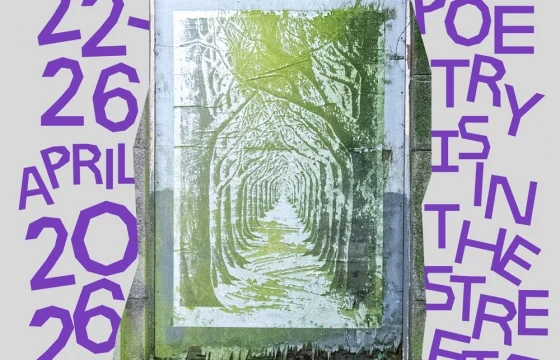
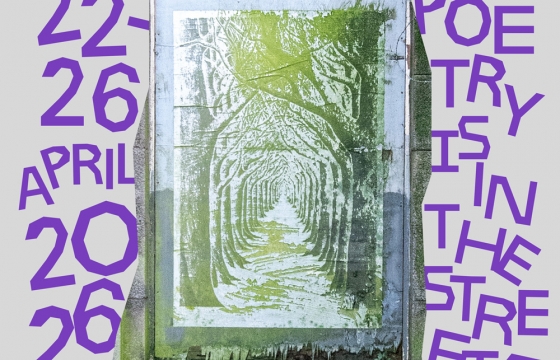
Aberdeen, Scotland – April 22-26, 2026 – Nuart Aberdeen is set to ignite the Granite City once again, but this year, the world-renowned street art festival is embarking on a groundbreaking mission. For the first time in its celebrated history, and as far as organizers can ascertain, the world over, Nuart Aberdeen 2026 will pivot its primary focus towards poetry and text-based art. This bold reorientation signals a significant shift in the street art landscape, aiming to democratize public art and foster a new generation of creative voices.
The festival, running from April 22nd to April 26th, 2026, will transform Aberdeen into an open-air gallery where the written word takes center stage. This strategic move challenges the prevailing dominance of large-scale, colorful figurative murals, which, while celebrated, often require substantial resources and can inadvertently create a barrier to entry for aspiring artists. Nuart Aberdeen’s curatorial philosophy, led by founder and curator Martyn Reed, has always strived to balance the spectacle of major artistic statements with the vital need to inspire and empower the public to engage directly with art-making.
"For better or worse, the large scale colourful figurative mural has come to dominate the culture we work with," explains Reed in his opening statement for the festival. "Although it’s an aspect of the culture we support, due to the resources required to produce murals, they’re perhaps also the least democratic form of art on the streets. As curators, researchers and producers working in ‘festival’ culture, we have a responsibility to not only showcase and celebrate the most interesting and technically competent works of our time, but to also ensure the culture’s development and survival. The only way to do this, is to inspire and encourage those without the privilege of a fine art degree or access to the arts, to have a go themselves. This has always been Nuart’s primary goal, not just to produce art, but to also inspire and produce the next generation of artists."
This year’s thematic shift is rooted in a deep understanding of street art’s genesis and its inherent potential for accessibility. Reed highlights the profound impact of smaller, more human-scale interventions – stencils and paste-ups – in igniting creative ambition. He draws a direct parallel to the foundational elements of the graffiti culture, where the relative ease of replicating a Banksy stencil, requiring little more than basic tools and an idea, has been instrumental in its global proliferation. This philosophy is not just theoretical; Nuart Aberdeen has witnessed firsthand how its events have nurtured emerging talent, with several participating artists and producers having begun their journeys as assistants and volunteers at previous festivals.
A Decade of Transformation: Nuart Aberdeen’s Evolving Canvas
Nuart Aberdeen’s journey began with a commitment to showcasing established muralists and pushing the boundaries of public art. Over the years, the festival has consistently sought to reimagine the urban landscape as a dynamic canvas, extending beyond mere walls to encompass the entire city. This expansive vision has been consistently supported by forward-thinking partners who recognize the transformative power of art in public spaces.
The genesis of the poetry and text-based focus for 2026 emerged from a period of profound reflection on the role of street art in society. Reed vividly recalls imagining a city devoid of public artistic expression, where all art is confined to guarded institutions. This stark vision was then contrasted with the vibrant energy of the 1968 student uprisings in Paris, famously marked by the slogan, "La poésie est dans la rue" – "Poetry is in the Streets." This powerful echo resonated deeply, prompting the question: could Nuart harness a similar spirit to revitalize and energize the contemporary street art scene?
Further inspiration came from a recollection of pioneering UK graffiti writer Mode2. His insightful observation about the appeal of graffiti in the 1980s UK underscored the democratizing power of text-based art. Mode2 noted that if one lacked traditional artistic skills, they were often relegated to the bottom of the class. Graffiti, however, offered an alternative, requiring only the fundamental knowledge of the alphabet. This simple yet profound realization became the cornerstone for Nuart Aberdeen 2026’s thematic direction.
"And that was it," Reed states. "It was these two quite innocuous events that formed the genesis of this year’s poetry and text based Nuart. These are forms of creative expression that we all have access to and I hope the festival sparks the public’s imagination in the same way that those early bubble letters and Banksy stencils did."
The Curatorial Vision: Words as Catalysts for Change
The decision to foreground poetry and text-based art is a deliberate and strategic one, aiming to achieve several critical objectives:
- Democratization of Art: By focusing on accessible forms of expression, Nuart Aberdeen seeks to lower the barriers to entry for artistic participation. The festival champions the idea that creativity is not solely the domain of the formally trained, but a fundamental human impulse that can be ignited with the right encouragement and platform.
- Revitalization of the Street Art Discourse: While large-scale murals have their place, this year’s focus encourages a dialogue about the diverse forms street art can take. It invites a re-examination of the medium’s potential beyond purely visual spectacle, emphasizing the power of language to provoke thought, inspire emotion, and foster connection.
- Nurturing the Next Generation: By showcasing and celebrating text-based art, Nuart Aberdeen aims to inspire individuals to engage with their own creative potential. The festival hopes to cultivate a new wave of artists who feel empowered to contribute their voices to the urban landscape, mirroring the impact of early graffiti writers who found their voice through the alphabet.
- Engaging the Urban Fabric: The festival’s long-held belief that the entire city is a canvas will be amplified. Text-based art, from subtle interventions to bold declarations, can interact with the urban environment in unique ways, weaving narratives into the very fabric of Aberdeen.
This thematic pivot is not a rejection of traditional muralism, but rather an expansion of the festival’s artistic vocabulary. It acknowledges the vital role of large-scale works while simultaneously advocating for the exploration and promotion of other equally impactful artistic expressions.
A Diverse Lineup of Word-Wielding Artists
Nuart Aberdeen 2026 boasts an impressive roster of artists who are masters of linguistic artistry and visual communication. Their work promises to engage, challenge, and inspire audiences with a diverse range of perspectives and styles. The lineup includes:
- Alisa Oleva (UK): Known for her poignant and often site-specific installations that explore themes of memory, displacement, and the ephemeral nature of urban life. Oleva’s work frequently incorporates text to create intimate dialogues with her surroundings and the viewer.
- Ciarán Glöbel (SCT): A Scottish artist whose practice often delves into social commentary and personal narratives. Glöbel’s use of text is integral to his ability to convey complex ideas with both wit and profound sincerity.
- dr.d AKA Subvertiser (UK): A prominent figure in the UK street art scene, Subvertiser is renowned for his politically charged and often humorous interventions that critique consumerism and societal norms, frequently employing clever wordplay and iconic imagery.
- HICKS (UK): An artist whose bold and graphic style often utilizes typography to deliver powerful messages. HICKS’ work is characterized by its directness and impact, making his statements resonate with a wide audience.
- James Klinge (SCT): A Scottish artist whose work often explores themes of identity, belonging, and the human condition. Klinge’s use of text can range from introspective musings to bold declarations, inviting viewers to contemplate their own experiences.
- KMG (SCT): A Scottish artist whose contributions to the street art scene are marked by their distinctive style and thought-provoking content. KMG’s textual elements often serve to add layers of meaning and narrative to his visual compositions.
- Molly Hankinson (UK): Emerging talent known for her vibrant and often empowering pieces. Hankinson’s incorporation of text frequently serves to amplify messages of resilience, self-love, and social justice.
- Remi Rough (UK): A highly respected figure in the graffiti and street art world, Remi Rough’s work is characterized by its sophisticated use of color, form, and often, profound textual elements that explore philosophy and the human psyche.
- Robert Montgomery (SCT): A Scottish poet and artist whose monumental text-based installations have gained international acclaim. Montgomery’s work often uses found materials and poetic verse to create powerful, ephemeral statements that engage with themes of nature, love, and mortality.
- The Rebel Bear (SCT): Known for his distinctive and often whimsical stencil work, The Rebel Bear frequently imbues his creations with narrative and social commentary, where text plays a crucial role in conveying his message.
- The Writing Is On The Wall (UK): A collective or artist whose name itself suggests a focus on textual communication in public spaces. Their contributions are anticipated to bring a direct and impactful approach to the festival’s theme.
- Trackie McLeod (SCT): A Scottish artist whose work often engages with local identity and cultural narratives, frequently employing text to connect with the community on a personal level.
- V2k | (LT – SCT): This artist’s participation, bridging Lithuania and Scotland, suggests a diverse perspective and a unique approach to integrating text within the urban environment, potentially exploring cross-cultural themes.
Supporting the Vision: Partnerships and Public Engagement
Nuart Aberdeen’s enduring success is a testament to the strong collaborative relationships it has cultivated. The festival acknowledges the indispensable support of its sponsors, partners, and the city council, whose belief in the transformative power of public art has enabled its ambitious projects to come to fruition.
"Thank you as ever to all of our sponsors, partners and to the city council, for allowing us once again to make a contribution to what we believe is a magical and inspiring city," states Reed.
This year, the focus on poetry and text-based art is expected to foster even deeper engagement with the public. By championing art forms that are inherently communicative, Nuart Aberdeen aims to spark conversations, encourage personal reflection, and perhaps even inspire a new wave of creative expression within the community. The ease of understanding and relating to written words can make art more accessible and inviting, transforming passive observers into active participants in the cultural dialogue.
Implications for the Future of Street Art
Nuart Aberdeen 2026’s bold thematic shift carries significant implications for the broader street art movement. By prioritizing poetry and text, the festival is not only diversifying its own artistic offerings but also setting a precedent for other institutions and events. This move signals a growing recognition of the multifaceted nature of street art and its capacity to evolve beyond established conventions.
The emphasis on accessibility and inspiration for new artists could foster a more inclusive and dynamic street art ecosystem. As the lines between artist and audience blur, and as more individuals feel empowered to contribute their voices, the urban landscape will undoubtedly become richer and more resonant.
Ultimately, Nuart Aberdeen 2026 is more than just a street art festival; it is a statement of intent. It is a celebration of language, a championing of accessibility, and a testament to the enduring power of art to inspire and transform. As the words begin to appear on Aberdeen’s walls, they will undoubtedly carry the echoes of revolutions, the whispers of poets, and the bold declarations of a new generation ready to make their mark.