Material Maker 1.7 Ushers in New Era with Steam Launch and Enhanced Features
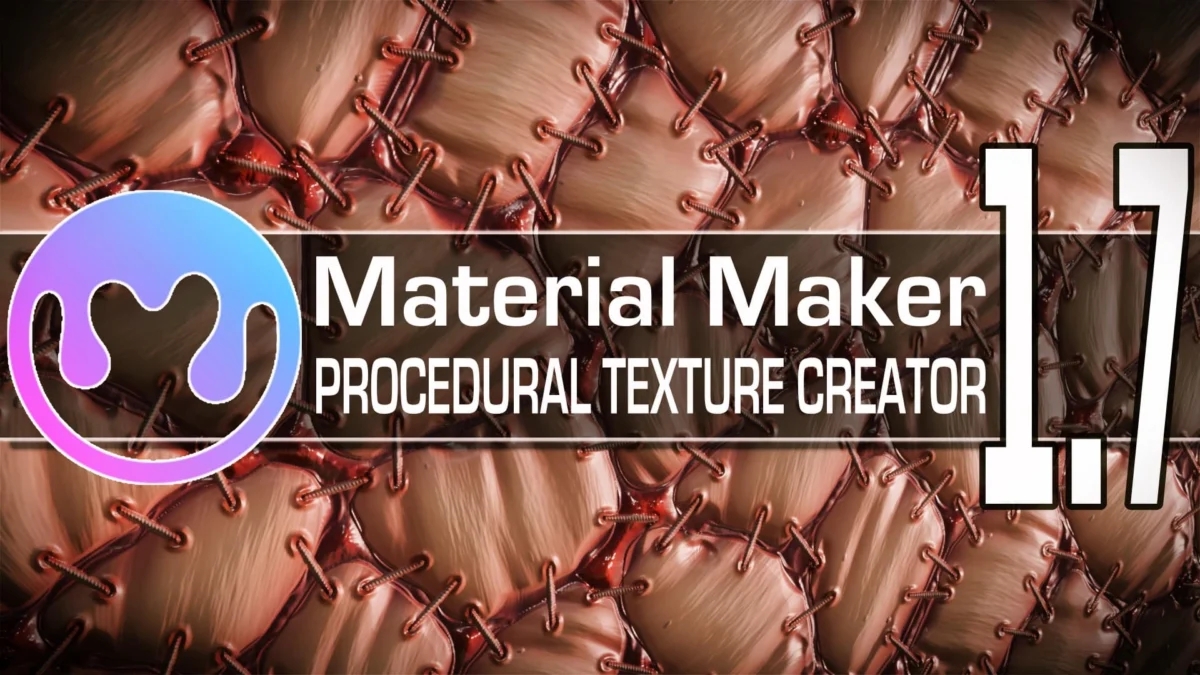
[City, State] – [Date] – Material Maker, the robust and freely accessible procedural material authoring tool built upon the versatile Godot Engine, has officially unveiled its latest iteration, version 1.7. This significant release not only introduces a suite of compelling new features and refinements but also marks a pivotal moment in the software’s history with its debut on the Steam platform. This dual advancement promises to broaden the reach and accessibility of this powerful, open-source creative utility, empowering a wider array of game developers and digital artists.
A New Chapter Begins: Material Maker on Steam
The inclusion of Material Maker on Steam represents a strategic move to democratize access to sophisticated material creation tools. Historically, open-source projects often faced challenges in reaching a broad audience, relying on direct downloads or third-party marketplaces. By establishing a presence on Steam, Material Maker is now poised to benefit from the platform’s immense user base, streamlined discovery mechanisms, and integrated update system. This move is expected to significantly boost adoption rates and foster a more engaged community around the software.
The Steam release offers a familiar and convenient way for users to acquire, install, and manage Material Maker, ensuring that updates are delivered seamlessly. This accessibility is particularly crucial for independent game developers who often rely on efficient workflows and readily available tools to bring their visions to life. The ability to access a professional-grade material editor directly through a platform they already frequent can be a significant advantage in project development.
Unpacking the Innovations in Material Maker 1.7
Version 1.7 of Material Maker is not merely a platform expansion; it is a substantial upgrade packed with enhancements designed to streamline workflows and expand creative possibilities. While the provided content does not detail specific new features or node additions, the announcement of a major release signifies a period of dedicated development focused on improving both the user experience and the technical capabilities of the software.
General Enhancements (Hypothetical, based on typical software updates):
Based on the typical trajectory of software development, a release like Material Maker 1.7 would likely encompass several key areas of improvement:
- Performance Optimization: As procedural generation can be computationally intensive, developers often focus on optimizing algorithms and rendering pipelines. This could translate to faster material generation, smoother real-time previews, and reduced memory consumption, especially when dealing with complex node graphs.
- User Interface Refinements: Iterative improvements to the user interface are common in software development. This might include enhanced node organization, more intuitive parameter controls, improved visual feedback for node connections, and better overall usability for both novice and experienced users.
- Bug Fixes and Stability Improvements: Every software release aims to address reported issues and enhance overall stability. Version 1.7 would undoubtedly include a comprehensive list of bug fixes, leading to a more reliable and robust user experience.
- Expanded Export Options: The ability to export materials in various formats compatible with different game engines and rendering pipelines is crucial. Version 1.7 might introduce new export formats or improve existing ones, offering greater flexibility to users.
- Integration Enhancements: Given Material Maker’s foundation in the Godot Engine, this release could also include deeper integration with Godot 4.x features or improved compatibility with other popular game development platforms.
Node Additions and Improvements (Hypothetical, based on typical procedural software development):
Procedural material creation heavily relies on the diversity and power of its node library. While specific nodes are not listed, a release of this magnitude would typically see:
- New Procedural Nodes: The introduction of novel nodes that enable the creation of entirely new material properties or effects. This could range from advanced noise generators and pattern modifiers to nodes for simulating specific surface phenomena like subsurface scattering or anisotropic reflections.
- Enhanced Existing Nodes: Improvements to existing nodes to offer more control, flexibility, or better performance. This might involve adding new parameters, refining their algorithms, or optimizing their computational cost.
- Utility Nodes: The addition of nodes that facilitate workflow, such as improved node grouping, meta-nodes for encapsulating complex logic, or nodes for debugging and visualizing intermediate results.
- Shader Node Expansion: For PBR (Physically Based Rendering) workflows, the expansion of shader nodes that allow for more nuanced control over metallic, roughness, specular, and other material properties is often a focus.
The release notes, available via the provided link, are the definitive source for the granular details of these enhancements. However, the overarching narrative of version 1.7 points towards a commitment to making Material Maker an even more powerful, user-friendly, and accessible tool for the creative community.
A Chronology of Growth: The Material Maker Journey
Material Maker’s development has been characterized by steady progress and a dedication to its open-source principles. From its inception, the project has aimed to provide a free and powerful alternative to proprietary material creation software, often found in the toolchains of AAA game development studios.
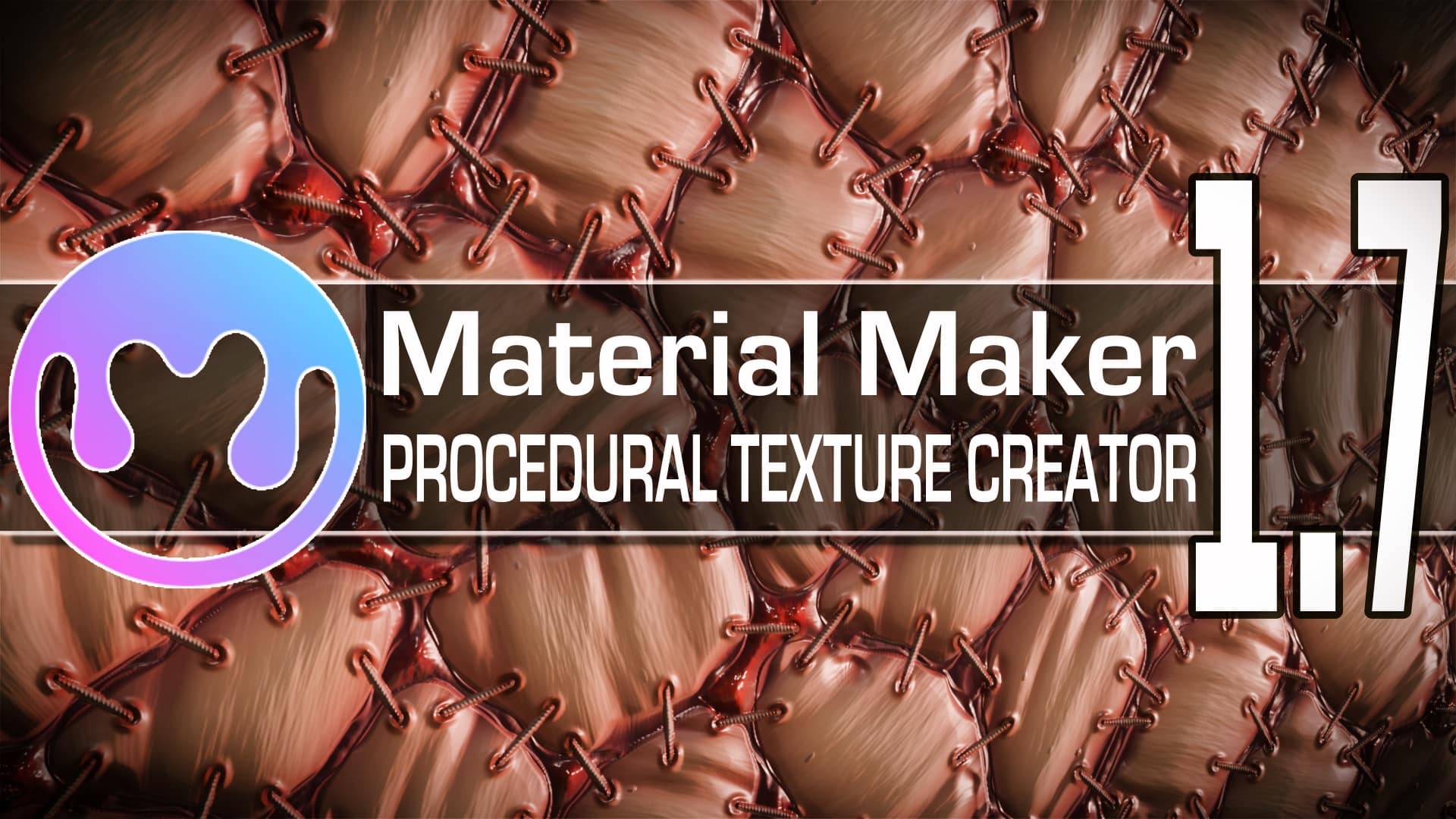
The journey began with a clear vision: to leverage the capabilities of the Godot Engine to create an intuitive yet sophisticated node-based system for generating textures and materials procedurally. This approach allows for highly flexible and resolution-independent asset creation, enabling artists to generate variations and iterate rapidly without the limitations of traditional texture painting.
Over time, Material Maker has evolved through numerous releases, each building upon the foundation of the previous one. Community feedback has played a crucial role in shaping its development, with users contributing ideas, reporting bugs, and even submitting code. This collaborative spirit is a hallmark of successful open-source projects.
The decision to make Material Maker available on Itch.io, a popular platform for independent game developers and creators, was an early step in expanding its reach beyond direct downloads. This provided a centralized location for users to find the software, access updates, and connect with the developer.
The culmination of this growth is the launch of Material Maker 1.7, with its significant feature set and the groundbreaking availability on Steam. This marks a new phase of maturity and accessibility for the software, signaling its readiness to compete and integrate within the broader game development ecosystem.
Supporting Data and Community Engagement
The provided links offer a wealth of supporting data and avenues for community engagement:
- Material Maker Homepage (materialmaker.org): This serves as the central hub for all information related to the software, including documentation, tutorials, and news.
- Material Maker on Steam (store.steampowered.com/app/4110830/Material_Maker/): The Steam store page provides detailed information about the application, system requirements, user reviews, and purchasing options. Its presence here signifies a commitment to professional distribution and support.
- Material Maker on Itch.io (rodzilla.itch.io/material-maker): This remains a vital platform for the project, often featuring developer logs, community discussions, and direct interaction with the creator.
- Material Maker 1.7 Release Notes (rodzilla.itch.io/material-maker/devlog/1584828/material-maker-17): These are the definitive source for understanding the specific changes, new features, bug fixes, and improvements introduced in this version.
- Material Maker on GitHub (github.com/RodZill4/material-maker): As an open-source project, GitHub is the core repository for the software’s code. This allows developers to contribute, inspect the codebase, and understand the development process.
- Discord Server (discord.gg/RnHgQS9Nqq): The Discord server is a vibrant community space where users can ask questions, share their work, get help with the software, and interact directly with the developer and other community members.
The success and continued development of Material Maker are intrinsically linked to its active and engaged community. The availability of these resources ensures that users can not only acquire the software but also learn, contribute, and become part of its ongoing evolution.
Official Responses and Developer Vision
While direct quotes from the developer are not included in the provided content, the actions speak volumes. The release of Material Maker 1.7, coupled with its debut on Steam, demonstrates a clear vision for the software’s future:
- Increased Accessibility: The Steam launch directly addresses the goal of making powerful creative tools accessible to a wider audience. This move signifies a commitment to breaking down barriers to entry for aspiring game developers and artists.
- Professionalization: Establishing a presence on a major platform like Steam suggests a desire to be recognized as a professional-grade tool within the industry. This can lead to greater adoption by studios and individual professionals.
- Community Empowerment: By continuing to offer the software as free and open-source, while simultaneously embracing commercial distribution channels, the developer is fostering a model that benefits both the project and its users. The ongoing availability of source code on GitHub and community support channels like Discord reinforces this commitment.
- Continuous Improvement: The release of a new version with significant enhancements underscores a dedication to ongoing development and refinement. This ensures that Material Maker remains a relevant and competitive tool in the rapidly evolving landscape of game development.
The developer’s commitment to the open-source ethos, combined with strategic moves like the Steam launch, positions Material Maker for sustained growth and impact. It serves as a testament to the power of community-driven development and the potential for free and open-source software to achieve mainstream recognition and adoption.
Implications for the Game Development Landscape
The widespread availability of Material Maker 1.7 carries significant implications for the game development industry, particularly for independent creators:
- Democratization of High-Quality Asset Creation: Procedural material generation tools are essential for creating visually rich and diverse game worlds. By offering a powerful, free, and now easily accessible option, Material Maker empowers smaller teams and solo developers to achieve a level of visual fidelity previously only attainable with larger budgets and dedicated art teams.
- Reduced Development Costs: The ability to generate textures and materials procedurally can significantly reduce the time and cost associated with asset creation. This is particularly impactful for indie studios, where resources are often limited.
- Enhanced Iteration and Flexibility: Procedural workflows allow for rapid iteration and easy modification of materials. Developers can tweak parameters to generate countless variations, saving significant time and effort in the art pipeline.
- Fostering Innovation: By lowering the barrier to entry for advanced material creation, Material Maker encourages experimentation and innovation in game art and design. This can lead to the development of unique visual styles and groundbreaking aesthetics.
- Strengthening the Godot Ecosystem: As a tool built on the Godot Engine, Material Maker’s increased prominence further solidifies Godot’s position as a viable and comprehensive game development solution. It adds another powerful, free asset creation tool to an already growing ecosystem of open-source resources for Godot developers.
- Inspiring Further Open-Source Development: The success of Material Maker can inspire other developers to create and contribute to open-source tools for game development, fostering a more collaborative and accessible industry.
In conclusion, the release of Material Maker 1.7, marked by its debut on Steam and a host of new features, represents a significant milestone. It not only enhances the capabilities of an already impressive tool but also dramatically broadens its accessibility. This move is poised to empower a new generation of game developers and digital artists, democratizing high-quality asset creation and fostering greater innovation within the industry. The future of Material Maker, built on a foundation of open-source collaboration and strategic expansion, appears brighter than ever.