Winfield Scott: The Architect of American Military Modernization and Union Victory
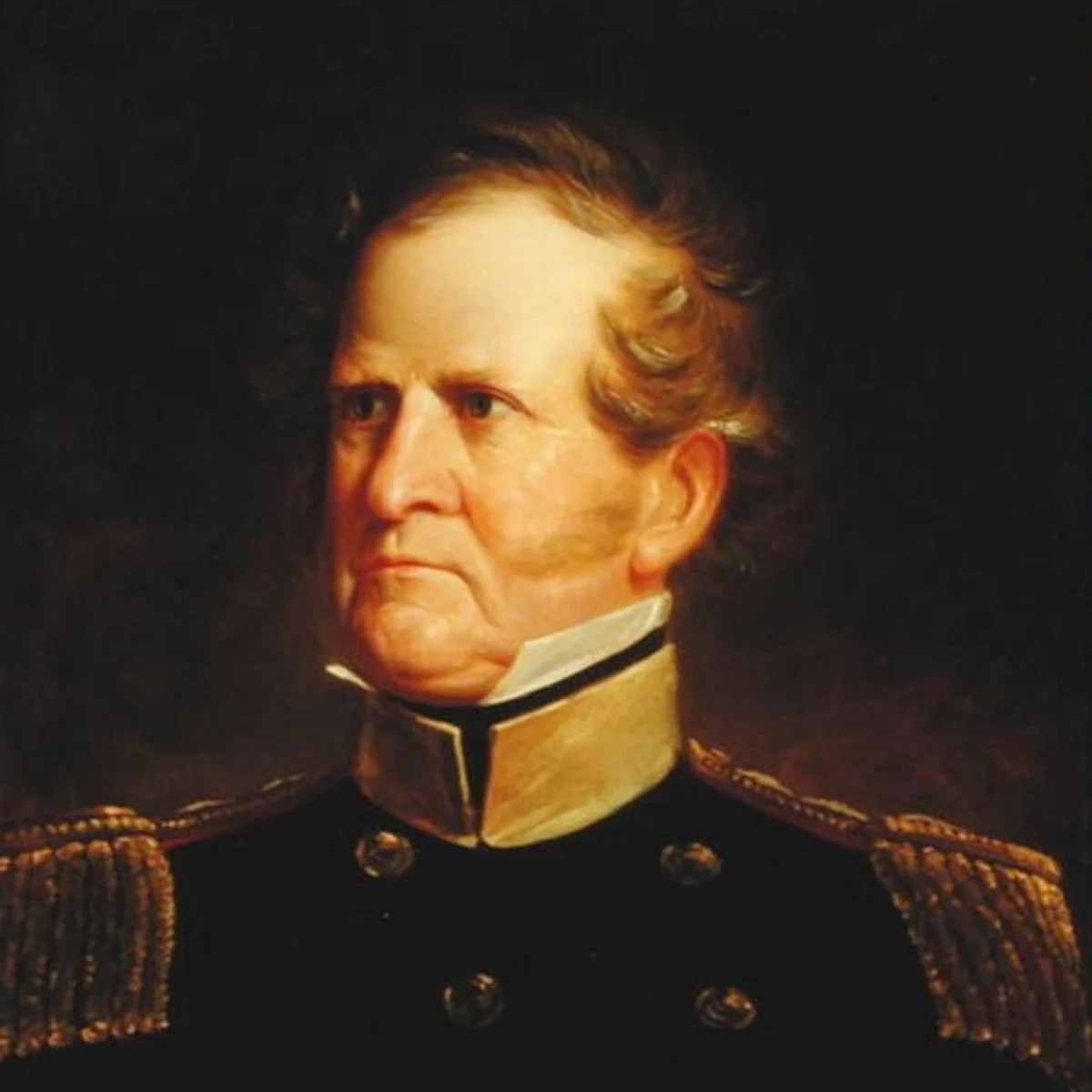
Washington D.C. – In the annals of American military history, few figures cast as long and influential a shadow as General Winfield Scott (1786-1866). A towering presence both physically and strategically, Scott was an American military leader renowned for his brilliant tactical mind, his unwavering insistence on a highly trained and disciplined army, and his visionary, albeit initially ridiculed, "Anaconda Plan" – a strategy ultimately instrumental in preserving the Union during the American Civil War. Though his proposals faced initial skepticism and mockery, the core tenets of Scott’s blueprint were progressively implemented between 1861 and 1865, fundamentally shaping the path to Union victory.
From the battlefields of the War of 1812 to the plains of Mexico and the strategic planning rooms of the Civil War, Scott’s career spanned half a century, leaving an indelible mark on the U.S. Army. He was a general who not only led troops but also meticulously crafted the doctrine and ethos that would define American military professionalism for generations. His journey, however, was not without controversy, marked by both strategic brilliance and actions that history now views with a critical eye.
Shaping the Early U.S. Army: "Old Fuss and Feathers" and Professionalism
Winfield Scott earned the memorable moniker "Old Fuss and Feathers" due to his strict adherence to proper discipline, decorum, and military precision. This nickname, while sometimes used derisively by those who found his standards exacting, underscored his profound belief in the necessity of a professional, well-drilled fighting force – a radical concept in the early American republic.
Following the American Revolutionary War, the Continental Army was largely disbanded, leaving the nascent federal government with a small, often inadequately trained standing army and local militias whose capabilities varied widely. Scott recognized this deficiency as a critical national vulnerability. In May 1814, during the War of 1812, he initiated a revolutionary transformation by establishing his 10-week "Camp of Instruction" near Buffalo, New York. Here, soldiers underwent rigorous training, drilling up to ten hours a day, utilizing French infantry manuals that Scott himself translated into English. This intensive regimen was a stark departure from the informal training common at the time, instilling a level of professionalism previously unseen in American forces.
The immediate fruits of Scott’s efforts were dramatically demonstrated at the Battle of Chippawa on July 5, 1814. Here, his highly trained American troops decisively defeated seasoned British regulars, a victory that shattered the myth of British military invincibility and propelled Scott to national fame. This battle, where American regulars in grey uniforms were mistaken for British troops due to their disciplined appearance, proved the efficacy of Scott’s training methods. It earned him the Congressional Gold Medal and a promotion to major general, solidifying his reputation as a military innovator.
Beyond the battlefield, Scott institutionalized his vision for a professional army through his seminal writings. He authored General Regulations for the Army (1821) and Infantry Tactics, Or, Rules for the Exercise and Maneuver of the United States Infantry (1835). These comprehensive manuals became standard reading for servicemen well into the 1850s, codifying everything from drill formations and logistical procedures to military etiquette and soldierly conduct. Indeed, Scott can be credited with laying the foundational doctrines that shaped the United States Army of the 1840s, and his tactics and concepts would profoundly influence many of the most significant commanders on both sides during the American Civil War.
Early Life and Formative Years: A Moral Compass and Military Heritage
Born in Dinwiddie County, Virginia, on June 13, 1786, Winfield Scott was the fifth child of William Scott and Ann Scott (née Mason). His family possessed a distinct military heritage: his father, William Scott, was a veteran of the American Revolutionary War, and his paternal grandfather, James Scott, had fought at the Battle of Culloden in Scotland in 1746 before immigrating to North America. This familial tradition of service undoubtedly influenced the young Winfield.
Growing to an imposing height of six feet and five inches, Scott hailed from a well-off family, allowing him the privilege of formal education rather than laboring as a planter, unlike his father, who passed away when Scott was only six. He commenced his studies at the College of William & Mary in 1805, immersing himself in the works of literary giants like John Milton and William Shakespeare. However, it was the military campaigns of ancient commanders such as Julius Caesar and Scipio Africanus that truly captured his imagination, hinting at his future calling. After two years, he left to pursue legal studies under attorney David Robinson, who had been brought to North America by Scott’s grandfather to serve as a family tutor.
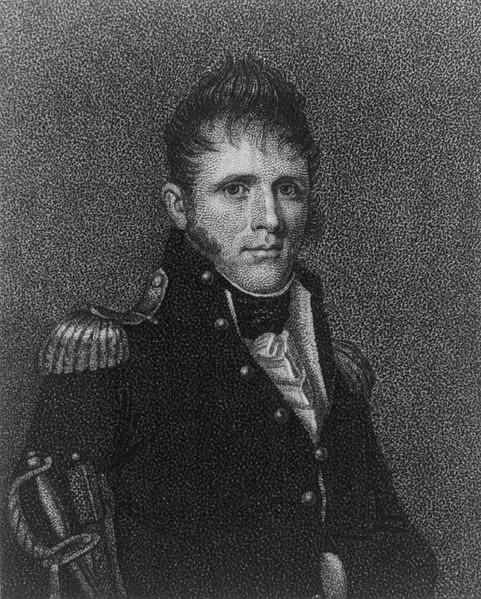
While working as a legal clerk for Robinson, Scott witnessed a pivotal event that deeply influenced his moral framework: the sensational trial of Aaron Burr for high treason in Richmond. Robinson, a prominent court reporter, was tasked with recording the proceedings and brought Scott and his fellow clerks along. At the trial, Scott crossed paths with a young reporter covering the event for the New York Gazette, Washington Irving, who would later become one of America’s most celebrated authors. Burr’s acquittal, despite Scott’s personal conviction of his guilt, reinforced a belief nurtured by his Christian upbringing and earlier studies: that an objective standard of right and wrong existed, and individuals had a moral imperative to uphold what was just and proper. Throughout his life, this conviction manifested as a quick temper and a low tolerance for "wrong behavior," traits that would occasionally lead him into conflict.
Enlistment and the Crucible of the War of 1812
After being admitted to the bar in 1806 and practicing law in Dinwiddie County, Scott’s path irrevocably shifted towards military service. In 1807, he enlisted in the Virginia Militia, serving as a corporal of cavalry. The following year, President Thomas Jefferson authorized an expansion of the U.S. Army, and Scott seized the opportunity, receiving a commission as a captain in the light artillery.
His early military career, however, was not without its trials. Stationed in New Orleans, Scott found himself under the command of General James Wilkinson, a controversial figure who, despite being the star witness against Aaron Burr, was later implicated as an accomplice in the very conspiracy he helped expose. Wilkinson’s corruption was blatant: he owned the land where the troops were bivouacked, a poorly sanitized area that led to widespread illness and death among the soldiers. Despite orders from Secretary of War William Eustis to relocate his troops, Wilkinson refused, as he was financially profiting from the deplorable arrangement.
Scott, true to his moral convictions, vocally opposed Wilkinson’s negligence and self-interest. His outspoken criticism ultimately led to a court-martial in 1810 and a year-long suspension from the army. During this enforced hiatus, Scott returned to practicing law but dedicated himself to an intensive study of military tactics, devouring works by historical commanders on strategy and warfare. This period of academic immersion proved invaluable, deepening his understanding of military theory and preparing him for the conflicts to come.
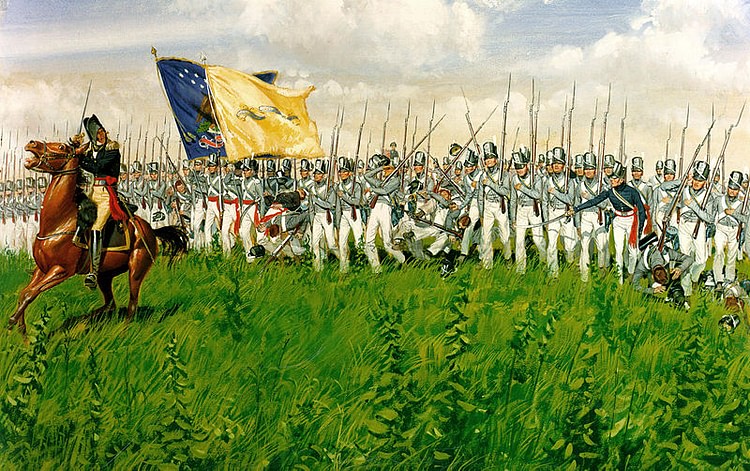
When the War of 1812 erupted, Scott’s talents were desperately needed. He was promoted to lieutenant colonel and dispatched north to support General Stephen Van Rensselaer’s invasion of Canada. At the Battle of Queenston Heights, after Van Rensselaer was wounded, Scott took command, but his forces were ultimately overwhelmed, leading to his surrender and capture. He was released approximately a month later in a prisoner exchange. In 1813, serving as chief of staff to Major General Henry Dearborn, Scott significantly improved the administrative efficiency of the armies on the Canadian frontier and played a key role in planning the attack for the Battle of Fort George, a Union victory where, unfortunately, most of the British garrison managed to escape.
As detailed earlier, his brigadier general promotion in May 1814 and the subsequent success of his Camp of Instruction culminated in the decisive victory at the Battle of Chippawa. However, his service in the War of 1812 concluded with a severe wound at the Battle of Lundy’s Lane on July 25, 1814, forcing him to sit out the remainder of the conflict. After the war’s end in February 1815, Scott served on the board responsible for demobilizing and restructuring the army. In March 1817, he married Maria DeHart Mayo, settling in Elizabethtown, New Jersey. Their marriage lasted 45 years, producing seven children, until her death in 1862. Scott never remarried.
Indian Wars and Political Aspirations: A Complex Legacy
The period between 1817 and 1840 saw Scott’s involvement in both military campaigns and the burgeoning political landscape. He played a crucial role in concluding the Black Hawk War in 1832 and applied his intensive training programs and drills during other Indian Wars, including the Second Seminole War and the Creek War of 1836. His dedication to military effectiveness was unwavering, regardless of the foe.
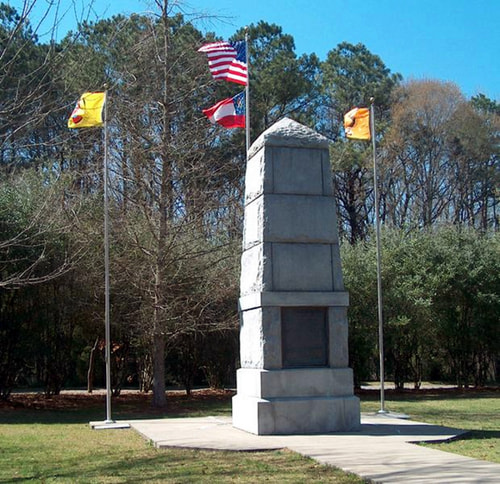
However, this era also marked one of the most controversial chapters in Scott’s career: his supervision of the forced removal of the Cherokee Nation from the Southeastern United States in 1838, an event tragically known as the Trail of Tears. Scholar Amy S. Greenberg starkly notes, "Although the tribe offered no violent resistance, over a quarter of the Cherokee died on the Trail of Tears while under Scott’s supervision" (171). This brutal displacement, driven by the policy of Manifest Destiny and land hunger, represents a profound moral failure in American history. As with other prominent U.S. Army commanders of the era, such as George Armstrong Custer and William Tecumseh Sherman, Scott’s role in the treatment of Native Americans remains a dark and regrettable stain on an otherwise distinguished military career.
During this period, Scott also demonstrated diplomatic prowess, de-escalating tensions between the United States and Britain over territorial disputes along the Canadian border, showcasing his ability to navigate complex geopolitical challenges without resorting to military conflict. His growing public profile led to political aspirations. As a member of the Whig Party, he was considered a compromise candidate at the 1839 convention, but the nomination ultimately went to William Henry Harrison. In 1841, Scott achieved a significant career milestone, being promoted to the office of Commanding General of the United States Army. Despite this, his presidential ambitions remained unfulfilled; in 1844, he was again bypassed for the Whig Party nomination, which went to Henry Clay. Clay was subsequently defeated by James K. Polk, whose platform of western expansion would inevitably lead the United States into conflict with Mexico.
The Mexican-American War: A Strategic Masterclass and Its Aftermath
The annexation of Texas in 1845, following its declaration of independence in 1836 after the Texas Revolution, ignited the Mexican-American War in April 1846. Initially, U.S. forces were led by Zachary Taylor, who focused on conquering Mexico’s northern regions. While Taylor achieved impressive victories, it became increasingly clear that a decisive victory required taking Mexico City, the capital. Scott, as Commanding General, proposed a bold plan: an amphibious invasion of the port of Veracruz, followed by an overland march to the capital.
President Polk, recognizing the strategic brilliance of the plan and Scott’s unmatched experience, placed him in direct command of the invasion. As scholar Martin Dugard observes, "As the Mexican War began, Scott had been a general for three decades. No one in the U.S. Army, not even Zachary Taylor, possessed such standing. Scott had all but forgotten what it felt like to hold a lesser rank" (293).
Scott meticulously organized the largest amphibious assault in U.S. history up to that time, landing troops and artillery at Veracruz. The siege was intense, culminating in a devastating bombardment of the city. Greenberg details the grim reality: "When the Mexican army refused to surrender, Scott ordered his artillery to fire. For forty-eight straight hours, shells descended on the people of Veracruz, smashing homes, churches, and schools indiscriminately… Scott refused their request and stated there would be no truce without surrender. The general intensified his bombing the following day and, as Scott expected, the demoralized army came to terms… Mexico estimated that up to 500 civilians and 600 soldiers were killed in the bombardment" (170-171). This ruthless efficiency, while militarily effective, highlights the brutal cost of warfare and Scott’s willingness to employ overwhelming force to achieve his objectives.
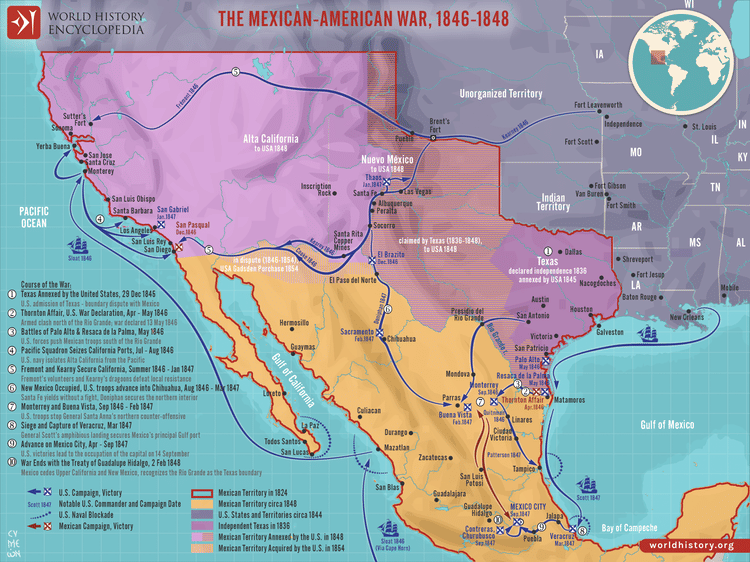
Following the capture of Veracruz, Scott led his invasion force inland, executing a brilliant campaign that culminated in the capture of Mexico City, effectively winning the war. This campaign proved to be a critical proving ground for a generation of future American military leaders. Many Civil War generals, both Union and Confederate, served under Scott or Taylor during this conflict. Figures like Ulysses S. Grant, George B. McClellan, Robert E. Lee, Thomas "Stonewall" Jackson, P.G.T. Beauregard, James Longstreet, Winfield Scott Hancock, Lewis Armistead, John Bell Hood, and Albert S. Johnston all honed their tactical skills and gained invaluable combat experience under Scott’s command. Robert E. Lee, in particular, was deeply influenced by Scott’s strategic thinking and leadership, while Ulysses S. Grant learned much from Taylor. These unofficial mentorships and shared experiences forged a cadre of officers who would later confront each other on the battlefields of the Civil War.
The Anaconda Plan for the Civil War: A Vision Ahead of Its Time
After his Mexican War triumphs, Scott was the Whig Party’s presidential candidate in 1852 but lost to Franklin Pierce. Pierce’s campaign aggressively attacked Scott, resurrecting old controversies like his 1810 court-martial and the harshness of the Veracruz assault. Despite this political setback, Scott continued as Commanding General and, in 1855, was promoted to brevet lieutenant general, a rank previously held only by George Washington, underscoring his unparalleled service.
As Southern states began to secede in 1860 following Abraham Lincoln’s election, Scott, now aged and infirm, remained a steadfast Unionist. He organized the defenses of Washington, D.C., and oversaw security for Lincoln’s inauguration in March 1861, navigating the perilous political landscape.
When the American Civil War erupted with the Confederate attack on Union-held Fort Sumter on April 12, 1861, Lincoln issued a call for a volunteer militia of 75,000 men to quell the rebellion. Scott, drawing on his decades of experience, strongly objected. He believed the conflict demanded a professional fighting force that would require significant time to train, not a hastily assembled militia. Lincoln and his administration, however, rejected Scott’s concerns, operating under the flawed assumption that Southern secessionists were a small, vocal minority. They believed a quick, decisive march south would be welcomed by the majority of Southerners, swiftly restoring the Union.
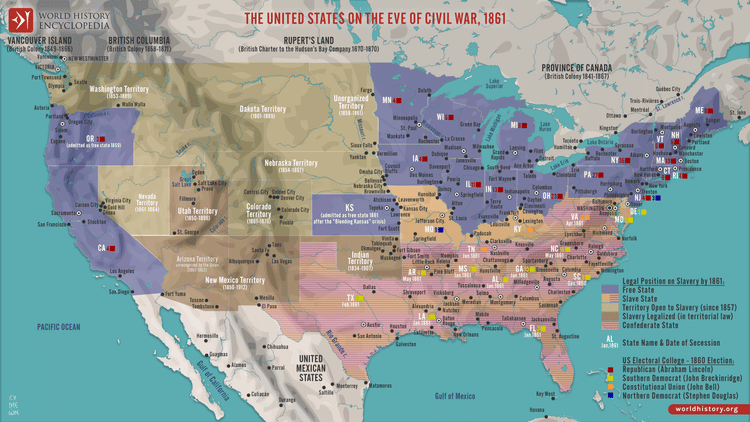
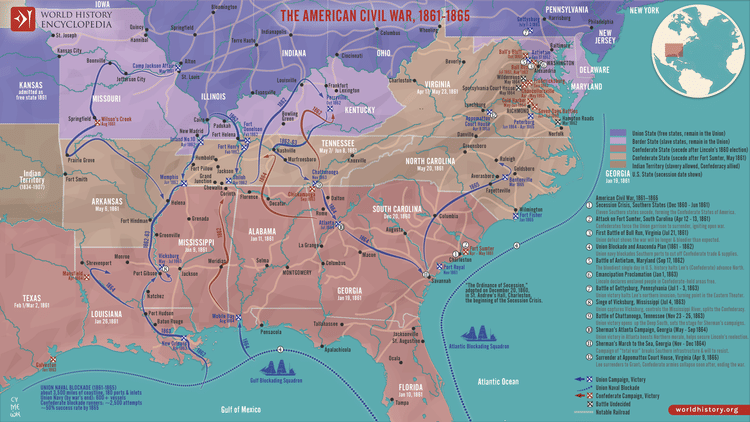
Scott, seeing the true gravity and potential duration of the conflict, conceived a carefully constructed, long-range strategy known as the Anaconda Plan. Scholar Alan Taylor describes its essence: "During the spring of 1861, the Union’s elderly commanding general, Winfield Scott, proposed a methodical strategy that would slowly build up a trained army while the navy enforced a blockade on southern ports meant to suffocate the Confederate economy. Eventually, part of the army would advance down the Mississippi to reopen that trade corridor for the Midwest. Wits called his scheme the ‘Anaconda Plan,’ after a large snake that encircles and slowly crushes its prey" (172-173).
This plan, however, clashed sharply with the prevailing public and political desire for a swift resolution. "Scott’s plan required a more patient people than the Americans," Taylor notes. "Newspapers, citizens, and politicians (including Lincoln) clamored for a quick strike south from Washington, D.C., on Richmond, the new Confederate capital. Yankees wanted to believe that the Confederacy was an unpopular house of cards that would collapse if given a quick, hard push" (172-173).
Initial skirmishes, such as the Battle of Fairfax Courthouse on June 1, 1861, and the Union victory at the Battle of Philippi (Philippi Races) on June 3, seemed to validate the "quick win" hypothesis for many in Washington. Confederate forces fled en masse at Philippi, reinforcing the belief that secessionists could be easily routed. This fueled further calls for an immediate offensive.
The fallacy of this belief was brutally exposed at the Battle of First Bull Run (First Manassas) on July 21, 1861. Union forces under General Irvin McDowell launched an offensive towards Richmond and were decisively defeated. Although Scott had initially objected to the offensive, he eventually relented and contributed to its planning. The humiliating defeat prompted blame, with both Scott and McDowell facing criticism. In the aftermath, Scott, weary and vindicated in his earlier warnings, resigned his commission. He suggested General Henry Halleck as his successor, but Lincoln instead chose General George B. McClellan, whose overly cautious nature would frustrate Union efforts throughout 1861 and into 1862.
Enduring Legacy: The Architect of Modern American Warfare
Though Winfield Scott’s Anaconda Plan was officially rejected in 1861, its essential components proved prescient and indispensable. The naval blockade of Southern ports, designed to strangle the Confederate economy, was gradually implemented and became increasingly effective. Crucially, the Union’s Western Campaign, aimed at gaining control of the Mississippi River to cut the Confederacy in two, mirrored Scott’s strategic vision. The pivotal taking of Vicksburg by Ulysses S. Grant on July 4, 1863, dramatically demonstrated the plan’s efficacy and strategic importance, fulfilling a core objective of the Anaconda Plan.
Furthermore, Scott’s insistence on a professionally trained fighting force, initially dismissed, eventually became a cornerstone of Union strategy. Under General McClellan, and more profoundly under Grant and Sherman in 1864-1865, the Union Army evolved into the formidable, disciplined force Scott had always envisioned. Thus, Winfield Scott can rightly be considered the intellectual architect of the Union victory in the Civil War, providing the strategic framework and advocating for the professional military ethos that ultimately brought the conflict to a close.
Beyond the Civil War, Scott’s influence extended to the very formation of the American nation-state. As scholar John S. D. Eisenhower aptly notes, "The less remembered role of Winfield Scott was that of the agent of Manifest Destiny, the expansion of the United States from the borders of the original thirteen colonies to the far-off Pacific Ocean. When Scott first came into service, the United States was a loosely knit federation of states, its borders and its future uncertain. It was filled with ambitious men, some of whom were not completely sold on the United States as a unified country. By the time he left, the republic filled the North American continent as a single nation…" (xiii).
Winfield Scott died of natural causes at West Point, New York, on May 29, 1866, at the age of 79. He lived long enough to witness the Union preserved and the initial phase of the Reconstruction Era begin. His record for the greatest length of service as a general in the United States Army remains unbroken, a testament to his enduring commitment. Today, his legacy is commemorated through numerous place names, monuments, and statuary across the country, honoring a military titan whose life’s work profoundly shaped the United States and its armed forces. His career encapsulates the complexities of American expansion, military innovation, and the persistent tension between military necessity and moral imperatives.