Freak War: A New Contender Blends Pokémon’s Evolution, Exploding Kittens’ Chaos, and Classic War for Accessible TCG Fun
In an increasingly diverse landscape of tabletop gaming, where complex strategy games often vie for attention with quick, casual party experiences, a new contender is emerging that seeks to bridge the gap. “Freak War,” a novel party-game trading card game (TCG), is poised to offer the engaging battles typically found in TCGs without the often-daunting commitment of extensive rule-learning or intricate deck-building. Developed by cartoonist Nate Galbraith, known online as "sketchnate," this game promises a refreshing blend of familiar mechanics wrapped in a uniquely whimsical package.
Freak War draws its inspiration from an intriguing confluence of popular card games and real-world observations. It aims to capture the evolving monster dynamics reminiscent of Pokémon, infuse them with the fast-paced, unpredictable chaos characteristic of party game hits like Exploding Kittens, and ground it all in the fundamental, accessible framework of the classic playing card game, War (also known as Battle). The result is a vibrant, accessible, and often hilarious card game designed for players seeking fun and engagement without the usual barriers to entry.
The Genesis of a Hybrid: From Playground Observation to Card Game Innovation
The inception of Freak War is rooted in a moment of candid observation, a hallmark of inventive design. Nate Galbraith, a cartoonist with a keen eye for playful absurdity, found his muse not in a design brief or market analysis, but in the simple act of watching children play.
The Spark of Inspiration
Galbraith recounted witnessing a scene familiar to many parents and educators: children attempting to emulate the intricate battles of Pokémon, but armed only with a deck of Uno cards. This improvisational play, while commendable for its creativity, highlighted a gap. The children craved the strategic depth and monster-battling fantasy of Pokémon, but the tools at hand—and likely their age or attention spans—weren’t quite right for the complexity of a true TCG. Galbraith’s suggestion for them to instead play the traditional card game War, a game renowned for its simplicity and direct head-to-head confrontation, proved pivotal.
This observation led to a Eureka moment. What if one could combine the intuitive, turn-based simplicity of War with the captivating creature evolution and strategic depth of Pokémon, all while adding a layer of unpredictable, laugh-out-loud effects akin to Exploding Kittens? This synthesis became the foundational concept for Freak War. Galbraith began populating these hybrid mechanics with a menagerie of his own bizarre and endearing creature designs, giving the game its distinct personality and titular "freaks." The core idea was to distill the most enjoyable elements of these diverse genres into a single, cohesive, and — crucially — easy-to-learn experience.
Crafting Accessibility: A TCG Without the Barrier to Entry
A significant hurdle for many aspiring TCG players is the perceived, and often actual, complexity of the genre. Traditional TCGs like Magic: The Gathering or even Pokémon itself often require players to spend considerable time learning intricate rule sets, understanding card synergies, and meticulously constructing "decks" from a vast pool of available cards. This deck-building aspect, while offering immense strategic depth, can be intimidating, time-consuming, and potentially expensive, effectively creating a barrier to entry for casual players or those new to the hobby.
Freak War directly addresses this challenge by championing accessibility. Its design philosophy revolves around minimizing these traditional TCG hurdles. The game explicitly states that players "don’t even need to build a deck," allowing them to jump straight into the action by simply splitting a shuffled deck among themselves. This "pick-up-and-play" ethos is revolutionary for a game that still categorizes itself as a TCG. By abstracting away the complex deck-building phase, Galbraith aims to make the thrill of TCG battles available to a much broader audience, including families and younger players, without diluting the fun or strategic engagement. The option to build custom decks remains for those who desire deeper strategic engagement, but it is presented as an enhancement rather than a prerequisite. This dual approach ensures both immediate playability and long-term depth.
Unpacking the Gameplay: Simplicity Meets Strategic Depth
At its heart, Freak War is designed for immediate engagement, yet it cleverly weaves in elements that provide surprising strategic depth and replayability. The game’s mechanics are streamlined to facilitate fast-paced action, making it an ideal candidate for impromptu game nights or casual gatherings.
Core Combat Loop
Freak War accommodates up to four players, though the modular design suggests it could easily scale for more with additional decks. The fundamental gameplay loop is elegantly simple: players begin by splitting a shuffled deck of creature and modifier cards amongst themselves. In a turn, all players simultaneously reveal a creature card. The creature with the highest attack level emerges victorious, claiming all cards played in that round. This simultaneous reveal mechanism eliminates downtime, keeps all players constantly engaged, and injects a thrilling element of surprise into every round.
Should two or more players reveal creatures with identical, highest attack levels, a "War" is declared. In this scenario, the tied players each discard a card face down before revealing another creature card face up to determine the winner of the contested round. This adds a layer of tension and resource management, as players must decide whether to risk a valuable card in a tie-breaker. The overall winner of the round collects all the cards played and adds them to their "win pile." These collected cards are not immediately removed from the game but are reshuffled back into the player’s active deck, ensuring that the game’s resources remain in circulation and players have a chance to reclaim lost cards. The ultimate objective is to be the last player standing, having successfully claimed all cards from their opponents.
Dynamic Evolution and Modifiers
Beyond the core combat, Freak War introduces dynamic elements inspired by its TCG heritage. Players can interact with their creatures in ways that evoke the strategic depth of more complex card games. The most prominent of these is the ability for creatures to "evolve" into more powerful forms, directly echoing the iconic mechanic of Pokémon. This evolution isn’t merely cosmetic; it significantly boosts a creature’s attack power, fundamentally altering the outcome of battles. The timing and decision of when to evolve can be a critical strategic choice, adding a layer of tactical planning to the otherwise simple combat.
Further enriching the gameplay are a variety of "modifier" cards. These cards introduce classic "take-that" mechanics, allowing players to directly influence the strength of their own creatures or those of their opponents. Examples include power-boosting items like a "Super Sword" or even a "Super Duper Sword," which provide temporary or permanent attack bonuses. Conversely, modifiers can be used to reduce an opponent’s creature strength, swap cards with a rival, or even cancel other modifier effects, leading to unpredictable swings in momentum. The integration of these modifiers means that even a seemingly weaker creature can become a formidable challenger with the right enhancement, keeping players on their toes and ensuring no battle is truly decided until all effects have resolved.
Varied Modes for Diverse Playstyles
Understanding that different groups of players seek different experiences, Freak War offers distinct game modes, each with its own flavor of chaos or strategy.
- War Mode: This mode leans into the game’s namesake, emphasizing speed and unpredictability. Players simply flip the top card of their deck to play, minimizing decision-making and maximizing the "luck of the draw" element. This is ideal for quick, lighthearted sessions where the emphasis is on immediate fun and unexpected outcomes, perfect for casual gatherings or younger players.
- Battle Mode: For those who prefer a more strategic approach, Battle Mode allows players to choose a creature card from their hand to play. This introduces a layer of tactical decision-making, as players must consider the strengths and weaknesses of their available creatures, anticipate opponents’ moves, and strategically deploy their most powerful cards or critical modifiers. This mode caters to players who enjoy a bit more planning and thoughtful engagement.
In addition to these core modes, Freak War also introduces further modifications through "King of the Hill" and team rules. "King of the Hill" likely adds an objective-based layer, where players might vie for control of a central card or pile, while team rules open up possibilities for cooperative or competitive play within teams, adding another dimension of social interaction and strategic alliance. This modularity ensures that Freak War can be adapted to suit a wide range of player preferences and group dynamics, significantly enhancing its replayability and long-term appeal.
The Pursuit of Victory
The winning condition, as mentioned, is to collect all cards from your opponents. This creates a dynamic where players are constantly vying for control of the collective card pool. Losing cards means your deck diminishes, putting you closer to elimination, while winning cards bolsters your resources, pushing you towards victory. The reshuffling of won cards back into a player’s deck ensures that powerful creatures or crucial modifiers aren’t permanently out of play, creating a cyclical flow of resources that keeps the game engaging until the very last card is claimed. This design prevents early eliminations from feeling too punishing and maintains a sense of hope and comeback potential throughout the game.
The Whimsical World of Freak War: Art, Lore, and Playful Meta-Narratives
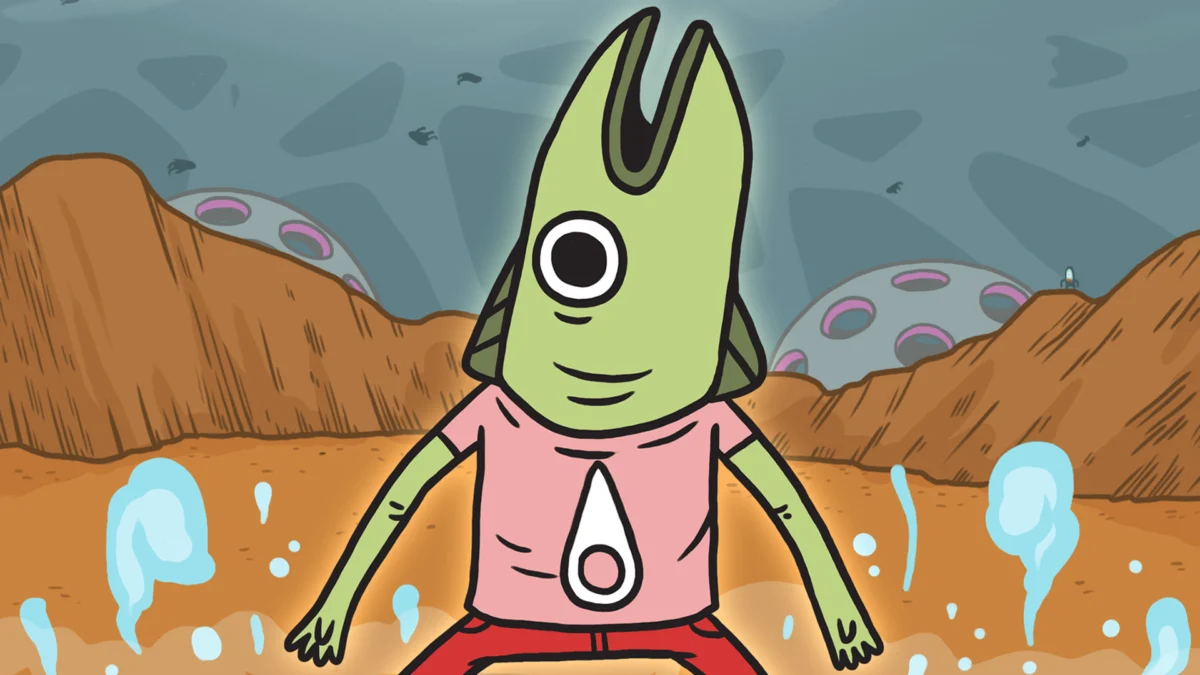
One of Freak War’s most distinctive and endearing qualities is its vibrant and utterly bizarre artistic direction, coupled with a whimsical lore that fully embraces its "freakish" premise. Nate Galbraith’s background as a cartoonist shines brightly through every card, establishing a unique identity that sets it apart from other TCGs and party games.
Sketchnate’s Distinctive Artistic Vision
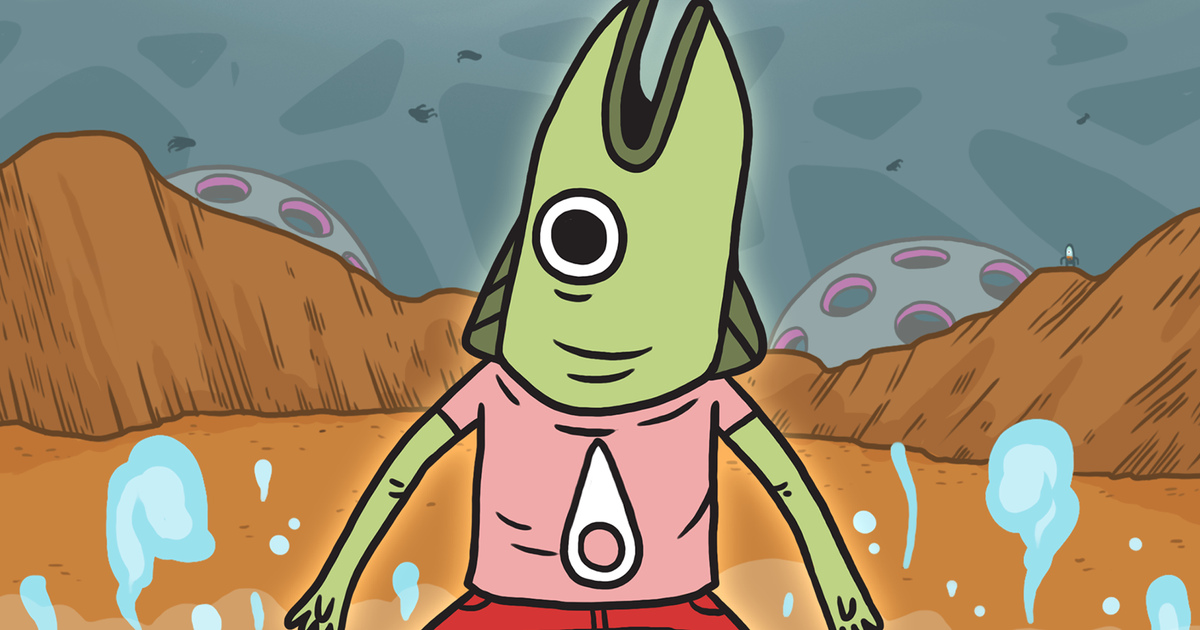
The visual appeal of Freak War is undeniably central to its charm. Galbraith’s art, under his "sketchnate" moniker, is characterized by a playful, often goofy aesthetic that perfectly complements the game’s lighthearted tone. The creatures are not fearsome or intimidating; instead, they are endearing in their strangeness, inviting laughter and curiosity rather than apprehension. This artistic choice is deliberate, aiming to create a welcoming atmosphere for players of all ages, especially younger ones who might be drawn to the vibrant and humorous illustrations. The card layout itself pays homage to its inspirations, with the original article noting a "quite explicit inspiration" from Pokémon cards, making the transition for fans of that franchise even smoother. This visual consistency, combined with Galbraith’s unique style, crafts a world that is both familiar and refreshingly original.
A World Transformed: The Lore of the Second Sun
The backstory of Freak War is as delightfully absurd as its creatures. The lore posits the emergence of a "second sun," a cosmic event that irrevocably altered the natural world. This cataclysmic, yet strangely charming, mutation transformed familiar animals into a pantheon of eccentric "freaks." Players are introduced to a captivating cast of characters that includes:
- Muscly Fishpeople: A bizarre fusion of aquatic and humanoids, embodying strength and absurdity.
- A Time-Traveling Tiger: Suggesting temporal shenanigans and unpredictable abilities.
- A Partying Platypus: Evoking a sense of carefree fun and perhaps special abilities related to celebration or disruption.
- A Dog with a Goldfish Bowl for a Head: A poignant and comical image, hinting at vulnerability and unique perspectives.
- A Sad Bee: A creature that tugs at the heartstrings while still being inherently silly.
- A Man Cat: Which, as described, appears to be "basically a bloke in a cat costume," a wonderfully meta-commentary on anthropomorphism and disguise.
And these are just a few examples. The Kickstarter campaign and various packs promise dozens more creatures, from "buff penguins" to "cute-looking snails," each with Galbraith’s distinctive interpretation of how ordinary creatures might evolve under extraordinary circumstances. This rich tapestry of lore, while not overly complex, provides a delightful narrative backdrop that enhances player immersion and encourages attachment to these wonderfully weird characters.
Humour and Engagement: Meta-Gameplay Elements
Beyond the visual and narrative lore, Freak War injects a dose of playful meta-commentary and fourth-wall-breaking humor directly into its gameplay. Modifier cards, while primarily serving to alter combat stats, often carry quirky descriptions or effects that add to the game’s personality. For instance, in addition to straightforward power-ups like the "Super Sword," there are cards that allow players to "swap cards with a rival," "cancel a modifier," or "flip coins for the chance of a power boost," all contributing to the game’s dynamic and unpredictable nature.
Perhaps the most charming examples of this meta-gameplay are certain creature effects. The "scrap-loving Fly Guy," for instance, gains power if there’s "uneaten food near the players." This not only adds a humorous, situational bonus but also subtly encourages players to engage with their physical surroundings, blurring the lines between the game world and the real world in a lighthearted manner. Such elements are indicative of a party game design philosophy that prioritizes laughter, interaction, and memorable moments over strict adherence to conventional game logic. These playful touches reinforce Freak War’s identity as a game that doesn’t take itself too seriously, inviting players to relax and enjoy the whimsical chaos.
Navigating the Party Game Landscape: A Fresh Alternative
The party game genre, while immensely popular, has faced a period of both saturation and critique. For many years, the market has been dominated by certain archetypes, particularly those that rely on shock value or simple, repetitive mechanics. Freak War emerges as a deliberate counterpoint to these trends, offering a fresh and genuinely innovative alternative.
A Response to Market Saturation
The original article subtly expresses a weariness with the current state of party games, noting, "As someone who is admittedly tired of many copy-paste or just downright gross party games (looking at you, double-offending Cards Against Humanity clones)." This sentiment resonates with a growing segment of the gaming community. While games like Cards Against Humanity undoubtedly carved out a significant niche and continue to be popular in certain social contexts, their success has spawned numerous imitations. Many of these clones often fail to capture the original’s subversive wit, instead relying on crude humor or predictable setups without offering genuine innovation or broad appeal. This has led to a market saturated with similar-feeling games, leaving players searching for something genuinely different, engaging, and perhaps more universally palatable.
The critique extends beyond just "gross" content. Many party games, in their pursuit of simplicity, can also become overly simplistic or repetitive, lacking the depth to sustain interest beyond a few plays. Players are increasingly looking for games that offer quick fun but also possess a clever hook, strategic nuances, or thematic richness that elevates them above mere time-fillers.
Freak War’s Unique Positioning
In this context, Freak War positions itself as a refreshing antidote. Its unique blend of TCG mechanics with party game accessibility offers a distinct value proposition. It provides the excitement of creature battles and card effects without requiring players to wade through dense rulebooks or commit to expensive collections. This makes it an excellent choice for:
- Family Play: Its goofy art, lighthearted lore, and manageable rules make it suitable for intergenerational play, fostering shared enjoyment among family members.
- Casual Gatherings: For friends who want a quick, engaging game without the pressure of deep strategy or competitive intensity, Freak War offers immediate fun.
- Gateway Game: It serves as an excellent introduction to TCG concepts for younger players or those new to card games, potentially sparking an interest in more complex genres down the line.
Crucially, Freak War achieves this without resorting to offensive humor or relying on shock value. Its humor stems from its inherent absurdity and playful meta-elements, creating an environment of lighthearted fun rather than awkwardness. This commitment to being genuinely fun and broadly appealing, without sacrificing clever design, allows Freak War to carve out a significant niche in the crowded party game market. It promises "solid, breezy fun," a quality often sought but not always found in the current landscape.
Market Validation and Future Prospects: A Crowdfunding Success Story
The journey of any new game from concept to creation often hinges on community support and market validation. For Freak War, its crowdfunding campaign on Kickstarter served as a resounding affirmation of its unique appeal and potential.
Exceeding Expectations on Kickstarter
Nate Galbraith launched Freak War on Kickstarter with a "fairly modest crowdfunding goal of $10,000." This initial target reflected a pragmatic approach, aiming to secure the necessary funds for production without over-optimistic projections. However, the response from the gaming community far exceeded these expectations. The campaign quickly surpassed its goal, demonstrating a strong appetite for the type of accessible, whimsical, and engaging card game that Freak War promised. The rapid funding success speaks volumes about the perceived value and unique appeal of the game. It suggests that Galbraith’s vision resonated deeply with a significant number of backers who were eager to support a project that offered a fresh take on established genres.

The success of a crowdfunding campaign is more than just financial; it’s a powerful indicator of community interest and trust. It shows that players are not only willing to invest their money but also their faith in the creator’s ability to deliver a quality product. The fact that the campaign is set to run until June 13th, having already well surpassed its goal, provides ample opportunity for even more backers to join, further solidifying the game’s market presence before its official release.
Implications for Release and Beyond
The successful crowdfunding campaign paves the way for the physical production and distribution of Freak War. The game is currently "expected to land with backers next June," positioning it perfectly for holiday gifting or summer vacation entertainment. This timely delivery schedule is crucial for maintaining momentum and satisfying early supporters.
Looking beyond the initial release, the success of Freak War on Kickstarter could have several positive implications for its future. The initial funding allows Galbraith to not only produce the core game but potentially invest in higher-quality components, expand the initial print run, or even begin planning for future content. The original article mentions "a bunch of different packs filled with dozens more creatures from buff penguins to cute-looking snails," indicating that the game is designed with expandability in mind. A strong launch and positive reception could lead to:
- Further Expansions: New creature packs, modifier sets, or even entirely new game modes could be developed, keeping the game fresh and engaging for years to come.
- Retail Distribution: Success through crowdfunding often attracts the attention of traditional game distributors and retailers, potentially making Freak War available in a wider array of stores beyond direct online sales.
- Community Growth: A successful launch fosters a dedicated player base and community, which can contribute to the game’s longevity through discussions, fan-made content, and word-of-mouth promotion.
The enthusiasm generated by the Kickstarter campaign suggests that Freak War is not just a passing novelty but a game with genuine potential to establish itself as a beloved fixture in the party game and casual TCG landscape. Its early success is a testament to its compelling design and the creator’s ability to tap into an underserved market segment.
Broader Implications: Redefining Accessibility in Card Gaming
Freak War, while seemingly a lighthearted party game, carries significant implications for the broader card gaming community, particularly concerning accessibility and innovation within the TCG and party game genres.
Lowering the Barrier to Entry for TCGs
One of the most profound implications of Freak War is its potential to democratize the TCG experience. For decades, the TCG market has been characterized by games with steep learning curves, intricate meta-games, and often substantial financial investment for competitive play. While these elements are cherished by hardcore enthusiasts, they inherently exclude a vast audience of potential players who lack the time, patience, or resources to dive into such complex systems.
Freak War offers a compelling counter-narrative. By removing the mandatory deck-building phase and simplifying the core mechanics, it effectively serves as a "gateway game." It introduces players to fundamental TCG concepts—creature stats, unique abilities, modifier effects, and strategic card play—in a digestible, non-intimidating format. This could inspire a new generation of players, particularly younger ones, to explore the wider world of TCGs, having gained a foundational understanding and an appreciation for the genre’s appeal through Freak War’s accessible lens. It challenges the notion that TCGs must be complex to be engaging, proving that strategic depth can be found even within streamlined rule sets.
Innovating the Party Game Genre
The party game genre, as previously discussed, has often struggled with stagnation and a reliance on formulaic approaches. Freak War injects much-needed innovation by incorporating mechanics typically found in more "serious" card games into a lighthearted party format. It demonstrates that party games can offer more than just trivia or simple matching; they can include elements of creature combat, evolution, and strategic "take-that" interactions without becoming overly complicated.
This innovation could inspire other designers to explore hybrid genres, pushing the boundaries of what a "party game" can be. It highlights the value of creative cross-pollination between different game types, leading to richer, more varied experiences for players. Freak War shows that a party game can have a distinct thematic identity, engaging artwork, and clever mechanical design that appeals to a broad audience without sacrificing its core purpose: to provide enjoyable social interaction and memorable moments.
The Power of Playful Design
Finally, Freak War underscores the enduring power of playful and whimsical design. In an era where many games strive for hyper-realism or grimdark aesthetics, Galbraith’s "goofy creations" stand out. The game’s art, lore, and meta-humor contribute significantly to its charm and appeal, proving that fun and engagement don’t always require serious themes or intense competition. This focus on lightheartedness and accessible humor makes Freak War a particularly valuable addition to the gaming landscape, reminding us of the joy inherent in imaginative play. It suggests that games that are knowingly silly, embrace absurdity, and prioritize a positive player experience can carve out a successful niche and resonate deeply with players seeking genuine fun.
Conclusion: A Refreshing Blend for Gamers of All Stripes
"Freak War" stands as a testament to creative synthesis and intelligent design, successfully blending the dynamic creature battles of Pokémon, the unpredictable chaos of Exploding Kittens, and the straightforward accessibility of the classic card game War. Nate Galbraith’s vision, born from a simple observation of children at play, has blossomed into a vibrant, family-friendly party-game TCG that consciously sidesteps the common pitfalls of its genres.
With its "pick-up-and-play" ethos, vibrant and whimsical artwork, engaging lore of a "second sun" and mutated creatures, and cleverly integrated strategic mechanics, Freak War offers a refreshing alternative in a market often saturated with repetitive or overtly crude options. Its successful crowdfunding campaign is a clear indicator of a strong market demand for accessible, fun, and genuinely innovative card games that cater to a broad audience, from seasoned gamers looking for a light diversion to newcomers seeking an easy entry into the world of TCGs.
As Freak War prepares for its delivery to backers next June, it promises to be more than just another card game. It represents a thoughtful evolution of the party game genre and a welcoming gateway into the exciting world of trading card games, proving that engaging battles and strategic fun don’t require complex rules or extensive commitment. For $20 a deck, players are invited to immerse themselves in a world of delightful absurdity, ensuring "solid, breezy fun" for friends and family alike.