The Annecy Flashpoint: Artistic Sovereignty and the Artificial Intelligence "Witch Hunt"
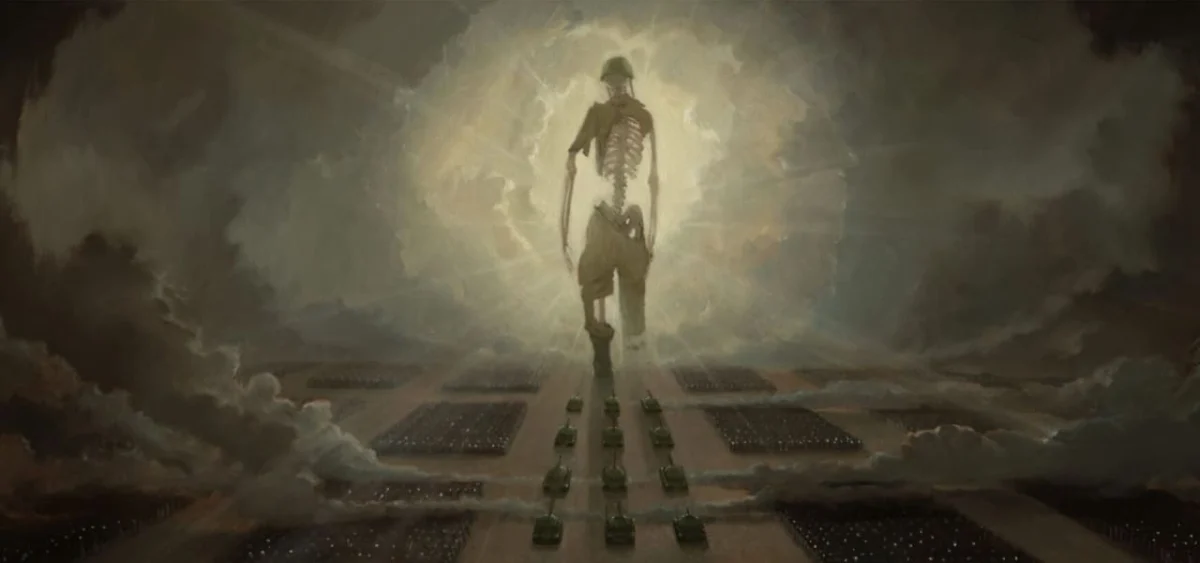
The Annecy International Animation Film Festival, long considered the global epicenter for the celebration of traditional and cutting-edge animation, became the site of a profound cultural and professional schism this June. The world premiere of Danse Macabre, the latest short film from acclaimed Dutch filmmaker Hisko Hulsing, was met not with the customary applause of the industry’s elite, but with a calculated, vocal protest. This incident marks a significant escalation in the ongoing conflict between proponents of technological integration and a workforce increasingly fearful of an existential threat posed by artificial intelligence.
The disruption at Annecy represents more than a disagreement over aesthetic choices; it is a manifestation of a deepening rift in the creative industries. As machine learning tools become more sophisticated, the line between "artist-led innovation" and "automated replacement" has blurred, leading to a climate of heightened suspicion and, as the festival’s leadership described it, a "witch hunt" that threatens to overshadow the artistic merits of the work itself.
The Premiere: A Chronology of Disruption
The events surrounding the screening of Danse Macabre unfolded with a precision that suggested a coordinated effort by segments of the animation community. According to Hulsing and eyewitness accounts, the atmosphere within the theater was charged long before the lights dimmed.
The Planned Demonstration
The protest began subtly, with a significant number of audience members wearing matching stickers emblazoned with the slogan "Let’s Stop Generative AI." This graphic, which gained prominence during an international coalition of unions’ meeting at the previous year’s festival, served as a silent preamble to the vocal opposition that followed.
As the program reached its conclusion—Danse Macabre was the final film in the competitive block—the tension broke into open defiance. "People walked out before the film started, like 100 people," Hulsing recounted. For those who remained, the silence usually reserved for the opening credits was replaced by a chorus of boos. The hostility was preemptive; the protesters were not reacting to the quality of the film they had seen, but to the production methods they knew had been employed.
The Artist’s Response
The immediate aftermath of the screening saw a raw, emotional exchange. Faced with a wall of derision from his peers, Hulsing responded with a raised middle finger—a gesture that quickly became a point of contention on social media. While some viewed it as a defensive reaction to an unfair "ambush," others saw it as a dismissal of the legitimate fears of the labor force.
The following day, Hulsing attempted to pivot toward a more conciliatory approach during a public Q&A session. Embracing a "kill them with kindness" mantra, he sought to demystify his process, answering technical questions with transparency. However, by that point, the discourse had largely moved away from the film’s narrative and toward its technical DNA.
The Technical Process: Innovation or Intrusion?
To understand the intensity of the protest, one must examine the specific way Hulsing utilized AI in Danse Macabre. Unlike many "generative AI" projects that rely on text-to-video prompts or models trained on uncompensated datasets, Hulsing’s workflow was a bespoke, hybrid model designed to augment his existing artistic voice.
Training on Personal Archives
Hulsing, a classically trained painter whose work on Undone and Junkyard earned him global renown, did not outsource his vision to a generic algorithm. Instead, his team trained machine-learning models exclusively on his own oil paintings. The goal was to find a way to apply the rich, textural quality of his physical brushwork to 3D-animated character models.
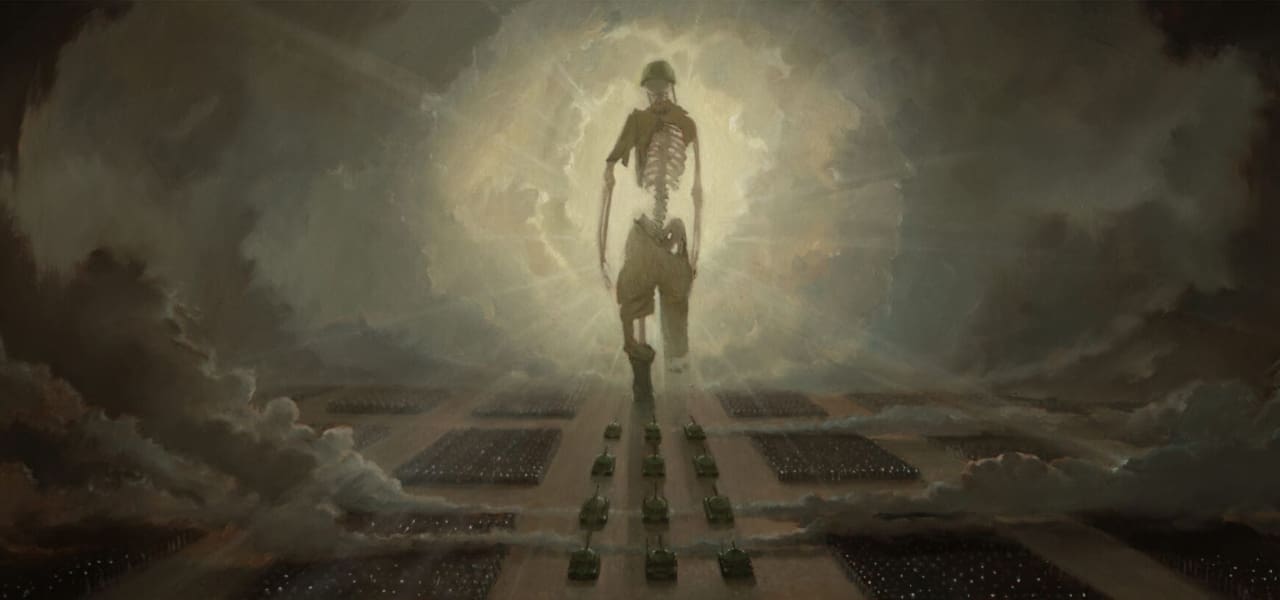
This process involved:
- Hand-Painted Reference: Creating original oil paintings to establish the film’s visual language.
- 3D Animation: Utilizing traditional CG techniques for movement and structure.
- Machine Learning Integration: Using the custom-trained models to "skin" the 3D animation with the aesthetic properties of the oil paintings.
By Hulsing’s estimation, this was a logical evolution of the toolkit. However, to the protesters, the distinction between "ethical" AI (trained on one’s own data) and "predatory" AI (trained on the internet) is a nuance that is being lost in the rush to automate. The fear is that by legitimizing any use of AI in high-profile competition, festivals are opening the door for studios to eventually replace human animators entirely.
Official Responses: Defending the Artist
The scale of the protest prompted an unusually stern defense from Annecy’s leadership. Artistic Director Marcel Jean issued a comprehensive statement that sought to balance the festival’s commitment to artistic freedom with an acknowledgment of the industry’s economic anxieties.
Marcel Jean’s "Witch Hunt" Critique
Jean did not mince words, describing the demonstration as a "witch hunt." He emphasized Hulsing’s long-standing legitimacy within the community, citing his Grand Prix win at the Ottawa International Animation Festival and his previous accolades at Annecy.
"That an artist with such a track record and such legitimacy should be targeted, when his work honestly raises questions about how these tools can be used to address certain technical challenges, seems to me utterly unjustified," Jean stated. He argued that "burying our heads in the sand" regarding AI is a futile strategy, suggesting that festivals have a duty to provide a space for experimentation and the establishment of "proper boundaries."
The Director’s Regret
For Hulsing, the most painful aspect of the controversy was the erasure of the film’s content. Danse Macabre is an anti-war allegory, a visceral response to the rise of authoritarianism and the brutal realities of modern global conflict.
"The sad thing about this whole thing is that nobody talks about the content of the film," Hulsing remarked. "This film is very current. It’s about what’s going on in the world right now." The irony was not lost on observers: a film depicting the horrors of conflict was met with a conflict of its own, with the medium effectively silencing the message.
The Broader Context: A Debate Years in the Making
The events of 2026 did not occur in a vacuum. Annecy has been the primary battleground for the AI debate for several years.
- 2023: An international coalition of animation unions issued a "declaration of emergency," warning that AI threatened the very foundations of artistic authorship and copyright.
- 2024: The festival faced intense criticism for selecting a short film created with generative AI. At the time, the defense was that the festival must "engage" with technology.
- 2025: The discourse shifted from theoretical concerns to practical ones as major studios began announcing "AI-driven efficiencies" in their production pipelines.
The animosity directed at Hulsing is likely a result of "displacement." Because artists often cannot directly protest the boardrooms of multi-billion-dollar conglomerates, their frustrations are vented at the most visible targets: independent filmmakers who use the technology in transparent, experimental ways.
.png)
Implications for the Future of Animation
The Danse Macabre incident serves as a harbinger for the future of film festivals and the creative process. Several key implications emerge from this flashpoint:
1. The End of "Technological Neutrality"
Festivals can no longer claim that they are merely "showing the best work" regardless of how it was made. The "how" has become as politically and ethically charged as the "what." Programming committees will likely face increasing pressure to require "AI Disclosure Statements" from filmmakers, detailing the datasets used and the extent of human intervention.
2. The Labor vs. Art Paradox
Hulsing himself admitted to sharing the protesters’ anxieties, noting that he had recently lost his own storyboard jobs to automation. This creates a paradox where the very artists pushing the boundaries of the medium are also victims of the technology they use. The industry must grapple with whether it is possible to separate the tool from the economic system that utilizes it to devalue labor.
3. The Threat to Nuance
The "all-or-nothing" approach of the protesters suggests that the animation community is currently unable to distinguish between different types of AI usage. If an artist training a model on their own work is treated with the same hostility as a corporation using scraped data, the incentive for ethical innovation is diminished.
4. A New Era of Festival Security and Etiquette
The disruption at Annecy may lead to changes in how screenings are managed. While "booing" has a long history in European cinema (notably at Cannes), the coordinated nature of the Danse Macabre protest suggests a shift toward activism within the theater. This may prompt festivals to implement stricter codes of conduct or, conversely, create dedicated forums where these tensions can be aired without disrupting the screenings themselves.
Conclusion
The premiere of Danse Macabre will be remembered less for its haunting imagery and more for the moment the animation community’s collective anxiety boiled over into open revolt. While Hisko Hulsing remains steadfast in his right to explore new tools, and Marcel Jean remains committed to the festival as a site of technological evolution, the workforce has sent a clear message: the integration of AI will not be met with quiet resignation.
As the industry moves forward, the challenge will be to find a path that protects the livelihoods and copyrights of artists without stifling the creative curiosity that has always driven the medium of animation. For now, the "Danse Macabre" continues—not just on the screen, but in the aisles of the world’s most prestigious animation theaters.