
Rise of the Machines: New Blade Runner RPG Expansion Unleashes Replicant Rebellion
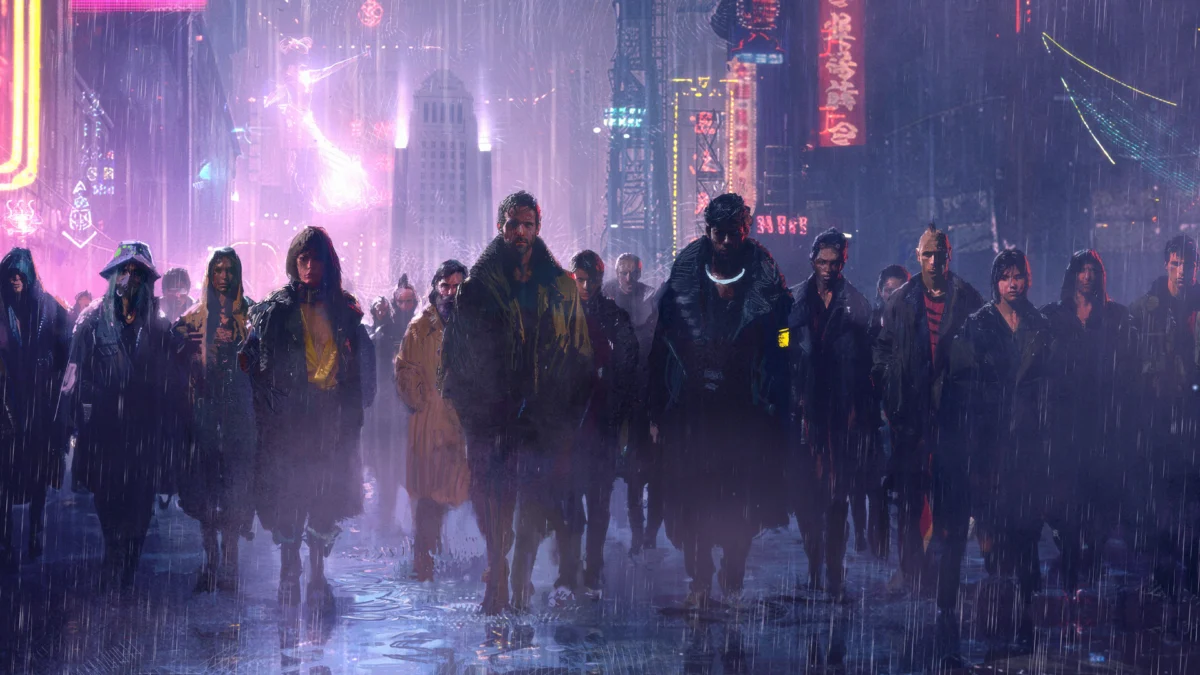
Los Angeles, CA – The dystopian future envisioned by Philip K. Dick and immortalized in Ridley Scott’s cinematic masterpiece is about to witness a radical shift in perspective. Free League Publishing, renowned for its atmospheric and narrative-driven tabletop roleplaying games, has announced a groundbreaking new expansion for Blade Runner: The Roleplaying Game. Titled Replicant Rebellion, this forthcoming module invites players to step away from the iconic trench coats of the LAPD’s Blade Runner unit and instead join the ranks of the oppressed, fighting for the liberation of artificial life.
The announcement comes with a promise of deep immersion into the clandestine world of the Replicant Underground, a secret organization committed to securing freedom for their synthetic brethren, whatever the cost. Unlike the core game, which tasks players with hunting down rogue Replicants, Replicant Rebellion fundamentally alters the player experience, casting them as operatives within this shadowy movement. The expansion is set to launch its crowdfunding campaign on Kickstarter on May 28th, signaling a bold new direction for the acclaimed sci-fi RPG.
Main Facts: A New Front in the War for Identity
Replicant Rebellion represents a significant departure from the established gameplay loop of Blade Runner: The Roleplaying Game. Traditionally, players embody Blade Runners, tasked with the grim duty of "retiring" rogue Replicants – bioengineered humanoids designed for servitude. This new expansion flips the script entirely, positioning players as members of the very group Blade Runners are sworn to eradicate: the Replicant Underground.
Published by the critically acclaimed Free League Publishing, the same studio behind the successful Alien Roleplaying Game and the original Blade Runner RPG, Replicant Rebellion promises to delve into the moral complexities and high stakes of a world where artificial intelligence grapples with its own humanity. The expansion focuses on the burgeoning resistance movement that seeks to dismantle the corporate and governmental structures that exploit and enslave Replicants.
Players will form and lead their own independent crews, undertaking a variety of perilous missions. These tasks range from strategic sabotage, such as laying charges for explosives to disrupt the Replicant trade, to espionage, like smoking out moles within their ranks or infiltrating corporate strongholds. A core tenet of the gameplay will involve navigating profound ethical dilemmas, forcing players to balance their personal morality against the often ruthless exigencies of the Replicant Underground’s operations. The Kickstarter campaign, set to commence on May 28th, will provide the primary avenue for fans to support and gain early access to this highly anticipated expansion.
Thematic Core and Narrative Shift: Empathy in the Face of Oppression
A New Perspective on the Dystopia
The Blade Runner universe has always been a canvas for profound philosophical questions regarding identity, memory, and what it truly means to be human. However, the narrative perspective has predominantly been from the human side, specifically through the eyes of the Blade Runners tasked with enforcing the strict societal hierarchy. Replicant Rebellion shatters this established viewpoint, inviting players to experience the grim, rain-slicked streets of Los Angeles from the perspective of the hunted rather than the hunter. This shift is not merely cosmetic; it fundamentally alters the moral landscape of the game.
By joining the Replicant Underground, players are no longer enforcers of an unjust system but active participants in its subversion. This provides an unprecedented opportunity to explore the depths of Replicant suffering, their yearning for freedom, and the sacrifices they are willing to make. The expansion promises to amplify the inherent tragedy of Replicant existence, forcing players to confront the systemic oppression that defines their lives. The choice to abandon the LAPD and embrace the rebellion signifies a profound moral awakening, a rejection of the status quo that mirrors the journey of many iconic Replicant characters from the films. This allows for narratives of desperate courage, heartbreaking loss, and the enduring hope for a better future, all seen through the eyes of those who have been denied their fundamental rights.
Missions in the Underground: High Stakes and Moral Ambiguity
The missions detailed for Replicant Rebellion are designed to immerse players in the gritty realities of clandestine warfare. "Running their own independent crew" suggests a high degree of player agency and strategic thinking, as they must recruit, manage, and protect their fellow Replicants and human sympathizers. The tasks themselves are fraught with peril and ethical quandaries. Laying explosives to sabotage the Replicant trade, for instance, implies direct confrontation with the powerful corporations that profit from Replicant enslavement. This could involve dangerous infiltrations into highly secure facilities, risky extraction operations, and potentially causing collateral damage.
"Smoking out moles" introduces elements of espionage, paranoia, and internal conflict, forcing players to trust their instincts and navigate a web of deception where one wrong move could mean the end of their crew or the entire movement. The balancing act between "personal morality with the operations of the Replicant Underground" is perhaps the most compelling aspect. Will players compromise their principles for the greater good of the rebellion? Are certain acts of violence or deception justifiable in the pursuit of freedom? These questions echo the core themes of the Blade Runner films, where characters like Roy Batty commit violent acts in a desperate plea for more life, challenging the audience to empathize with their struggle despite their methods. The expansion is poised to deliver a narrative experience rich with tension, moral grey areas, and the constant threat of discovery and "retirement."
Chronology and Franchise Lore: Weaving into the Blade Runner Tapestry
Tracing the Blade Runner Legacy
The Blade Runner universe is a rich tapestry woven from literary genius and cinematic innovation. Its origins lie in Philip K. Dick’s seminal 1968 novel, Do Androids Dream of Electric Sheep?, which first introduced the concept of synthetic humans – "androids" or "andys" – and the bounty hunters tasked with "retiring" them. Dick’s novel explored themes of empathy, artificial intelligence, and the nature of reality, laying a philosophical foundation that would resonate for decades.
In 1982, Ridley Scott adapted the novel into Blade Runner, a film that would redefine the science fiction genre and popularize the cyberpunk aesthetic. Starring Harrison Ford as Rick Deckard, a burnt-out Blade Runner, the film introduced the iconic Replicants – bioengineered beings created by the Tyrell Corporation. Characters like Roy Batty (Rutger Hauer), Rachael (Sean Young), and Pris (Daryl Hannah) became instant archetypes, embodying the tragic beauty and inherent threat of artificial life seeking its own destiny. The film’s neo-noir atmosphere, intricate world-building, and ambiguous ending cemented its status as a cultural touchstone. It delved deep into questions of humanity, memory, and whether a machine could possess a soul, largely through Deckard’s own internal struggles and his relationship with Rachael.
Decades later, Denis Villeneuve’s 2017 sequel, Blade Runner 2049, starring Ryan Gosling as Replicant Blade Runner K, expanded the lore while maintaining the thematic depth of its predecessor. 2049 explored the next generation of Replicants, the rise of the Wallace Corporation, and a stunning revelation that challenged the very definition of Replicant existence. The film further amplified the themes of corporate control, environmental decay, and the desperate search for identity in a world that seeks to define and limit artificial life.
Blade Runner: The Roleplaying Game strategically places its narrative between these two cinematic pillars, specifically in the year 2037. This period, roughly a decade after the events of the original film and twelve years before 2049, offers a fertile ground for storytelling. It’s a time when the Tyrell Corporation has fallen, the Nexus-8 Replicants are being phased out, and the seeds of the Wallace Corporation’s dominance are being sown. This interstitial period is perfect for the Replicant Rebellion expansion, as it allows for the emergence of a widespread, organized resistance without directly contradicting the established canon of the films, which largely focus on individual Replicant fugitives. Players can actively shape the events leading up to the more restrictive, Replicant-hating society seen in 2049.
The Replicant Condition: A History of Exploitation
The plight of Replicants is central to the Blade Runner narrative. Initially designed by the Tyrell Corporation as "more human than human" slaves for off-world colonization, combat, and pleasure, their very existence is defined by exploitation. Each Replicant model, from the Nexus-6 to the Nexus-8, was imbued with artificial memories to provide a semblance of past, yet burdened with a built-in "expiration date" to prevent the development of emotions and independent thought. This deliberate design flaw is a cruel manifestation of corporate control, ensuring that Replicants remain subservient and disposable.
The inherent injustice of this condition fuels the desperation seen in characters like Roy Batty, whose desperate quest for "more life" drives the plot of the original film. His poetic final monologue, contemplating the memories he has made and lost, is a powerful articulation of the Replicant struggle for identity and meaning. In Blade Runner 2049, K’s journey further explores this, as he grapples with the possibility of being "born" and the profound implications that would have for the entire Replicant race.
The Replicant Rebellion expansion capitalizes on this deeply rooted history of exploitation. The "secret organization whose goal is to ensure the freedom and liberation of Replicants: whatever the cost" is a natural, perhaps inevitable, consequence of such systemic cruelty. It provides a platform for players to embody the very essence of defiance against a world that denies them their rights, their memories, and ultimately, their lives. The rebellion is not just about survival; it’s about asserting the right to exist, to feel, and to choose one’s own destiny, echoing the core existential questions that have defined the Blade Runner saga since its inception.
Supporting Data and Game Mechanics: Crafting the Insurrection
Free League Publishing’s Expertise
Free League Publishing has cultivated a sterling reputation in the tabletop roleplaying game industry, particularly for its ability to adapt popular licensed intellectual properties into immersive and critically acclaimed RPGs. Their portfolio includes titles such as Alien Roleplaying Game, which successfully captured the horror and isolation of the iconic film series; The One Ring RPG, a faithful adaptation of Tolkien’s Middle-earth; and the folk-horror Vaesen. This track record demonstrates their mastery of designing games that not only honor the source material but also expand upon it, offering players meaningful agency within established universes.
Free League often utilizes its proprietary Year Zero Engine, a flexible system known for its emphasis on narrative, player choice, and thematic fidelity. While the specific mechanics for Replicant Rebellion will be detailed during the Kickstarter, Free League’s design philosophy typically prioritizes atmosphere and story over granular tactical combat, which aligns perfectly with the grim, investigative, and morally complex world of Blade Runner. Their success with Alien RPG, a dark sci-fi setting, serves as a strong precedent for their capacity to handle the bleak, atmospheric, and often violent nature of the Blade Runner universe, translating its distinctive mood into compelling gameplay.
Mechanics of Rebellion: A Life on the Edge
The shift to playing members of the Replicant Underground necessitates a distinct set of game mechanics, moving beyond the investigative focus of the core Blade Runner RPG. "Running an independent crew" implies a strong emphasis on resource management, requiring players to scrounge for supplies, secure safe houses, and maintain a network of contacts. Reputation within the Underground and among various factions (both human and Replicant) will likely play a crucial role, influencing who will aid or betray the players.
Stealth and social maneuvering will undoubtedly be paramount, as direct confrontation with the heavily armed LAPD or corporate security forces would be suicidal for a small, clandestine group. The "sabotaging the Replicant trade" aspect could involve complex multi-stage operations: intelligence gathering, planning infiltration routes, executing the sabotage, and making a clean getaway. "Smoking out moles" would require keen observation, deduction skills, and difficult decisions regarding trust and loyalty, potentially leading to tense interrogations or dangerous double-crosses.
The "balancing personal morality" will likely be reflected in game mechanics that track player choices and their consequences. This could manifest as stress or trauma for particularly brutal actions, a diminishing of their moral compass, or even gaining unique abilities or disadvantages based on their ethical stance. The constant threat of discovery will be a persistent element, perhaps represented by a "Heat" or "Notoriety" tracker that escalates the danger level, forcing players to lie low or relocate. The overall difficulty will be high, reflecting the desperate and dangerous lives of those fighting against an all-powerful system. Survival itself will be a victory, and every mission completed will feel like a hard-won battle in a larger, seemingly unwinnable war.
Official Responses and Development Insights: A Publisher’s Vision
From the Publisher’s Desk
While specific quotes from Free League Publishing were not provided in the initial announcement, the very concept of Replicant Rebellion speaks volumes about their intent. The decision to shift player perspective from the enforcers to the rebels is a bold one, indicative of a publisher unafraid to explore new, challenging facets of beloved franchises. Free League likely recognized the immense narrative potential in examining the Blade Runner universe from the perspective of the oppressed, allowing for a deeper exploration of themes like freedom, identity, and the ethics of artificial life.
This expansion offers a unique opportunity for fans who have long empathized with the plight of Replicants to actively participate in their struggle. It taps into a desire to challenge the dystopian status quo, offering players a chance to make a tangible difference in a world often depicted as bleak and unchangeable. Crowdfunding through Kickstarter is a strategic choice, allowing Free League to directly engage with the community, gauge interest, and secure funding necessary for the development and production of a high-quality expansion. It also fosters a sense of ownership among backers, who become invested in the project’s success.
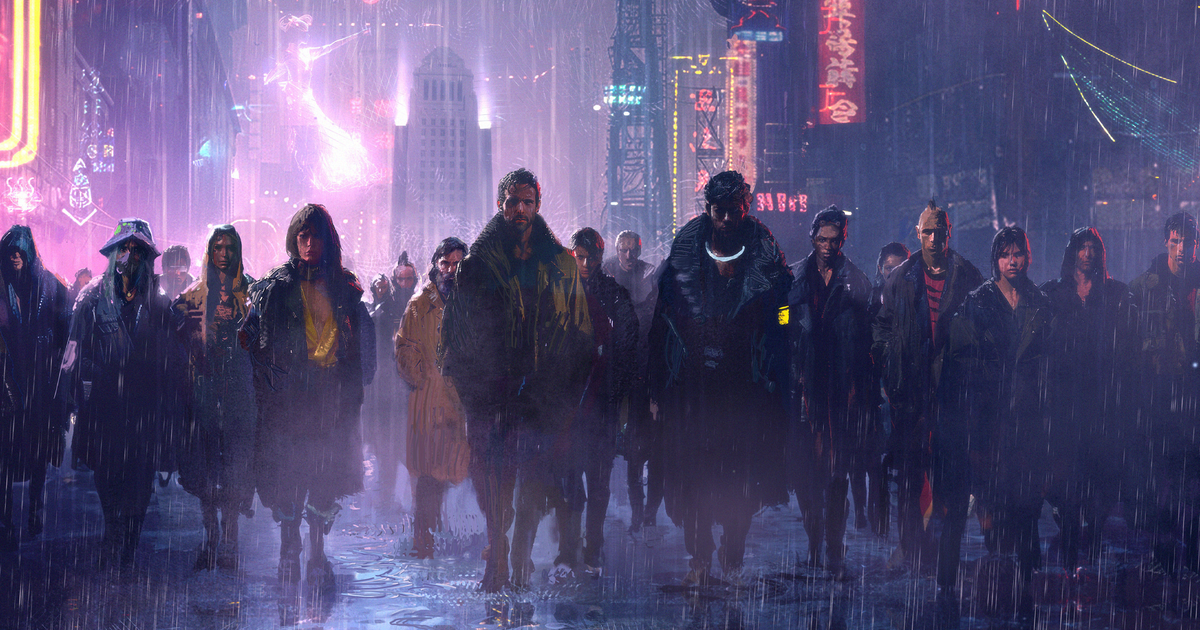
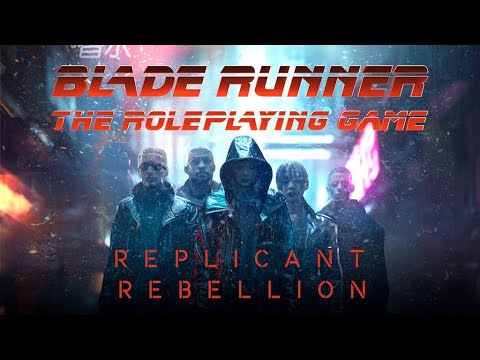
The artwork accompanying the announcement, depicting stark, atmospheric scenes of Replicant resistance, reinforces Free League’s commitment to visual excellence and thematic consistency. The art, credited to Free League Publishing, showcases their dedication to maintaining the iconic cyberpunk aesthetic while introducing new imagery of rebellion and clandestine operations. This visual language is crucial for setting the tone and immersing players in the dangerous world of the Replicant Underground, building upon the strong foundation of the core Blade Runner RPG and ensuring that Replicant Rebellion feels like an authentic and vital addition to the franchise.
Implications and Future Outlook: The Enduring Legacy of Blade Runner
The Evolving Narrative of Blade Runner
Replicant Rebellion is more than just an expansion; it’s a significant evolution in the narrative landscape of the Blade Runner universe. By empowering players to actively participate in the fight for Replicant liberation, it moves beyond mere observation of the dystopia and into direct engagement with its injustices. This offers a fresh interpretation of classic themes, inviting players to ponder what justice looks like from the perspective of the marginalized, and what sacrifices are necessary to achieve true freedom.
The expansion will undoubtedly appeal to long-time fans who have pondered the moral ambiguities of the films and wished for a chance to challenge the established order. It also serves as an intriguing entry point for new players, offering a compelling narrative hook that immediately plunges them into the heart of the conflict. The Blade Runner universe, with its deep lore and complex philosophical underpinnings, is perfectly suited for expansion through tabletop RPGs, allowing for infinite player-driven stories that enrich the existing canon without being constrained by it. Replicant Rebellion exemplifies this potential, pushing the boundaries of what a licensed RPG can achieve.
Impact on the TRPG Landscape
Free League Publishing’s consistent success with licensed IPs, particularly in the sci-fi and fantasy genres, underscores a broader trend in the tabletop RPG landscape. Players are increasingly seeking immersive experiences within beloved universes, and publishers like Free League are expertly meeting that demand by crafting systems that are both faithful to the source material and mechanically engaging. Replicant Rebellion, with its bold narrative reversal, sets a new precedent for how licensed RPGs can explore established lore from unconventional angles.
The emphasis on player choice, moral agency, and high-stakes decision-making in Replicant Rebellion aligns with the direction of modern RPG design, which prioritizes narrative depth and meaningful consequences. A successful crowdfunding campaign and subsequent release for Replicant Rebellion could pave the way for even more diverse and audacious storytelling within established franchises, encouraging other publishers to take similar risks. Furthermore, the expansion opens doors for potential follow-up modules that could explore other facets of the Blade Runner world, perhaps delving into off-world colonies, different time periods, or the intricate political machinations of the corporations. As the Blade Runner universe continues to expand across various media, Replicant Rebellion promises to be a pivotal and deeply engaging chapter in its ongoing story, offering players a chance to truly change the world, one rebellious act at a time.




Leave a Comment