The Animation Renaissance of 2026: From Corporate Consolidation to Creative Sovereignty
By Jamie Lang
July 24, 2026
The global animation landscape is currently undergoing a period of unprecedented volatility and creative expansion. As San Diego Comic-Con (SDCC) 2026 unfolds, the industry finds itself at a crossroads between massive corporate restructuring and a grassroots revolution in how animation is taught and produced. From a landmark judicial ruling halting a $110 billion merger to the long-awaited resurrection of "lost" franchise installments, the current state of the medium reflects a broader struggle for the soul of digital storytelling.
Main Facts: A Week of Seismic Shifts
The final week of July 2026 has provided a series of bombshell announcements that have sent shockwaves through both Wall Street and the animation community. The primary headlines include:
- The Paramount-Skydance-WBD Blockade: A federal judge has issued a temporary injunction against the proposed $110 billion acquisition of Warner Bros. Discovery by the Paramount-Skydance entity. This ruling effectively pauses one of the largest media consolidations in history, citing antitrust concerns and the potential for a "monopoly on intellectual property."
- The Avatar Resurgence: Paramount+ has officially unveiled the teaser for Avatar: Seven Havens. This next chapter in the Avatar: The Last Airbender universe introduces a new protagonist in a world scarred by cataclysm, marking a tonal shift toward darker, more mature storytelling.
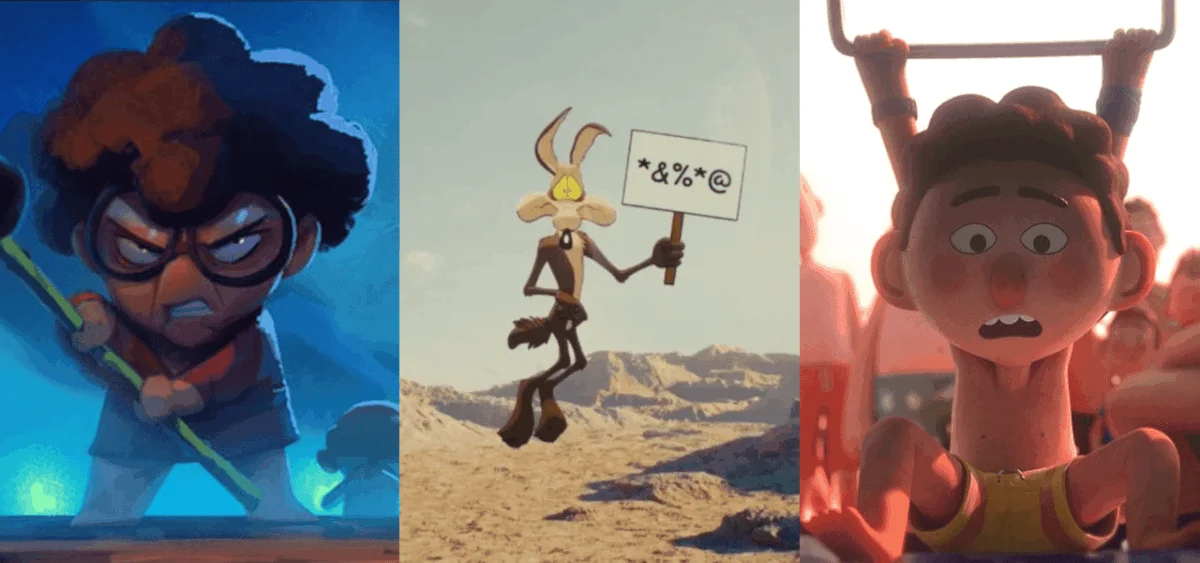
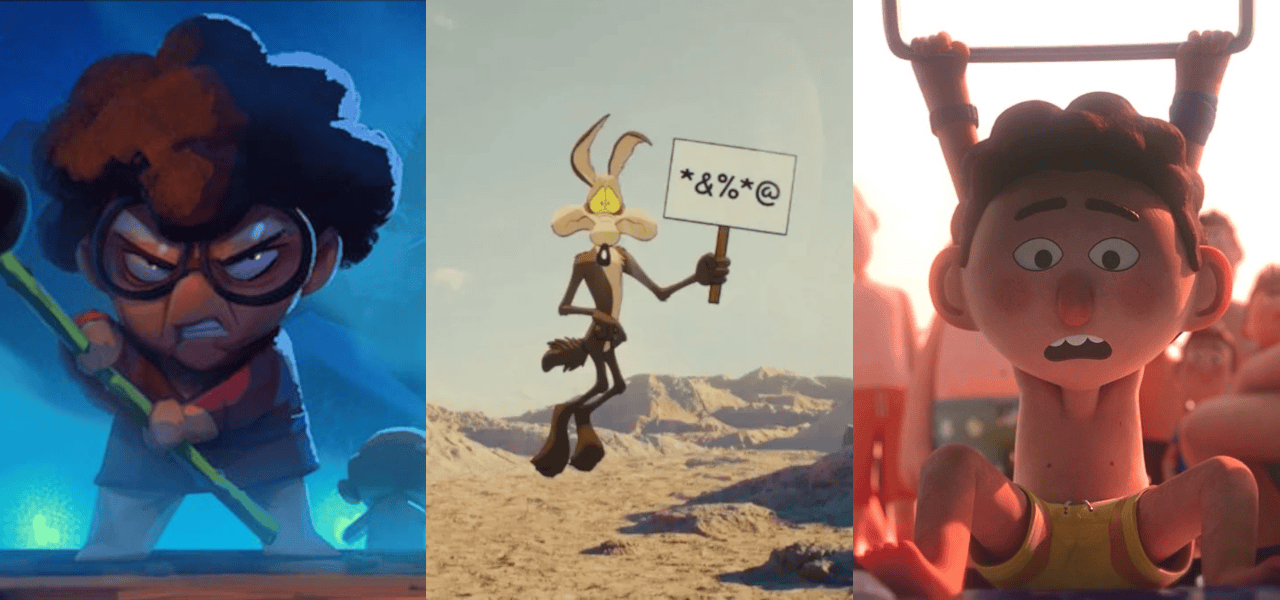
- The "Coyote vs. Acme" Redemption: After years of being held in a state of corporate limbo, Ketchup Entertainment has released the final trailer for the hybrid live-action/animated feature, signaling a release that many believed would never happen.
- A New Model for Education: Veteran story artist Matt Jones (Pixar, Spider-Verse) has successfully demonstrated a new pedagogical framework with YOKAi, an anime-inspired horror feature storyboarded entirely by students, bridging the gap between classroom learning and studio-ready production.
Chronology: From Pandemic Necessity to Comic-Con Triumphs
To understand the current state of the industry, one must look back at the roots of these projects. The journey of Matt Jones’s YOKAi began during the global pandemic, when traditional brick-and-mortar animation education was forced to migrate online. Jones, a veteran of the industry’s most prestigious studios, recognized that the traditional lecture-based model was failing students in a remote environment. Over the course of several years, he led his students through the production of an original feature-length animatic, treating the classroom as a professional story department.
Simultaneously, the corporate landscape was shifting. The "shelving" of completed films for tax write-offs became a controversial trend in 2023 and 2024, with Coyote vs. Acme becoming the poster child for this practice. The chronology of the film’s survival involves a multi-year campaign by filmmakers and fans, eventually leading to Ketchup Entertainment’s acquisition of the distribution rights—a move that culminated in the final trailer release this week.
The San Diego Comic-Con schedule of 2026 serves as the current anchor for these developments. The week began with the Avatar: Seven Havens teaser, followed by the announcement that the Lucas Museum of Narrative Art would finally screen Star Wars Detours, a project that had been shelved for over a decade following the Disney acquisition of Lucasfilm in 2012.
Supporting Data: Streaming Dominance and Legal Hurdles
The economic health of the animation sector is currently defined by two metrics: streaming longevity and merger valuations.
The Netflix Animation Surge
Skydance Animation’s Swapped has officially entered the pantheon of Netflix’s most successful original content. According to the latest viewership data, Swapped is now the tenth-most-watched original movie in the platform’s history. This achievement is significant as it gives animation two concurrent slots in Netflix’s all-time Top 10, proving that high-budget animated features are providing better long-term ROI than many live-action counterparts.
The $110 Billion Standoff
The Paramount-Skydance and Warner Bros. Discovery merger was positioned to create a "super-major" studio. Supporting documents from the federal hearing reveal that the combined entity would have controlled approximately 42% of the global animation market share, including the libraries of Nickelodeon, Warner Bros. Animation, and Skydance’s burgeoning slate. The judge’s decision to halt the deal was supported by data suggesting that such a consolidation would lead to a 15% reduction in "greenlit original IPs" over the next five fiscal years.
Official Responses: Industry Leaders Weigh In
The response to this week’s news has been divided between corporate caution and creative optimism.
On the Merger Block:
A spokesperson for the proposed Paramount-Skydance-WBD entity stated: "We are disappointed by the court’s decision. Our goal is to create a sustainable ecosystem for creators in an increasingly fragmented market. We believe this merger is the only way to compete with the sheer scale of global tech giants entering the media space."
On "Coyote vs. Acme":
The creative team behind the film expressed a sense of vindication. "This trailer is more than just a marketing tool; it’s a testament to the fact that movies are made to be seen, not deleted for a balance sheet," said a source close to the production. The enthusiasm following the trailer release suggests a high level of "revenge viewership" from fans who supported the #ReleaseCoyoteVsAcme movement.
On the Avatar Expansion:
Paramount+ executives emphasized the evolution of the franchise. "With Seven Havens, we are respecting the legacy of the original series while acknowledging that our audience has grown up. This is a story about a world that doesn’t want an Avatar, and the internal conflict of a hero viewed as a destroyer."
Implications: The Future of the Medium
The events of late July 2026 suggest three major shifts in the future of animation.
.png)
1. The Decentralization of Training
Matt Jones’s YOKAi project proves that high-level animation training no longer requires the physical infrastructure of a major studio or an expensive private art school. By producing a professional-grade animatic with sound and music, Jones has provided a blueprint for "independent apprenticeship." This could lead to a rise in boutique studios formed by former students who have already worked on a feature-length project before ever entering the professional workforce.
2. The End of the "Tax Write-Off" Era?
The resurrection of Coyote vs. Acme and the screening of Star Wars Detours at the Lucas Museum suggest that the industry is moving away from the controversial practice of "vaulting" finished content. As secondary distributors like Ketchup Entertainment see success with acquired "shelved" content, the financial incentive to destroy films for tax purposes may be outweighed by the potential for licensing and niche distribution.
3. A Shift Toward "Grown-Up" Franchises
The teaser for Avatar: Seven Havens and the Oscar-shortlisted success of Uri Lotan’s Black Slide indicate a narrowing gap between "commercial" and "prestige" animation. Lotan’s short, which uses a waterslide as a metaphor for the terrifying plunge into grief, represents the kind of personal, high-concept storytelling that is increasingly finding a home in the mainstream.
As the industry moves toward the second half of the decade, the tension between massive corporate entities and the creators who fuel them remains high. However, with the success of films like Swapped and the creative ingenuity shown in projects like YOKAi, the medium of animation appears more resilient than ever. The "Seven Havens" of the animation world may be fractured, but the craft itself is entering a period of profound maturity and technical excellence.
For more in-depth coverage of the 2026 San Diego Comic-Con and the latest updates on the Paramount-Skydance merger, stay tuned to Cartoon Brew.