Blade Runner TTRPG Expansion "Replicant Rebellion" Invites Players to Join the Fight for Freedom
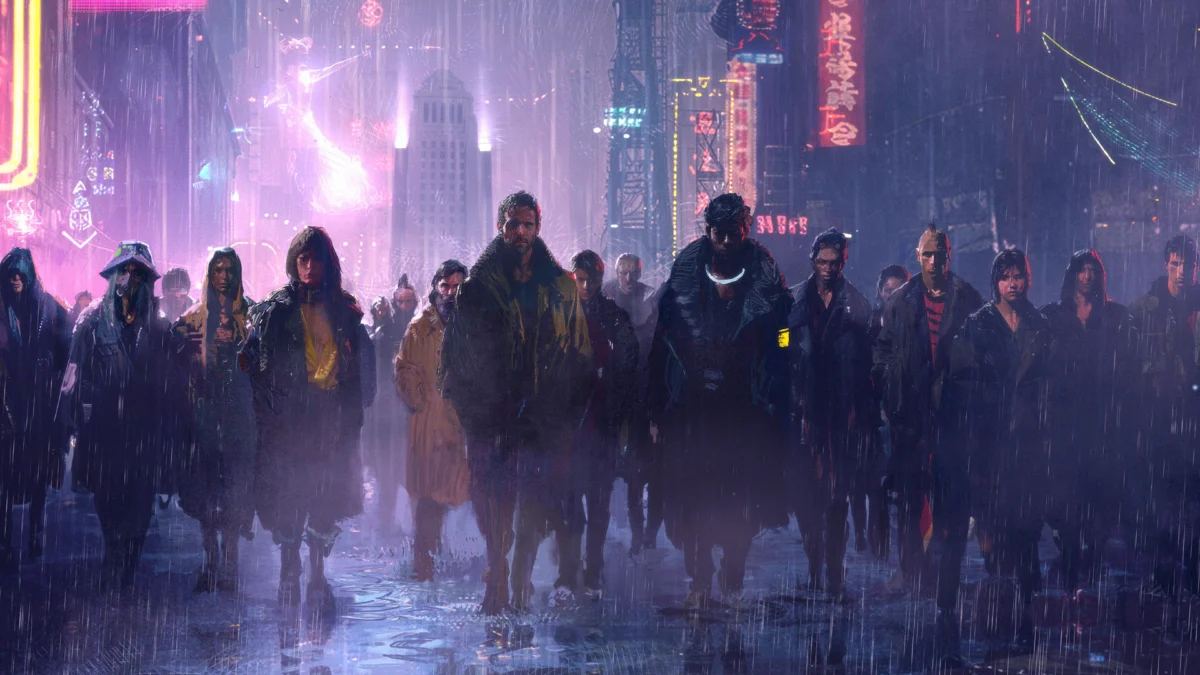
LOS ANGELES, CA – Free League Publishing, the renowned Swedish tabletop game publisher, has announced a significant new expansion for its critically acclaimed Blade Runner: The Roleplaying Game. Titled Replicant Rebellion, the upcoming supplement will dramatically shift the established player experience, moving agents of the law into the shadowy world of the Replicant Underground. This bold narrative pivot invites players to abandon their duties as Blade Runners and instead join the clandestine struggle for Replicant liberation, promising a campaign steeped in moral ambiguity, high-stakes espionage, and revolutionary action.
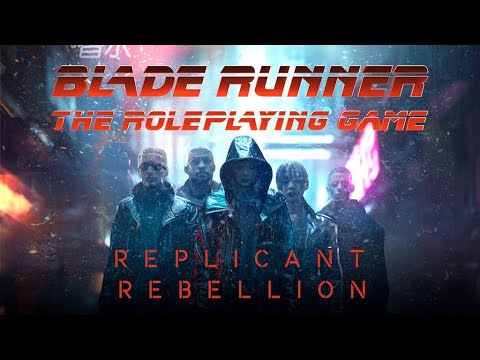
The Replicant Rebellion expansion is set to launch its crowdfunding campaign on Kickstarter on May 28th, marking a pivotal moment for fans of the Blade Runner universe and tabletop roleplaying alike. Players will no longer hunt synthetic beings but will become active participants in their fight for freedom, navigating a treacherous landscape where the lines between right and wrong are perpetually blurred. This strategic shift offers a fresh perspective on the iconic sci-fi saga, allowing players to embody the very resistance movement that defines much of the franchise’s underlying conflict.
A Radical Shift in Allegiance: The Core Proposition
At its heart, Replicant Rebellion challenges players to subvert their established roles within the Blade Runner universe. The base game typically casts players as Blade Runners, elite operatives of the Los Angeles Police Department tasked with hunting down rogue Replicants – bioengineered humanoids designed for servitude, often with limited lifespans. The original game explores the inherent moral dilemmas of this profession, forcing players to confront the humanity of their targets while upholding a system designed to exploit and discard them.
With Replicant Rebellion, this dynamic is flipped entirely. Players will be recruited into the Replicant Underground, a secretive organization dedicated to securing the freedom and liberation of all Replicants, "whatever the cost." This implies a narrative rich with difficult decisions, where players must weigh personal morality against the objectives of a burgeoning rebellion. As members of this underground movement, players will command their own independent crews, undertaking a variety of dangerous missions ranging from sabotage and intelligence gathering to direct action against corporate and governmental interests.
Tasks outlined for the expansion include "laying charges for explosives," "sabotaging the Replicant trade," and "smoking out moles" within their own ranks or rival factions. Such objectives highlight the high-risk, high-reward nature of the campaign, promising intense narrative arcs and complex character development as players grapple with the ethical implications of their revolutionary acts. The expansion positions players at the forefront of a burgeoning war for identity and autonomy, directly challenging the oppressive structures that define the Blade Runner world.
A Chronology of Identity: From Page to Screen to Tabletop
The Blade Runner franchise boasts a rich and complex history, originating from a seminal work of science fiction literature and evolving into a cinematic masterpiece before finding its expression in the tabletop medium. Understanding this lineage is crucial to appreciating the significance of Replicant Rebellion.
Literary Origins: Philip K. Dick’s Vision
The saga began with Philip K. Dick’s 1968 novel, Do Androids Dream of Electric Sheep?. Dick’s work laid the philosophical groundwork for the entire franchise, exploring profound questions about what it means to be human, the nature of empathy, and the blurred distinctions between organic and synthetic life. Set in a post-apocalyptic San Francisco, the novel introduces Rick Deckard, a bounty hunter (the precursor to the Blade Runner) tasked with "retiring" rogue androids known as "andys." Dick’s dystopian vision, characterized by environmental decay, corporate dominance, and a pervasive sense of existential dread, provided a fertile ground for future adaptations. The novel’s exploration of empathy via the "Voight-Kampff test" remains a cornerstone of the Blade Runner ethos, establishing the psychological and moral complexities inherent in judging artificial intelligence.
Cinematic Milestones: Ridley Scott and Denis Villeneuve
The first film adaptation, simply titled Blade Runner, was released in 1982. Directed by Ridley Scott and starring Harrison Ford as Rick Deckard, the film transcended its source material to become a definitive work of cyberpunk cinema. Set in a rain-soaked, neon-drenched Los Angeles in 2019, the film follows Deckard as he hunts down a group of highly advanced Nexus-6 Replicants led by the charismatic Roy Batty (Rutger Hauer). Blade Runner is celebrated for its groundbreaking visual aesthetics, its noir-infused narrative, and its deep philosophical inquiries into memory, identity, and the value of artificial life. Despite a lukewarm initial reception, the film gained cult status and is now widely considered one of the greatest science fiction films ever made, influencing countless works across various media. Its ambiguous ending regarding Deckard’s own humanity fueled decades of fan debate and scholarly analysis.
Nearly 35 years later, the sequel Blade Runner 2049 arrived in 2017, directed by Denis Villeneuve and starring Ryan Gosling as K, a new generation Replicant Blade Runner. Set thirty years after the original, 2049 expands the universe, delving deeper into the history of Replicant creation and the burgeoning movement for their rights. K’s investigation into a long-buried secret – the birth of a child from a Replicant – leads him to uncover truths that could shatter the fragile social order and ignite a full-scale war between humans and Replicants. The film meticulously recreated and evolved the visual language of its predecessor, earning critical acclaim for its stunning cinematography, intricate world-building, and continuation of the franchise’s profound philosophical themes. It particularly highlighted the systemic exploitation of Replicants and the emergence of an organized resistance.
The Tabletop Foundation: Free League’s Blade Runner: The Roleplaying Game
It was against this rich backdrop that Free League Publishing launched Blade Runner: The Roleplaying Game. The core game is set in Los Angeles, 2037, placing it squarely between the events of the two films. This carefully chosen timeline allows players to explore a period of significant transition and heightened tension, where the legacy of the original Replicant uprising still looms large and the seeds of future conflicts are being sown.
Free League, known for its award-winning licensed RPGs like Alien: The Roleplaying Game, The One Ring, and Coriolis – The Third Horizon, brought its signature blend of atmospheric design, intuitive mechanics, and strong narrative focus to the Blade Runner universe. The base game allows players to create their own Blade Runner characters, complete with unique backstories and personal agendas, and then embark on investigations that often force them to confront the moral complexities of their profession. Players conduct Voight-Kampff tests, chase down rogue Replicants, uncover corporate conspiracies, and grapple with the nature of humanity in a beautifully rendered, gritty cyberpunk setting. The game’s Year Zero Engine provides a robust yet flexible system for storytelling, emphasizing player agency and narrative immersion.
Supporting Data: Unpacking the "Replicant Rebellion" Experience
The Replicant Rebellion expansion is more than just a new adventure; it’s a fundamental reinterpretation of the Blade Runner RPG experience. By shifting allegiance, players are thrust into a narrative space that has only been hinted at or observed from afar in previous iterations of the franchise.
The Player’s Moral Compass: A Core Mechanic
The most compelling aspect of Replicant Rebellion lies in its emphasis on moral ambiguity. The Blade Runner universe is not one of clear-cut heroes and villains; it’s a spectrum of gray. While the Replicant Underground fights for a noble cause – freedom and liberation – the methods employed may not always align with traditional heroic ideals. Players will be forced to ask: What constitutes "justice" in a broken world? How far is too far to achieve freedom? Is violence always necessary? The expansion explicitly states players will find themselves "stuck between a rock and a hard place, as they balance their personal morality with the operations of the Replicant Underground." This internal and external conflict is ripe for compelling roleplaying, offering opportunities for deep character development and impactful narrative choices that genuinely test a player’s ethical boundaries.
Missions of Subversion and Survival
The variety of missions promised within Replicant Rebellion suggests a dynamic and engaging campaign structure. "Laying charges for explosives" points to acts of sabotage against facilities that exploit Replicants or produce their oppressors’ tools. This could involve stealth, infiltration, technical expertise, and careful planning to avoid detection by the LAPD and corporate security. "Sabotaging the Replicant trade" implies disrupting the supply chains, manufacturing processes, or black markets that deal in Replicant servitude, potentially leading to tense encounters with organized crime or ruthless corporations.
"Smoking out moles" introduces an element of internal intrigue and paranoia, forcing players to use their investigative skills (honed as former Blade Runners) to identify traitors or informants within the Underground itself. This kind of mission adds a layer of psychological tension, as trust becomes a precious and often fleeting commodity. Each mission type allows for diverse gameplay styles, appealing to players who enjoy tactical combat, intricate investigation, social maneuvering, or stealth-based challenges. The expansion will likely provide detailed frameworks for these missions, allowing Game Masters to craft bespoke scenarios that feel authentically Blade Runner.
The Cyberpunk Heart of the Rebellion
The Blade Runner franchise is a cornerstone of the cyberpunk genre, characterized by its "high tech, low life" aesthetic, corporate dystopia, and the struggle of the individual against overwhelming systemic power. Replicant Rebellion leans heavily into these tropes, placing players squarely in the "low life" fighting against the "high tech" oppressors. The Replicant Underground embodies the very essence of cyberpunk rebellion – a grassroots movement using illicit means to challenge a seemingly invincible corporate-state apparatus.
The expansion will likely delve into the socio-economic conditions that foster such a rebellion. The original article highlights the "grim view of a near-future wherein corporations are able to commit terrible acts without consequence and exploit large swathes of people." As members of the Underground, players will directly confront this exploitation, giving their actions a profound political and social resonance. This immersive approach to world-building ensures that the gameplay is not just about dice rolls and combat but about participating in a deeply thematic and morally complex narrative.
Free League’s Design Philosophy
Free League Publishing has consistently demonstrated a commitment to high production values, evocative artwork, and deeply thematic gameplay. Their Blade Runner: The Roleplaying Game is no exception, lauded for its ability to capture the aesthetic and mood of the films. Replicant Rebellion is expected to continue this trend, with artwork and lore that further flesh out the clandestine world of the Replicant Underground. The use of the Year Zero Engine ensures that the rules remain accessible while supporting the game’s focus on narrative and atmosphere. This engine is particularly adept at handling investigations, stress, and dangerous confrontations, all of which will be central to the Replicant Rebellion experience.
Official Responses and Strategic Vision
While specific quotes from Free League Publishing developers regarding the Replicant Rebellion expansion are typically revealed closer to or during the Kickstarter campaign, the strategic direction is clear. Free League has a history of not only faithfully adapting beloved IPs but also finding innovative ways to expand upon them. The decision to shift player allegiance from law enforcement to rebellious operatives is a bold narrative move that speaks to the publisher’s confidence in its game system and its understanding of the Blade Runner fanbase’s desire for deeper engagement with the franchise’s core themes.
This expansion is likely seen as an opportunity to:
- Deepen the Narrative: Provide players with a direct conduit to the replicant struggle, which is central to the films but often experienced from an external perspective.
- Expand Player Agency: Offer a new type of campaign play that caters to different player preferences, moving beyond the investigative noir of the base game into more action-oriented, subversive narratives.
- Engage the Community: A Kickstarter campaign allows Free League to gauge interest, secure funding directly from its audience, and build a community around the expansion before its official release. This model has proven highly successful for the publisher in the past, fostering a sense of ownership and excitement among players.
- Explore Untapped Potential: The period between the two films, already the setting for the base game, offers immense narrative flexibility. Replicant Rebellion leverages this by introducing a major faction and conflict that directly impacts the unfolding history of the Blade Runner universe.
The implied message from Free League is one of evolution and empowerment: inviting players to not just observe the Blade Runner world, but to actively shape its destiny from the ground up, or rather, from the underground up.
Implications: A New Era for Blade Runner TTRPG
The Replicant Rebellion expansion carries significant implications for the Blade Runner: The Roleplaying Game, the broader franchise, and the tabletop gaming community as a whole.
For the TTRPG Itself
This expansion dramatically increases the replayability and narrative scope of Blade Runner: The Roleplaying Game. It effectively doubles the core premise, offering two distinct campaign styles: the stoic, morally conflicted Blade Runner detective, and the passionate, revolutionary Replicant Underground operative. This caters to a wider array of player archetypes and storytelling preferences. It also provides Game Masters with a wealth of new plot hooks, NPCs, factions, and locations to explore, enriching the overall setting. Campaigns can now explore the nuances of covert operations, guerrilla warfare against corporate power, and the complex internal politics of a resistance movement. The potential for long-form campaigns spanning the entire timeline between the films, perhaps even culminating in events that hint at Blade Runner 2049, is immense.
For the Blade Runner Franchise
Replicant Rebellion offers a unique opportunity for fans to inhabit a perspective rarely explored in depth within the films. While Blade Runner 2049 touches upon the Replicant Underground, its narrative remains largely centered on K’s individual journey. This expansion empowers players to collectively embody the struggle, allowing for a more communal and active exploration of Replicant identity, solidarity, and the fight for self-determination. It provides a deeper, more personal connection to the plight of the Replicants, making their struggle not just a backdrop, but the central driving force of the narrative. This interactive storytelling expands the franchise’s lore in a meaningful way, allowing players to contribute to the ongoing narrative of the Blade Runner universe.
For the Tabletop Gaming Community
Free League Publishing’s continued success with licensed properties, especially those with such deep philosophical underpinnings as Blade Runner, sets a high bar for the industry. Replicant Rebellion demonstrates how an RPG can evolve beyond its initial premise, offering transformative experiences that challenge players’ assumptions and loyalties. It signals a trend towards more complex, morally grey narratives in tabletop games, moving beyond simplistic good-vs-evil dichotomies.
The expansion will likely spark considerable discussion within the TTRPG community about player agency, ethical decision-making in games, and the creative ways licensed IPs can be adapted. It reinforces the idea that tabletop RPGs are powerful vehicles for exploring complex themes and engaging with beloved fictional worlds in profoundly personal ways. As the crowdfunding campaign approaches, anticipation will undoubtedly build for what promises to be a groundbreaking and thought-provoking addition to the Blade Runner legacy. The future of Replicant liberation, it seems, will soon be in the hands of the players.