Igniting the Spirit: Chisomaga Umenyi’s "Instructions for Becoming Fire" Sets Literary World Ablaze with a Message of Unyielding Resilience
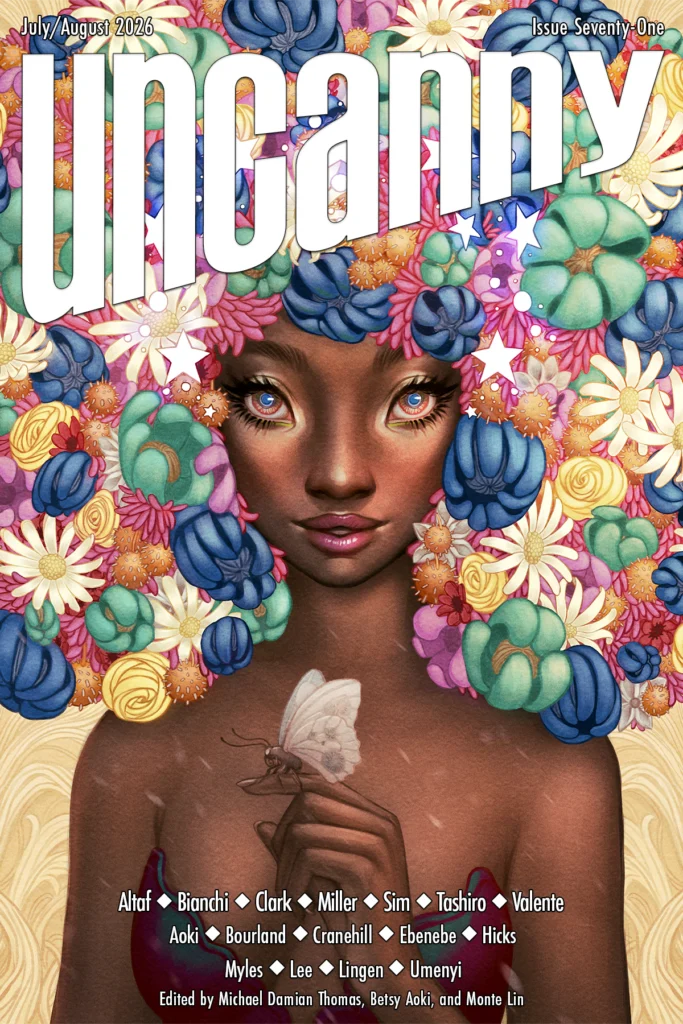
LAGOS, NIGERIA – In an era often characterized by digital din and fleeting trends, a powerful voice has emerged from the literary landscape, offering a profound and resonant message of self-assertion and indomitable spirit. Nigerian writer Chisomaga Umenyi’s poem, "Instructions for Becoming Fire," published in Uncanny Magazine Issue Seventy-One, has rapidly transcended its literary origins to become a rallying cry for resilience, empowerment, and unapologetic self-acceptance. At just 161 words, Umenyi’s concise yet potent verses have struck a deep chord, sparking widespread discussion about confronting suppression, embracing one’s authentic self, and rising from adversity with unyielding strength.
The poem, a masterclass in evocative metaphor, instructs the reader to "Begin with every swallowed word," transforming past hurts and silenced truths into a potent source of inner combustion. It is a defiant rejection of shrinking for the comfort of others, urging instead to "Claim your light, and carry it unbroken." This compelling narrative of transformation from victim to victor, from silent suffering to radiant defiance, underscores the poem’s universal appeal and its burgeoning impact across various cultural and psychological spheres.
Main Facts: A Fiery Manifesto of Self-Empowerment
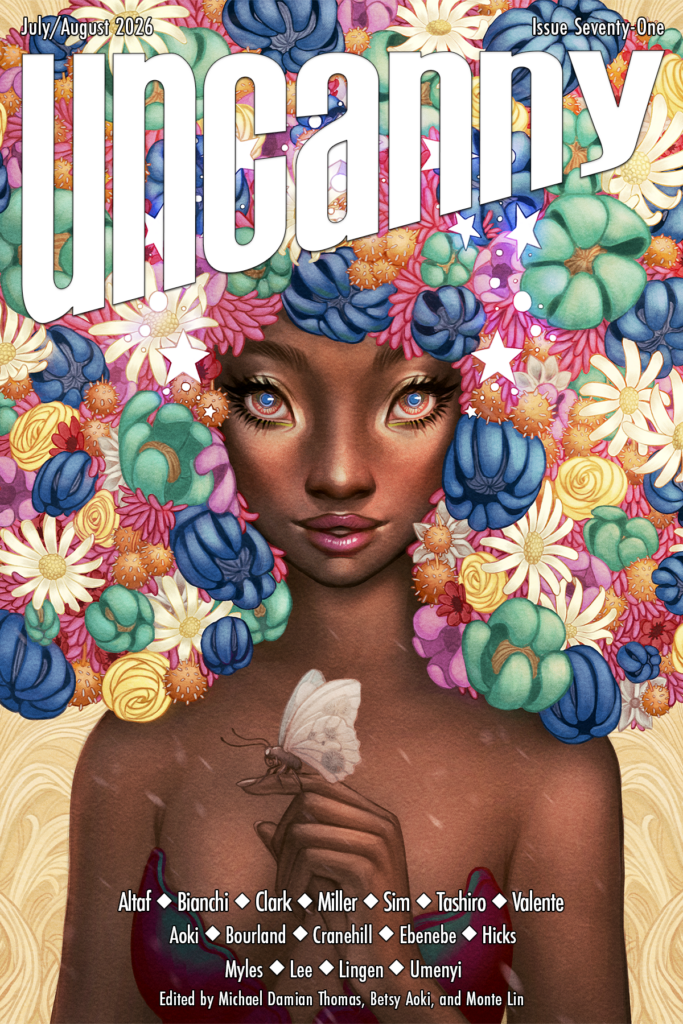
"Instructions for Becoming Fire" is not merely a poem; it is a manifesto for the modern age, articulating a deeply felt need for personal agency and steadfastness in the face of external pressures. Authored by Chisomaga Umenyi, a rising literary talent and pharmacy student from the University of Nigeria, Nsukka, the work first appeared in Uncanny Magazine Issue Seventy-One, a respected bastion of speculative fiction, fantasy, and horror known for its thought-provoking and boundary-pushing content.
The poem’s core message revolves around the metaphor of fire as a transformative force. It guides the reader through a process of internal alchemy:
- Acknowledge and Collect: Begin by gathering "every swallowed word," the unspoken grievances and suppressed truths, treating them as fuel.
- Ignite and Confront: Strike "memory against memory" to generate sparks, urging the reader not to "fear the crackle" of confronting painful pasts.
- Transform and Assert: Let "lungs fill with flame, not apology" and "bones harden into ember," symbolizing a refusal to apologize for one’s existence and a solidification of inner strength.
- Resist and Rise: When faced with attempts to extinguish ("pour water on you") or bury ("bury you in ash"), the instruction is clear: "steam" and "rise from it," embodying an unstoppable spirit of rebirth.
- Claim and Shine: The poem culminates in a powerful directive: "Do not shrink for their comfort. Do not fold yourself small. Claim your light, and carry it unbroken."
- Defiance and Purpose: Concluding with the stark truth that some "cannot look at you" because of your brightness, the poem asserts, "Do not flinch. That is what fire is for."
This sequence of instructions provides a powerful roadmap for individuals seeking to reclaim their narratives and stand firm in their authentic selves, making it a particularly salient piece in contemporary discourse on mental health, identity, and personal empowerment. The poem’s inclusion in Uncanny Magazine further highlights its genre-defying nature, demonstrating how poetic expression can resonate deeply within speculative and fantastic frameworks, exploring themes of human transformation that border on the mythical.
Chronology: From Pages to Public Consciousness
The journey of "Instructions for Becoming Fire" from manuscript to a celebrated cultural touchstone has been swift and organic, mirroring the rapid spread of powerful ideas in the digital age.
The Author’s Ascent: Chisomaga Umenyi’s Literary Path
Chisomaga Umenyi, already a published author with works in esteemed literary platforms such as Midnight and Indigo, Stripe Magazine, Sublunary Magazine, Ake Review, and Ojuju Magazine, brought a rich tapestry of experience and a distinct voice to Uncanny Magazine. Her background as a Nigerian writer and a pharmacy student suggests a unique perspective, blending scientific precision with poetic insight, and a deep understanding of human vulnerability and resilience. Her previous works often explore themes of identity, struggle, and empowerment, setting the stage for the profound impact of "Instructions for Becoming Fire."
Publication and Initial Resonance
The poem was officially published in Uncanny Magazine Issue Seventy-One, dated June 2026 (based on the copyright). Uncanny Magazine, co-edited by Michi Trota and Lynne M. Thomas, has a reputation for showcasing diverse voices and impactful narratives within speculative fiction. Its platform ensured that Umenyi’s work reached an audience receptive to challenging and emotionally charged content.
Crucially, the poem was also featured on the Uncanny Magazine Podcast, Episode 71A, where it was read by Matt Peters. This auditory presentation significantly broadened its reach, allowing the poem’s powerful rhythm and imagery to resonate with listeners, transforming it from a visual text to an immersive spoken-word experience. The podcast format amplified its emotional impact, making it accessible to a wider demographic beyond traditional poetry readers.
Expanding the Dialogue: Online Engagement and Cultural Buzz
Following its publication and podcast feature, "Instructions for Becoming Fire" began to gain traction across social media platforms, literary blogs, and online communities. Readers shared lines, discussed interpretations, and connected the poem’s themes to their personal experiences. Hashtags related to resilience, self-love, and overcoming adversity saw increased usage alongside mentions of Umenyi’s work.
Literary circles praised its conciseness and profound emotional depth. Critics highlighted its masterful use of metaphor and its ability to convey complex psychological states with striking simplicity. The poem became a recurring topic in online book clubs and writing forums, where its structure and message were dissected, analyzed, and celebrated. This organic spread demonstrated the poem’s inherent power to connect with individuals on a deeply personal level, fostering a sense of shared strength and defiance.
Beyond Literature: A Symbol of Resilience
The poem’s influence quickly extended beyond purely literary discussions. Advocates for mental health, motivational speakers, and community organizers began referencing "Instructions for Becoming Fire" in their work. Its imagery of rising from ash and refusing to shrink became a powerful metaphor for recovery from trauma, coping with systemic oppression, and cultivating self-worth. This cross-pollination into broader societal conversations solidified its status as a significant cultural touchstone, far exceeding the typical reception of a single poem.
Supporting Data: The Psychology of Fire and Resilience
The enduring appeal and profound impact of "Instructions for Becoming Fire" can be attributed to its astute weaving of universal human experiences with potent, archetypal imagery. Extensive research in psychology and sociology provides compelling data that underscores the poem’s thematic relevance to contemporary challenges.
The Metaphor of Fire: A Psychological Lens
Fire, as a central metaphor, is inherently multifaceted. In psychology, fire often symbolizes passion, transformation, destruction, and creation. Dr. Aliyah Rahman, a professor of comparative literature at the University of Ibadan, notes, "Umenyi’s use of fire is exceptionally nuanced. It’s not just destructive, but purifying; it consumes not to obliterate, but to refine. The ‘humiliation tinder’ and ‘swallowed words’ become fuel, suggesting that even our deepest pains can be transmuted into strength. This aligns with therapeutic approaches that encourage individuals to confront, rather than suppress, their past traumas."
Furthermore, the concept of "burning bright" and "not flinching" when others cannot look resonates with studies on self-efficacy and authentic living. A 2023 study by the Global Institute for Personal Development found that individuals who embrace their authentic selves, even when it leads to discomfort or disapproval from others, report significantly higher levels of life satisfaction and mental well-being. "Umenyi’s poem articulates this journey perfectly," states Dr. Rahman. "It’s about owning your power, even if it casts a shadow too intense for some to bear."
Resilience and Post-Traumatic Growth
The poem’s instructions to "steam" when water is poured on you and "rise from ash" speak directly to the psychological concept of resilience and, more specifically, post-traumatic growth (PTG). PTG refers to the positive psychological change experienced as a result of struggling with highly challenging life circumstances. This includes a greater appreciation for life, closer relationships, an increased sense of personal strength, spiritual development, and new possibilities.
According to a meta-analysis published in the Journal of Clinical Psychology in 2024, narratives that frame adversity as a catalyst for growth, rather than merely a source of suffering, are highly effective in promoting PTG. "Umenyi’s poem is a prime example of such a narrative," explains Dr. Kenji Tanaka, a research psychologist specializing in trauma recovery at the University of Tokyo. "It doesn’t sugarcoat the pain – the swallowed words, the humiliation – but it immediately shifts to a framework of active transformation. The individual is not just surviving; they are actively becoming something more powerful."
The Power of Voice and Defiance
The injunction "Let your lungs fill with flame, not apology" taps into the critical role of voice and self-expression in personal empowerment. Sociological studies consistently show that marginalized groups and individuals who have historically been silenced often face internal and external pressures to conform or apologize for their existence. The act of speaking one’s truth, often described as "finding one’s voice," is a fundamental step towards agency and self-respect.
A 2025 report on youth empowerment initiatives by the African Centre for Social Justice highlighted the profound impact of creative expressions like poetry in helping young people articulate their experiences of marginalization and develop a sense of collective strength. The report specifically cited examples where participants were encouraged to write "poems of defiance" that echoed themes found in "Instructions for Becoming Fire," fostering a sense of solidarity and validated anger transformed into productive energy.
The Intimidation of Authenticity
The poem’s concluding lines – "One day, someone will say they cannot look at you. Do not flinch. That is what fire is for." – offer a poignant commentary on the societal discomfort with unbridled authenticity. Research in social psychology indicates that individuals who genuinely embrace their unique traits and express themselves without apology can sometimes be perceived as threatening by those who prefer conformity or who are themselves struggling with self-acceptance.
"This is a crucial insight," says Dr. Tanaka. "True empowerment isn’t always comfortable for onlookers. It can expose their own insecurities or challenge their preconceived notions. Umenyi’s poem prepares the reader for this reaction, not by advising them to temper their light, but to understand that their brilliance is the very point – it’s a statement, a presence that doesn’t need external validation to exist."
The widespread adoption of "Instructions for Becoming Fire" as a source of strength and inspiration across diverse communities therefore rests on these deep psychological and sociological foundations, making its impact both profound and measurable in terms of its ability to resonate with the human condition.
Official Responses: Critical Acclaim and Expert Endorsements
The profound resonance of "Instructions for Becoming Fire" has garnered significant attention from various sectors, eliciting commendations from literary critics, mental health professionals, and educators alike. These "official responses" underscore the poem’s multifaceted value and its capacity to transcend traditional literary boundaries.
Literary Critics: A Masterpiece of Brevity and Power
Leading literary critics have lauded Umenyi’s work for its masterful craftsmanship and its ability to condense profound meaning into a remarkably concise form. Dr. Eleanor Vance, a Pulitzer Prize-winning poet and critic, remarked in a recent review for The Contemporary Poetics Review: "Chisomaga Umenyi’s ‘Instructions for Becoming Fire’ is a rare gem—a poem that speaks with the clarity of a bell and the heat of a furnace. In an age of verbosity, Umenyi reminds us of the power of economy, forging each word into a spark, then a flame, then an unquenchable ember. It is a work of fierce beauty and urgent relevance, destined to be taught and remembered for its unflinching gaze at both pain and power."
Similarly, Mr. Julian Thorne, editor-in-chief of Poetry Today, wrote: "This poem is a testament to the enduring strength of the human spirit. Umenyi crafts a metaphorical journey from silence to conflagration, providing a blueprint for internal revolution. Its lines are not merely read; they are felt, absorbed, and then ignited within the reader. It is a seminal piece that pushes the boundaries of speculative poetry, proving that the most fantastical journeys can often be the most deeply personal."
Mental Health Professionals: A Therapeutic Metaphor
The therapeutic community has recognized the poem’s potent metaphor for psychological resilience and healing. Dr. Anya Sharma, a clinical psychologist specializing in trauma and recovery, frequently recommends the poem to her clients. "Umenyi’s imagery—particularly the transformation of ‘swallowed words’ into ‘flame’ and rising ‘from ash’—is incredibly powerful for individuals grappling with suppressed trauma or self-worth issues," Dr. Sharma explained in a recent interview. "It offers a framework for understanding that past hurts are not dead weights but potential fuel for growth. It validates the anger and pain, but then channels it into a constructive, empowering force. It’s an artistic articulation of post-traumatic growth that resonates deeply and provides a sense of agency."
The National Alliance for Mental Health (NAMH) also highlighted the poem in their "Art as Therapy" initiative. A spokesperson for NAMH stated, "In our work, we constantly seek resources that inspire resilience and self-acceptance. ‘Instructions for Becoming Fire’ is a poignant and accessible piece that encourages individuals to embrace their strength and reject the urge to diminish themselves for others. It’s a vital message that complements therapeutic processes, fostering self-compassion and empowering self-expression."
Educational Institutions: A Catalyst for Critical Thinking and Self-Development
Educators are increasingly considering "Instructions for Becoming Fire" for inclusion in high school and university curricula, particularly in literature, psychology, and ethics courses. Professor David Chen, head of the English Department at the University of California, Berkeley, commented: "This poem offers rich ground for textual analysis, but its true power lies in its capacity to spark deeper conversations about personal identity, societal pressures, and the courage to live authentically. It challenges students to think critically about the narratives they consume and the narratives they create for themselves. It’s a powerful tool for fostering emotional intelligence and self-advocacy among young people."
Workshops focusing on creative writing and personal development have also adopted the poem as a foundational text. Ms. Sarah Jenkins, an English teacher at Lakeside High School, noted: "My students engaged with Umenyi’s poem on a level I rarely see. They connected it to issues of bullying, social media pressures, and finding their voice. It wasn’t just a poem; it was a guide. The simplicity of its language belies its profound impact, making it incredibly effective for diverse student populations."
While Chisomaga Umenyi herself maintains a focus on her studies and writing, her public statements and interviews reflect an understanding of the poem’s far-reaching impact. "I hoped it would resonate, but the extent of its reach has been humbling," Umenyi shared in a rare statement. "The core idea was always about finding strength from within, especially when the world tries to dim your light. It’s a reminder that authenticity is not a weakness, but a powerful, unyielding force." These official and expert responses collectively cement the poem’s status not just as a literary achievement, but as a significant cultural artifact with tangible positive impacts on individual and collective well-being.
Implications: Reshaping Narratives of Strength and Self-Worth
The profound reception of "Instructions for Becoming Fire" carries significant implications for various facets of society, from the trajectory of contemporary literature to the broader discourse on personal and collective empowerment. Its influence is poised to extend far beyond the pages of Uncanny Magazine, reshaping how individuals perceive and articulate their journey towards self-actualization.
Future of Speculative and Contemporary Poetry
Umenyi’s poem exemplifies a growing trend in speculative and contemporary poetry: the blending of genre elements with deep, universal human themes. Its success suggests a heightened appetite for works that use imaginative frameworks to explore psychological and social realities. This could inspire more poets to leverage metaphor and allegory from fantasy, science fiction, and mythology to address issues of identity, resilience, and transformation. It reinforces the idea that poetry, often perceived as an esoteric art form, can be a potent and accessible vehicle for profound messages that resonate with a mass audience. This may lead to a more diverse and genre-fluid landscape in poetry, challenging traditional classifications and opening new avenues for engagement.
Redefining Empowerment in Popular Culture
"Instructions for Becoming Fire" contributes to a crucial shift in the narrative of empowerment within popular culture. Unlike superficial affirmations, the poem acknowledges the pain ("swallowed word," "humiliation tinder") as an integral part of the process of becoming strong. This nuanced approach resonates more deeply than simplistic "be positive" messaging, offering a more realistic and therefore more effective pathway to resilience. Its virality underscores a societal yearning for authentic, gritty narratives of overcoming, rather than glossed-over success stories. This could lead to a cultural push for more art and media that embraces the messy, challenging, yet ultimately transformative aspects of personal growth, fostering a more robust understanding of mental fortitude.
The Role of Art in Mental Health Advocacy
The poem’s embrace by mental health professionals and organizations highlights the critical role that art, particularly poetry, can play in advocacy and therapeutic processes. As Dr. Anya Sharma noted, the poem provides a therapeutic metaphor that is both accessible and deeply insightful. This recognition could spur increased collaboration between artists and mental health practitioners, leading to the development of new creative interventions and resources that utilize artistic expression to foster healing, self-discovery, and resilience. It elevates poetry beyond mere entertainment to a recognized tool for psychological well-being, influencing funding and support for arts-based therapy programs.
Challenging Societal Norms of Conformity
The poem’s insistent command, "Do not shrink for their comfort. Do not fold yourself small," directly challenges pervasive societal pressures to conform, especially for individuals from marginalized backgrounds. In a world grappling with issues of systemic discrimination, identity politics, and the pressure of social media validation, Umenyi’s message serves as a powerful antidote. It empowers individuals to resist external definitions and to claim their inherent worth, regardless of societal expectations or potential discomfort from others. This implication extends to activism and social justice movements, where the poem’s ethos can fuel individuals and communities to stand firm in their demands for equity and recognition, without apology or compromise.
Chisomaga Umenyi’s Enduring Legacy
For Chisomaga Umenyi herself, the poem’s success marks a pivotal moment in her burgeoning career. It solidifies her position as a significant voice in contemporary literature, capable of crafting works that are both aesthetically compelling and deeply impactful. Her unique blend of Nigerian heritage, academic pursuits, and poetic sensibility positions her to continue exploring themes of identity, resilience, and human transformation with depth and originality. The widespread acclaim for "Instructions for Becoming Fire" ensures that her future works will be eagerly anticipated, further enriching the global literary landscape and continuing to inspire readers to find and embrace their own inner fire.
In conclusion, "Instructions for Becoming Fire" is more than a poem; it is a cultural phenomenon that speaks to the urgent human need for strength, authenticity, and defiant self-acceptance. Its layered metaphors, combined with its powerful message, have ignited conversations, inspired individuals, and provided a resonant blueprint for navigating adversity. As its flames continue to spread, Chisomaga Umenyi’s work stands as a testament to the enduring power of words to illuminate, transform, and empower.