Christopher Nolan’s Cinematic Pilgrimage: A Deep Dive into the Criterion Closet
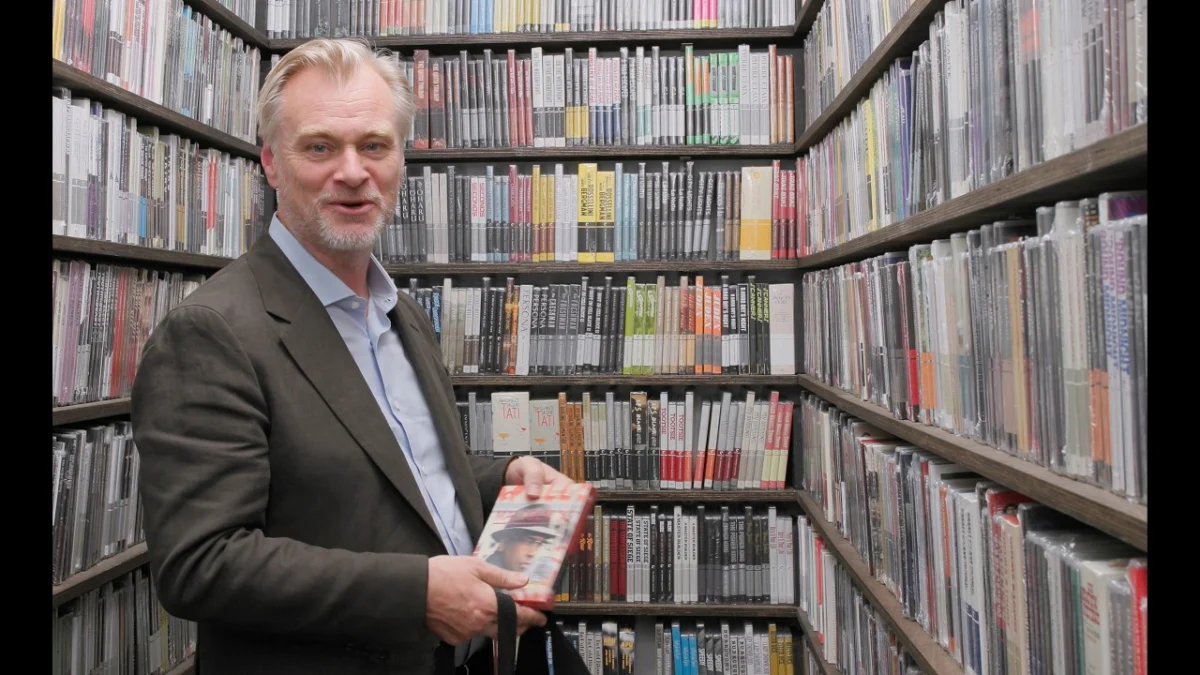
July 27, 2026 – Acclaimed filmmaker Christopher Nolan, known for his intricate narratives and monumental cinematic spectacles, has once again offered a glimpse into the very foundations of his artistic sensibilities. In a recent visit to the hallowed halls of the Criterion Collection’s "Closet," a treasure trove of cinematic masterpieces, Nolan shared his personal selections, revealing a profound and multifaceted appreciation for the art of filmmaking. This exploration delves into the significance of his choices, tracing the lineage of his influences and understanding the enduring power of the films that have shaped one of contemporary cinema’s most influential voices.
The Director’s Vision: A Curator of Cinematic Heritage
Christopher Nolan’s approach to filmmaking is often characterized by its ambitious scale, intellectual depth, and a meticulous attention to craft. His ability to seamlessly blend blockbuster spectacle with deeply personal artistic vision is a rarity in today’s cinematic landscape. This unique synthesis is not born from a vacuum but from a profound and abiding love for the medium itself. Nolan’s recent foray into the Criterion Closet, documented in a widely shared video, serves as compelling evidence of this deep-seated passion. It’s a testament to his understanding that true cinematic innovation often draws from a rich historical tapestry.
Nolan’s visit to the Criterion Closet is not his first. He humorously recounts a previous, less documented visit where he was able to "steal some films" without the presence of cameras. This time, however, he was "singing for his supper," a phrase that underscores the collaborative and public nature of sharing one’s cinematic inspirations. Unlike some who might approach such an occasion with studied reserve, Nolan immediately immerses himself, enthusiastically pulling down titles that speak to his eclectic tastes and deep understanding of film history.
His selections are immediate and bold. Among the first films he retrieves are Don Siegel’s taut neo-noir Hemingway adaptation, The Killers, a five-picture John Cassavetes box set that speaks to a raw, improvisational spirit, and Al Reinert’s awe-inspiring NASA documentary, For All Mankind, a film underscored by the evocative score of Brian Eno. The inclusion of Orson Welles is, of course, expected, but Nolan’s initial pick, Mr. Arkadin, is particularly telling. He describes Welles’ creation of the film as a process of global exploration and resourceful, almost guerrilla filmmaking: "made all over the world in the scrapiest, most sort of homemade, put-his-friends-together, grab-some-costumes, find-an-interesting-location kind of way." This highlights Nolan’s appreciation for the inherent creativity that can arise from limitations and unconventional production methods, a sentiment that often resonates in his own work.
Echoes of Influence: From Noir to Global Cinema
The threads of influence woven through Nolan’s selections are diverse and illuminating. He reveals that Fritz Lang’s The Testament of Dr. Mabuse served as a significant inspiration for the iconic portrayal of the Joker by Heath Ledger in The Dark Knight. This connection underscores Nolan’s ability to draw from the dark, psychological depths of classic cinema to inform his contemporary narratives. The complete Apu Trilogy by Satyajit Ray is another profound inclusion. Nolan acknowledges the immense impact the first film had on him, admitting he never saw the subsequent installments. For many in the English-speaking world during the mid-20th century, Ray’s work represented an early gateway into "world cinema," introducing them to diverse cultural perspectives and storytelling traditions. Nolan’s engagement with these films, alongside Martin Scorsese’s World Cinema Project, further emphasizes his commitment to recognizing and promoting cinematic diversity. His selection of volumes featuring films from Cuba, Indonesia, Iran, and beyond demonstrates a conscious effort to engage with the global cinematic conversation.
Nolan’s upbringing, with a British father and an American mother, has instilled in him a unique bicultural perspective that is reflected in his cinematic palate. While technically British, his partial upbringing in Chicago and his deep immersion in American culture lend a distinct "Americanism" to his taste. This manifests in his choices of American independent cinema, such as Spike Lee’s epic Malcolm X, David Lynch’s mind-bending Lost Highway, Carl Franklin’s gritty crime drama One False Move, and Richard Linklater’s deeply personal Boyhood. The inclusion of Robert Altman’s satirical thriller The Player is almost a given; its incisive, wicked depiction of "the Industry" is a subject that any filmmaker, particularly one navigating the complexities of Hollywood, would likely find compelling.
The Pure Cinema and the Childhood Echo
As his time in the Criterion Closet draws to a close, Nolan makes his final selections, each carrying significant weight. He chooses Godfrey Reggio’s Koyaanisqatsi trilogy, describing it as "one of the great pieces of pure cinema." This choice speaks volumes about Nolan’s appreciation for non-narrative filmmaking, for cinema that prioritizes visual and sonic experience to evoke profound emotional and intellectual responses. Reggio’s work, with its stunning cinematography and powerful Philip Glass scores, transcends traditional storytelling to offer a meditative, often critical, look at humanity’s relationship with technology and the environment. This resonates with Nolan’s own thematic explorations of societal structures and the human condition.
Equally poignant is his selection of Carroll Ballard’s The Black Stallion, a childhood favorite that has remained with him throughout his career. This personal connection highlights the formative power of early cinematic experiences and the enduring resonance of films that capture a sense of wonder and adventure. It suggests that even for a director operating at the pinnacle of contemporary filmmaking, the magic of cinema often begins with deeply personal and emotionally charged encounters with the medium.
A Masterclass in Ending: The Enduring Power of Citizen Kane
Nolan’s approach to concluding his curated selections mirrors his filmmaking philosophy: ending strong, with impact, and in a way that invites contemplation rather than explicit explanation. His final choice, Citizen Kane, is perhaps the most fitting. Orson Welles’ 1941 masterpiece is a landmark achievement in cinematic storytelling, a film that continues to be studied and debated for its innovative narrative structure, groundbreaking cinematography, and profound exploration of character and ambition. Nolan’s decision to end with Citizen Kane is not merely a nod to a classic; it is an acknowledgment of its foundational importance to the art form, a film that continues to inspire and challenge filmmakers and audiences alike. It serves as a powerful reminder of cinema’s capacity for artistic and technical innovation, a principle that Nolan himself embodies in his own groundbreaking work.
Supporting Data: The Criterion Collection’s Enduring Legacy
The Criterion Collection, founded in 1984, has established itself as the preeminent home-video distributor for classic and contemporary art-house films. Its meticulously curated releases, featuring high-definition restorations, supplemental features like interviews, essays, and behind-the-scenes documentaries, have made a significant contribution to film preservation and education. The "Criterion Closet," a metaphorical space representing the vastness of their catalog, is a testament to the enduring cultural significance of these films. Nolan’s engagement with it underscores the collection’s importance not only to cinephiles but also to active filmmakers seeking inspiration and historical context.
The inclusion of films like The Testament of Dr. Mabuse in the Criterion Collection highlights the platform’s role in making obscure or historically significant works accessible to a wider audience. Similarly, Satyajit Ray’s Apu Trilogy and films from Scorsese’s World Cinema Project demonstrate Criterion’s commitment to promoting international cinema, breaking down geographical and cultural barriers for film lovers.
Official Responses: A Nod to Cinematic Heritage
While there is no specific "official response" to Christopher Nolan’s personal selections from the Criterion Closet in the traditional sense, the very act of Criterion sharing this content serves as an implicit acknowledgment of Nolan’s stature within the film community. Their platform is designed to celebrate filmmakers and their influences, and Nolan’s participation is a natural extension of this mission. Criterion’s ongoing work in restoring and distributing films from directors like Lang, Welles, Ray, and Reggio ensures that their legacies continue to inform and inspire new generations of filmmakers and audiences.
Implications: The Intergenerational Dialogue of Cinema
Christopher Nolan’s visit to the Criterion Closet and his subsequent sharing of his favorite films offer a valuable insight into the enduring power of cinematic heritage. It demonstrates that even the most forward-thinking and innovative filmmakers are deeply rooted in the traditions and achievements of those who came before them. His selections reveal a sophisticated understanding of film history, a recognition of diverse cinematic voices, and an appreciation for the various ways in which great films are made – from the meticulously planned to the delightfully improvised.
The implications of Nolan’s curated list are far-reaching. For aspiring filmmakers, it serves as a roadmap, suggesting avenues for exploration and encouraging a deep dive into the rich history of cinema. For cinephiles, it offers a curated selection of essential films, reinforcing the value of the Criterion Collection as a vital resource for understanding and appreciating the art of filmmaking. Ultimately, Nolan’s pilgrimage through the Criterion Closet is more than just a personal reflection; it is a testament to the ongoing, intergenerational dialogue that defines cinema, a continuous conversation between past, present, and future masters of the medium. It highlights that the most impactful cinematic visions are often those that are built upon a foundation of profound respect and deep understanding of the art form’s storied past.