The Scalper’s Gambit: Valve’s Steam Frame Launch Met with Massive Waitlists and eBay Price Gouging
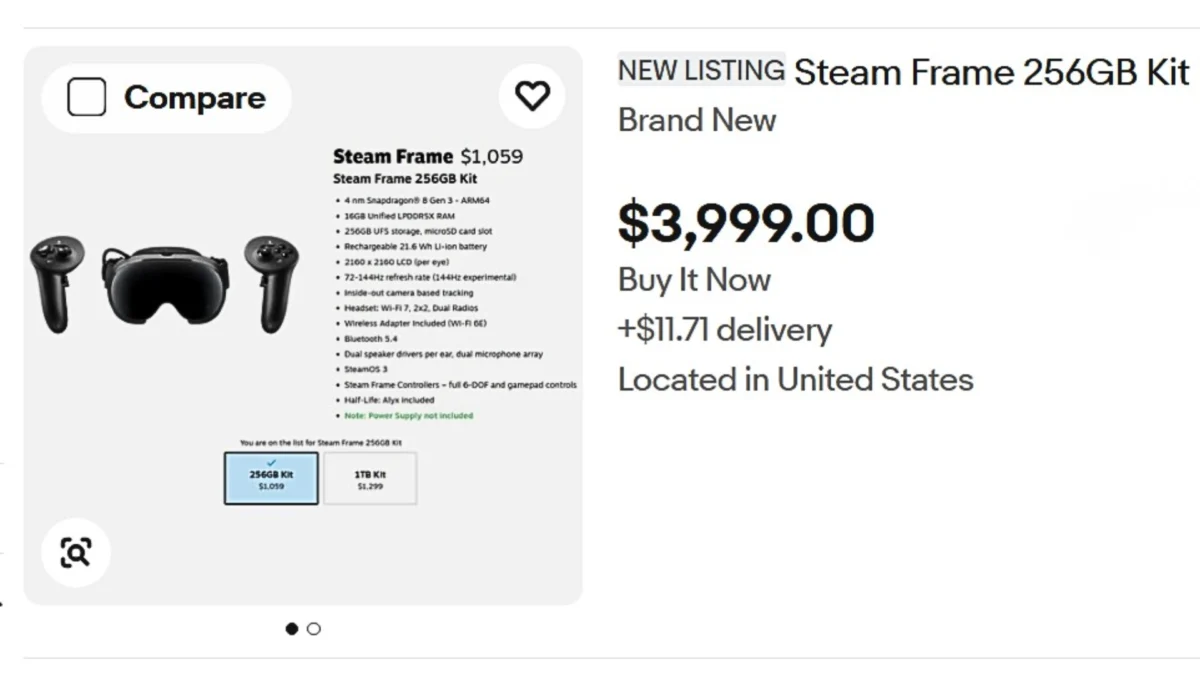
The intersection of high-end hardware enthusiast culture and the predatory nature of secondary market arbitrage has once again reached a boiling point. As Valve begins the process of notifying potential customers regarding their "Steam Frame" reservations, a familiar and frustrating pattern has emerged. While thousands of gamers received the "dreaded waitlist" email, notifying them of delays that stretch into the coming years, a wave of opportunistic sellers has flooded platforms like eBay, listing the unreleased hardware at astronomical markups.
This phenomenon highlights a growing crisis in the tech industry: the inability of traditional retail and reservation systems to fully insulate consumers from scalpers, even when sophisticated mitigation strategies are employed. For the Steam Frame—Valve’s highly anticipated foray into the next generation of spatial computing and high-fidelity VR—the disparity between supply and demand has created a fertile ground for scams and price gouging.
Main Facts: A Launch Marred by Scarcity
The Steam Frame, positioned as the spiritual and technical successor to the Valve Index, was designed to redefine the VR landscape. However, the narrative surrounding its launch has shifted from technical prowess to logistical frustration. Following the price reveal on Monday, September 14, 2026, Valve opened its reservation system to the public. The system, modeled after the successful but similarly strained rollout of the Steam Deck years prior, required users to register their interest and wait for an invitation to purchase.
The current situation can be summarized by three core issues:
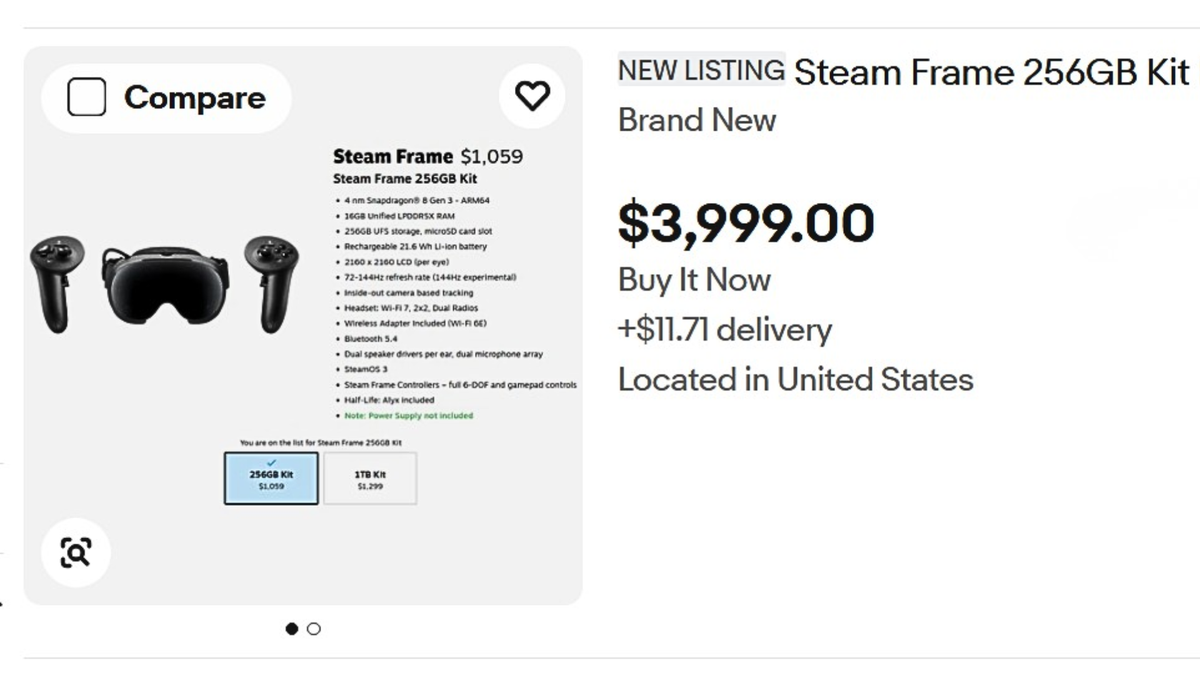
- Inventory Shortages: A significant percentage of the initial registration pool has been moved to a "Waitlist" status. In some extreme cases, users have reported estimated delivery windows stretching as far as early 2027.
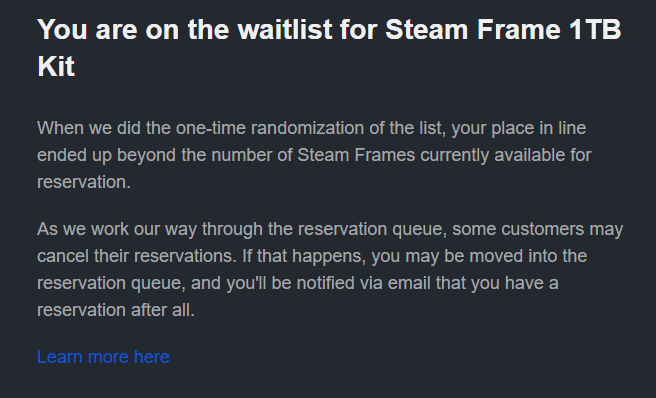
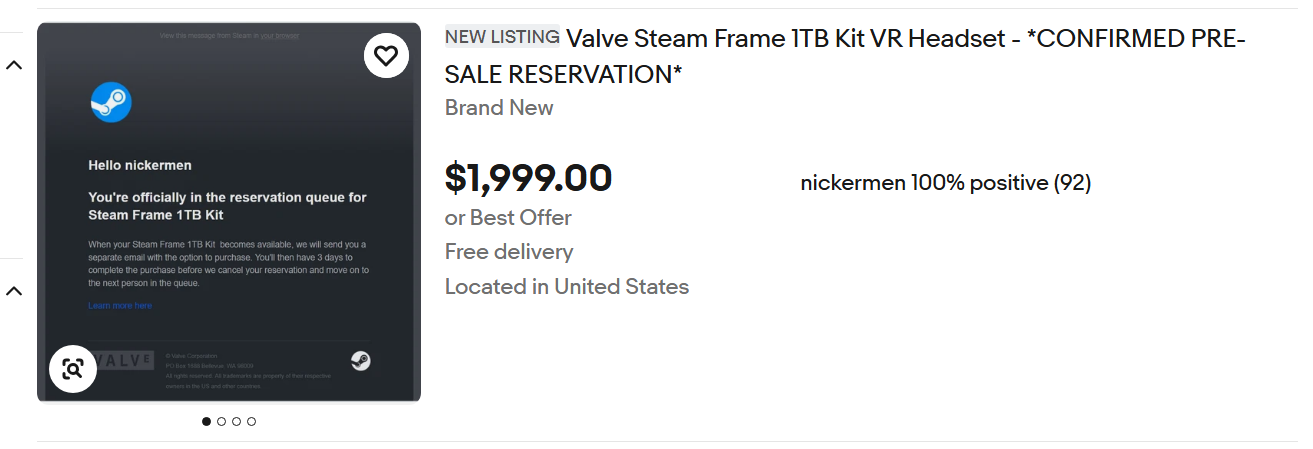
- Secondary Market Explosion: Within hours of the waitlist emails being dispatched, eBay and other peer-to-peer marketplaces saw a surge in "Confirmed Order" and "Reservation Slot" listings. These listings often demand two to three times the retail price of the unit.
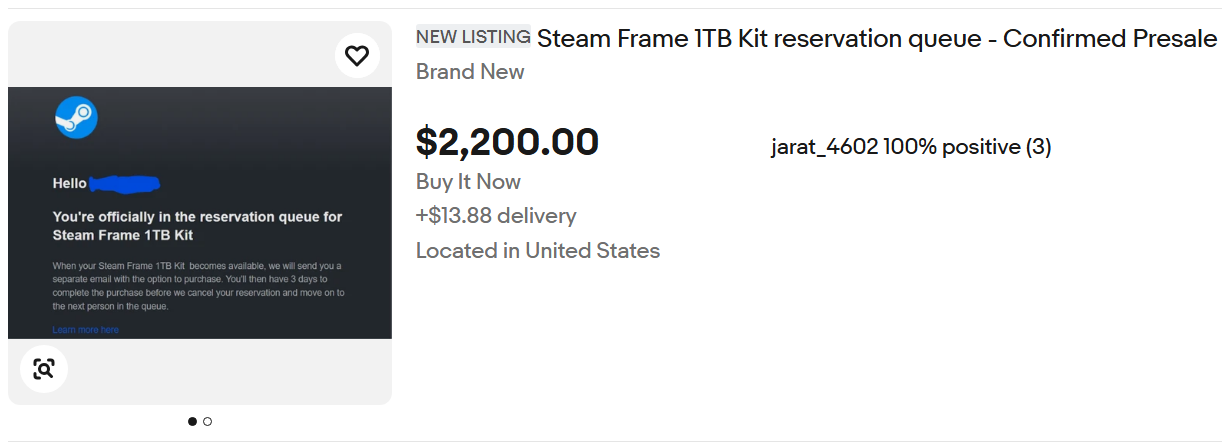
- Verification Risks: Many of these secondary market listings are inherently fraudulent. Since the physical hardware—outside of select developer kits—has not yet been shipped to the general public, sellers are essentially "selling a promise," often backed by easily forged screenshots of email confirmations.
Chronology of the Steam Frame Rollout
To understand the current state of the market, one must look at the timeline of events that led to the present outcry.
The Initial Reveal and Registration (September 14, 2026)
Valve officially unveiled the pricing structure and technical specifications of the Steam Frame on September 14. The announcement was met with widespread acclaim, particularly due to the inclusion of Half-Life: Alyx and several new technical demos designed to showcase the Frame’s high-resolution optics and proprietary tracking system. Registration opened immediately, utilizing Valve’s "Verified Account" system to theoretically prevent botting.
The First Wave of Waitlist Emails (Mid-September 2026)
By September 17, the first major wave of status updates began hitting inboxes. While a small percentage of early registrants received "Ready to Purchase" notifications, a much larger cohort—including long-time Steam users and hardware enthusiasts—received the waitlist notification. This email informed users that due to "overwhelming demand and supply chain constraints," their opportunity to purchase would be delayed.
The eBay Surge (Concurrent with Waitlist Notifications)
Almost simultaneously with the dispatch of the waitlist emails, the secondary market reacted. Scalpers who had successfully secured an early "Ready to Purchase" slot or an early-tier reservation began listing their "spots" on eBay. These listings are not for the physical device, but for the account or the promise of a redirected shipment, a practice that violates the terms of service of both Valve and most secondary marketplaces.
Supporting Data: The Economics of the Secondary Market
The data emerging from secondary marketplaces paints a grim picture for the average consumer. Historical context provided by previous Valve hardware releases, such as the Steam Controller and the Steam Deck, suggests that these price inflations are not temporary spikes but sustained trends.
Price Comparison and Markup Analysis
A survey of current eBay listings reveals the following trends:
- Retail Price: While Valve has tiered pricing for the Steam Frame, the base units are being listed on the secondary market with a 150% to 200% markup.
- The Steam Controller Precedent: Even older, discontinued hardware is seeing a resurgence. The Steam Controller, originally a $50–$100 accessory, is currently fetching upwards of $300 on eBay. This "halo effect" of scarcity around Valve hardware emboldens scalpers to push the limits of what the market will bear for the Steam Frame.
- Waitlist Duration: Data aggregated from community forums like Reddit and Discord suggests that only the first 5-10% of registrants are in the "Q4 2026" window. The vast majority of the "Wave 2" registrants are seeing dates in late 2027, a staggering 12-to-15-month wait.
The "Screenshot Economy"
A dangerous trend identified in this launch is the use of "Reservation Queue Confirmations" as a form of digital currency. Scammers are taking legitimate screenshots of reservation successes, using image editing software to alter timestamps and account names, and then using these images to "prove" they have a unit to sell. Because the Steam Frame is in such high demand, the "Fear Of Missing Out" (FOMO) drives buyers to bypass standard safety protocols, leading to significant financial losses.
Official Responses and Mitigation Efforts
Valve has historically been proactive in attempting to curb scalping, though their success has been mixed. The reservation system used for the Steam Frame is their most robust to date, requiring:
- An account in good standing.
- A history of purchases on the Steam platform prior to a specific cutoff date.
- A one-per-customer limit tied to verified payment methods.
Valve’s Stance
While Valve has not issued a fresh press release specifically addressing the eBay listings from this week, their documentation on the Steam Frame reservation page remains clear: "Reservations are non-transferable." Valve has previously warned that attempting to sell or purchase reservation slots can result in the cancellation of the order and potential restrictions on the Steam accounts involved.
Community and Platform Response
Consumer advocacy groups have called on eBay and similar platforms to delist "pre-order" items that cannot be delivered within the platform’s standard 30-day shipping window. However, scalpers often circumvent these rules by listing the item as a "service" or a "digital collectible," further muddying the waters for unsuspecting buyers.
Implications for the VR Industry and Consumer Trust
The fallout from the Steam Frame launch extends beyond the immediate frustration of waitlisted gamers. It raises significant questions about the future of hardware distribution in an era of global supply chain volatility and digital-first commerce.
Erosion of Brand Loyalty
Valve has cultivated a reputation as a "pro-consumer" company. However, the recurring theme of hardware scarcity threatens to alienate its most loyal fan base. When long-term users—some with Steam accounts over 20 years old—are told they must wait until 2027 to access new technology while scalpers flaunt confirmed orders for profit, the sense of "fair play" is diminished.
The Barrier to VR Adoption
The Steam Frame was expected to be a "mass adoption" event for high-end VR. By pricing out the average consumer through secondary market inflation, the growth of the VR ecosystem is effectively stunted. Developers who are creating content specifically for the Steam Frame’s advanced features may find themselves with a much smaller install base than projected, potentially leading to a slowdown in software innovation.
Regulatory Scrutiny
The persistent issue of "botting" and scalping in the tech sector has already caught the attention of legislators in several jurisdictions. The "Better Online Ticket Sales (BOTS) Act" in the United States and similar "anti-scalping" legislation in the UK and EU are increasingly being cited as frameworks that should be expanded to include high-demand consumer electronics. The Steam Frame situation could serve as a primary case study for future regulatory intervention in the secondary sale of electronics.
Conclusion: A Word of Caution
As the dust settles on the first wave of Steam Frame notifications, the message to consumers remains one of extreme caution. The allure of owning the latest hardware is powerful, but the risks associated with the current secondary market are unprecedented.
The "2027" waitlist date is a bitter pill for many to swallow, but it is a reflection of a global reality where manufacturing cannot keep pace with digital hype. For now, the most prudent course of action for those on the waitlist is patience. Engaging with eBay scalpers not only risks financial loss through scams but also validates and incentivizes the very predatory behavior that makes these launches so difficult for the average consumer. Valve’s Steam Frame represents a leap forward for technology, but the journey to get it into the hands of gamers remains mired in the challenges of the modern marketplace.