Uncanny Magazine Launches 13th Kickstarter Amidst Industry Turmoil, Championing Stories and Legacy
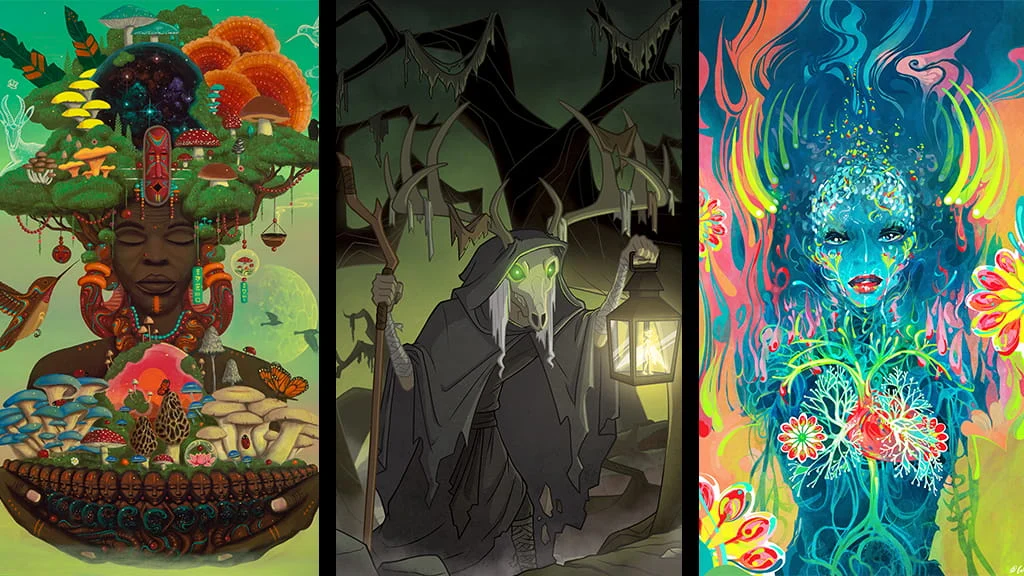
[City, State] – [Date: e.g., July 15, 2026] – In an era marked by unprecedented challenges for independent publishing, Uncanny Magazine, the multi-award-winning online speculative fiction journal, has embarked on its thirteenth annual Kickstarter campaign. The initiative, titled "Uncanny Magazine Year 13: The Space Unicorn Believes in YOU!", seeks to secure funding for its continued operation, including the highly anticipated "Diamond Issue 75." Michael Damian Thomas, Publisher and Editor-in-Chief, articulates a familiar sentiment of stress tied to this yearly fundraising drive, yet his resolve remains unshaken, driven by the profound impact of Uncanny‘s stories on its readership and a deeply personal legacy.
Main Facts: A Resilient Vision in a Shifting Landscape
Uncanny Magazine, celebrated for its diverse and inclusive approach to science fiction and fantasy, finds itself at a critical juncture as it launches its thirteenth annual crowdfunding campaign. The magazine, a consistent recipient of prestigious awards including the Hugo, British Fantasy, World Fantasy, Parsec, and Locus Awards, has become a beacon for both established and emerging voices in speculative fiction. However, its continued existence, like many independent publications, hinges on the success of this yearly appeal to its dedicated community.
Michael Damian Thomas, the driving force behind Uncanny, openly acknowledges the inherent stress of what he describes as a "yearly referendum about whether or not your business should exist." This candid admission, recently highlighted during an interview on the Functional Nerds podcast with co-host Tracy Townsend, underscores the precarious nature of publishing in the 21st century. Despite these pressures, Thomas’s commitment is unwavering, fueled by a powerful combination of reader affirmation and a deeply personal dedication to the magazine’s mission.
The current Kickstarter campaign is not merely about survival; it also marks significant milestones. Year 13 culminates in Issue 75, which Uncanny is dubbing its "Diamond Issue." In a testament to the magazine’s commitment to quality and its track record of recognizing excellence, all solicited fiction contributors and two of the solicited essayists for Issue 75 are individuals who have previously garnered awards for their work published within Uncanny Magazine. This celebratory issue is poised to be a showcase of the talent and vision that the magazine has cultivated and championed over more than a decade.
Chronology: A Decade of Space Unicorns and Shifting Tides
Uncanny Magazine first burst onto the speculative fiction scene in 2014, co-founded by Michael Damian Thomas and Lynne M. Thomas. Their vision was clear: to create a space for "provocative, diverse, and inclusive science fiction and fantasy," aiming to publish stories that were both beautiful and challenging. From its inception, the magazine adopted a hybrid funding model, combining subscriptions with an annual Kickstarter campaign, a strategy that has proven essential for its longevity.
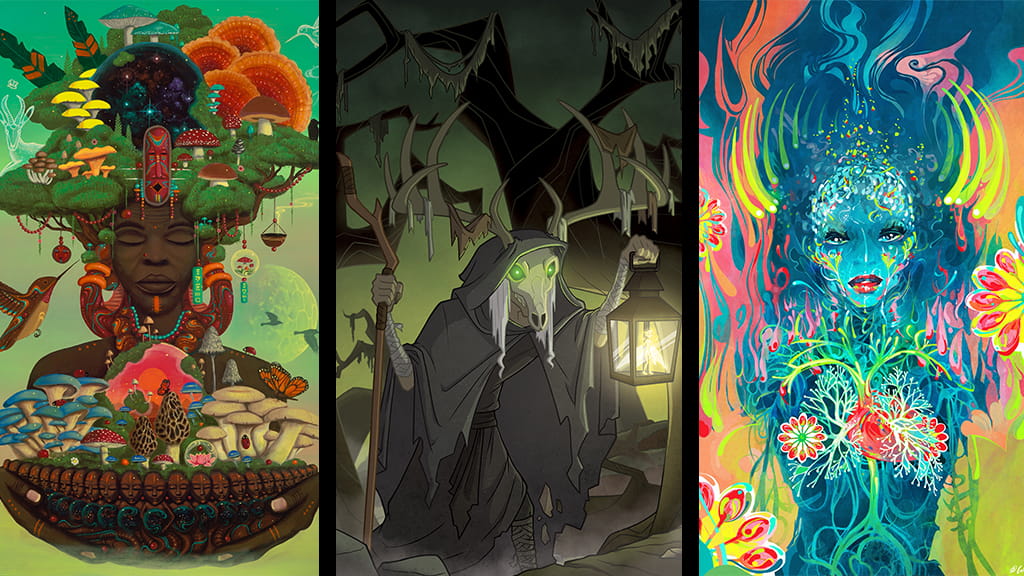
Over the past twelve years, Uncanny has consistently delivered on its promise, publishing bimonthly issues featuring a rich tapestry of fiction, poetry, essays, interviews, and podcasts. Its editorial approach has championed a broad spectrum of voices, narratives, and perspectives, quickly establishing it as a critical darling and a favorite among readers. This commitment to diversity and quality has translated into an impressive array of accolades, making it one of the most decorated genre magazines in contemporary publishing.
However, the journey has been far from smooth. The publishing landscape has undergone dramatic transformations, particularly in recent years. The challenges Thomas enumerates are not isolated incidents but represent systemic shifts that threaten the viability of independent literary endeavors:
- The Rise of AI-Generated Content: The proliferation of "AI slop submissions" has introduced a new layer of editorial burden, forcing publications to develop strategies for identifying and rejecting content that lacks human creativity and originality. This not only consumes valuable editorial time but also dilutes the quality of the submission pool.
- Evolving eBook Retailer Terms: Major eBook platforms have periodically adjusted their payment structures and terms, often to the detriment of independent publishers and authors. These changes can significantly impact revenue streams, making it harder for magazines to adequately compensate their creators and staff.
- Award Controversies and Social Media Fractures: The speculative fiction community, like many others, has experienced periods of intense debate and controversy surrounding literary awards and social media discourse. These can create a challenging environment, sometimes distracting from the core mission of celebrating literature and fostering community.
- Economic Pressures: Inflation and rising operational costs continually squeeze budgets, while the traditional compensation for editors and publishers in this sector remains notoriously low.
- The Closure of Peer Publications: Thomas points to "other SF/F magazines struggling and closing to little or no fanfare or acknowledgement," highlighting a grim reality that underscores the fragility of the ecosystem Uncanny operates within. These closures serve as stark reminders of the constant battle for financial stability and readership attention.
Despite these headwinds, Uncanny Magazine has consistently managed to navigate these treacherous waters, largely thanks to the unwavering support of its community, mobilized annually through its Kickstarter campaigns. Each successful campaign has represented not just a financial victory, but a reaffirmation of the magazine’s vital role within the genre.
Supporting Data: The Enduring Power of Story and Connection
The question of "why keep going" in the face of such adversity is central to Thomas’s guest post, and his answer is rooted deeply in the tangible impact Uncanny Magazine has on individuals. This impact transcends mere entertainment, touching on fundamental human needs for connection, empathy, and representation.
A pivotal moment that solidified Thomas’s resolve occurred years ago, an opportunity facilitated by Tracy Townsend, his former teacher and now a podcast co-host. When Uncanny spoke to her SF/F students at a residential gifted high school, the feedback was overwhelming. Students approached Thomas, one after another, to express the profound importance of Uncanny Magazine in their lives. They articulated how meaningful it was "to see themselves in the stories" – a powerful testament to the magazine’s commitment to diverse narratives and characters that reflect the rich tapestry of human experience. Furthermore, some students found a deep sense of validation in seeing a nonbinary editor, like Thomas himself, at the helm of such a respected publication, signaling an inclusive future for the genre.

This experience is not isolated. Thomas recounts similar encounters at SF/F conventions and events, where readers, writers, and artists consistently convey the significance of Uncanny‘s work. "Stories mean something to people," he emphasizes. "The human soul craves art, beauty, empathy, comfort, and challenges." This philosophy guides Uncanny‘s editorial choices, ensuring that each issue offers a mosaic of experiences that resonate deeply with its audience. The sheer "magnificence in discovering a new author’s work or seeing what an author I know created next" remains a constant source of joy and motivation for Thomas, indicating that the initial passion for discovery has not waned.
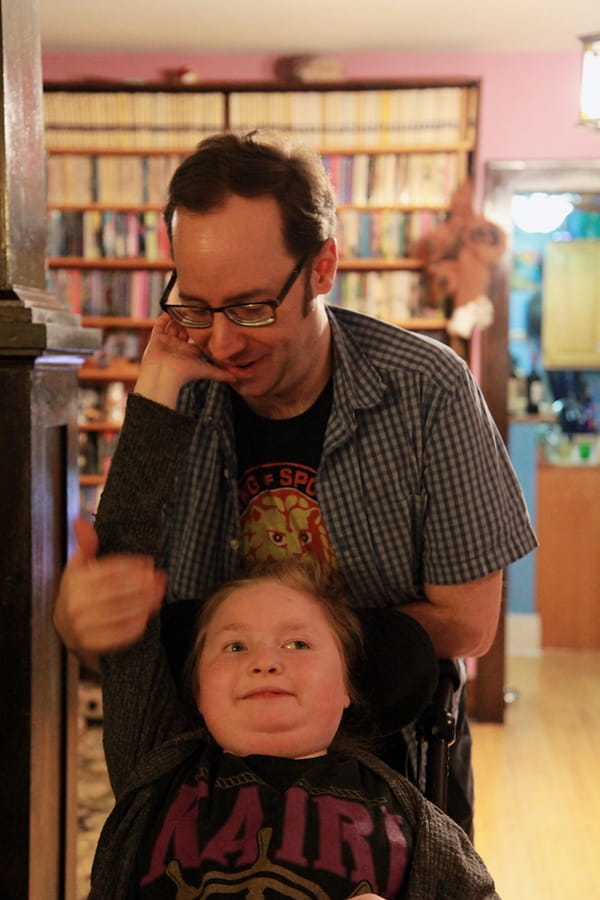
Beyond the collective impact, a profoundly personal motivation underpins Thomas’s dedication: the legacy of his late daughter, Caitlin. As he movingly shared in a previous essay, Caitlin was the "Uncanny Magazine Space Unicorn," a beloved figure who embodied the spirit of the magazine. Caitlin, who lived with Aicardi syndrome, understood the power and necessity of stories. Her kindness, strength, and infectious spirit made her an integral part of the Uncanny journey, even "sassing" her father during stressful Kickstarter lulls. Her love for the magazine and its community, her presence at events like the talks with Tracy Townsend’s classes, continue to provide Michael with immeasurable strength. For Thomas, keeping Uncanny alive is a tribute to Caitlin, ensuring that "phenomenal creators will always have a place for their amazing pieces" – stories that Caitlin herself would have loved and championed.
The specific examples of stories cited by Thomas illustrate Uncanny‘s breadth and relevance:
- "The Year Without Sunshine" – a narrative exploring community kindness in the Twin Cities.
- "Tantie Merle and the Farmhand 4200" – a heartwarming tale of an unlikely friendship between a goat and a robot in Trinidad and Tobago.
- "Rabbit Test" – a powerful expression of righteous anger regarding abortion laws.
These examples underscore Uncanny‘s role in providing not just escapism, but also reflection, social commentary, and a mirror to the human condition in all its complexity. The dedication of "the GREATEST STAFF IN THE UNIVERSE!" is also a crucial, albeit understated, factor in the magazine’s continued success, highlighting the collective effort required to produce a high-quality publication under challenging circumstances.
Official Responses: The Year 13 Kickstarter and Diamond Issue 75
The "Uncanny Magazine Year 13: The Space Unicorn Believes in YOU!" Kickstarter campaign is the direct mechanism through which the magazine seeks to continue its mission. The campaign is designed to cover the costs associated with producing another year of bimonthly issues, including paying authors, artists, poets, and essayists professional rates, as well as covering editorial, production, and administrative expenses.
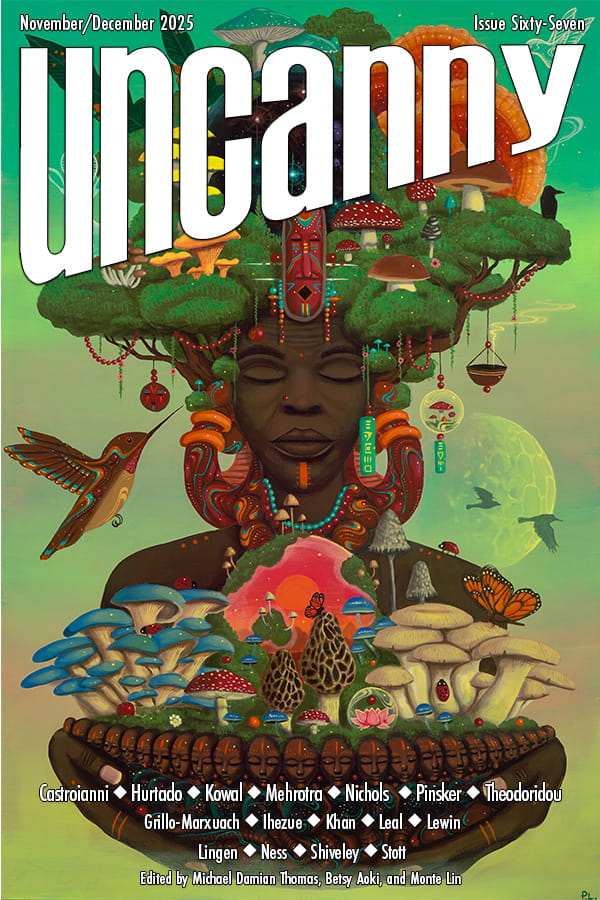
The campaign offers a variety of "awesome Backer Levels" designed to engage its community and provide tangible rewards for their support. These include:
- Hangouts: Opportunities for backers to connect directly with the Uncanny team and creators.
- Critiques: Valuable feedback on manuscripts, a boon for aspiring writers.
- Signed Books: Collectible items featuring the work of Uncanny contributors.
- Tuckerizations: The unique opportunity for backers to have their names or characteristics incorporated into a story, creating a lasting connection to the magazine’s content.
A standout feature of this year’s campaign is the celebration of "DIAMOND Issue 75." This milestone issue is poised to be a literary event, with a curated selection of contributors who have already demonstrated their excellence within the pages of Uncanny. The decision to feature only award-winning Uncanny alumni for the solicited fiction and two solicited essays in Issue 75 is a bold statement about the magazine’s consistent quality and its nurturing environment for talent. It serves as both a retrospective celebration of past achievements and a promise of future literary brilliance.
Michael Damian Thomas issues a fervent call to action to the "Space Unicorn Ranger Corps" – the affectionate term for Uncanny‘s dedicated fanbase. He implores both returning and new backers to contribute, emphasizing that every pledge helps ensure the magazine can continue to deliver "the art, beauty, and kindness of Uncanny Magazine." The urgency is clear, but so is the conviction that, with collective effort, "WE CAN DO THIS, SPACE UNICORNS!"
Implications: A Vital Model for Independent Speculative Fiction
The ongoing journey of Uncanny Magazine and its reliance on annual crowdfunding holds significant implications for the broader landscape of independent speculative fiction publishing. In an industry increasingly consolidated and challenged by technological shifts and economic pressures, Uncanny represents a vital model of resilience and community-driven sustenance.
Uncanny‘s continued success through Kickstarter demonstrates the power of direct reader support in fostering literary diversity. While larger publishers may struggle with niche markets or experimental content, crowdfunding allows publications like Uncanny to thrive by directly appealing to an audience that values its specific editorial vision—one that prioritizes inclusive narratives, thoughtful commentary, and high-quality craft. This model bypasses many of the traditional gatekeepers and commercial pressures that can stifle innovation and limit representation.
The challenges Thomas outlines – AI, changing platform terms, economic strain – are not unique to Uncanny. They are symptomatic of a wider struggle faced by numerous small presses and literary magazines. Uncanny‘s ability to navigate these difficulties, year after year, offers a beacon of hope and a practical blueprint for others. It underscores the critical role of strong editorial leadership, a dedicated team, and a deeply engaged community in maintaining a foothold in a volatile market.
Furthermore, Uncanny Magazine‘s unwavering commitment to diverse voices and perspectives positions it as more than just a literary publication; it is a cultural institution. In a world yearning for empathy and understanding, the stories Uncanny publishes offer windows into different experiences, fostering connection and challenging preconceived notions. The validation felt by young readers seeing themselves reflected in its pages, or by marginalized creators finding a home for their work, speaks to the profound societal value of such platforms.
As Uncanny Magazine rallies its "Space Unicorn Ranger Corps" for its thirteenth year, its campaign is more than a fundraiser; it is a declaration of purpose. It is a reaffirmation that, even in the face of relentless stress and systemic obstacles, the human craving for art, stories, and connection remains an unconquerable force. The success of this Kickstarter will not only ensure another year of award-winning speculative fiction but will also reinforce the enduring power of community and passion in shaping the future of literature.