Ungraded: Revolutionizing the Raw Trading Card Market with 3D Digital Authenticity
Introduction: A New Paradigm for Trading Card Transactions
For seasoned collectors and casual enthusiasts alike, the vibrant world of trading card games (TCGs) and sports cards has always carried an inherent thrill – the chase for rare finds, the strategic depth of gameplay, and the nostalgic pull of cherished artwork. However, the burgeoning online marketplace for these coveted items, particularly for cards that haven’t undergone professional grading, has long been fraught with significant risks. From the heartbreak of receiving counterfeit goods to the frustration of condition discrepancies and outright non-delivery, the act of buying and selling "raw" cards online has often felt like a high-stakes gamble.
Enter Ungraded, a pioneering TCG marketplace startup poised to disrupt this landscape. Founded by a pair of astute Cornish Pokémon card collectors, Ungraded promises a transformative solution: a sophisticated imaging technology that captures raw cards in stunning 3D detail, offering unprecedented transparency and trust to buyers and sellers. By eliminating much of the guesswork and anxiety associated with online raw card transactions, Ungraded aims to establish a new standard for authenticity and condition verification, setting the stage for a more secure and equitable trading experience across popular titles like Pokémon, Magic: The Gathering, Yu-Gi-Oh!, and various sports card collections.
The Unseen Perils of Ungraded Card Trading
The current ecosystem for buying and selling ungraded trading cards online is, to put it mildly, a minefield for the uninitiated and often a source of exasperation for even the most experienced collectors. Unlike their professionally graded counterparts – encased in tamper-proof slabs by renowned services like PSA, Beckett Grading Services (BGS), or Certified Guaranty Company (CGC), and assigned a definitive numerical condition score – raw cards exist in a gray area of subjective description and photographic ambiguity.
The core problem stems from a fundamental lack of trust and verifiable information. When a seller lists a raw card on a general marketplace like eBay, the buyer is typically reliant on a few static images and a textual description. These images are often low-resolution, poorly lit, or strategically angled to obscure imperfections. Critical details like faint surface scratches, minor edge wear, print lines, or subtle corner dings can be easily missed or intentionally hidden. The human eye, even aided by a camera, struggles to convey the full, nuanced condition of a card without a comprehensive, multi-angle view.
This visual ambiguity opens the door to several significant issues:
- Condition Disputes: A card described as "Near Mint" might arrive with noticeable flaws that would relegate it to "Excellent" or "Lightly Played" in the eyes of a professional grader. This leads to buyer dissatisfaction, return requests, and often, contentious disputes that damage seller reputation and consume valuable time.
- Counterfeits and Fakes: The market is unfortunately rife with counterfeit cards, ranging from crude reproductions to sophisticated fakes that can deceive even experienced collectors, especially when viewed through limited online imagery. Without physical inspection or expert authentication, buyers are vulnerable to acquiring worthless imitations.
- Non-Delivery and Shipping Damage: While not unique to raw cards, the anxiety of expensive items going missing or arriving damaged due to inadequate packaging is a constant concern.
- Information Asymmetry: Sellers often possess more information about the card’s true condition than buyers, creating an imbalance that can be exploited, intentionally or unintentionally.
- Limited Market Reach: Sellers with valuable raw cards might be hesitant to list them on platforms where trust is low, fearing lowball offers or prolonged sales processes due to buyer skepticism. Conversely, buyers may shy away from purchasing higher-value raw cards without robust assurance of condition.
These factors combine to create a significant barrier to entry for many potential collectors and investors, while simultaneously diminishing the overall efficiency and trustworthiness of the raw card market. The existing options often boil down to either paying a premium for professionally graded cards – a costly and time-consuming process typically reserved for only the most valuable assets – or taking a considerable risk on cheaper, ungraded items. It is this expansive, underserved middle ground that Ungraded aims to address.
Ungraded’s Groundbreaking Solution: 3D Digital Authenticity
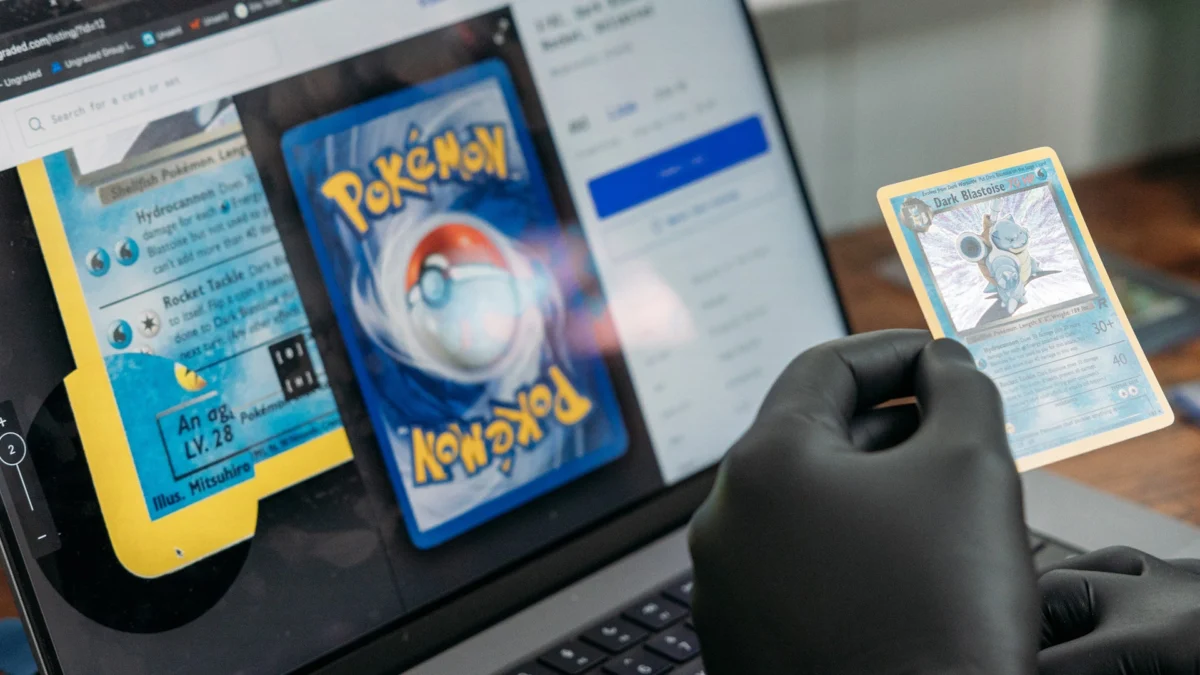
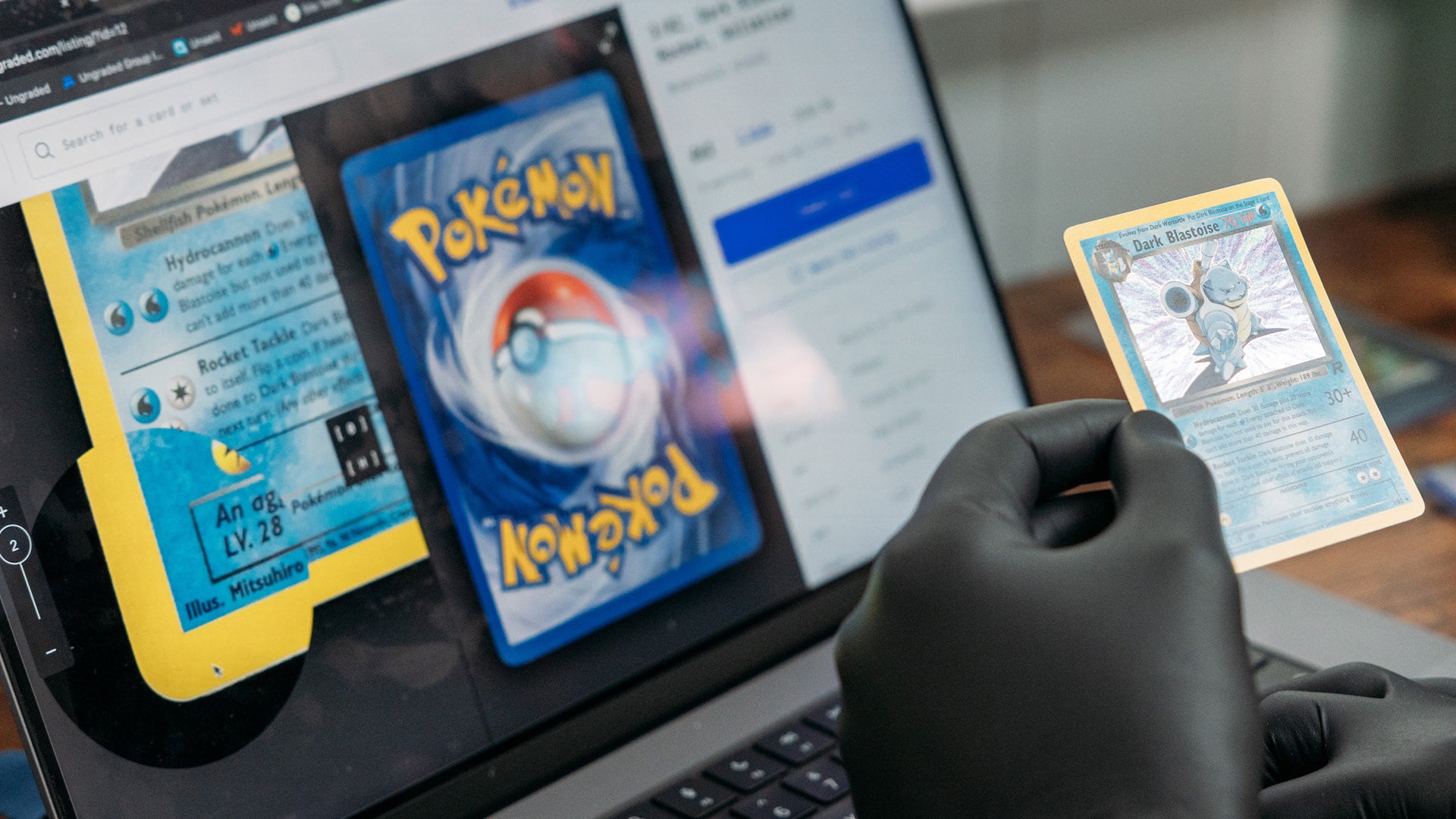
At the heart of Ungraded’s ambitious vision lies its "groundbreaking" and "seemingly unique imaging technology." This proprietary system directly tackles the problem of visual ambiguity by transforming a physical raw card into an interactive, high-fidelity 3D digital replica. Unlike static photographs, which offer only a limited perspective, Ungraded’s approach provides a comprehensive, immersive inspection experience for potential buyers.
Here’s how this innovative technology works and what it promises:
- High-Resolution Capture: When a seller submits a card to Ungraded, it is sent to their facility where a specialized imaging rig captures hundreds of ultra high-definition photos from every conceivable angle. This process goes far beyond a simple scan or a few quick snapshots.
- 3D Model Reconstruction: These hundreds of individual images are then meticulously processed using advanced photogrammetry techniques to construct a precise, rotatable 3D model of the card. This digital twin accurately reflects the card’s physical form, texture, and surface details.
- Interactive Buyer Experience: Buyers can then access this 3D model through the Ungraded marketplace. They gain the ability to:
- Rotate the card 360 degrees: Inspect every edge, corner, and surface from any angle, replicating the experience of holding the card in hand.
- Zoom in extensively: Magnify specific areas to scrutinize minute details that would be invisible in standard photos. This includes the ability to identify micro-scratches, faint print lines, subtle manufacturing defects, and even the intricate CMYK print patterns, which can be crucial for authenticating cards and assessing print quality.
- Examine surface imperfections: Clearly see any scuffs, indentations, creases, or other surface wear that might affect the card’s value.
- Assess centering: Accurately judge the alignment of the card’s artwork within its borders, a critical factor in grading and desirability.
- Verify authenticity: The level of detail provided by the 3D model makes it significantly harder for counterfeit cards to pass undetected, as subtle inconsistencies in print, texture, or holographic patterns become far more apparent.
The implicit promise is that this level of digital fidelity is so accurate that buyers can confidently judge a card’s true condition and authenticity without ever physically seeing it. This leap in transparency aims to instill a profound sense of trust, bridging the informational gap that has long plagued the raw card market. For sellers, it means their cards are presented in the best possible light, with indisputable evidence of their condition, potentially attracting a broader pool of confident buyers and securing fairer prices. It also removes the onus of providing extensive, high-quality photography themselves, streamlining the selling process.
Genesis of an Idea: From Cornish Collectors to Market Disruptors
The genesis of Ungraded stems from the firsthand frustrations experienced by its founders, described as "a couple of Cornish Pokémon card collectors." This detail, while seemingly minor, underscores a crucial aspect of entrepreneurial innovation: solving problems that one personally encounters. It’s highly probable that these founders, deeply immersed in the world of TCGs, repeatedly faced the very dilemmas of condition disputes, suspect listings, and the general lack of reliable information that plague the raw card market.
Their personal investment in the hobby likely provided them with an intimate understanding of collectors’ pain points. Instead of simply enduring these challenges, they envisioned a solution that leveraged modern technology to fundamentally alter the transaction dynamic. This entrepreneurial spirit, born out of a genuine passion for collecting, suggests a deep empathy for their target user base. They weren’t just building a platform; they were building a solution for themselves and their fellow collectors.
While the article doesn’t delve into the specifics of their journey – the initial brainstorming, the development of the imaging technology, the securing of funding, or the assembly of their team – the implication is clear: a practical problem encountered in a niche but passionate community spurred the creation of a potentially game-changing service. Their Cornish roots, while a charming detail, emphasize that significant innovation can emerge from anywhere, driven by keen observation and a commitment to addressing real-world needs within a specific market. Their ambition is not merely to create another marketplace but to establish a new standard of trust and transparency for a segment of the TCG world that has long operated on faith and often, disappointment.
A Closer Look at the Business Model: Fees, Logistics, and Guarantees
Ungraded’s business model is designed to facilitate transactions for a wide range of raw cards, from moderately valuable items to high-end collectibles, while ensuring the platform’s sustainability and covering its specialized services. The fee structure is multi-faceted, reflecting the varying values of cards and transaction types.
Seller Fees:
- Cards over £25: Sellers can list these cards for free in auction format. This encourages listing of higher-value items by removing upfront costs for sellers, aligning Ungraded’s success with successful sales.
- Fixed Price Listings: For cards sold at a fixed price, sellers will incur a 15% fee, with no additional buyer fee. This option caters to sellers who prefer a set price over an auction.
- Cards under £25: For lower-value cards, a minimum fee of £5 applies. While buyers pay 20% of the card’s value, the seller is charged the difference if 20% of the value is less than £5. For example, on a £10 card, the buyer pays £2 (20%), and the seller pays £3 to meet the £5 minimum. This ensures that the costs associated with the high-resolution imaging and processing for lower-value items are adequately covered.
- Unsold Fee: To encourage efficient inventory turnover and prevent the platform from becoming a repository of stagnant listings, a recurring "unsold fee" is implemented. If a card remains unsold after 30 days, a charge equivalent to 1% of the card’s average market price will be levied every subsequent 30 days. This incentivizes sellers to price their cards competitively or remove them if they aren’t generating interest.
Buyer Fees (for Auction Listings):
- Up to £250: Buyers pay a 20% fee on the sold value.
- £251 to £1,000: The fee drops to 17.5%.
- Over £1,000: The most expensive cards incur a 15% buyer fee.
These tiered fees are positioned as the cost for the enhanced security, detailed condition verification, and authenticity assurance provided by Ungraded’s service. Buyers are paying for the confidence that comes with the 3D inspection and Ungraded’s handling of the logistics.
Operational Flow and Guarantees:
The process is straightforward:
- Submission: Sellers send their raw cards to Ungraded’s facility.
- Imaging & Listing: Ungraded’s team photographs the cards using their proprietary 3D technology and creates the interactive listing.
- Sale: Once a card is sold, Ungraded manages the entire post-sale process. Crucially, Ungraded states it will cover costs such as postage and insurance. This is a significant benefit for sellers, as it removes the logistical burden and financial risk associated with shipping valuable items.
- Delivery: The card is then securely shipped to the buyer.
This end-to-end service offers substantial advantages over traditional marketplaces. For sellers, it eliminates the need for their own photography, packaging, and shipping arrangements, saving time and mitigating risk. For buyers, the guarantee that Ungraded handles shipping and insurance, coupled with the detailed 3D inspection, provides a level of security typically reserved for high-value graded cards. This comprehensive approach aims to streamline the transaction process and enhance buyer and seller confidence significantly.
Market Potential and Competitive Landscape
The trading card market, encompassing TCGs like Pokémon, Magic: The Gathering, Yu-Gi-Oh!, and various sports cards, has witnessed an explosive resurgence in recent years. Fueled by nostalgia, a growing collector base, and an increasing recognition of cards as legitimate alternative investments, the market is now valued in the billions globally. High-profile sales, such as Post Malone’s acquisition of "The One Ring" Magic card, regularly make headlines, underscoring the immense value some of these cardboard treasures command.
Within this booming market, the "raw" card segment represents a colossal, yet often volatile, sub-market. While high-end grading services cater to the pinnacle of card collecting, a vast majority of valuable and sought-after cards remain ungraded. These cards might not be pristine enough for a "Gem Mint 10" rating but still hold significant monetary and sentimental value. This is Ungraded’s sweet spot.
Ungraded’s Differentiators:

- Unrivaled Transparency: No existing general marketplace offers the same level of 3D, high-resolution, interactive condition inspection for raw cards. This is its primary competitive edge against platforms like eBay, TCGPlayer, or CardMarket, where static images and subjective descriptions remain the norm.
- Focus on Raw Cards: By explicitly targeting the ungraded market, Ungraded carves out a distinct niche, differentiating itself from grading companies while complementing their services. It aims to make raw card trading as trustworthy as graded card trading, without the associated wait times and costs of full encapsulation.
- Integrated Logistics: Handling photography, insurance, and shipping streamlines the process for both parties and adds a layer of professionalism and security often absent in peer-to-peer sales.
- Authenticity Measures: The extreme detail of the 3D models acts as a potent deterrent against counterfeits, offering buyers a powerful tool for verification.
Potential for Disruption:
If Ungraded can successfully scale its operations and maintain its promise of fidelity and security, it has the potential to fundamentally shift how raw cards are valued and traded. It could:
- Democratize Access: Make it safer and easier for new collectors to enter the market without fear of being scammed.
- Increase Liquidity: Encourage more sellers to list valuable raw cards, knowing they can accurately represent their condition, and attract more confident buyers.
- Stabilize Pricing: Reduce price volatility driven by uncertainty over condition, leading to more consistent and fair market values for raw cards.
- Set a New Industry Standard: Other marketplaces might eventually be compelled to adopt similar advanced imaging technologies to remain competitive.
However, the market is competitive. Ungraded will need to build strong brand recognition, maintain excellent customer service, and continuously refine its technology to stay ahead. The sheer volume of cards, especially for popular TCGs, presents a significant logistical challenge for imaging and processing.
Official Responses and Industry Reception
As a nascent startup, Ungraded has yet to elicit widespread official responses from established industry players or garner comprehensive public reception beyond initial interest. However, the very premise of its service addresses long-standing pain points within the trading card community, suggesting that its potential impact will be closely watched.
From the perspective of major grading companies like PSA, BGS, and CGC, Ungraded could be seen as both a potential ally and a subtle competitor. It acts as an ally by making the raw card market more trustworthy, which could ultimately encourage more cards to be graded if their verified condition proves exceptional. However, by providing such detailed virtual inspection, it might also reduce the immediate urgency for some collectors to send cards for physical grading, especially for cards that are valuable but not necessarily destined for a Gem Mint 10. These companies might monitor Ungraded’s success to gauge future market trends and potential collaborations or competitive responses.
Online marketplaces like eBay, TCGPlayer, and CardMarket, which currently dominate raw card transactions, will likely view Ungraded as a direct challenger to their existing model. While these platforms benefit from vast user bases and established infrastructure, they lack the specialized imaging and authentication services that Ungraded is championing. Should Ungraded gain significant traction, these giants might be compelled to invest in similar technologies or partner with third-party verification services to maintain their market share.
From the perspective of the collector community, the initial reception is likely to be a mix of cautious optimism and genuine excitement. The promise of genuine transparency is highly appealing, given past frustrations. However, collectors are also a discerning group, and Ungraded will need to prove that its "groundbreaking" technology delivers on its lofty promises consistently. Key questions from the community will likely revolve around:
- Accuracy: How truly accurate are the 3D models in reflecting every minute imperfection?
- Scalability: Can Ungraded process a high volume of cards efficiently without long wait times?
- Dispute Resolution: How will Ungraded handle disputes if a buyer believes the 3D model misrepresented the physical card?
- Authenticity Guarantees: What measures are in place to prevent fakes from entering the imaging process?
While no official endorsements or criticisms have yet been widely publicized, the very existence of Ungraded highlights a clear market demand for enhanced trust and transparency. Its success or failure will undoubtedly send ripples through the entire trading card industry, prompting discussions about future standards for online card transactions.
The Road Ahead: Launch, Auctions, and Future Outlook
The journey for Ungraded is set to officially commence with a series of auction drops beginning at the end of May, leading up to the full launch of its marketplace in July. These initial auctions will serve as a crucial proving ground for the platform, testing its technology, logistics, and market acceptance with real-world transactions involving Pokémon, Yu-Gi-Oh!, and Magic: The Gathering cards.
The ambition behind Ungraded is palpable. Building a platform that combines advanced imaging technology, secure logistics, and a robust marketplace is a complex undertaking. The challenges ahead are numerous:
- Technological Refinement: Ensuring the 3D imaging process is consistently flawless, scalable, and capable of handling the vast array of card types, finishes, and conditions.
- Operational Scalability: Efficiently managing the intake, imaging, storage, and shipping of potentially hundreds of thousands, if not millions, of cards.
- Building Trust: Beyond the technology, establishing a reputation for reliability, fair dispute resolution, and excellent customer service will be paramount to fostering long-term user loyalty.
- Market Adoption: Convincing a diverse and often skeptical collector base to migrate from established platforms to a new service.
- Competition: Responding to potential competitive offerings or improvements from existing marketplaces.
- Financial Sustainability: Balancing its ambitious service offerings with its fee structure to ensure profitability.
If Ungraded successfully navigates these challenges, its impact could be profound. It has the potential to democratize access to the raw card market, making it safer for both seasoned collectors to acquire high-value items and for casual sellers to confidently list their treasures. By offering a transparent, verifiable, and secure environment, Ungraded could elevate the entire online trading card experience, moving it closer to the ideal of a trusted, informed marketplace.
The summer months will be a critical period for Ungraded as it moves from concept to live operation. The success of its initial auction drops and the subsequent full marketplace launch will be closely watched by collectors, industry observers, and competitors alike. It is, indeed, "interesting to see how it fares come the summer" as this innovative startup attempts to rewrite the rules of raw card trading.